


The unexpected global phenomenon that began with the low-budget Japanese zombie comedy "One Cut of the Dead" in 2017 has continued its infectious spread, with Vietnam now offering its own unique take on the meta-horror-comedy. Directed by Shinichiro Ueda, the original film’s ingenious premise – a chaotic, single-take zombie movie shoot that devolves into actual zombie chaos – resonated deeply with audiences, defying its humble origins to become a box office sensation in Japan. This remarkable success paved the way for a cascade of derivative works, including sequels, spin-offs, and international remakes, most notably the French adaptation "Final Cut," which made its debut at the prestigious Cannes Film Festival. Now, director Phan Gia Nhat Linh, already recognized for his successful Vietnamese adaptation of the Italian hit "Perfetti Sconosciuti" (known in Vietnam as "The Perfect Stranger"), steps into the fray with "Blood Moon Rite 8." The film’s title, intentionally evocative of a long-running franchise, is a playful nod, with the number "8" serving as a deliberate, auspicious symbol rather than an indicator of any prior installments in this specific lineage.
The Genesis of a Global Phenomenon: "One Cut of the Dead"
The narrative of "One Cut of the Dead" began as a passion project for Shinichiro Ueda and his independent filmmaking collective, Enbu Seminar. Shot over a mere six days with a cast of largely unknown actors and a shoestring budget of approximately $25,000, the film’s initial release in Japan in November 2017 was met with modest expectations. However, word-of-mouth quickly propelled it to unprecedented heights. The film’s audacious structure, beginning with a seemingly amateurish and overtly theatrical 37-minute, single-take zombie film, captivated audiences with its raw energy and unpretentious charm. This initial segment, characterized by its exaggerated performances and visibly low-budget special effects, intentionally tested the patience of viewers before revealing its true genius. The critical and commercial success was extraordinary, eventually grossing over $30 million in Japan alone, a staggering return on investment that underscored a global appetite for innovative and unconventional storytelling in the horror genre. The film’s triumph was not merely financial; it sparked a wave of critical discussion about the nature of filmmaking, the audience’s relationship with cinematic tropes, and the inherent comedy found within even the most dire of circumstances.
Vietnam’s Reimagining: "Blood Moon Rite 8" Takes Center Stage
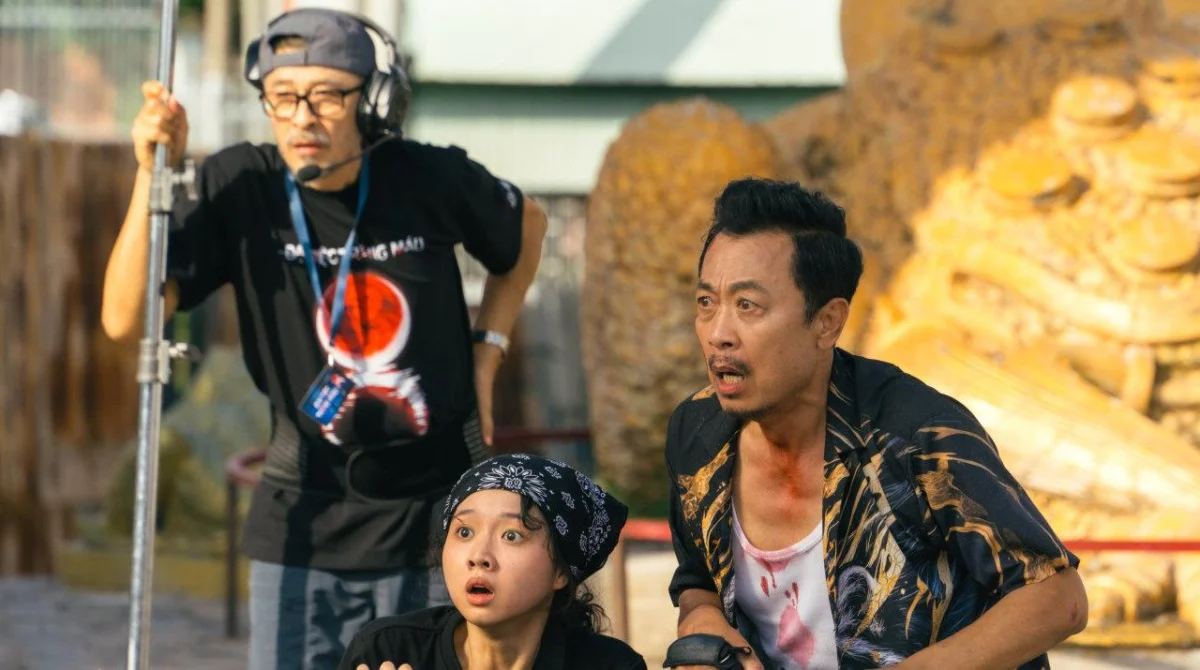
Phan Gia Nhat Linh’s "Blood Moon Rite 8" enters this established legacy, tasked with translating the core concept to a Vietnamese cultural and cinematic landscape. While adhering to the fundamental narrative arc of its predecessor, the film introduces significant local flavor and contemporary relevance. The story, much like the original, opens with a film crew attempting to capture a low-budget zombie horror movie in what appears to be a single, unedited take. The initial on-screen chaos, deliberately embracing a B-movie aesthetic with over-the-top acting, handheld camerawork, and conspicuously rudimentary special effects, is designed to disorient and amuse, leaving viewers questioning the film’s intentionality. This deliberately rough-around-the-edges presentation is a crucial element, setting the stage for the narrative’s eventual, pivotal rewind.
The film then meticulously peels back the layers, revealing the production’s behind-the-scenes struggles. The protagonist, a director often relegated to making low-prestige commercial television projects, finds himself in a precarious professional and personal position. His family views his career with a degree of disappointment, and his colleagues largely dismiss his creative ambitions. The opportunity to direct a 35-minute zombie film for a demanding Korean client, shot in one continuous take, represents a monumental chance for redemption. This project is framed not just as a professional stepping stone, but as a crucial avenue for personal reconciliation, particularly with his estranged daughter. The latter half of "Blood Moon Rite 8" skillfully weaves together these disparate threads, illuminating the arduous and often absurd production process and recontextualizing the bewildering events witnessed in the film’s opening act. This structural mirroring, a direct inheritance from "One Cut of the Dead," remains a powerful narrative device, offering a fresh perspective on the initial chaos and highlighting the immense effort required to achieve even a semblance of cinematic success.
Localizing the Laughs: Cultural Adaptations and Satirical Undertones
The enduring appeal of the "One Cut of the Dead" formula lies in its inherent cleverness and sheer entertainment value. Even for audiences familiar with the central narrative conceit, "Blood Moon Rite 8" manages to remain genuinely engaging through its astute adaptation to the Vietnamese context. A key alteration involves the primary filming location. Instead of the industrial dereliction of the original, the zombie shoot in the Vietnamese version unfolds within a decaying theme park. This choice imbues the film with a visually richer tapestry, featuring actors adorned in vibrant fantasy and historical costumes. This setting not only offers a more visually stimulating backdrop but also serves as a playful homage to Vietnamese popular cinema and the enduring charm of vintage B-movies, evoking a sense of nostalgia and cultural specificity.
Furthermore, "Blood Moon Rite 8" injects a contemporary satirical edge by incorporating elements of social media culture. The lead actress, portrayed by Miu Le, is depicted less as a traditional thespian and more as a burgeoning TikTok celebrity. Her constant entourage of fans and influencers, often clad in whimsical mascot costumes, creates an atmosphere of absurdity and surrealism that feels distinctly modern and culturally relevant. This inclusion speaks to the pervasive influence of online personalities and the often-surreal nature of celebrity in the digital age, adding another layer of commentary that resonates with younger audiences.
A Gentle Satire of the Vietnamese Film Industry
Beyond its engagement with pop culture, "Blood Moon Rite 8" offers a subtle yet incisive satire of the Vietnamese film industry itself. The presence of a demanding Korean producer financing the project serves as a clear nod to the escalating influence of South Korean entertainment across Southeast Asian markets. This element taps into current regional dynamics and the complex interplay between local creative industries and international investment. Simultaneously, the film playfully skewers the often-unrealistic demands placed upon filmmakers and the chaotic realities of production environments. It manages to find humor in these challenges while also functioning as a heartfelt tribute to the often-unseen individuals who labor behind the scenes. The dedication of cameramen, assistants, technicians, and set designers – whose collective efforts are crucial in bringing any production to life – is subtly celebrated, underscoring the collaborative and often arduous nature of filmmaking. This dual approach, blending critique with heartfelt appreciation, adds depth and authenticity to the film’s portrayal of the industry.
Performances that Drive the Comedy
The humor in "Blood Moon Rite 8" consistently lands, significantly aided by a talented ensemble cast exhibiting impeccable comic timing. Vietnamese comedian Van Son delivers a particularly noteworthy performance as the struggling director. He imbues the character with a warmth and charm that makes him eminently relatable and easy for the audience to champion. His portrayal captures the director’s desperation and his underlying passion, making his pursuit of this ambitious project feel both poignant and humorous. Seasoned actress Le Khanh also shines as the director’s wife, a former action star who, even in retirement, approaches her past roles with an almost comical intensity. Her character provides a delightful counterpoint to her husband’s current struggles, adding another layer of comedic texture and character dynamics to the film. The chemistry and comedic synergy among the cast are palpable, elevating the film beyond its meta-narrative premise and grounding it in relatable human interactions.
A Legacy Continues, With a Distinctly Vietnamese Identity
In conclusion, "Blood Moon Rite 8" stands as a highly entertaining and successful remake that is poised for significant audience reception in Vietnam. While it may not entirely escape the considerable shadow cast by its Japanese progenitor, the film artfully carves out its own distinct identity. This is achieved through its sharp, culturally resonant humor, its visually engaging and colorfully rendered aesthetic, and its affectionate, albeit comedic, celebration of the chaotic yet magical process of filmmaking. The film’s ability to transplant the core brilliance of "One Cut of the Dead" while infusing it with a unique Vietnamese sensibility speaks to the universality of its themes and the adaptability of its ingenious narrative structure. It is a testament to the enduring power of meta-cinematic storytelling and a vibrant addition to the growing canon of international adaptations of a film that redefined independent cinema. The success of "Blood Moon Rite 8" further solidifies the global reach of this particular narrative innovation, demonstrating its capacity to connect with diverse audiences across cultural boundaries.