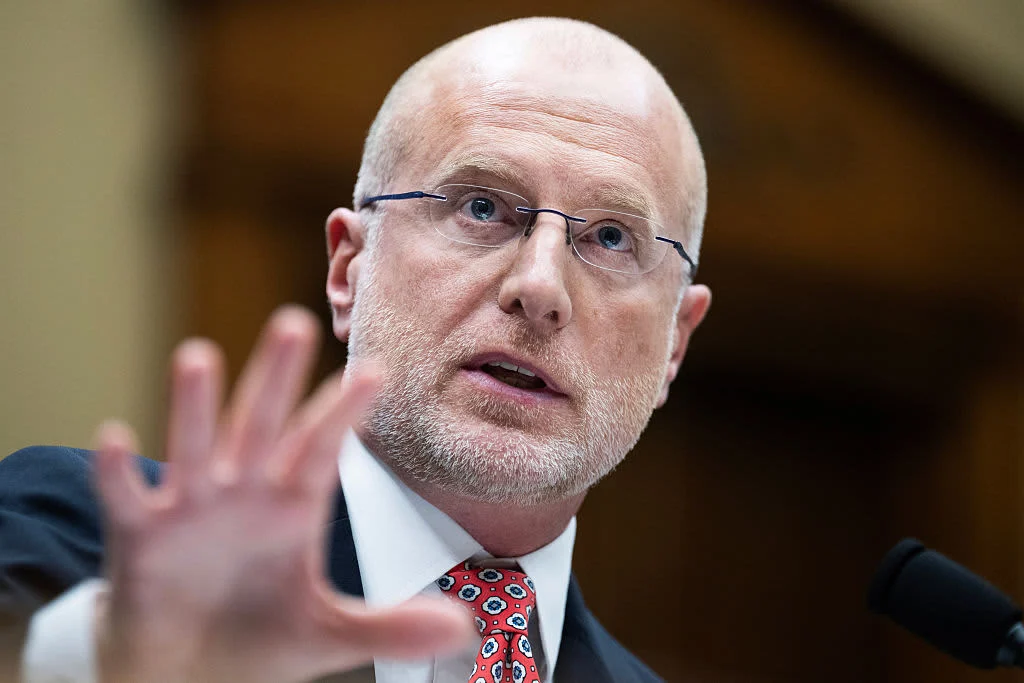
Federal Communications Commission (FCC) Chairman Brendan Carr has signaled a favorable regulatory outlook for Paramount’s proposed acquisition of Warner Bros. Discovery (WBD), characterizing the bid as "cleaner" and more strategically sound than the previous offer submitted by Netflix. Speaking on the sidelines of the Mobile World Congress in Barcelona, Spain, Carr indicated that the Paramount-Skydance proposal addresses many of the competitive concerns that plagued the Netflix bid, suggesting that the federal approval process could proceed "pretty quickly."
The endorsement from the FCC’s top official comes at a critical juncture for the media industry, which has been rattled by a series of high-stakes consolidation attempts. Paramount, backed by Skydance, recently submitted a revised offer to acquire the entirety of Warner Bros. Discovery at a valuation of $31 per share. This offer surpassed an existing $27.75 per share proposal from Netflix, which was focused primarily on WBD’s studio assets and streaming infrastructure rather than the company’s legacy linear television networks.
According to Carr, the Netflix proposal would have faced a "very difficult path" to regulatory clearance. The combination of Netflix and WBD’s HBO Max would have united two of the industry’s largest streaming platforms, potentially creating a dominant market force that could stifle competition and lead to higher prices for consumers. In contrast, Carr noted that the Paramount bid does not raise the same level of concern, stating that there are "some real consumer benefits that can emerge from it."
The Evolution of the WBD Acquisition Race
The battle for control of Warner Bros. Discovery has evolved rapidly over the past several months. Initially, Netflix appeared to be the frontrunner, seeking to bolster its content library and production capabilities by acquiring WBD’s storied film studio and its HBO Max streaming service. However, that deal met with immediate skepticism from both industry analysts and regulators.
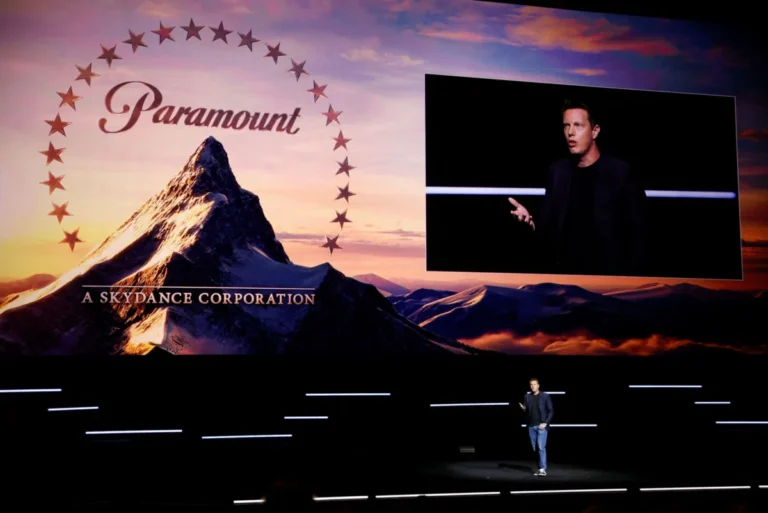
In late 2025, reports began to surface that Netflix’s $27.75 per share offer was being viewed as a "cherry-picking" exercise that would leave WBD’s linear assets—including CNN, TBS, and TNT—in a precarious financial position. By February 2026, Paramount Global, in partnership with Skydance Media, moved to capitalize on this uncertainty. They increased their initial $30 per share offer to $31, encompassing the entire WBD portfolio.
The WBD board subsequently deemed the Paramount-Skydance offer "superior," prompting Netflix to withdraw its bid, citing that the acquisition was "no longer financially attractive" under the new competitive landscape. To facilitate the transition, Paramount has already paid a $2.8 billion breakup fee that WBD owed to Netflix for terminating their prior agreement.
Strategic Differences Between the Paramount and Netflix Bids
The primary distinction between the two proposals lies in the scope of the acquisition. While Netflix sought a vertical integration that would have significantly increased its market share in the streaming and production sectors, Paramount’s bid represents a horizontal consolidation of traditional media and digital assets.
Paramount’s proposal includes:
- Linear Networks: The acquisition of WBD’s pay-TV networks, such as CNN, TBS, and TNT, which Netflix had intended to exclude.
- Theatrical Commitment: A pledge to release at least 30 films annually (15 per studio), addressing concerns from theater owners about a shrinking Hollywood slate.
- Streaming Consolidation: A plan to merge Paramount+ and HBO Max into a single, comprehensive streaming service, aiming to compete more effectively with Disney+ and Netflix.
- Financial Safeguards: A $7 billion breakup fee committed by Paramount if the deal fails to gain regulatory clearance, signaling high confidence in the merger’s legality.
Analysts from Raymond James noted that the Paramount-WBD deal is "meaningfully easier" to navigate than the Netflix alternative. They argued that while the new entity would face challenges regarding international linear networks and news divisions, its overall political standing with the current U.S. administration appears stronger.

Regulatory and Political Hurdles
Despite Chairman Carr’s optimistic tone, the merger still faces a complex gauntlet of regulatory reviews. The FCC typically examines deals involving broadcast licenses, such as Paramount’s ownership of CBS. However, Carr suggested that the FCC’s role in this specific transaction might be "minimal," with the bulk of the antitrust scrutiny falling to the Department of Justice (DOJ).
The political landscape surrounding the deal remains polarized. Former President Donald Trump, who has previously commented on media mergers, initially expressed concerns in December 2025 that a Netflix-WBD deal could grant Netflix too much market power. While he later stepped back from those comments, stating the DOJ would handle the review, his administration’s stance on media consolidation remains a wildcard.
On the other side of the aisle, Democratic Senator Elizabeth Warren has voiced sharp opposition to the Paramount-WBD merger. In a public statement, Warren labeled the deal an "antitrust disaster" that threatens to result in higher prices and fewer choices for American families. She has called for a rigorous investigation into how the consolidation of intellectual property under one roof would affect the broader entertainment ecosystem.
Financial Architecture and Foreign Investment Scrutiny
A significant component of Paramount’s $31 per share bid is the involvement of foreign capital. The offer is bolstered by approximately $24 billion from Gulf state sovereign wealth funds. This has raised the possibility of a review by the Committee on Foreign Investment in the United States (CFIUS), an interagency committee that vets foreign investments for potential national security risks.
Paren Knadjian, a partner at advisory firm EisnerAmper, noted that the path forward is more nuanced than it might appear. "The biggest thing we’re going to focus on is the concentration of intellectual property," Knadjian said. "What power does that give this new entity in terms of the ability to charge more? The regulatory and political pressure will certainly delay the deal."
Knadjian further suggested that significant concessions—such as the divestiture of certain cable networks or specific content rights—might be required to satisfy the DOJ’s antitrust division.
Implications for the Theatrical and Streaming Markets
The potential merger arrives at a time of significant upheaval for Hollywood. The theatrical industry, still recovering from the dual impacts of the pandemic and recent labor strikes, has been vocal about the need for a consistent supply of blockbuster content. Paramount’s commitment to a 30-film annual theatrical slate is seen as a major win for cinema chains like AMC and Regal, who feared that a Netflix-led acquisition would lead to a "streaming-first" strategy that bypassed theaters.
In the streaming sector, the combination of Paramount+ and HBO Max would create a formidable library. HBO Max’s prestige dramas and the Warner Bros. film library, combined with Paramount’s sports rights (including the NFL) and its deep catalog of franchises like Star Trek and Mission: Impossible, would create a service with broad demographic appeal.
Chronology of the Warner Bros. Discovery Merger Saga
- October 2025: Initial rumors surface regarding Netflix’s interest in WBD’s studio and HBO Max assets.
- December 2025: Netflix formally proposes a $27.75 per share acquisition. President Trump expresses concerns over market share dominance.
- January 2026: Paramount Global and Skydance Media enter the fray with a $30 per share counter-offer for the entire company.
- February 19, 2026: Filmmaker James Cameron and other industry figures send a letter to antitrust lawmakers expressing concern over the impact of consolidation on the theatrical industry.
- February 26, 2026: Paramount increases its bid to $31 per share. WBD board declares the Paramount offer "superior."
- March 2, 2026: Paramount executives announce plans to merge Paramount+ and HBO Max and commit to 30 theatrical releases per year.
- March 3, 2026: FCC Chair Brendan Carr publicly supports the Paramount deal at the Mobile World Congress, calling it "cleaner" than the Netflix proposal.
Looking Ahead: A New Media Titan?
If approved, the merger of Paramount and Warner Bros. Discovery would represent one of the largest media consolidations in history, rivaling the scale of Disney’s acquisition of 21st Century Fox. The combined entity would possess an unprecedented array of assets, from a dominant news organization (CNN) and major sports broadcasting rights to one of the world’s most valuable film and television libraries.
While Brendan Carr’s comments suggest a favorable wind for the deal in Washington, the road to completion remains long. The combined scrutiny of the DOJ, the potential for Congressional hearings, and the CFIUS review of foreign funding ensure that every aspect of the $31 per share deal will be examined. For now, however, Paramount appears to have successfully sidelined Netflix, positioning itself as the "cleaner" and more viable architect of Hollywood’s next era.