
The landscape of modern romance has reached a critical inflection point where the barriers to entry are no longer merely psychological or technological, but increasingly financial. For years, the primary grievance among singles was "app fatigue"—the exhaustion stemming from gamified interfaces, the pay-to-win nature of premium subscriptions, and the declining quality of digital matches. However, as 2026 unfolds, a more formidable obstacle has emerged: the sheer cost of pursuit. Recent economic data and sociological surveys indicate that dating is rapidly transitioning from a universal social activity into a luxury good, accessible primarily to the affluent, while lower-income individuals are being systematically priced out of the "mating market."
The Rise of Date-flation: Quantifying the Cost of Connection
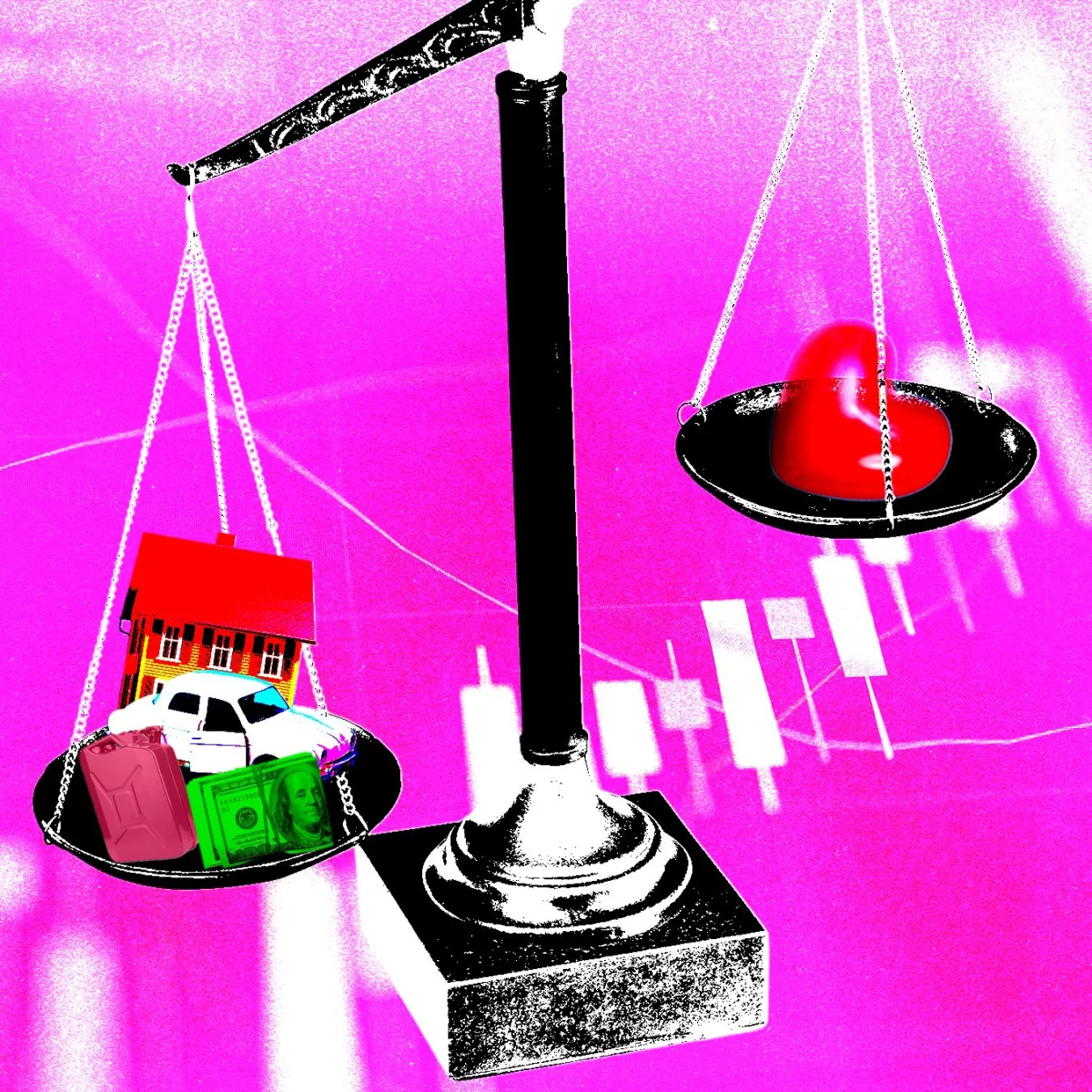
The economic pressure on singles is best summarized by the term "date-flation," a phenomenon where the costs associated with courting—dining out, entertainment, transportation, and personal grooming—outpace the general rate of inflation. According to the BMO Real Financial Progress Index released in early 2026, the average cost of a single date in the United States has surged to $189, representing a 12.5 percent increase from the previous year. This figure encompasses the "all-in" cost, including ride-shares, a meal for two, and perhaps a secondary activity like coffee or drinks.
This financial burden has triggered a mass exodus from the dating pool. A comprehensive survey published in April 2026 by the financial services firm JG Wentworth revealed that an overwhelming 86 percent of U.S. singles cite money concerns as the primary reason for delaying or entirely avoiding the search for a partner. The study suggests that for many, the "return on investment" for a first date—which often results in no second meeting—has become too low to justify the expenditure in a tight economy.
The Wealth Gap in Modern Romance
The impact of these rising costs is not felt equally across the demographic spectrum. Research conducted by Louis Jadot in partnership with Morning Consult highlights a stark divide in dating habits based on annual income. Among individuals earning less than $50,000 per year, 33 percent report they have stopped dating entirely due to financial constraints. In contrast, only 15 percent of those earning over $100,000 have taken a similar break.
This disparity suggests that the "romantic divide" is widening. Financial analyst Farnoosh Torabi, host of the So Money podcast, notes that this shift fundamentally alters the nature of human connection. "Connection is no longer something people pursue spontaneously; it’s something they have to budget for, justify, and sometimes opt out of entirely," Torabi explains. While this may force a degree of intentionality—making people more selective about whom they meet—it also renders the dating process inherently unequal, favoring those with disposable income and punishing those living paycheck to paycheck.
From Digital Burnout to Financial Exclusion: A Chronology
To understand the current crisis, one must look at the progression of the dating market over the last several years.
- 2020–2022: The App Hegemony. During and immediately following the global pandemic, dating apps became the primary, and often only, avenue for meeting new people. This era saw the rise of the "premium" model, where users were encouraged to pay for "boosts" and "super likes" to remain visible.
- 2023–2024: The Burnout Phase. Studies began linking excessive app usage to increased rates of depression, anxiety, and loneliness, particularly among men. Users reported feeling like "commodities" in a digital catalog, leading to a surge in "dating resets" and app deletions.
- 2025: The IRL (In Real Life) Resurgence. Data from ticketing platforms like Eventbrite showed a significant uptick in organized in-person dating events, such as speed dating, run clubs, and hobby-based mixers. Singles sought to escape the digital fatigue of the previous years.
- 2026: The Economic Wall. While the desire for in-person connection remains high, the cost of living crisis has made these events and subsequent dates prohibitively expensive. The "intentionality" of 2025 has been replaced by the "austerity" of 2026.
The Social Media Narrative: Real-World Frustrations
The frustration of the modern single is palpable across social media platforms, where the "cost of entry" has become a dominant topic of conversation. On TikTok, users from various generations—Gen Z through Gen X—have begun documenting their decision to "opt out" of the dating market to preserve their financial health.
One viral video from user @eddieeye71, a single father, explained that he ceased dating 18 months ago to regain control of his finances. Similarly, user @Imjustln highlighted the logistical costs that are often overlooked: "I’m spending $80 for a tank of gas, driving 45 minutes to see people for a date night, then dropping $80 to $100 per date. I cannot be dating in this economy."
These testimonials reflect a broader trend of "dating celibacy" driven not by a lack of interest in partnership, but by a pragmatic realization that the modern romantic infrastructure is built for a higher income bracket.
The Normalization of Transactional Dating
As traditional dating becomes more expensive, the line between romance and financial arrangement has blurred. This is evidenced by the mainstreaming of "sugar baby" discourse and the growth of platforms like Seeking. Formerly known as Seeking Arrangement, the site now boasts over 1 million monthly active users and has rebranded itself as a platform for "hyper-gamous" dating—a term referring to the act of dating someone of higher social or financial status.
Brandon Wade, co-CEO of Seeking, offers a controversial perspective on the current state of affairs. He argues that financial stability is a prerequisite for a healthy relationship. "Until we have achieved a level of financial security to provide, how do we love?" Wade asks. "You’re not loving and giving from a place of abundance. You’re giving from a place of lack." This philosophy suggests that if one cannot afford the "luxury" of dating, they should focus on wealth accumulation rather than companionship.
The complexities of this transactional shift were recently thrust into the national spotlight through a scandal involving Julia Varvaro, a deputy assistant secretary for counterterrorism at the U.S. Department of Homeland Security. In April 2026, Varvaro was placed on leave following allegations regarding her profile on Seeking. The investigation, sparked by a complaint from an ex-boyfriend, alleged that he had spent $40,000 on gifts, rent, and luxury items during their three-month relationship.
Wade defended Varvaro, framing the backlash as a result of societal double standards. "Why is it that men spending money are seen as generous, but women receiving it are labeled as transactional?" he questioned. Regardless of the ethics, the case highlights how high-stakes financial expectations have permeated even the highest levels of professional and social life.
Broader Implications: A Society of "Haves" and "Have-Nots"
The transformation of dating into a high-cost endeavor has profound implications for the future of social fabric and demographics.
1. The Loneliness Epidemic
If human connection becomes a service that must be purchased, those at the bottom of the economic ladder face a higher risk of social isolation. This contributes to the ongoing "loneliness epidemic," which health officials have linked to a variety of physical and mental health issues, including heart disease and shortened lifespans.
2. Performative Romance
As Farnoosh Torabi points out, the expectation that romance must look expensive to be valid has made dating "performative." This creates a cycle where individuals feel pressured to spend beyond their means to project a certain lifestyle, leading to increased consumer debt and financial stress within new relationships.
3. Demographic Shifts
Economic barriers to dating inevitably lead to delays in marriage and family formation. As the cost of "finding" a partner rises, alongside the cost of "maintaining" a household, birth rates in urban centers continue to see downward pressure. The "luxury" status of dating may eventually lead to a society where stable, long-term partnership is a status symbol of the wealthy.
4. The "Date Up" Strategy
A notable trend in 2026 is the shift in dating strategies among women. With many men opting out of the dating pool due to financial strain, there is an observable move toward "dating up"—seeking partners who can provide financial security in an unstable economy. This reinforces traditional gender roles that many 21st-century social movements sought to dismantle, suggesting that economic necessity can override social progress.
Conclusion: The New Price of Companionship
As 2026 continues, the "dating app problem" has been eclipsed by a much larger systemic issue. While the technology remains flawed, the underlying economic reality is what is truly reshaping how humans interact. The data suggests that for a significant portion of the population, the pursuit of love has been postponed indefinitely in favor of financial survival.
In this new era, the "price of companionship" is an increasing tax on the human experience. Whether through the $189 dinner date or the $40,000 "sugar" arrangement, the message is becoming clear: in the modern economy, the heart follows the wallet. For those who cannot afford the entry fee, the future of romance looks increasingly solitary, while for the affluent, it has become just another luxury to be managed and optimized.