The rapid integration of generative artificial intelligence into the professional landscape has revealed a burgeoning divide that transcends simple technical proficiency, highlighting a significant gender gap in how the technology is perceived, utilized, and embraced. According to the 5th annual SurveyMonkey Women at Work survey, which polled 6,330 individuals in February 2026, men are significantly more likely to view AI as a vital career tool, while a substantial portion of women remain skeptical of its ethical implications and practical necessity. This divergence in attitude comes at a critical juncture for the global economy, as businesses transition from experimental AI pilots to full-scale integration of large language models (LLMs), coding agents, and automated enterprise solutions.
The Perception Gap: Assistant vs. Ethical Dilemma
The survey data underscores a fundamental difference in how genders categorize the role of AI in their daily professional lives. Among the men surveyed, 69% identified AI as a "valuable assistant and collaborator," viewing the technology as a means to augment productivity and streamline complex tasks. In contrast, only 61% of women shared this positive outlook. This eight-point disparity suggests that men are more inclined to see AI as a partner in the workplace, whereas women may view it with more caution.
Perhaps more striking is the moral weight attached to the technology. Half of the women surveyed expressed a sense of suspicion toward the tool, stating that "using AI at work feels like cheating." This sentiment was significantly less prevalent among men, with only 43% agreeing with the "cheating" narrative. Analysts suggest this could stem from broader societal pressures where women’s professional contributions are often scrutinized more heavily, leading to a greater hesitancy to adopt tools that might be perceived as shortcuts or as diminishing the value of human-led effort.
A Chronology of the Generative AI Boom
To understand the current divide, one must look at the rapid acceleration of AI technology over the past several years. The current era of generative AI was effectively inaugurated in late 2022 with the public launch of OpenAI’s ChatGPT. This event triggered an unprecedented arms race among technology giants and startups alike.
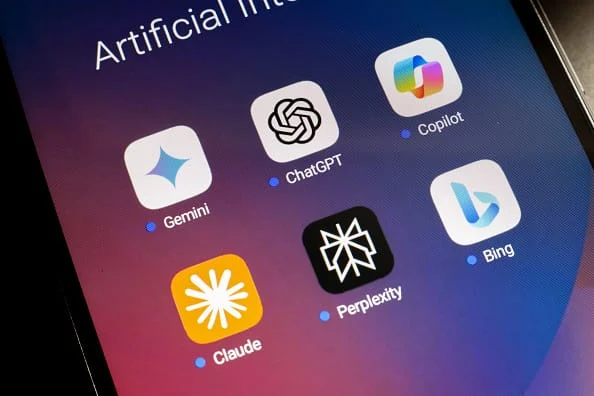
- Late 2022 – Early 2023: The "Chatbot Era" begins. ChatGPT, Google Bard (now Gemini), and Microsoft’s Bing AI (now Copilot) introduce the general public to conversational AI capable of drafting emails, summarizing reports, and generating code.
- Mid-2023 – 2024: Multi-modal capabilities emerge. Tools like Midjourney, DALL-E 3, and later Sora expand AI’s reach into image and video generation. Enterprises begin integrating these tools into marketing and creative workflows.
- 2025: The shift to "Agentic AI." The industry moves beyond simple chatbots toward "agents"—autonomous or semi-autonomous systems capable of executing multi-step tasks, such as managing calendars, conducting market research, or maintaining software repositories.
- 2026 (Present): AI becomes the "Enterprise Stack." Companies like JPMorgan Chase report that a majority of their workforce utilizes internal LLMs. The focus shifts from "if" a company uses AI to "how deeply" it is integrated into every vertical, from legal to customer service.
Usage Disparities and the "Power User" Profile
The SurveyMonkey data indicates that the gender gap is not merely a matter of opinion but is reflected in daily habits. A majority of the workforce remains on the sidelines, but women are disproportionately represented in this group. Approximately 64% of women reported that they never use AI at work, compared to 55% of men.
The divide is even more pronounced at the high end of the usage spectrum. "Power users"—defined as those who utilize AI tools multiple times a day—are significantly more likely to be men. Specifically, 14% of men fall into this category, while only 9% of women report the same level of frequency. This usage gap is particularly concerning to labor economists because frequent use often leads to "AI fluency," a skill set that is increasingly becoming a prerequisite for high-paying roles in tech, finance, and management.
The Training Paradox and the Role of FOMO
Interestingly, despite using AI more frequently, men are more likely to express a desire for further instruction. Some 59% of men in the survey admitted they need more training on how to effectively use AI at work. This suggests a recognition that current usage may only be scratching the surface of the technology’s potential.
Furthermore, a "Fear of Missing Out" (FOMO) appears to be a stronger driver for male employees. About 39% of men expressed anxiety that they would fall behind if they did not embrace AI, compared to 35% of women. Conversely, 42% of women "strongly disagreed" with the idea that failing to adopt AI would result in missed opportunities, a sentiment shared by only 36% of men. This suggests that a significant portion of the female workforce does not yet view AI as an existential requirement for career longevity, potentially leaving them vulnerable as companies automate more entry-level and mid-level functions.
Corporate Leadership and the Push for AI Integration
The push for AI adoption is coming directly from the top of the corporate ladder. Jamie Dimon, CEO of JPMorgan Chase, has been one of the most vocal proponents of the technology. During the bank’s 2026 investor day, Dimon described AI as "critical to our company’s future success." He revealed that nearly two-thirds of the bank’s massive global workforce now utilizes an internal large language model to assist with everything from risk assessment to client communications.

Dimon’s stance reflects a broader Wall Street sentiment: AI is no longer a luxury but a fundamental component of the enterprise software stack. This shift has had a volatile effect on the market. Over the past year, traditional software stocks have faced significant downward pressure as investors bet that AI-driven "coding agents" and automated platforms will displace legacy SaaS (Software as a Service) products. The message from leadership is clear: the jobs of the future will be performed by those who can navigate an AI-augmented environment.
The "Broken Rung" and Long-term Career Implications
The gender gap in AI adoption carries heavy implications for workplace equality, particularly regarding the "broken rung"—the well-documented phenomenon where women are less likely to be promoted from entry-level positions to their first manager-level roles. Sheryl Sandberg, founder of LeanIn.Org and former Meta COO, has warned that the AI divide could exacerbate this existing problem.
In a recent assessment of the labor market, Sandberg noted that AI will be most challenging for those who do not know how to leverage its capabilities. If men are using AI more frequently and seeking out more training early in their careers, they may gain a competitive edge in productivity and technical literacy that justifies faster promotion. "We are going to see disproportionate impacts," Sandberg warned, noting that such a trend would be detrimental to both individual companies and the broader economy.
If women are hesitant to use AI because they view it as "cheating" or because they lack the same level of FOMO as their male counterparts, they may inadvertently opt out of the very tools that could help them manage the "double burden" of professional and domestic responsibilities. AI’s ability to automate routine tasks could, in theory, be a great equalizer by freeing up time for high-value strategic work; however, this potential can only be realized if the tools are adopted equitably.
Market Analysis: The Shift in Enterprise Software
The skepticism among female workers and the enthusiasm among male workers are playing out against a backdrop of massive institutional change. The "beating" taken by software stocks over the past twelve months is a direct result of the "AI replacement" narrative. For decades, enterprise software focused on providing tools for humans to do work. The new paradigm, exemplified by "coding agents" and autonomous services, focuses on the software doing the work itself.
This transition requires a new kind of worker—one who acts as an editor or an orchestrator of AI outputs rather than a manual creator. If the survey data holds true, and a larger percentage of women remain "non-users," the pool of talent prepared to lead this new era of "orchestrated work" will be skewed toward men, potentially reversing decades of progress in closing the gender gap in STEM and management.
Conclusion and Future Outlook
The findings of the 2026 SurveyMonkey Women at Work survey serve as a wake-up call for both corporate leaders and educators. As AI continues to evolve from a novelty into a fundamental utility, the disparity in adoption rates between men and women suggests a need for targeted intervention.
To prevent the AI gap from becoming a permanent fixture of the professional landscape, companies may need to:
- Reframing the Narrative: Address the "cheating" stigma by clearly defining the ethical use of AI and encouraging its use as a standard productivity tool.
- Inclusive Training: Develop training programs that specifically address the concerns and skepticism voiced by women, focusing on the practical benefits of AI in various job functions.
- Proactive Retraining: As Jamie Dimon suggested, companies must prioritize retraining existing staff whose roles are most at risk of displacement, ensuring that the transition to an AI-centric model does not leave any demographic behind.
The generative AI boom is more than a technological shift; it is a cultural and professional transformation. Ensuring that both men and women are equally equipped to navigate this new terrain is not just a matter of workplace fairness—it is an economic necessity in an increasingly automated world.