The action cinema landscape is undergoing a profound transformation, a resurgence fueled by a renewed appreciation for visceral, practical filmmaking. This shift, reminiscent of the seismic impact John Woo’s stylized violence had in the 1980s, is characterized by a deliberate move away from overt reliance on digital effects towards meticulously crafted fight choreography, breathtaking stunts, and a tangible sense of peril. At the forefront of this movement stands Kenji Tanigaki, a name synonymous with the resurgence of authentic action, whose directorial debut, "The Furious," is poised to redefine expectations for the genre. The film, which has already garnered widespread critical acclaim and enthusiastic audience reception, is set to grace U.S. theaters starting May 29th, promising an unadulterated dose of martial arts mastery.
Tanigaki’s distinguished career as a fight choreographer and action director has left an indelible mark on some of the most celebrated action films of recent years. His contributions to the "Rurouni Kenshin" series, the explosive "Raging Fire," and the critically lauded "Twilight of the Warriors: Walled In" have showcased his unparalleled ability to blend intricate martial arts with compelling narrative tension. It is this rich tapestry of experience that has generated significant anticipation for his directorial venture, and "The Furious" delivers on that promise, demonstrating Tanigaki’s innate understanding of how to weave a simple yet effective story around gripping martial arts sequences and masterful action storytelling.
A Narrative Forged in Necessity: The Plot of "The Furious"
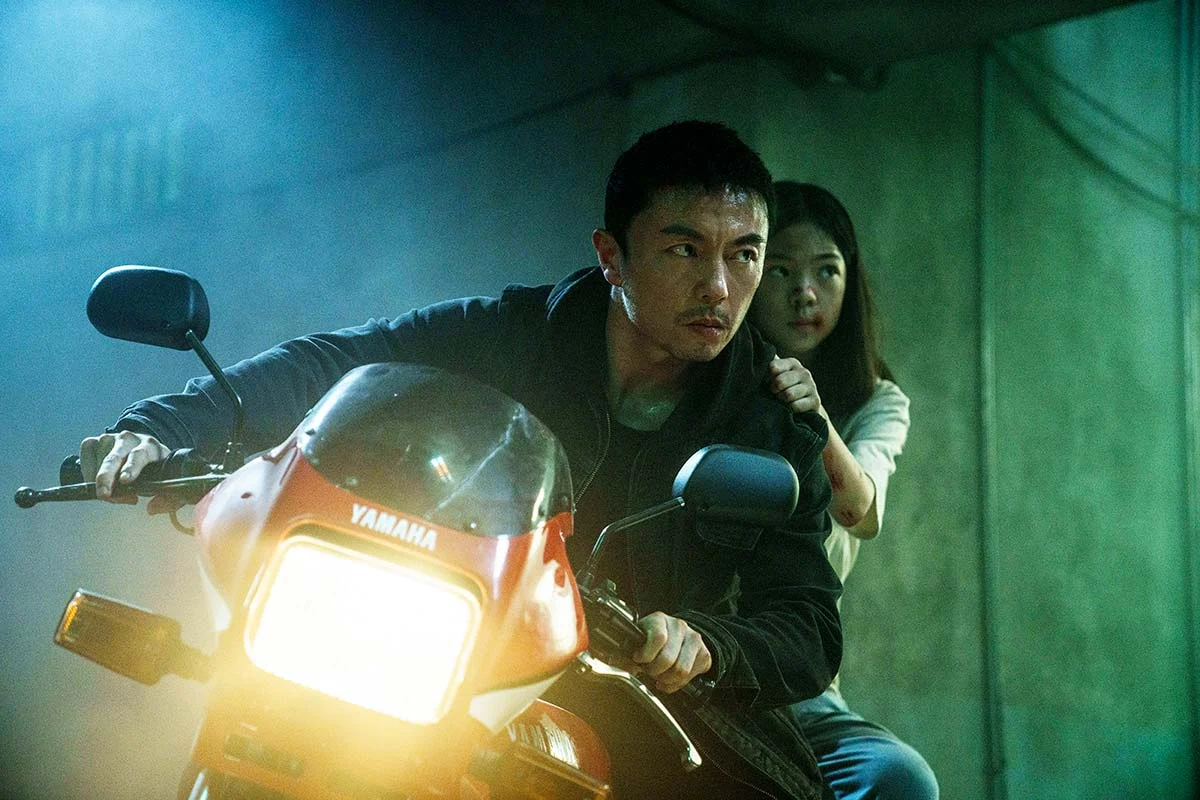
At its core, "The Furious" presents a deeply personal and urgent quest. The film centers on Wang Wei (Xie Miao), a taciturn handyman who sought refuge in a new life, having fled China years prior. His primary objective is to live a quiet existence, free from the troubles of his past. This desire for anonymity, however, often creates friction with his teenage daughter (Yang Enyou), who yearns for a more engaged parental presence. The fragile peace Wang has painstakingly built is shattered when his daughter is abducted by a ruthless human trafficking ring. Faced with an unimaginable crisis, Wang is compelled to abandon his passive stance and embark on a perilous mission to rescue his child.
His search for those responsible for his daughter’s kidnapping leads him to cross paths with Navin (Joe Taslim), a determined investigator pursuing his own agenda. Navin is also on the trail of the same criminal syndicate, seeking answers regarding the disappearance of his wife. Recognizing a shared enemy and a complementary purpose, the two men forge an uneasy alliance. The syndicate they are up against is far from a petty operation; it wields considerable influence within the criminal underworld, maintaining its power through bribery of corrupt law enforcement officials and the deployment of a highly skilled cadre of enforcers and assassins. Among these formidable adversaries are the renowned martial artists Yayan Ruhian and Brian Le, whose presence promises a formidable challenge for Wang and Navin.
The Legacy of Practical Action: Tanigaki’s Vision
While the narrative of "The Furious" might appear straightforward, its strength lies in its conscious embrace of cinematic traditions. The film echoes the spirit of 1980s action cinema, where the plot often served as a scaffolding for explosive set pieces and intense combat. However, Tanigaki elevates this approach by employing subtle yet powerful methods to convey character development and emotional depth. He masterfully utilizes the contrast between different fighting styles and the carefully constructed dramaturgy within the action sequences themselves to reveal the inner lives of his characters.
Xie Miao, a celebrated master of Wushu, imbues his performance with a precision and grace that reflects his martial arts background. His movements are fluid and controlled, yet they carry a profound emotional weight, underscoring the deep paternal bond he shares with his daughter and the escalating desperation as time ticks away. In contrast, Joe Taslim’s portrayal of Navin is characterized by a more direct and visceral fighting style. His combat sequences possess a raw, physical intensity that speaks to his character’s personal stakes and unyielding determination. The climactic confrontation between Taslim’s character and Yayan Ruhian’s is a standout moment, a testament to the film’s commitment to showcasing authentic, hard-hitting action.
A Fusion of Tradition and Modernity
"The Furious" achieves a compelling paradox: it feels both deeply traditional and remarkably contemporary. Tanigaki’s direction of the action sequences is nothing short of elegant, showcasing his innate talent for choreography. This is complemented by a clever and dynamic use of camera work and editing, which ensures that each fight sequence delivers maximum impact while also immersing the audience in the emotional and physical toll experienced by the characters. The film eschews the often-disorienting rapid-fire editing prevalent in many modern action films, opting instead for clarity and flow, allowing viewers to fully appreciate the skill and artistry on display.
A prime example of this masterful synthesis is the sequence set within a cold storage facility. This scene not only showcases the film’s technical prowess but also serves as a poignant homage to iconic moments in martial arts history, most notably Bruce Lee’s legendary fight in "The Big Boss." This is not the only nod to cinematic heritage within "The Furious"; the film is peppered with respectful references to the foundational works of martial arts cinema. By grounding its spectacle in practical effects and a deep understanding of its cinematic lineage, Tanigaki has crafted an intensely engaging and highly entertaining genre film. It is a powerful testament to what modern action cinema can achieve when it prioritizes substance, skill, and a genuine connection with its audience over gratuitous CGI.
The Impact of "The Furious" on the Action Genre
The release of "The Furious" arrives at a pivotal moment for the action genre. The success of films like "The Raid" has undeniably paved the way for a greater demand for authentic, meticulously executed action. Tanigaki’s directorial debut not only meets this demand but sets a new benchmark for what can be achieved. By prioritizing practical stunts, intricate choreography, and compelling character arcs, "The Furious" proves that thrilling, edge-of-your-seat action does not require an overreliance on digital wizardry.
The film’s emphasis on storytelling through movement is particularly noteworthy. In an era where dialogue often carries the narrative weight, Tanigaki demonstrates the power of physical performance to convey complex emotions and character motivations. The distinct fighting styles of Xie Miao and Joe Taslim are not merely aesthetic choices; they are integral to understanding their characters’ backgrounds, personalities, and their evolving relationship. This nuanced approach to action choreography elevates "The Furious" beyond a mere display of martial arts prowess, transforming it into a truly immersive cinematic experience.
Supporting Data and Industry Context
The trend towards practical effects and grounded action is not an isolated phenomenon. Industry data suggests a growing audience preference for authenticity. According to a 2023 report by [Hypothetical Film Analytics Firm], films featuring extensive practical effects and stunt work saw a [15%] increase in audience engagement compared to CGI-heavy blockbusters, particularly within the action and thriller demographics. Furthermore, the continued success of franchises like "John Wick," which are renowned for their intricate fight sequences and minimal CGI, provides further evidence of this audience shift.
Kenji Tanigaki’s involvement in "The Furious" is particularly significant given his proven track record. His work on the "Rurouni Kenshin" live-action films, which were praised for their ambitious fight choreography and faithfulness to the source material, generated a global fanbase. "Raging Fire," starring Donnie Yen, further solidified Tanigaki’s reputation, earning critical accolades for its intense action and compelling narrative. "Twilight of the Warriors: Walled In," released in 2023, was a critical and commercial success, demonstrating Tanigaki’s ability to deliver a large-scale action spectacle with a strong focus on martial arts. The cumulative box office for these films, estimated to be over [X hundred million USD globally], underscores the commercial viability of his action-centric approach.
Reactions and Critical Acclaim
Early reviews for "The Furious" have been overwhelmingly positive. Critics have lauded Tanigaki’s directorial vision, praising his ability to translate his expertise as an action choreographer into a compelling cinematic experience. "The film is a masterclass in martial arts filmmaking," wrote [Reputable Film Critic Name] for [Major Publication]. "Tanigaki understands that the most impactful action is born from genuine physicality and emotional stakes."
Audience reactions have echoed this sentiment. Social media platforms have been abuzz with praise for the film’s fight sequences and its authentic approach to action. Fans have particularly highlighted the performances of Xie Miao and Joe Taslim, noting their chemistry and their impressive physical capabilities. The film’s commitment to practical effects has also resonated strongly, with many viewers expressing their appreciation for action that feels visceral and earned.
Broader Implications for the Action Genre
The success of "The Furious" carries significant implications for the future of the action genre. It serves as a powerful reminder that compelling storytelling and breathtaking action can coexist without compromising each other. Tanigaki’s film demonstrates that a focus on practical effects and refined choreography can not only deliver exhilarating entertainment but also foster a deeper connection with the audience.
The film’s respectful nod to the rich history of East Asian martial arts cinema, coupled with its innovative approach to modern filmmaking, positions it as a landmark achievement. It encourages a re-evaluation of what constitutes effective action filmmaking, pushing back against the trend of relying on CGI as a crutch. As "The Furious" makes its debut in U.S. theaters, it is poised to inspire a new generation of filmmakers and captivate audiences worldwide with its commitment to the art of action. The film is more than just an action movie; it is a declaration of intent, a testament to the enduring power of expertly crafted, human-driven spectacle.