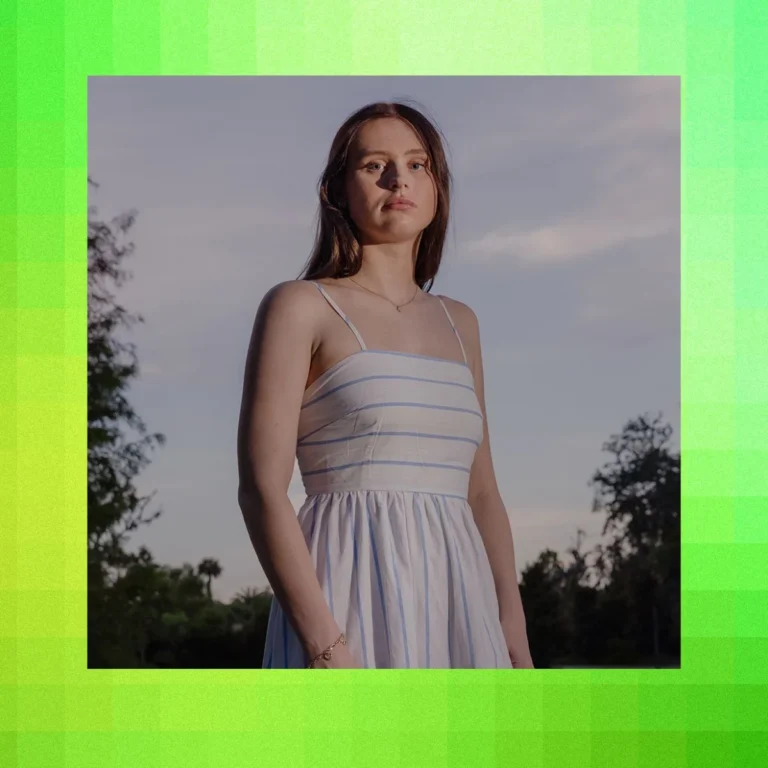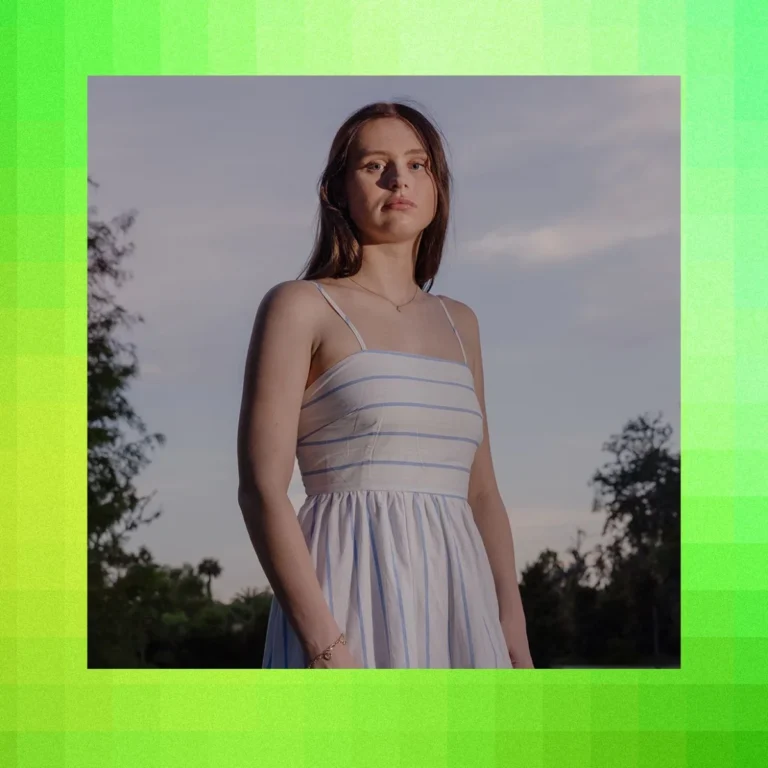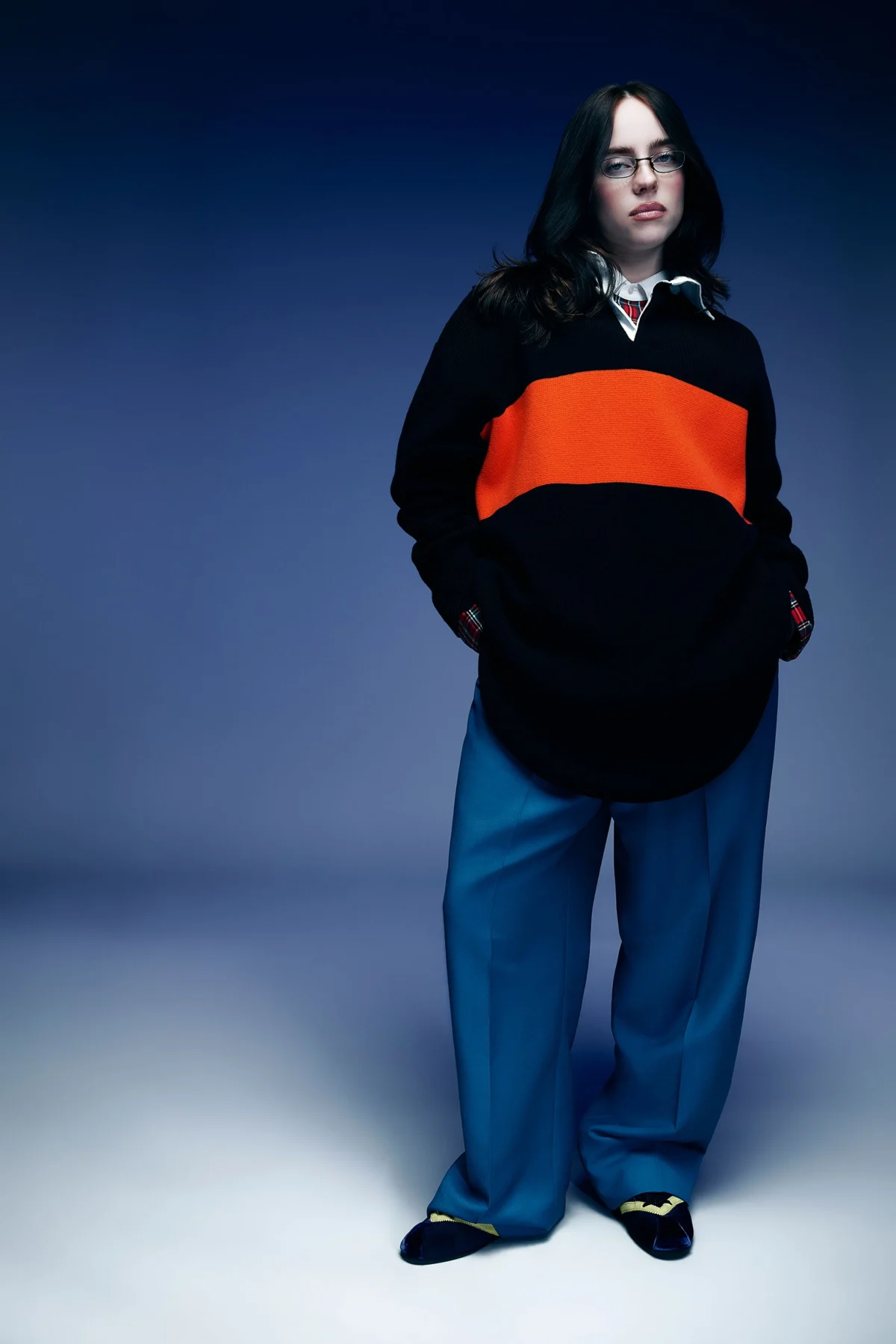
The trajectory of modern pop music underwent a seismic shift nearly a decade ago when a 13-year-old Billie Eilish uploaded a track titled "Ocean Eyes" to SoundCloud. Intended originally for her dance teacher to choreograph a routine, the song instead served as the catalyst for one of the most significant ascents in music history. Today, at age 24, Eilish stands as a multi-Grammy and Academy Award-winning artist, yet she remains remarkably skeptical about whether her path to global superstardom could be replicated in the current technological climate. Speaking in a recent interview with WIRED, Eilish expressed a mixture of wonder and uncertainty regarding the future of talent discovery, questioning where the next generation of era-defining artists will emerge.
When asked where the next "Billie Eilish" might be found, the singer’s response was immediate and candid. "Oh my god! I have no idea," she remarked, reflecting on a digital landscape that has transformed radically since 2015. While SoundCloud remains a viable platform for emerging creators, the ecosystem that allowed Eilish to transition from a bedroom-pop curiosity to a household name has been replaced by a more fragmented, algorithm-driven, and increasingly artificial environment.
The SoundCloud Era and the Genesis of a New Pop Archetype
To understand Eilish’s skepticism, one must examine the specific cultural window of the mid-2010s. In 2015, SoundCloud was the epicenter of an "anti-pop" movement. It was a platform where artists could bypass traditional gatekeepers—labels, radio programmers, and PR firms—to reach listeners directly. Unlike the highly polished artifice of the late 2000s, the SoundCloud aesthetic favored raw emotion, DIY production, and a direct-to-fan intimacy.
Eilish, alongside her brother and collaborator Finneas O’Connell, utilized this digital intimacy to build a foundation that felt organic. Following the viral success of "Ocean Eyes," which garnered hundreds of thousands of plays within weeks, the duo did not immediately pivot to traditional stardom. Instead, they leveraged early social media platforms like Instagram and nascent livestreaming tools to cultivate a community. This period represented the tail end of the "organic viral" era, where a song could rise based on merit and peer-to-peer sharing before the total dominance of paid algorithmic boosts.
By the time Eilish released her debut EP, Don’t Smile at Me, in 2017, she had already secured a massive, loyal following that traditional metrics struggled to quantify. Her rise was a proof-of-concept for a new industry model: one where the artist’s "brand" was rooted in authenticity and a perceived lack of corporate interference.
A Chronology of Change: From 2015 to 2026
The decade following Eilish’s debut has seen the music industry’s digital infrastructure undergo several phases of evolution.
- 2015–2017 (The SoundCloud/Tumblr Peak): Discovery was driven by niche communities and blog-style curation. Eilish, Lorde, and Halsey emerged from this "alternative-to-mainstream" pipeline.
- 2018–2021 (The Rise of TikTok): The focus shifted from artist development to "moment-making." Short-form video became the primary driver of streams, leading to the "one-hit wonder" phenomenon where songs went viral while the artists behind them remained anonymous to the general public.
- 2022–2024 (Algorithmic Saturation): Platforms began prioritizing "stickiness" over artistry. Record labels started requiring artists to produce viral TikTok content as a prerequisite for releasing music, a move that many established artists, including Halsey and Florence Welch, publicly criticized.
- 2025–2026 (The AI Integration): The current landscape is defined by the emergence of generative AI and what Eilish describes as "AI slop." The barrier to entry has never been lower, but the noise has never been louder.
Eilish acknowledges this shift with a sense of curiosity and concern. While she expresses a desire to "cheerleader" the next great talent, she notes that the digital world her fans once inhabited—a space for genuine connection—has become a gauntlet of optimized content that often lacks a human pulse.
The Data of Discovery: Why Replicating Success is Harder Than Ever
Statistical data from the music industry supports Eilish’s concerns. According to reports from Luminate and various streaming analytics firms, upwards of 100,000 new tracks are uploaded to streaming services every single day. In 2015, that number was significantly lower, allowing for a higher "share of voice" for standout independent tracks.
Furthermore, the "middle class" of the music industry is shrinking. While the top 0.1% of artists, including Eilish, Taylor Swift, and Drake, command the vast majority of streams and revenue, new artists find it increasingly difficult to break through the "algorithmic ceiling." A 2023 study indicated that while more people are making music than ever before, the average lifespan of a "viral" artist has plummeted. The transition from a viral clip to a career with longevity—the path Eilish successfully navigated—is becoming a statistical anomaly.

Industry analysts point to the "fragmentation of attention" as a primary hurdle. In 2015, a hit on SoundCloud or a popular post on Instagram could consolidate a fanbase. In 2026, potential fans are split across TikTok, Reels, YouTube Shorts, Discord, and various metaverse platforms, making it nearly impossible for a new artist to achieve the kind of cultural monoculture that Eilish mastered as a teenager.
The Threat of Generative AI and the Defense of Human Artistry
A significant portion of Eilish’s current outlook is shaped by the rise of artificial intelligence in the creative arts. The industry is currently grappling with "AI slop"—a term used to describe low-effort, AI-generated content that floods streaming platforms to game the royalty system.
In April 2024, Eilish was among more than 200 high-profile artists, including Stevie Wonder and Nicki Minaj, who signed an open letter issued by the Artist Rights Alliance. The letter called on AI developers and tech platforms to stop using AI to "infringe upon and devalue the rights of human artists." The collective warned that the "predatory" use of AI to mimic human voices and create "sound-alikes" would be a "race to the bottom" for the music ecosystem.
Eilish’s comments to WIRED echo this sentiment, though she maintains a glimmer of optimism. "There’s all sorts of technologies now where it seems like we’re all doomed, but we’re not," she stated. Her solution to the encroachment of AI is a return to the fundamentals of the medium: "If we keep making real stuff, real art made by humans—live music, live audiences—I don’t see that ever dying."
This emphasis on the "live" experience is a strategic pivot seen across the industry. As digital recordings become devalued by oversupply and AI imitation, the physical presence of the artist becomes the ultimate premium product. For Eilish, the stage is the one place where the algorithm cannot intervene.
Implications for the Future of the Music Industry
The implications of Eilish’s observations suggest a bifurcated future for the music business. On one hand, the industry may continue toward a model of hyper-optimized, short-lived digital content designed to satisfy immediate cravings. On the other, there is a growing movement toward "slow art"—music that takes time to produce and requires a deep, human connection to consume.
Official responses from major labels suggest they are aware of this tension. Executives at Universal Music Group (UMG) and Sony Music have recently emphasized "artist-centric" models that prioritize deep fan engagement over raw stream counts. The goal is to find artists who can build a "universe" rather than just a "playlist."
However, the question remains: can a 13-year-old today find the same path Eilish did? The consensus among talent scouts is that the "SoundCloud moment" was a lightning-in-a-bottle event. Today’s talent discovery relies more on data mining and predictive analytics than on the gut feeling of a dance teacher or a curious listener browsing a feed.
Conclusion: The Endurance of the Human Element
Despite the messy state of the internet and the looming shadow of AI, Billie Eilish remains a believer in the attainability of art. Her perspective is that of a "digital native" who has seen the best and worst of the online world. While she may not know where the next superstar will come from, her insistence on the value of "real stuff" serves as a directive for the next generation.
The "next Billie Eilish" may not come from SoundCloud, and they may not follow a linear path to the Grammys. They will likely have to contend with a landscape that is more hostile to organic growth than the one that existed in 2015. Yet, as Eilish suggests, the human desire for authentic connection—the kind found in a crowded concert hall or a deeply personal lyric—remains a constant. In an era of "slop" and algorithms, the most radical act an aspiring artist can perform may simply be staying human.