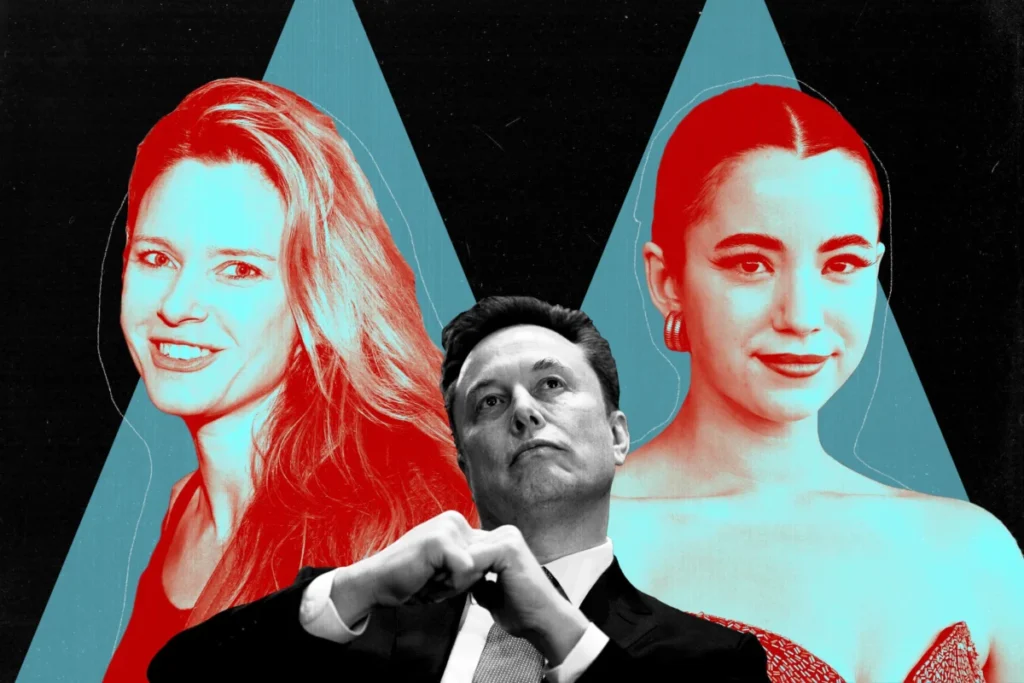
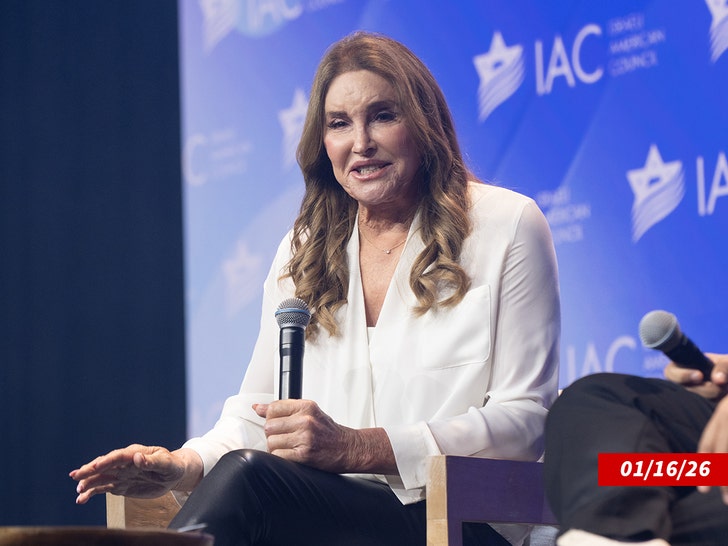
Caitlyn Jenner, the iconic Olympic gold medalist and reality television personality, along with her manager Sophia Hutchins, is facing a substantial class-action lawsuit stemming from the precipitous collapse of the $JENNER meme coin. Filed on May 12, 2026, the explosive 97-page complaint, obtained exclusively by TMZ, alleges that Jenner and Hutchins orchestrated a classic "pump and dump" scheme, misleading investors into a celebrity-fueled crypto cash grab that left many with significant financial losses. The lead plaintiff, Lee Greenfield, claims to have lost over $40,000, asserting that the duo heavily promoted the token as a long-term investment opportunity only to abruptly shift focus, causing its value to plummet by approximately 75% shortly after its launch. This lawsuit shines a harsh spotlight on the burgeoning, yet often volatile, intersection of celebrity endorsement and the speculative world of cryptocurrency, raising critical questions about accountability, investor protection, and the evolving regulatory landscape.
The Volatile Landscape of Meme Coins and Celebrity Endorsements
The backdrop to the $JENNER controversy is the meteoric rise of meme coins, a unique and often bewildering segment of the cryptocurrency market. Unlike traditional cryptocurrencies that aim to solve specific technological problems or facilitate transactions, meme coins are typically born from internet jokes, cultural phenomena, or social media trends. Their value is largely driven by community sentiment, viral hype, and the speculative interest of retail investors, rather than underlying utility or established fundamentals. Projects like Dogecoin and Shiba Inu epitomized this trend, demonstrating how a charismatic online community and enthusiastic promotion could propel a digital asset to astonishing valuations, albeit with extreme volatility. The global meme coin market capitalization has fluctuated wildly, reaching peaks of tens of billions of dollars during periods of intense speculative frenzy, often fueled by social media buzz and celebrity mentions.
This environment created fertile ground for celebrity involvement. Public figures, leveraging their massive social media followings, began endorsing or even launching their own cryptocurrencies, promising fans access to exclusive communities or revolutionary financial opportunities. From sports stars to reality TV personalities, the allure of quick profits and direct engagement with a passionate fanbase proved irresistible. However, this trend has also been fraught with controversy, with several high-profile celebrity-backed crypto projects facing accusations of misleading promotions, unregistered securities offerings, and outright scams. Regulators worldwide have increasingly warned investors about the inherent risks of these highly speculative assets, particularly when promoted by individuals who may not fully understand the complexities or legal obligations involved. The U.S. Securities and Exchange Commission (SEC) and the Federal Trade Commission (FTC) have intensified their scrutiny, issuing guidance and pursuing enforcement actions against celebrities who fail to disclose their compensation for promotions or who engage in fraudulent conduct. The $JENNER lawsuit emerges directly from this turbulent context, echoing broader concerns about transparency and ethical conduct in the digital asset space, especially as the average retail investor’s exposure to crypto continues to grow.
A Chronology of Hype, Pivot, and Precipitous Collapse
The narrative of the $JENNER token, as detailed in the lawsuit, unfolds as a rapid sequence of aggressive promotion followed by an equally swift decline, leaving a trail of disappointed investors. The timeline of events, reconstructed from the complaint, paints a vivid picture of the alleged scheme:
Initial Launch and Aggressive Promotion
According to the complaint, Caitlyn Jenner and Sophia Hutchins initiated an extensive promotional campaign for the $JENNER token in early 2026. This period was characterized by a barrage of social media activity, with Jenner allegedly utilizing her considerable online platform to generate enthusiasm and encourage investment. The lawsuit highlights numerous social media posts and public statements attributed to Jenner, where she reportedly assured followers of her singular focus on the coin’s success. Slogans such as "We’re sending this coin to the moon!!!" became commonplace, tapping into the popular crypto lexicon of exponential growth and speculative optimism.

A particularly striking allegation is the strategic attempt to link the token to Donald Trump and the "Make America Great Again" (MAGA) movement. This move, potentially aimed at attracting a politically aligned investor base, showcased a calculated effort to broaden the coin’s appeal beyond Jenner’s immediate fanbase, leveraging political sentiment to fuel financial interest. The complaint states that screenshots of these promotional tweets and posts, demonstrating the direct nature of Jenner’s engagement with potential buyers and the specific messaging employed, are included as key evidence in the 97-page filing. During this "pump" phase, trading volumes for $JENNER reportedly surged, attracting a significant number of new investors eager to participate in what was presented as a high-potential venture.
The Role of Sahil Arora and Subsequent Fallout
The lawsuit also implicates Sahil Arora, a prominent and often controversial crypto promoter known for his involvement in various meme coin launches, in the initial stages of the $JENNER coin’s launch. Arora’s alleged involvement suggests a professional, if ethically questionable, hand in the project’s early mechanics and market seeding, including potential liquidity provisioning and initial market-making strategies. However, the relationship between Jenner’s team and Arora reportedly quickly soured, leading to a public dispute.
Abrupt Pivot to $BBARK and the 75% Price Crash
The core of the plaintiff’s claim rests on Jenner’s sudden and unexplained pivot. Just days after launching and vigorously promoting $JENNER, the lawsuit alleges that Jenner abruptly shifted her focus to a different cryptocurrency, a token named $BBARK. This sudden change in allegiance sent shockwaves through the $JENNER investor community, many of whom had invested heavily based on Jenner’s explicit assurances of commitment. The market, perceiving a loss of commitment from the primary endorser and a potential abandonment of the project, reacted swiftly and brutally. The value of the $JENNER token cratered, reportedly losing approximately 75% of its value in a very short period, leaving early investors facing substantial losses and a rapidly diminishing asset.
Accusations Against Arora and Continued Promotion
In the immediate wake of the $JENNER collapse, the lawsuit states that accusations surfaced against Sahil Arora, alleging he "pulled money out of the operation" and contributed significantly to its crashing value. Caitlyn Jenner herself reportedly took to social media to blast Arora, publicly labeling him a "scammer." However, a critical point of contention for the plaintiffs is that despite identifying Arora as a scammer in relation to $JENNER, Jenner allegedly continued to promote other versions of the coin, or similar projects, further confusing and potentially misleading investors who might have believed she was rectifying the initial situation or offering a legitimate alternative. This continued engagement, even after acknowledging issues with a key player and the significant losses incurred by $JENNER holders, forms a central pillar of the "misleading investors" claim, suggesting a pattern of behavior rather than an isolated incident.
Sustained Encouragement Amidst Declining Value
Even as the token’s value plunged and questions mounted from the investor community, investors allege that Jenner continued to reassure buyers that the coin was "the real deal" and on the verge of "blowing up." This sustained encouragement, despite the evident market downturn, is portrayed in the lawsuit as a continued effort to maintain investor interest while the value was collapsing. Simultaneously, the lawsuit contends that individuals "behind the scenes" were allegedly profiting from transaction fees and token sales at opportune moments, creating a stark contrast between public promises and internal financial gains. Lee Greenfield, the plaintiff, details his personal loss of over $40,000, attributing it directly to these misleading promotions and the subsequent market crash, emphasizing the significant financial damage allegedly incurred by individuals who trusted the celebrity endorsements. This chronology paints a picture of a volatile, rapidly evolving crypto project where celebrity influence allegedly outweighed investor transparency and due diligence, leaving a trail of financial devastation for many.
The Allegations: Unpacking the "Pump and Dump" Claim
The class-action lawsuit fundamentally accuses Caitlyn Jenner and Sophia Hutchins of engaging in a "pump and dump" scheme, a manipulative practice prevalent in speculative markets, particularly in the less-regulated cryptocurrency space. A typical pump and dump involves artificially inflating the price of an asset through misleading positive statements and hype ("the pump"), only for the perpetrators to then sell off their holdings at the inflated price, causing the price to crash and leaving unsuspecting investors with devalued assets ("the dump"). The 97-page filing meticulously outlines several key allegations supporting this claim:

Misleading Representations and Omissions
The lawsuit asserts that Jenner and Hutchins made direct, unequivocal statements to investors, characterizing the $JENNER token as a serious, long-term investment. Phrases like "solely focused" and promises of the coin going "to the moon" are cited as examples of these representations, which allegedly created a false sense of security and potential for substantial returns. The inclusion of MAGA messaging is presented as a tactic to broaden the appeal and tap into a specific, potentially less crypto-savvy, demographic, thereby expanding the pool of potential investors susceptible to the hype.
Furthermore, plaintiffs argue that Jenner and Hutchins failed to disclose crucial information, constituting material omissions. These omissions include, but are not limited to, the true nature of their involvement, the project’s inherent risks, any compensation received for promotion, and critically, their alleged intent regarding the token’s longevity or any plans for rapid divestment. If, as alleged, the plan was always to quickly pivot or cash out, this constitutes a material omission of fact critical to an investor’s decision-making.
Abrupt Abandonment and Market Manipulation
The sudden pivot to promoting $BBARK just days after the $JENNER launch is central to the "dump" accusation. This abrupt shift, without a clear explanation or strategy for the original token, is presented as an intentional act that directly triggered the 75% price collapse. The timing suggests that the initial promotion was designed to attract maximum liquidity, which was then allegedly abandoned for a new venture, leaving the prior investors stranded with rapidly depreciating assets. This action is framed as a deliberate act of market manipulation, where the defendants allegedly prioritized their own interests over the financial well-being of their followers.
Profiteering from Fees and Sales
The complaint suggests that while public investors were being encouraged to buy, those behind the scenes were allegedly benefiting from transaction fees, initial token allocations, and strategic token sales at opportune moments. This claim points to a potential conflict of interest and a mechanism through which the defendants might have profited significantly at the expense of ordinary investors. Lee Greenfield’s stated loss of over $40,000 serves as a concrete example of the direct financial damage allegedly incurred by individuals who trusted the celebrity endorsements and invested based on what they believed were genuine long-term commitments.
Failure to Mitigate or Rectify
Even after acknowledging the alleged scamming activities of Sahil Arora, a key figure in the initial launch, the lawsuit contends that Jenner’s continued promotion of "other versions of the coin" or similar projects demonstrated a disregard for the financial well-being of those who lost money on $JENNER. This behavior, according to the plaintiffs, further solidified the perception of a pattern of misleading conduct rather than a genuine effort to build a sustainable crypto project or rectify past issues. The lawsuit claims this exacerbated investor confusion and perpetuated the cycle of speculative investment in projects linked to Jenner.
The lawsuit seeks not only the return of investors’ money but also additional damages, which could include punitive damages for alleged fraudulent conduct, designed to punish the defendants and deter similar behavior in the future. The core legal argument will likely revolve around whether the defendants’ actions constitute common law fraud, misrepresentation, or potentially violations of federal and state securities laws, depending on how a court classifies the $JENNER token. The plaintiffs aim to prove that Jenner and Hutchins deliberately induced investments under false pretenses, leading to foreseeable and substantial financial harm.
Legal and Regulatory Ramifications
The class-action lawsuit against Caitlyn Jenner and Sophia Hutchins carries significant legal and regulatory implications, potentially setting precedents for how celebrity crypto endorsements are treated in the future, and shaping the responsibilities of public figures in the digital asset space.
The Class Action Mechanism and Investor Impact
The filing of a class-action lawsuit is crucial because it allows a large group of individuals who have suffered similar harm to collectively seek redress. This mechanism is particularly effective in cases where individual losses, while substantial to the person, might not be large enough to warrant independent litigation, but combined, represent a significant claim. For Jenner and Hutchins, it means facing a unified front of potentially thousands of aggrieved investors, amplifying the legal and financial stakes. A successful class action could result in millions of dollars in damages, forcing the defendants to compensate a broad swath of the investor base.
The "Securities" Question and Regulatory Oversight
A fundamental legal hurdle in many crypto cases is determining whether the digital asset in question constitutes a "security" under U.S. law. If the $JENNER token is deemed a security (e.g., an investment contract under the Howey Test, where investors expect profits from the efforts of others), then its offering and promotion would fall under the purview of the SEC. This could lead to claims of unregistered securities offerings, which carry severe penalties, including fines and disgorgement of profits. While meme coins often try to skirt this classification by emphasizing "community" and decentralization, the allegations of active promotion, explicit promises of profit, and reliance on the managerial efforts of Jenner and Hutchins could strengthen the argument for it being a security. The SEC has a history of pursuing enforcement actions against entities and individuals involved in unregistered securities offerings in the crypto space.
Precedent for Celebrity Accountability
This lawsuit follows a pattern of increasing scrutiny on celebrity crypto endorsements. The SEC, for example, previously charged Kim Kardashian for unlawfully touting a crypto security (EthereumMax) without disclosing she was paid for the promotion, resulting in a $1.26 million settlement. While Kardashian settled without admitting or denying the findings, the case served as a stark warning. The $JENNER lawsuit, if it proceeds to trial or a significant settlement, could further solidify the legal expectation that celebrities are not merely passive promoters but bear a substantial responsibility for the financial products they endorse, especially when those endorsements influence financial decisions. It underscores the principle that influence comes with accountability, particularly in volatile and less-regulated markets. Legal experts suggest that such cases are instrumental in clarifying the boundaries of celebrity endorsements in the digital age.
Potential Defenses and Legal Strategy
Caitlyn Jenner and Sophia Hutchins’ legal team will likely mount a robust defense. Possible arguments could include:
- Lack of Control/Intent: Claiming they were merely public figures endorsing a project, not its developers or managers, and lacked direct control over its technical aspects or market movements. They might argue they were also victims of third-party manipulation.
- Disclaimer of Investment Advice: Asserting that their promotions included explicit disclaimers that they were not providing financial advice, thereby placing the onus of due diligence squarely on investors.
- Market Volatility: Arguing that the crypto market is inherently volatile and that price drops are a common, albeit unfortunate, occurrence not attributable to fraudulent intent on their part.
- Blaming Third Parties: Shifting blame more directly to individuals like Sahil Arora, portraying themselves as victims of a scam rather than orchestrators. However, the lawsuit’s detail about Jenner continuing to promote other versions of the coin after identifying Arora as a scammer could significantly complicate this defense, implying continued participation despite awareness of issues.
Regulatory Environment and Future Enforcement
The outcome of this case could significantly influence how