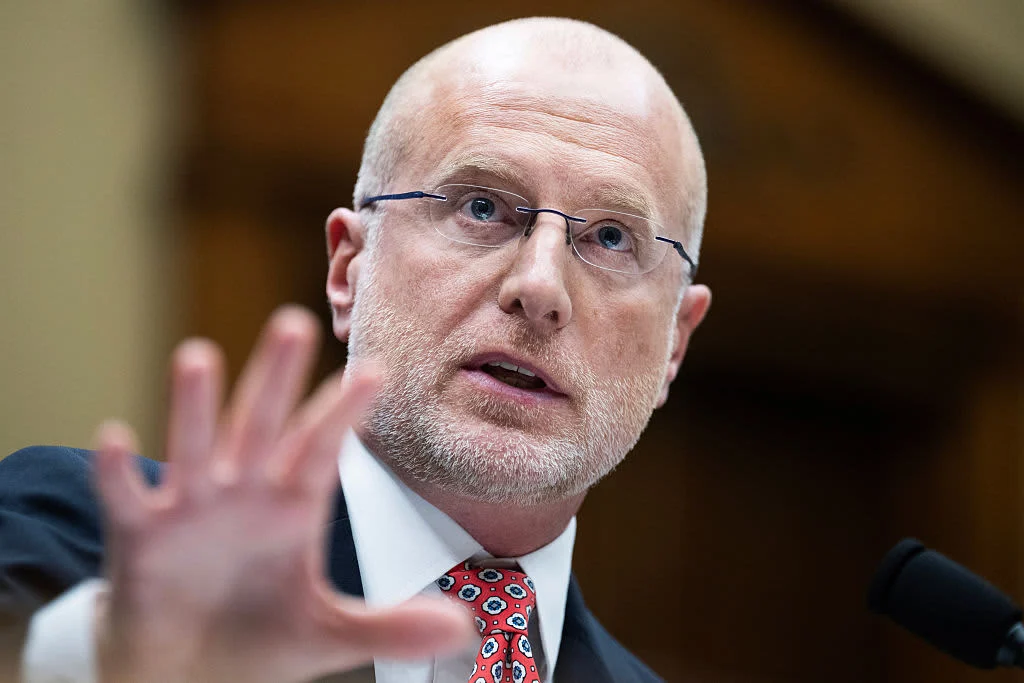
Federal Communications Commission (FCC) Chairman Brendan Carr has provided a significant boost to the proposed merger between Paramount Global and Warner Bros. Discovery (WBD), characterizing the deal as a "cleaner" alternative to previous acquisition attempts and predicting a streamlined regulatory path. Speaking from the sidelines of the Mobile World Congress in Barcelona, Spain, Carr suggested that the consolidation of these two legacy media powerhouses would likely meet with approval "pretty quickly," marking a stark contrast to the skepticism that met Netflix’s earlier pursuit of WBD’s premium assets.
The endorsement from the nation’s top communications regulator comes at a pivotal moment for the media industry, which has been roiled by aggressive consolidation, shifting consumer habits, and intense competition from Silicon Valley tech giants. Carr’s comments reflect a growing sentiment within certain regulatory circles that a merger between two traditional Hollywood entities may be less disruptive to the competitive landscape than the further expansion of a dominant streaming platform like Netflix.
The Regulatory Pivot: Why Paramount Outpaced Netflix
The path to the current Paramount-WBD agreement was paved by the collapse of a competing proposal from Netflix. According to Chairman Carr, the prospect of Netflix acquiring WBD’s studio and streaming divisions raised significant red flags regarding market dominance and consumer choice. "There’s a lot of concerns when Netflix was the potential buyer there," Carr told CNBC. "That particular combination raised a lot of competition concerns."
The primary concern among regulators and industry analysts was the sheer scale of streaming dominance that a Netflix-WBD tie-up would have created. By bringing together Netflix’s massive global subscriber base with the prestige and library of WBD’s HBO Max, the deal threatened to create an entity with unprecedented leverage over both content creators and consumers. Carr noted that Netflix would have faced a "very difficult path" to securing the necessary signatures from federal agencies.
In contrast, the Paramount-Skydance bid is viewed by the FCC as a more traditional horizontal merger that preserves the existing ecosystem of theatrical releases and linear television while scaling up to compete more effectively in the digital age. Carr emphasized that the Paramount deal "is a lot cleaner" and "does not raise at all the same types of concerns" as the Netflix proposal. He further suggested that the merger could yield "real consumer benefits," likely referring to the stabilization of legacy media brands and the continued investment in high-budget content.
Financial Terms and the Evolution of the Deal
The financial architecture of the Paramount-WBD merger is both complex and aggressive. Paramount Skydance recently submitted a revised offer to acquire the entirety of Warner Bros. Discovery at a valuation of $31 per share. This figure represents a notable increase from an initial $30 per share offer and significantly outstrips Netflix’s earlier bid of $27.75 per share.
The WBD board of directors officially deemed the Paramount offer "superior," not only due to the higher share price but also because of the comprehensive nature of the acquisition. While Netflix’s interest was primarily focused on WBD’s production studios and the HBO Max streaming service, Paramount’s bid encompasses the entirety of the WBD portfolio. This includes the "linear" assets—pay TV networks such as CNN, TBS, TNT, and Discovery—which remain significant cash-flow generators despite the decline of traditional cable.
To solidify the agreement and demonstrate confidence in the face of regulatory scrutiny, Paramount has offered a $7 billion breakup fee. This massive financial guarantee would be paid to WBD if the deal fails to gain government clearance. Furthermore, Paramount has already demonstrated its commitment by covering the $2.8 billion breakup fee that WBD owed to Netflix following the cancellation of their previous tentative agreement.
A Timeline of Consolidation: From Skydance to WBD
The current merger is the culmination of a rapid series of shifts in the Hollywood hierarchy. The timeline of events highlights the urgency with which legacy media companies are seeking scale:
- Late 2025: Rumors begin to circulate regarding Netflix’s interest in WBD’s "crown jewels," specifically the HBO library and the Warner Bros. movie studio.
- December 2025: President Donald Trump expresses initial concerns regarding a Netflix-WBD deal, citing market share issues, before later clarifying that the Department of Justice would handle the review.
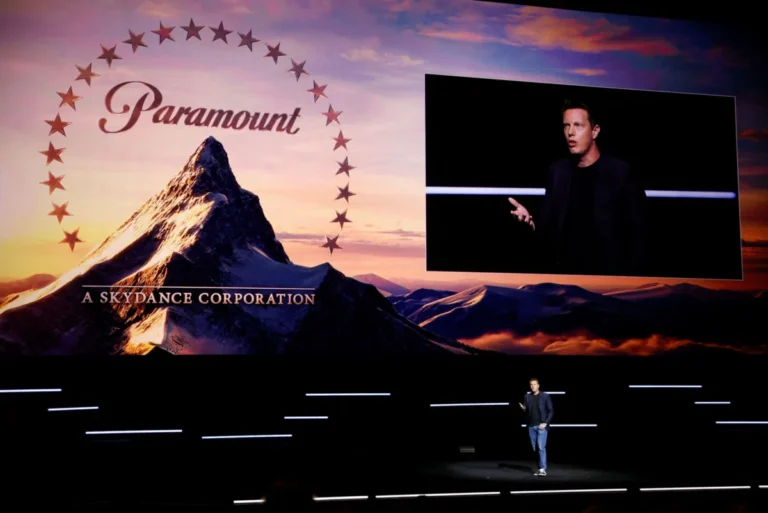
- January 2026: Paramount Global completes its merger with Skydance Media, a move backed by the FCC, which provided the necessary capital and leadership structure for Paramount to become an aggressor in the M&A market.
- February 2026: Netflix makes a formal offer of $27.75 per share. Paramount counters with a $30 per share bid for the whole company.
- Late February 2026: Paramount raises its bid to $31 per share. Netflix withdraws, citing the deal as "no longer financially attractive."
- March 2026: FCC Chairman Brendan Carr publicly signals his support for the Paramount-WBD merger at the Mobile World Congress.
Strategic Integration: Merging HBO Max and Paramount+
One of the most significant consumer-facing aspects of the deal is the planned consolidation of streaming services. Paramount executives have confirmed that upon the completion of the transaction, Paramount+ and HBO Max will be merged into a single, unified platform.

This new service would boast one of the most formidable content libraries in the world, combining the DC Universe, Harry Potter, and HBO’s prestige dramas with Paramount’s Star Trek, Mission Impossible, and Yellowstone franchises, as well as live news from CNN and a massive portfolio of live sports.
Furthermore, in a move aimed at soothing anxieties within the creative community, Paramount has committed to a robust theatrical release schedule. The company plans to release at least 30 films annually—approximately 15 per major studio—reaffirming its commitment to the traditional cinema experience. This commitment was a key differentiator from the Netflix bid, as the streaming giant has historically favored a "digital-first" approach that many in Hollywood fear undermines the theatrical industry.
Political and Antitrust Headwinds
Despite Chairman Carr’s optimistic outlook, the merger is not without its detractors. The deal faces a complex political landscape where "bigness" is increasingly scrutinized by both the left and the right.
Democratic Senator Elizabeth Warren of Massachusetts has emerged as a vocal critic, labeling the Paramount-WBD merger "an antitrust disaster" that threatens to lead to higher prices and fewer choices for American families. Critics of the deal argue that "horizontal consolidation"—the merging of two direct competitors in the same industry—can lead to reduced incentives for innovation and a monopoly on intellectual property.
Paren Knadjian, a partner at advisory firm EisnerAmper, noted that the concentration of intellectual property under one roof is a major point of concern. "What power does that give this new entity in terms of the ability to charge more?" he asked during an interview with CNBC. Knadjian suggested that while the deal may eventually pass, it will likely require "significant concessions," such as the divestiture of certain cable networks or specific licensing requirements to ensure fair competition.
The regulatory process will also involve the Department of Justice (DOJ), which typically focuses on the antitrust implications of such mergers, while the FCC’s role is generally limited to the transfer of broadcast licenses. Since Paramount owns CBS, one of the nation’s major broadcast networks, the FCC’s involvement is guaranteed, though Carr believes their role will be "minimal" given the lack of obvious broadcast-specific conflicts.
The CFIUS Factor and Foreign Investment
A potential "wild card" in the regulatory approval process is the Committee on Foreign Investment in the United States (CFIUS). Paramount’s $31-per-share offer is backed by approximately $24 billion from Gulf state sovereign wealth funds.
Because these funds involve foreign government capital, the deal must undergo a rigorous national security review. CFIUS has the authority to block transactions that it deems a threat to U.S. national security or to impose strict conditions on how the company is managed. While sovereign wealth funds from the Middle East are frequent investors in U.S. real estate and technology, their involvement in a primary news organization like CNN and a major broadcast network like CBS could trigger heightened scrutiny regarding editorial independence and foreign influence.
Broader Industry Implications
The Paramount-WBD merger, if approved, will represent a definitive end to the "streaming at all costs" era and a return to a more integrated media model. By combining news, sports, film, and streaming into a single massive entity, the new Paramount-WBD will attempt to recreate the "moat" that legacy media enjoyed during the height of the cable bundle.
Analysts at Raymond James have noted that the deal is "meaningfully easier" to justify than the Netflix alternative because it maintains the traditional distribution structures that the U.S. government has historically protected. "PSKY’s [Paramount-Skydance] political standing with the current U.S. administration is much stronger than Netflix’s," the analysts wrote, suggesting that the merger is seen as a way to "save" legacy media from being swallowed by big tech.
As the industry watches closely, the success of this merger will likely set the template for future consolidation. If the FCC and DOJ allow the deal to proceed "pretty quickly," as Carr predicts, it may trigger a final wave of M&A activity as the remaining independent players—such as NBCUniversal or Sony Pictures—seek their own partners to survive in a landscape dominated by giants. For now, the momentum lies with Paramount, as it moves to close a deal that could redefine the entertainment world for decades to come.