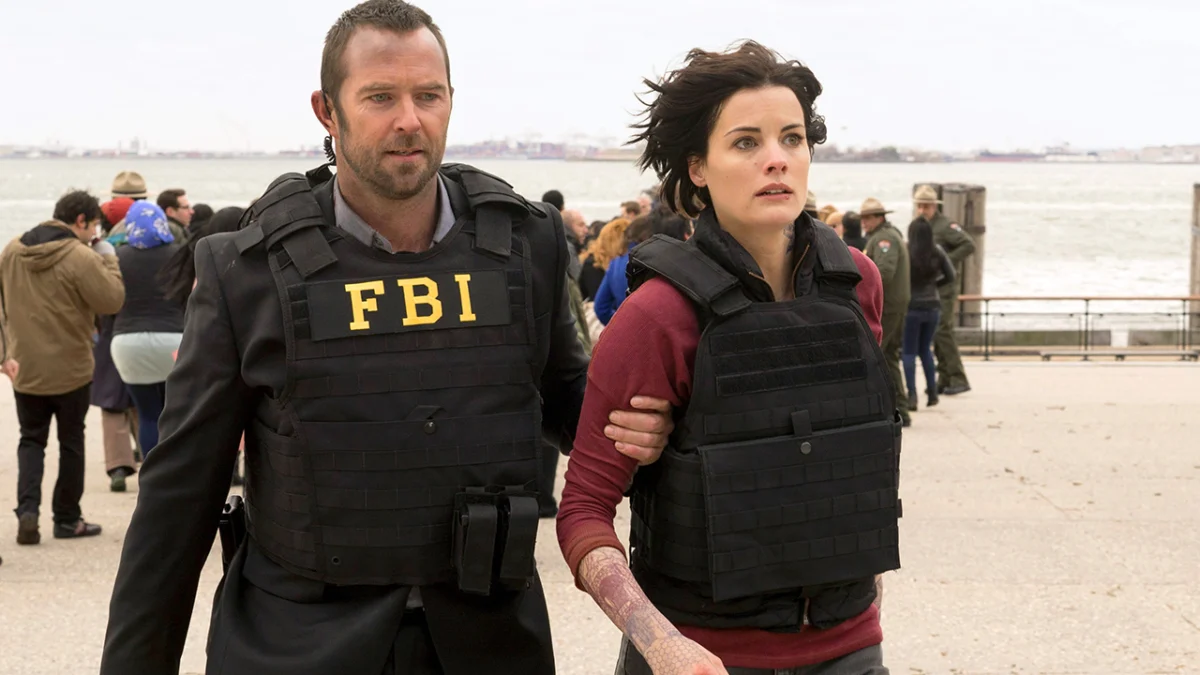
The popular NBC mystery crime drama Blindspot is officially slated to depart Netflix in the United States on June 7th, 2026, marking the conclusion of a highly impactful yet strict one-year licensing window. This move comes after the series experienced a significant resurgence on the streaming platform, captivating millions of viewers and reaffirming the potent "Netflix Effect" for licensed content, despite its relatively brief tenure. The impending removal has prompted discussions among industry observers and fans alike regarding the evolving landscape of content licensing and the strategic maneuvers of major studios in the competitive streaming arena.
The series, which originally aired on NBC from 2015 to 2020, made its Netflix US debut on June 7th, 2025, with all five seasons (a total of 100 episodes) becoming available to subscribers. Its arrival quickly ignited a fervent response, with Blindspot swiftly ascending the Netflix US Top 10 charts, where it remained for an impressive 29 days. This sustained popularity underscored its broad appeal, attracting both a new generation of viewers unfamiliar with the show’s initial run and dedicated fans eager to revisit the intricate narrative. Independent viewership data from Nielsen further solidified its status as a major streaming hit, logging billions of minutes watched and cementing its position as a poster child for the "Netflix Effect," a phenomenon where older, licensed shows find renewed and often unprecedented success on the global streaming giant.
Unraveling the Mystery: Blindspot’s Premise and Original Journey
Blindspot is a high-octane procedural thriller that immediately grabs attention with its compelling premise. The story begins when a mysterious, heavily tattooed woman, later identified as Jane Doe (portrayed by Jaimie Alexander), is discovered naked inside a duffel bag in Times Square, suffering from complete amnesia. Her body is covered in intricate, cryptic tattoos, one of which prominently features the name of FBI agent Kurt Weller (Sullivan Stapleton). As the FBI delves into the enigma of Jane’s identity and the meaning behind her tattoos, they discover that each design holds a clue to a crime they must solve, often with far-reaching implications. The series skillfully blends elements of crime procedural, espionage, and character-driven drama, exploring themes of identity, memory, conspiracy, and redemption.
During its original run on NBC, Blindspot maintained a loyal viewership, particularly in its initial seasons. Premiering to strong ratings in September 2015, it was a solid performer for the network, known for its complex serialized mythology and high-stakes action sequences. While its viewership numbers gradually declined over its five-season run, a common trajectory for broadcast dramas, it cultivated a dedicated fanbase drawn to its unique concept and the chemistry between its lead actors. The show’s creators, led by Martin Gero, crafted an elaborate narrative arc that kept viewers engaged through numerous twists and turns, culminating in a satisfying, if bittersweet, conclusion in July 2020. Despite its consistent performance on linear television, its move to Netflix proved to be a game-changer, demonstrating the platform’s unparalleled ability to reintroduce and amplify content to a vast, global audience.
A "Netflix Effect" Phenomenon: Data-Driven Success
The "Netflix Effect" is a well-documented phenomenon where older television series, upon being licensed to Netflix, experience a massive surge in popularity, often surpassing their original broadcast viewership. Blindspot‘s performance on the platform serves as a prime example of this powerful trend. Although it was a US-only addition and therefore ineligible for Netflix’s Global Top 10 charts, its domestic performance was nothing short of remarkable.
According to Nielsen’s streaming ratings, which track viewership across major platforms, Blindspot consistently ranked among the most-watched titles in the weeks following its Netflix debut. The series accumulated 349.3 million viewing hours, equating to an estimated 23.5 million full views of the entire series. To put this into perspective, such numbers place Blindspot in the upper echelons of licensed content performance on Netflix, rivaling or even exceeding the engagement metrics of some original productions. For instance, in comparable one-year licensing windows, other shows like Suits and Manifest also saw explosive growth, with Suits famously topping Nielsen’s charts for weeks, often with over a billion minutes watched in a single week. While Blindspot‘s total minutes might not have reached the absolute peak of Suits, its sustained presence in the Top 10 for nearly a month indicates robust and consistent engagement from a significant portion of the Netflix subscriber base. This level of viewership for a show that concluded its original run years prior highlights Netflix’s unique capacity to act as a discovery engine and a second life for television series. The accessibility of all seasons for binge-watching, combined with Netflix’s recommendation algorithms, created a perfect storm for Blindspot to find a new, expansive audience.
The Business of Streaming: Warner Bros. Discovery’s Strategic Play
The rapid departure of Blindspot after just one year on Netflix is not an isolated incident but rather a clear manifestation of a broader strategic shift within the streaming industry, particularly concerning Warner Bros. Television (now under the umbrella of Warner Bros. Discovery). In recent years, WBD has adopted a deliberate strategy of licensing some of its valuable library content to Netflix for short, high-impact windows. This approach allows them to capitalize on the "Netflix Effect," leveraging the platform’s immense reach to re-engage audiences and potentially create new fans, without relinquishing long-term control over their intellectual property.
The business rationale behind this strategy is multifaceted. Firstly, it generates significant licensing revenue for WBD, which can be reinvested into original content or used to offset production costs. Secondly, and perhaps more importantly, it serves as a powerful marketing tool for their own streaming service, Max (formerly HBO Max). By exposing shows like Blindspot to millions of Netflix subscribers, WBD creates a renewed buzz around the title. While the show is on Netflix, it attracts attention, new viewers discover it, and existing fans are reminded of its appeal. When the licensing window concludes, the expectation is that a portion of these engaged viewers, particularly those who have become invested in the series or are midway through a binge, will follow the content to its new, permanent home, ideally Max. This "Netflix-as-a-marketing-platform" model allows WBD to drive subscriptions to its proprietary service, enhancing its competitive standing against other major players.
This strategy is evident across several other Warner Bros. titles. Shows like Manifest, which was initially canceled by NBC before finding massive success on Netflix and then being revived by the streamer for a final season, illustrate the power of this exposure. Even after its Netflix run, Manifest eventually returned to Peacock, NBCUniversal’s own platform, and likely saw continued engagement from its newfound fanbase. For Blindspot, while its permanent US streaming home is not yet officially confirmed, the logical destination would be Max, where a significant portion of Warner Bros. Discovery’s extensive content library resides. This move would align with WBD’s overarching goal of consolidating its valuable IP on its flagship platform to maximize subscriber value and retention.
A Chronology of Engagement: From Broadcast to Binge-Watch and Beyond
The journey of Blindspot across the entertainment landscape offers a compelling timeline illustrating the dynamic shifts in content consumption and distribution:
- September 21, 2015: Blindspot premieres on NBC, launching its five-season run as a key part of the network’s fall lineup.
- July 23, 2020: The series concludes its original broadcast run on NBC, airing its final episode after 100 episodes.
- Post-2020: The show likely resided on NBCUniversal’s own platforms (e.g., Peacock, Hulu in its early days) or other smaller licensing deals, but without the widespread accessibility of a major streamer.
- June 7, 2025: All five seasons of Blindspot are licensed to Netflix US, making their debut on the platform for the first time.
- June-July 2025: The series rapidly climbs the Netflix US Top 10 charts, maintaining a strong presence for 29 consecutive days, attracting significant viewership according to Nielsen data. This period solidifies its status as a "Netflix Effect" success story.
- Late 2025 – Early 2026: Viewers continue to discover and binge the series, contributing to its sustained popularity and cementing its value as licensed content. Industry analysts observe the typical one-year window for Warner Bros. titles, anticipating its eventual departure.
- May 2026 (Approx.): Netflix begins displaying removal notices on the Blindspot title page, informing subscribers of its impending departure.
- June 6, 2026: This is designated as the last day for viewers to watch the series on Netflix US.
- June 7, 2026: Blindspot officially departs Netflix in the United States, concluding its one-year licensing agreement.
This timeline highlights the strategic precision with which these licensing deals are often executed, maximizing exposure for a limited period before the content is reclaimed.
Implications for Viewers and the Industry: The Fragmentation of Content
The departure of Blindspot from Netflix, much like that of other popular licensed titles, carries significant implications for both consumers and the broader streaming industry. For viewers, it underscores the increasing fragmentation of content. The era of a single platform serving as a comprehensive library for all desired shows is long gone. Subscribers are now often required to navigate multiple services, each with its own exclusive content and rotating library of licensed titles. This can lead to "streaming fatigue," where users become frustrated by the need to subscribe to numerous platforms, track content availability, and restart subscriptions for specific shows. Those who started Blindspot on Netflix with the expectation of its continued presence may feel a sense of urgency or even disappointment, needing to either accelerate their viewing or seek out its next streaming home.
For the industry, these short-term licensing deals exemplify the intense competition for intellectual property. Content ownership has become paramount, with major studios prioritizing their proprietary streaming services. While licensing to Netflix offers undeniable benefits in terms of exposure and revenue, the long-term goal is to build robust, exclusive libraries that differentiate their platforms. This trend suggests a future where content moves more frequently between services, creating a more dynamic but potentially more confusing landscape for consumers. It also reinforces Netflix’s role as a powerful launchpad for content, even for shows it doesn’t own. The ability to generate such massive viewership for licensed titles gives Netflix considerable leverage in negotiating future deals, even as studios become more guarded with their most valuable assets.
What Lies Ahead? The Search for a New Home
As Blindspot prepares to exit Netflix, the question of its next streaming destination in the US remains open. Given its Warner Bros. Television origins, the most logical and likely candidate for its permanent home is Max. Consolidating its library on Max would allow Warner Bros. Discovery to leverage the show’s established fanbase and its renewed popularity from the Netflix run to attract and retain subscribers. However, until an official announcement is made, its future remains speculative. It is not uncommon for older shows to circulate between various platforms or even remain without a primary streaming home for a period, depending on licensing agreements and strategic priorities. The expectation is that WBD will eventually bring the series home to Max, where it can contribute to the platform’s overall value proposition.
For viewers currently engrossed in the intricate world of Blindspot, the impending deadline serves as a clear call to action. With 100 episodes spanning five seasons, completing the entire series before June 7th, 2026, will require diligent binge-watching. The departure of Blindspot from Netflix US is more than just a content removal; it is a microcosm of the larger shifts and strategic maneuvers defining the modern streaming ecosystem, where content ownership, viewer engagement, and platform exclusivity are continually reshaping how and where we consume our favorite shows.