
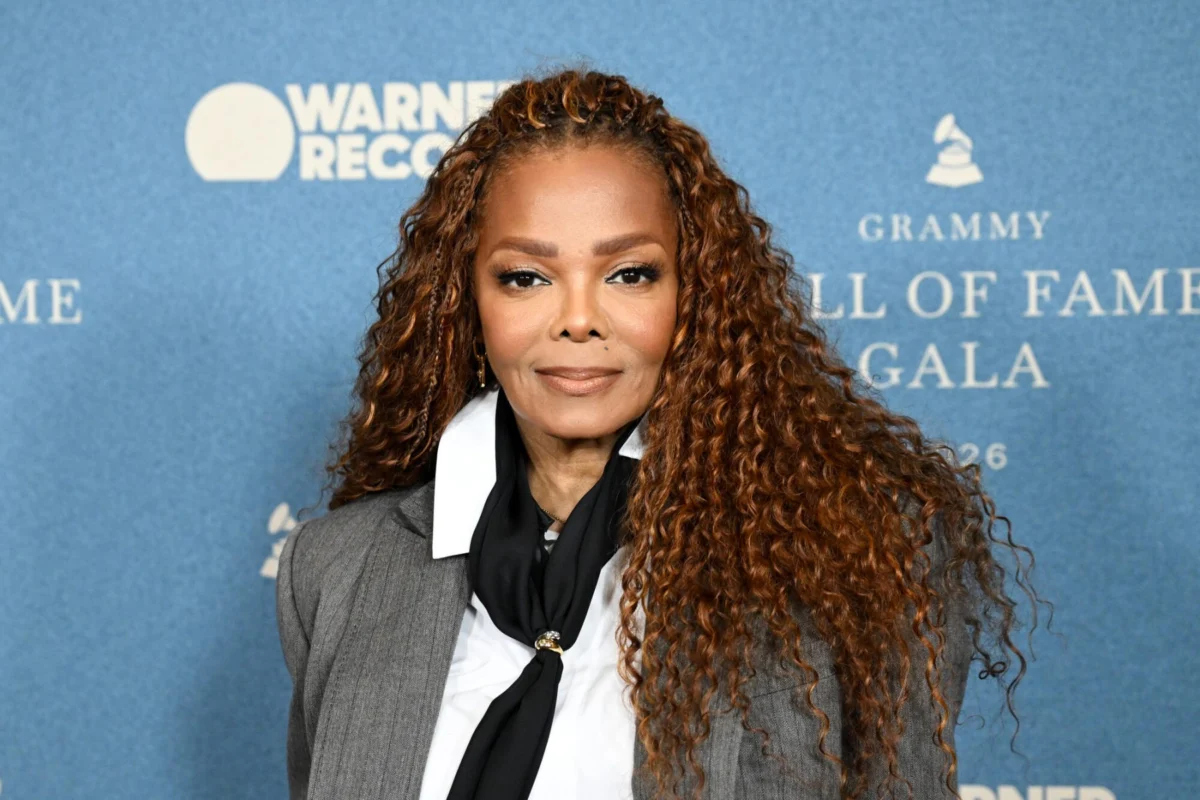
The third annual Grammy Hall of Fame Gala, held at the prestigious Beverly Hilton Hotel in Beverly Hills, California, on Friday, May 8, 2026, proved to be a vibrant testament to the enduring power and broad spectrum of recorded music. The event, which honors groundbreaking recordings that have demonstrated significant historical significance and influence, featured a diverse and eclectic program, mirroring the varied nature of the works inducted into this esteemed category. Broadcast journalist Anthony Mason returned as host, guiding the audience through an evening that celebrated fourteen newly enshrined recordings, with seven of these receiving the spotlight of live performance.
A Symphony of Genres and Generations
The Grammy Hall of Fame’s selection process has always been characterized by its commitment to inclusivity across genres and eras, a principle that was vividly embodied by the performances at the 2026 gala. The evening’s musical tapestry ranged from the operatic grandeur of Josh Groban’s rendition of "Brucia La Terra," the evocative Sicilian-language theme from The Godfather, to the raw, psychedelic energy of Funkadelic. George Clinton, the visionary mastermind behind Funkadelic, took the stage with Erykah Badu and guitarist Blackbyrd McKnight, delivering powerful performances of "Maggot Brain" and "Can You Get to That," two seminal tracks from the group’s 1971 masterpiece, Maggot Brain. This juxtaposition of classical interpretation and pioneering funk underscored the Hall of Fame’s mission to recognize music that transcends temporal and stylistic boundaries.
The live performances showcased a dynamic interplay between artists performing their own inducted works and those offering interpretations of classics. Heart, a band whose influence on rock music is undeniable, performed selections from their own Hall of Fame-inducted catalog. Similarly, Lucinda Williams, a celebrated singer-songwriter known for her distinctive blend of country, folk, and blues, honored a significant recording from her discography. George Clinton’s performance also served a dual purpose, celebrating both his own induction and that of Funkadelic.
A Tribute to Legacy and Influence
Beyond the direct performances of inducted works, the gala also highlighted the power of artistic lineage through inspired covers. The a cappella ensemble Take 6 delivered a soulful rendition of the Soul Stirrers’ 1951 gospel anthem, "Jesus Gave Me Water," a performance that resonated with the spiritual depth of the original. Taylor Hanson, carrying the musical torch of his family, paid homage to the introspective genius of Nick Drake with a performance of "Pink Moon," the title track from the British folk artist’s 1972 album. In a poignant tribute to Latin music icon Selena, Isabel Marie captivated the audience with her rendition of "No Me Queda Mas," a beloved track from Selena’s 1994 album, Amor Prohibido. These performances not only celebrated the inducted recordings but also introduced them to new generations of listeners, ensuring their continued cultural relevance.
Honoring Innovation and Impact
The 2026 gala also provided a platform to recognize individuals and entities that have profoundly shaped the music landscape. Norah Jones, a Grammy Award-winning artist known for her soulful blend of jazz, pop, and country, was honored with the Ray Charles Architect of Sound Award. Her performance included a two-song set that showcased her distinctive vocal and instrumental talents. In a special tribute to Warner Records, the label was recognized as the year’s honoree. As part of this acknowledgment, Teddy Swims and Josh Groban each delivered two-song performances, celebrating the label’s significant contributions to music history.
The thirteen additional recordings inducted into the Grammy Hall of Fame in 2026, though not all featured with live performances, represent a broad spectrum of musical achievement. These include:
- 2Pac’s seminal 1996 album, All Eyez on Me, a landmark in West Coast hip-hop that solidified his legacy as one of the genre’s most influential figures.
- Radiohead’s critically acclaimed 1997 album, OK Computer, a work lauded for its experimental soundscapes and profound lyrical themes, which redefined alternative rock.
- Eric B. & Rakim’s 1987 debut album, Paid in Full, a foundational text in hip-hop, celebrated for its intricate lyricism and innovative production.
- Alice Coltrane’s 1971 album, Journey in Satchidananda, a spiritual and meditative work that explored jazz, Eastern philosophy, and devotional music.
- The Rouse Brothers’ instrumental folk standard, "Orange Blossom Special," a fiddle tune that has become a staple of bluegrass and country music since its initial recording.
- Bertha "Chippie" Hill’s powerful 1926 blues recording, "Trouble in Mind," a classic performance that epitomizes the raw emotion and storytelling of early blues.
The comprehensive list of inductees for 2026 underscores the Recording Academy’s dedication to acknowledging the diverse threads that weave together the rich fabric of musical history. From the storytelling of blues and folk to the lyrical dexterity of hip-hop and the innovative spirit of rock and funk, each induction represents a significant contribution to the cultural lexicon.
Production and Musical Direction
The seamless execution of the third annual Grammy Hall of Fame Gala was a testament to the collaborative efforts of a seasoned production team. The show was produced by former Grammy Awards executive producer Ken Ehrlich, a figure renowned for his extensive experience in orchestrating large-scale musical events. He was joined by Ron Basile, Chantel Sausedo, and Lynne Sheridan, who brought their collective expertise to bear. The musical direction was helmed by Cheche Alara, a composer, producer, and conductor who has earned multiple Grammy and Latin Grammy Awards, ensuring a high caliber of musical performance throughout the evening.
The Significance of the Grammy Hall of Fame
Established in 1973, the Grammy Hall of Fame is a special merit award presented by the Recording Academy to recordings that have "long-standing historical significance or qualitative or historical significance." To be eligible, recordings must be at least 25 years old and must have made a significant impact on the cultural, artistic, and historical aspects of music. The annual induction ceremony and gala serve as a crucial platform to celebrate these enduring works, educate the public about their importance, and ensure their legacy is preserved for future generations.
The 2026 inductions continue a tradition of recognizing a wide array of musical genres, including pop, rock, R&B, hip-hop, jazz, blues, country, classical, gospel, and children’s music. This broad scope ensures that the Hall of Fame reflects the multifaceted nature of music’s evolution and its pervasive influence on society. The gala, in particular, transforms this recognition into a vibrant celebration, bringing together artists, industry professionals, and music enthusiasts to honor the soundtracks that have shaped our lives.
Analysis and Broader Impact
The annual Grammy Hall of Fame Gala serves a dual purpose: it acts as a prestigious awards ceremony and a vital educational platform. By spotlighting these iconic recordings, the event encourages deeper engagement with music history. For artists performing covers, it represents an opportunity to connect with the roots of their own creative endeavors and to introduce classic material to a new audience. For the inducted artists and their estates, it is a profound acknowledgment of their lasting contributions.
The inclusion of a diverse range of artists and genres in the 2026 inductions, from the foundational blues of Chippie Hill to the genre-bending sounds of Funkadelic and the lyrical prowess of 2Pac, signals a continued commitment by the Recording Academy to a comprehensive understanding of musical heritage. This broad approach not only enriches the Hall of Fame itself but also provides a valuable resource for scholars, educators, and music lovers seeking to understand the evolution of popular music. The event’s production, featuring a blend of iconic figures and contemporary artists, further solidifies the notion that musical legacy is a continuous dialogue between past, present, and future. The presence of Warner Records as a label honoree also underscores the vital role of the music industry in nurturing and disseminating these significant works.
The Beverly Hilton, a venue synonymous with Hollywood glamour and prestigious events, provided an elegant backdrop for an evening that celebrated the enduring power of music. As the lights dimmed and the final notes of the performances faded, the 2026 Grammy Hall of Fame Gala left attendees with a renewed appreciation for the recordings that have not only defined eras but continue to inspire and resonate across generations. The event served as a powerful reminder that the songs and albums inducted into the Hall of Fame are more than just music; they are cultural artifacts that tell the story of our shared human experience.