


The latest installment in the highly anticipated Mortal Kombat film franchise, "Mortal Kombat II," has arrived, and with it comes a deep dive from the critically acclaimed Next Best Picture Podcast. Hosted by Matt Neglia, the podcast features esteemed film critics Josh Parham, Cody Dericks, and Will Mavity, who convened this week to dissect and debate the merits of the new action-packed sequel. The discussion, presented in a spoiler-filled format, delves into the film’s explosive action sequences, its characteristic bloody fatalities, the performances of its ensemble cast, and the narrative progression of this inter-dimensional saga.
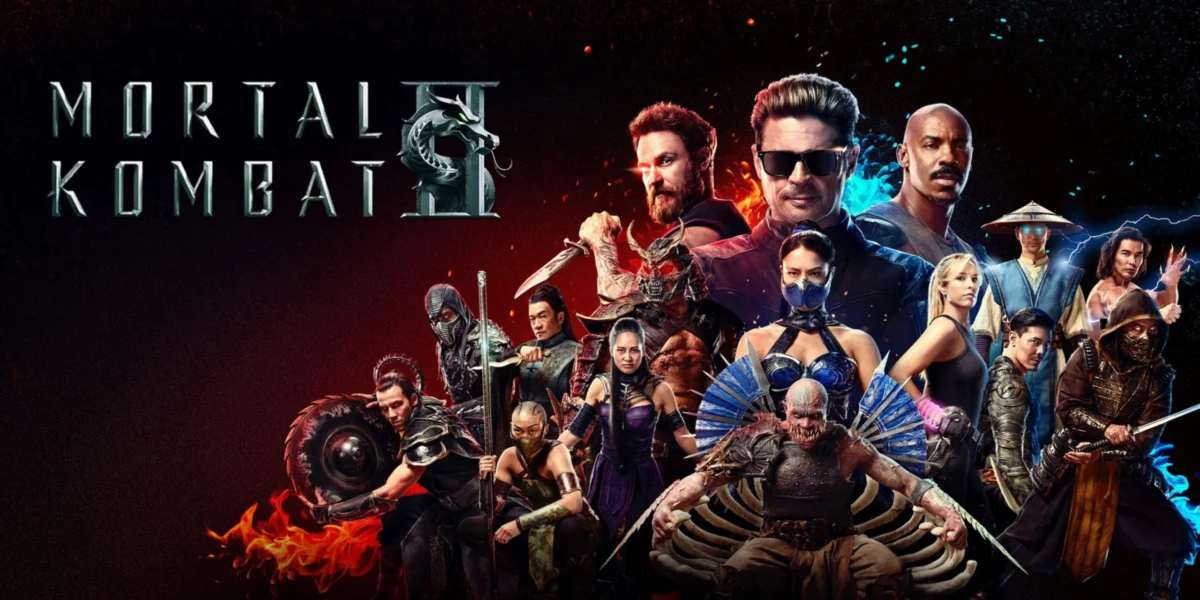
"Mortal Kombat II" marks the fourth theatrical outing for the iconic video game franchise and serves as a direct follow-up to the 2021 reboot, "Mortal Kombat." The film’s narrative thrust centers on the introduction of the charismatic Johnny Cage, portrayed by Karl Urban, who joins Earthrealm’s champions in their ongoing battle against the formidable warriors of Outworld. Their objective: to thwart the tyrannical rule of Emperor Shao Kahn and prevent the subjugation of their realm. The plot further intertwines with the crucial assistance of Princess Kitana of Edenia, adding a layer of political intrigue and lineage to the conflict.
The Next Best Picture Podcast’s review format is designed to offer listeners a comprehensive analysis, moving beyond simple plot summaries to explore the finer details that contribute to a film’s overall impact. The inclusion of Parham, Dericks, and Mavity, each with their distinct critical perspectives and extensive knowledge of the genre, promises a robust examination of "Mortal Kombat II." Their collective expertise allows for a nuanced discussion that touches upon the film’s technical achievements, its thematic resonance, and its faithfulness to the source material that has captivated gamers for decades.
Franchise Legacy and the Evolution of "Mortal Kombat" Films
The "Mortal Kombat" film series has a storied, albeit complex, history. The original 1995 film, directed by Paul W.S. Anderson, achieved significant commercial success and is often lauded for its pioneering approach to adapting video game narratives for the big screen. It successfully captured the essence of the game’s martial arts action and distinctive characters, setting a high bar for subsequent adaptations. The 1997 sequel, "Mortal Kombat: Annihilation," however, is widely regarded as a critical and commercial disappointment, often cited for its rushed narrative and subpar special effects.
The 2021 reboot aimed to revitalize the franchise, focusing on a new origin story for the protagonist, Cole Young, and incorporating a more grounded and brutal aesthetic. While it garnered mixed reviews, it laid the groundwork for a more expansive universe, setting the stage for the events of "Mortal Kombat II." This latest installment has the opportunity to build upon the established lore and character dynamics, introducing new fan favorites and deepening the existing conflicts. The presence of Karl Urban as Johnny Cage is a particularly noteworthy addition, given Urban’s proven track record in action-oriented roles and his ability to imbue characters with both gravitas and humor.
Key Cast Additions and Character Dynamics
"Mortal Kombat II" boasts an impressive cast that includes Adeline Rudolph as Kitana, Jessica McNamee as Sonya Blade, Josh Lawson as Kano, Ludi Lin as Liu Kang, Mehcad Brooks as Jax, Tati Gabrielle as Jade, Lewis Tan as Kung Lao, Damon Herriman as Quan Chi, Chin Han as Shang Tsung, Tadanobu Asano as Raiden, Joe Taslim as Sub-Zero, and Hiroyuki Sanada as Scorpion. The ensemble nature of the film suggests a focus on the interconnectedness of these characters and their roles in the impending tournament.
The introduction of Johnny Cage, a character known for his cocky demeanor and martial arts prowess, is a significant plot point. His integration into the Earthrealm team, presumably after a period of isolation or non-involvement, will likely add a new dynamic to their strategies and interpersonal relationships. The podcast review’s emphasis on acting performances will undoubtedly explore how these actors navigate their roles, particularly in portraying iconic characters with established fan bases and expectations. The chemistry between the ensemble cast, especially in the context of high-stakes combat and narrative development, will be a crucial element to assess.
The "Bloody Kills" and the Spectacle of Mortal Kombat
A defining characteristic of the "Mortal Kombat" franchise, both in its video game and film iterations, is its unapologetic embrace of violence and its signature "fatalities." These gruesome finishing moves are not merely acts of aggression but are integral to the spectacle and the lore of the tournament. The podcast’s specific mention of "bloody kills" indicates that "Mortal Kombat II" adheres to this tradition, aiming to deliver the visceral thrills that fans expect.

The effectiveness of these violent sequences often hinges on the choreography, the visual effects, and the overall directorial vision. For a film like "Mortal Kombat II," the execution of these brutal moments can be the difference between gratuitous gore and compelling action. The review will likely examine whether the film manages to balance its violent content with narrative coherence and character development, or if it leans too heavily into shock value. The success of such sequences can also be measured by their impact on the overall pacing and tension of the film, contributing to the emotional stakes of the battles.
Narrative Structure and Thematic Underpinnings
Beyond the action and violence, the podcast’s discussion of the "story" suggests a deeper engagement with the film’s plot and thematic elements. The "Mortal Kombat" universe is rich with lore, exploring themes of destiny, power, sacrifice, and the eternal conflict between good and evil. The inter-dimensional tournament serves as a narrative device to bring together diverse characters and force them to confront their limitations and their true potential.
The film’s success in crafting a compelling narrative will likely depend on its ability to weave together the individual character arcs with the overarching plot of Shao Kahn’s conquest. The introduction of Princess Kitana and her potential role in challenging Shao Kahn’s authority adds a political dimension that could elevate the story beyond simple brawls. The podcast’s analysis will likely address whether the film provides adequate character motivations, logical plot progression, and a satisfying resolution to the immediate conflicts presented.
The Podcast’s Role in Film Criticism
The Next Best Picture Podcast, as a platform, has established itself as a reliable source for in-depth film analysis. By providing a dedicated review of "Mortal Kombat II," the podcast contributes to the ongoing conversation surrounding the film’s reception and its place within the broader landscape of action and genre cinema. The format, featuring multiple critics, allows for a multifaceted perspective, acknowledging that different viewers will respond to the film in various ways.
The podcast’s affiliation with the Evergreen Podcasts Network further amplifies its reach and accessibility. Listeners can engage with the review through various podcast platforms, ensuring that the critical discourse surrounding "Mortal Kombat II" is readily available. The invitation for listeners to subscribe, review, and support the podcast on Patreon underscores the growing importance of independent film criticism in shaping audience perception and fostering a community of film enthusiasts.
Broader Implications for the Franchise
The performance of "Mortal Kombat II" is not just a measure of its individual success but also a crucial indicator of the future trajectory of the "Mortal Kombat" film franchise. A positive reception and strong box office performance could pave the way for further sequels, allowing for the exploration of an even wider array of characters and storylines from the expansive video game universe. Conversely, a lukewarm reception might necessitate a reevaluation of the franchise’s direction.
The success of films like "Mortal Kombat II" also has implications for the broader trend of video game adaptations in Hollywood. As studios continue to invest heavily in bringing beloved gaming properties to the big screen, the critical and commercial reception of each new adaptation serves as a valuable case study. The ability of "Mortal Kombat II" to satisfy both long-time fans of the games and a broader cinematic audience will be a key factor in its overall impact.
The Next Best Picture Podcast’s comprehensive review of "Mortal Kombat II" provides a valuable resource for anyone seeking to understand the film beyond its surface-level action. By examining the performances, the narrative, and the franchise’s legacy, Neglia, Parham, Dericks, and Mavity offer a critical perspective that contributes to the ongoing dialogue about the film’s merits and its place in contemporary cinema. The spoiler-filled nature of the review ensures that the discussion is thorough and uninhibited, offering honest insights into what makes this installment of "Mortal Kombat" tick, or perhaps, falter. The engagement with the film’s explicit "bloody kills" and the introduction of key characters like Johnny Cage highlight the specific elements that fans of the franchise will be eager to hear dissected, making the podcast a vital stop for those invested in the world of Mortal Kombat.