

The release of Aion 2 marks a significant milestone in the South Korean massively multiplayer online (MMO) genre, bringing a refreshed focus on player agency and high-fidelity aesthetic customization. Developed by NCSoft, the title serves as a direct successor to the original Aion, which debuted in 2008 and garnered a massive international following for its unique flight-based combat and faction-driven world-building. With the launch of Aion 2, the developer has pivoted toward a more expansive, action-oriented combat system, while retaining the complex, granular character creation tools that have long been a hallmark of the studio’s design philosophy.
A Chronology of the Aion Franchise
The Aion franchise has undergone several transformations since its inception. The original game, Aion: The Tower of Eternity, was a landmark release in the late 2000s, utilizing the CryEngine to deliver visuals that were, at the time, industry-leading. Following its transition to a free-to-play model in 2012, the franchise saw a period of steady updates and expansions.
Aion 2 was first teased in late 2018, initially conceptualized as a mobile-first experience. However, following extensive feedback and shifting market trends, the development team transitioned the project into a cross-platform title, designed to offer a cohesive experience across both PC and mobile devices. This shift necessitated a significant overhaul of the game’s engine and user interface. After several years of development, beta testing phases in the Asian market, and a series of technical refinements, the title has officially launched, positioning itself as a high-stakes contender in a crowded MMO market that currently includes heavy hitters like Final Fantasy XIV, World of Warcraft, and Lost Ark.
The Technical Complexity of Character Customization
At the heart of the Aion 2 experience is its character creator, which offers a level of depth rarely seen in contemporary titles. Data from early adopters suggests that the toolset allows for thousands of potential permutations, utilizing a slider-based interface that controls facial structure, musculature, and proportional distribution.
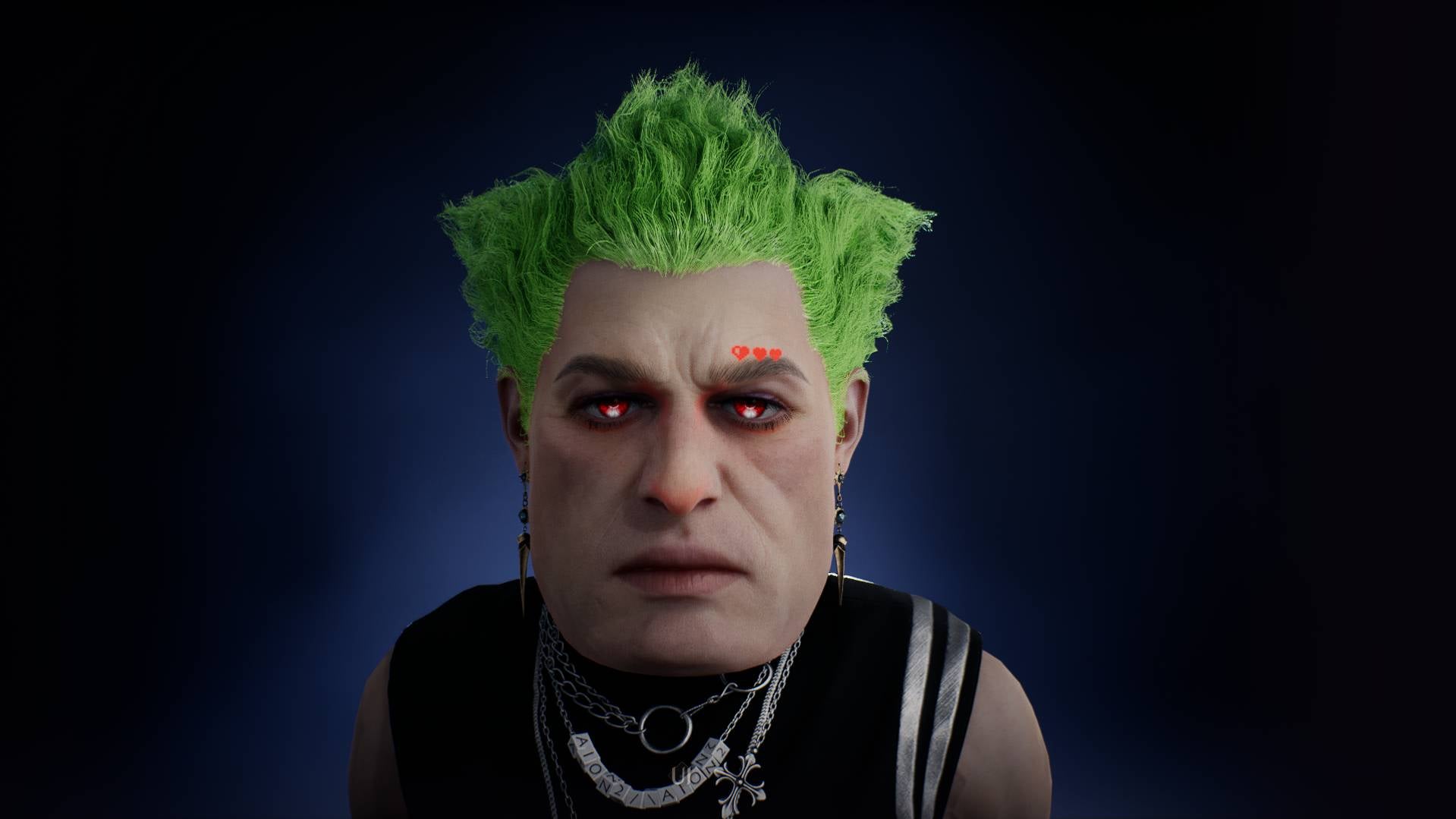
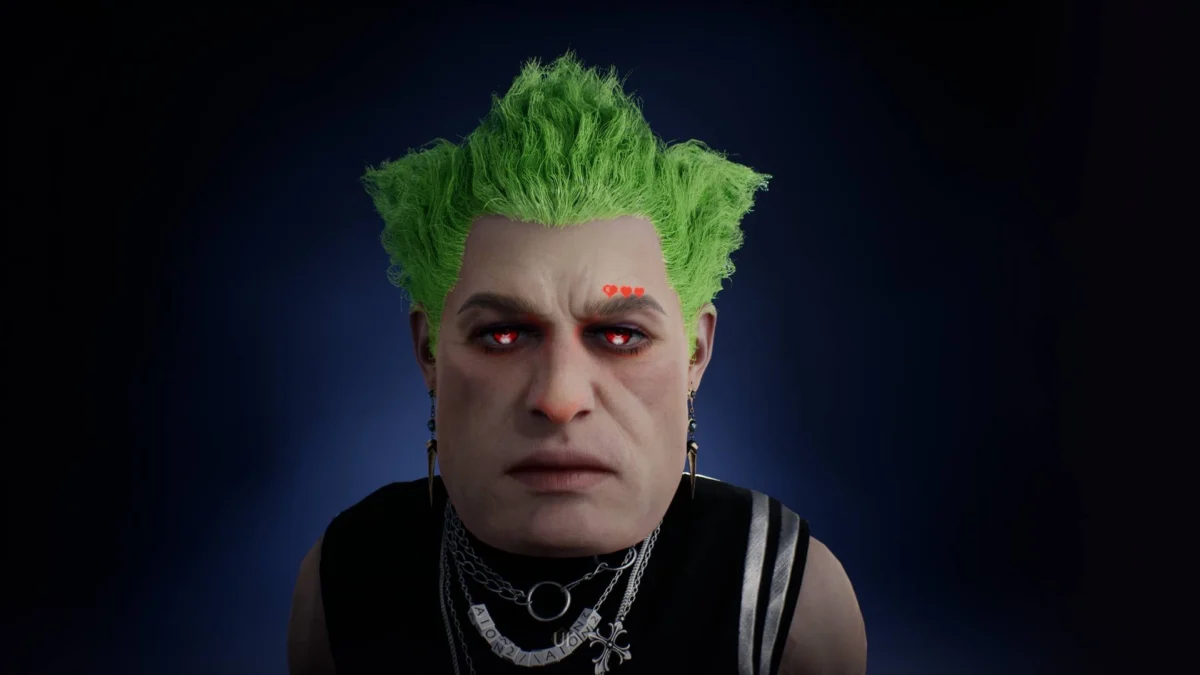
From an analytical perspective, this depth serves a functional purpose within the game’s ecosystem. By allowing for extreme variances in character stature—ranging from hyper-realistic, idealized warriors to eccentric, smaller-statured models—the developer provides players with distinct visual identities. This is particularly relevant in an MMO environment, where thousands of players occupy the same digital space; being able to distinguish one’s avatar from the masses is a core driver of player engagement and, by extension, digital microtransaction revenue.
Industry analysts note that character creation has become a vital metric for player retention. Studies on user behavior in Asian MMOs indicate that players who spend more than 30 minutes in the character creation suite are statistically more likely to maintain a long-term subscription or engage with the game’s marketplace. Aion 2 leverages this by providing not just sliders, but also an array of diverse assets—including irregular hairstyles, unconventional skin tones, and eccentric facial markings—that encourage creative expression.
Economic and Gameplay Implications
The monetization strategy of Aion 2 relies heavily on "aesthetic utility." Players are provided with a robust base game, but the ability to further distinguish their characters through premium cosmetics, such as specialized streetwear, accessories, and unique mounts, represents a significant portion of the game’s revenue model.
Reports from the initial week of launch indicate a high uptake in these cosmetic items. The inclusion of "pets" that serve both as companions and transportation mounts adds a layer of depth to the gameplay. These mounts are not merely functional; they are subject to the same level of customization as the player characters. For example, the "Krall Laborer" mount—a humanoid creature—is frequently cited in community discussions for its utility in navigating the game’s vast, open-world environments. The synergy between a character’s physical stature and the movement mechanics of their mount demonstrates a thoughtful approach to game design; smaller characters often exhibit different animation sets when traversing difficult terrain, such as vaulting over obstacles, which adds a sense of "game feel" that differentiates the experience for various player archetypes.
Market Context and Developer Strategy
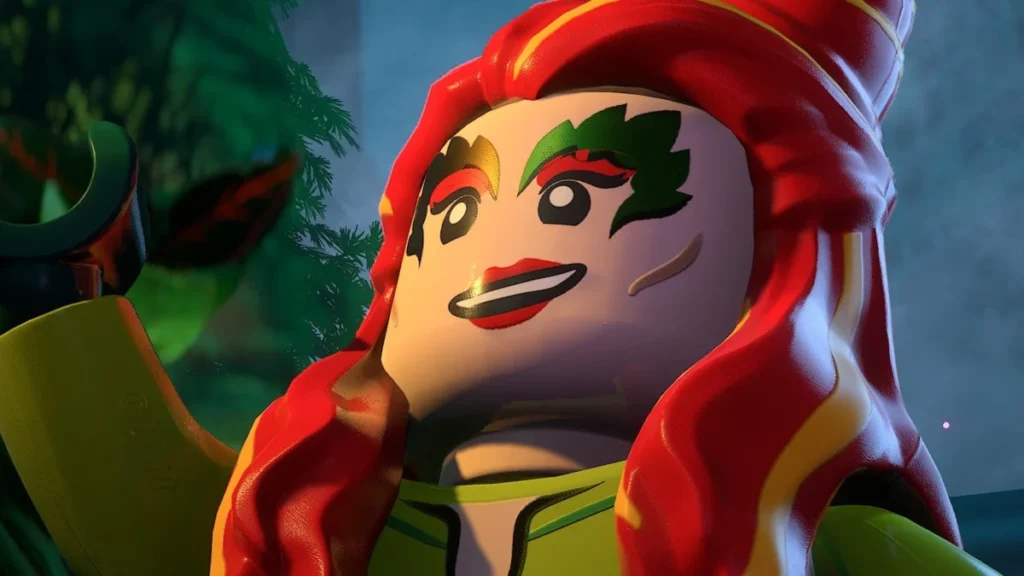
NCSoft has maintained a relatively low profile regarding the specific narrative beats of Aion 2, opting to focus marketing efforts on the game’s mechanical fluidity and visual fidelity. The narrative, while serviceable, plays a secondary role to the emergent storytelling created by the players themselves. By providing a "blank canvas" approach to character design, the developer encourages players to define their own roles within the world, whether they choose to adhere to the high-fantasy aesthetic or subvert it with bizarre, stylized avatars.
_Lhcn1IN.png)
Industry experts suggest this strategy is a response to the "theme park" style of MMOs that have dominated the last decade. By allowing for a higher degree of friction—where a character’s appearance might look incongruous with the game’s serious, high-stakes cinematic sequences—the developers are effectively allowing players to "break" the game’s immersion in a way that is satisfying and personal. This creates a stronger emotional connection to the avatar, which often translates to higher brand loyalty.
Broader Industry Trends
The success of Aion 2’s customization suite highlights a broader trend in the gaming industry: the democratization of high-end design tools. As hardware capabilities have increased, developers have shifted from offering static presets to providing generative, highly granular tools. This reflects a transition from traditional "hero" archetypes toward a more personalized, player-driven narrative experience.
Furthermore, the integration of cross-platform play remains a critical hurdle for many developers. Aion 2’s ability to maintain high-fidelity graphics and deep customization on both mobile and PC suggests that the technical barriers that once hindered such ambitious projects are slowly being dismantled. The game’s ability to render complex character models while maintaining smooth frame rates during high-action combat is a testament to the optimization efforts performed by the technical team.
Conclusion and Future Outlook
As the Aion 2 community continues to grow, the focus will likely shift from initial character creation to long-term endgame content. The challenge for the developers will be to maintain the balance between the "serious" narrative tone of the world and the "silly" or unconventional aesthetics chosen by a significant portion of the player base.
Ultimately, Aion 2 serves as a case study for modern MMO development. It demonstrates that while core gameplay pillars like combat and progression remain essential, the psychological value of self-expression—even in the form of "silly" or unconventional character builds—is a powerful tool for community building. Whether players are seeking the traditional hero fantasy or something entirely unique, the tools provided in Aion 2 offer a level of creative freedom that ensures every player can find their own place within the game’s expansive, evolving world. As the title moves out of its launch window, industry observers will be watching to see how the developer updates these systems to accommodate the evolving demands of an increasingly diverse player base.