


The gaming landscape in the second quarter of the year has been characterized by a significant intersection of long-awaited sequels, the enduring legacy of massive multiplayer online games, and the resurgence of high-fidelity portable experiences. As of May 9, player engagement data and anecdotal reports indicate a shift toward titles that prioritize depth of content and mechanical precision. From the iterative brilliance of Supergiant Games’ latest offerings to the persistent, decades-long allure of Jagex’s foundational RPGs, the industry is witnessing a unique period where modern hardware capabilities are being utilized to refine classic gameplay loops. This report examines the current state of player interaction with several key titles, analyzing the mechanics of player retention and the technical advancements defining the current generation of play.
The Iterative Depth of Hades 2 and the Evolution of Roguelike Design
Supergiant Games has historically been recognized for its ability to blend narrative cohesion with tight, responsive combat. With the release of Hades 2, the studio has moved beyond the foundational success of its 2020 predecessor, which garnered numerous "Game of the Year" awards and sold over one million copies during its early access period alone. The sequel, currently being explored by players on next-generation platforms such as the purported Switch 2, demonstrates a sophisticated understanding of player persistence.
The design philosophy of Hades 2 has been described by industry analysts as a "pass the parcel" model of content delivery. Unlike many titles that front-load their most engaging features, Hades 2 utilizes a layered approach where significant narrative beats and character introductions are sequestered behind dozens of hours of gameplay. This strategy serves two purposes: it prevents mechanical fatigue and rewards the high-skill ceiling inherent to the roguelike genre. By withholding content until the mid-to-late game, Supergiant ensures that the "grind" associated with repeated runs remains fresh.
Furthermore, the game’s success lies in its "generosity." While many sequels struggle to justify their existence beyond graphical upgrades, Hades 2 expands the scope of the original by introducing complex systems that interact with the player’s accrued knowledge. This symbiosis between the game-maker’s study of player behavior and the player’s study of the game’s systems represents a pinnacle of modern indie-to-mid-tier development.
High-Velocity Combat and the Technical Demands of Saros
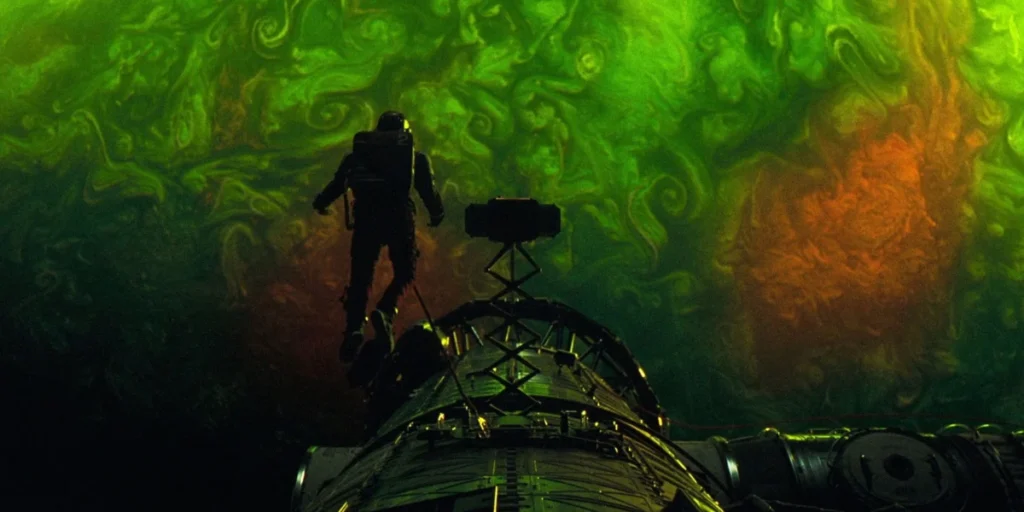
On the PlayStation 5, the title Saros has emerged as a counterpoint to the slower, narrative-heavy experiences that have dominated the platform’s recent release calendar. In contrast to titles like Replaced, which emphasize atmosphere and methodical pacing, Saros focuses on "zippy" movement and high-stakes environmental interaction. Players have reported a steep learning curve, characterized by frequent character death—a hallmark of the "masocore" or high-difficulty action subgenres.
The gameplay loop of Saros involves navigating through hostile planetary environments, specifically the setting of Carcosa, using a series of colored orbs to maintain momentum. This requires not only fast reflexes but also a high degree of spatial awareness. The technical performance on the PS5 is critical here; the console’s ability to maintain high frame rates ensures that the fast-paced dashing remains fluid, which is essential for a game where timing is the difference between progression and failure. This trend toward high-speed, high-difficulty titles suggests a growing appetite among the core gaming demographic for experiences that prioritize mechanical mastery over passive consumption.
The Persistent Appeal of Old School RuneScape and the Psychology of the Grind
Old School RuneScape (OSRS) continues to maintain a robust player base, often exceeding 100,000 concurrent users decades after its original iteration. The current focus for many mid-game players involves the completion of "Regional Achievement Diaries," specifically in the Morytania region. These diaries represent a core pillar of OSRS’s retention strategy, offering tiered rewards that provide significant quality-of-life (QoL) improvements.
One of the most sought-after items in this region is the "Bone Crusher," a tool that automates the burial of bones dropped by defeated enemies, granting the player Prayer experience without manual intervention. The path to acquiring such an item, however, involves a rigorous "grind." For example, reaching level 70 in the Prayer skill to unlock the "Piety" prayer requires the collection and sacrifice of thousands of bones.
The methodology of this progression highlights the "zen" state often associated with legacy MMOs. Players often transition between high-intensity combat (Slayer tasks) and low-intensity resource gathering (woodcutting or mining). The OSRS economy, driven by the Grand Exchange, allows players to bypass certain grinds by purchasing materials with in-game gold, yet a significant portion of the community opts for "Ironman" style play—gathering all resources manually. This dedication to "the bone zone," as players colloquially term it, underscores the psychological satisfaction derived from long-term goal setting and incremental progress.
Legacy Titles and the Longevity of the Pokémon Franchise
The continued relevance of Pokémon LeafGreen, originally a 2004 remake of the 1996 classics, speaks to the enduring design of the Kanto region. Even on modern hardware like the Switch 2, players are finding new ways to engage with the title’s 151 original creatures. Current trends in the Pokémon community involve "variety runs," where players eschew standard "optimal" teams in favor of underutilized Pokémon like Porygon or Dodrio.
This behavior reflects a broader industry trend toward "retrogaming" on modern systems. As hardware becomes more powerful, the demand for access to legacy libraries remains high. The transition of a Dratini to a Dragonair or the navigation of Fuschia City’s Safari Zone remains a rite of passage for many, proving that fundamental RPG mechanics—team composition, elemental weaknesses, and exploration—transcend generational hardware gaps.

Chronology of Recent Developments
The following timeline outlines the recent trajectory of these titles and their impact on the gaming community:
- Late January: Initial surge in Hades 2 early access engagement; players begin documenting the deep-layer content hidden in the late game.
- February – March: Saros gains traction on the PlayStation Store as a high-speed alternative to mainstream AAA titles.
- April: Jagex updates the Old School RuneScape roadmap, prompting a renewed interest in regional diaries and the Morytania expansion.
- Early May: Reports surface of players utilizing next-generation handheld hardware to revisit GBA-era classics like Pokémon LeafGreen, signaling a strong market for backwards compatibility and emulation.
- May 9: Current status reports indicate a high level of player satisfaction across these diverse genres, noting a preference for games that respect player time through either deep content (Hades 2) or rewarding grinds (OSRS).
Broader Industry Implications and Data Analysis
The data gathered from player habits during this period suggests several key takeaways for developers and stakeholders. First, the success of Hades 2 confirms that "Early Access" is no longer just a funding tool but a vital part of the creative process, allowing developers to tune difficulty and content density based on real-world telemetry.
Second, the "grind-heavy" nature of OSRS and the "die-frequently" nature of Saros point toward a bifurcation of the market. While one segment of players seeks "zen-like" repetitive tasks to unwind, another seeks high-adrenaline, skill-based challenges. Platforms that can cater to both—such as the PS5 and the evolving Switch ecosystem—are likely to see the highest rates of user retention.
Finally, the persistence of Pokémon LeafGreen highlights the value of intellectual property. The ability of a 20-year-old game to remain a topic of contemporary discussion suggests that Nintendo’s strategy of preserving its back catalog is a significant competitive advantage. As the industry moves further into the 2020s, the balance between innovating with new titles like Saros and maintaining the legacy of giants like RuneScape and Pokémon will define the economic health of the major publishers.
In conclusion, the gaming week of May 9 demonstrates that the industry is in a state of healthy diversification. Whether players are "stuck in the bone zone" of a medieval MMO, dashing through the neon orbs of a sci-fi action game, or peeling back the endless layers of a mythological roguelike, the common thread is a demand for quality, depth, and mechanical integrity. As hardware continues to evolve, these core gameplay values remain the primary drivers of global player engagement.