


Among the myriad perplexing and disturbing details unearthed from the extensive Jeffrey Epstein files, a particularly idiosyncratic thread has captivated public and analytical attention: a consistent and seemingly personal preoccupation with The Little Rascals, the iconic American comedy series from the 1920s to 1940s, also known as Our Gang. This peculiar fixation, revealed through unsealed documents and emails, transcends a casual reference, suggesting a deeper, recurring motif within Epstein’s private vocabulary and interactions. The latest revelation, a handwritten note purportedly penned by Epstein shortly before his death, prominently features a direct quote from one of the classic shorts, adding a new layer to the ongoing scrutiny of his life and demise.
The Unsealed Note and Its Cinematic Origin
The connection between Epstein and The Little Rascals first garnered significant public attention recently when a federal judge authorized the unsealing of a handwritten note. This note, attributed to Epstein, was reportedly composed in July 2019, approximately three weeks prior to his death by suspected suicide at the Metropolitan Correctional Center (MCC) in Manhattan. The timing places it directly after an initial, reported suicide attempt at the same facility, a period of heightened vulnerability and surveillance.
The note concludes with a striking and somewhat theatrical phrase: "Whatcha want me to do – Bust out cryin! !" This specific line has since been meticulously traced by researchers and the public to a 1931 Our Gang short titled Little Daddy. In this particular installment, the character Stymie, a young African American boy known for his bowler hat and street smarts, delivers the line with characteristic exasperation upon learning that he and a friend are facing an imminent and unwelcome separation. The context of the original scene, depicting childlike distress over impending loss, offers a disquieting parallel to Epstein’s circumstances at the time he allegedly wrote the note, confined and facing grave charges. The exact emotional resonance Epstein intended or experienced when invoking this line remains speculative, yet its deliberate inclusion in a note of such critical personal timing is undeniable.
A Recurring Linguistic Signature: Prior Emails Surface
Far from being an isolated incident, the appearance of the "Bust out cryin!" line in the July 2019 note appears to be part of a broader, established pattern in Epstein’s communications. Documents released earlier under the "Epstein Files Transparency Act" — legislation aimed at shedding light on the full scope of his activities and network — reveal that Epstein had deployed this very expression in at least three prior emails. This established usage transforms the phrase from a potential one-off remark into a recognizable element of his personal lexicon.
One notable instance includes an email sent to his brother in 2016. Another occurred in a 2017 exchange with a childhood friend. These earlier occurrences demonstrate that the line from Little Daddy was not merely a spontaneous utterance but a pre-existing, favored idiom. The consistent reapplication of this specific, somewhat obscure cultural reference across different recipients and over several years suggests a conscious incorporation into his private dialogue, perhaps serving as a shorthand for exasperation, vulnerability, or even a sardonic acknowledgment of dire circumstances.

The image of a screenshot from a 2016 email exchange with his brother, featuring this exact citation from the 1931 Our Gang dialogue, provides concrete visual evidence of this recurring motif. Such documented repetition is crucial for forensic analysis, particularly concerning the authenticity of the contested 2019 note. If a distinct phrase or linguistic habit can be reliably attributed to an individual through multiple verified sources, it can serve as a powerful indicator in determining the authorship of an unverified document.
The Alfalfa Connection: An Email Exchange with Joi Ito
Delving even deeper into the released files uncovers an earlier, arguably more peculiar instance of Epstein’s Little Rascals fascination, dating back to December 2, 2014. This particular exchange involved Joi Ito, the former director of the MIT Media Lab, whose association with Epstein would later become a major public scandal, ultimately leading to his resignation in 2019 after the extent of his financial ties to the convicted sex offender became public knowledge.
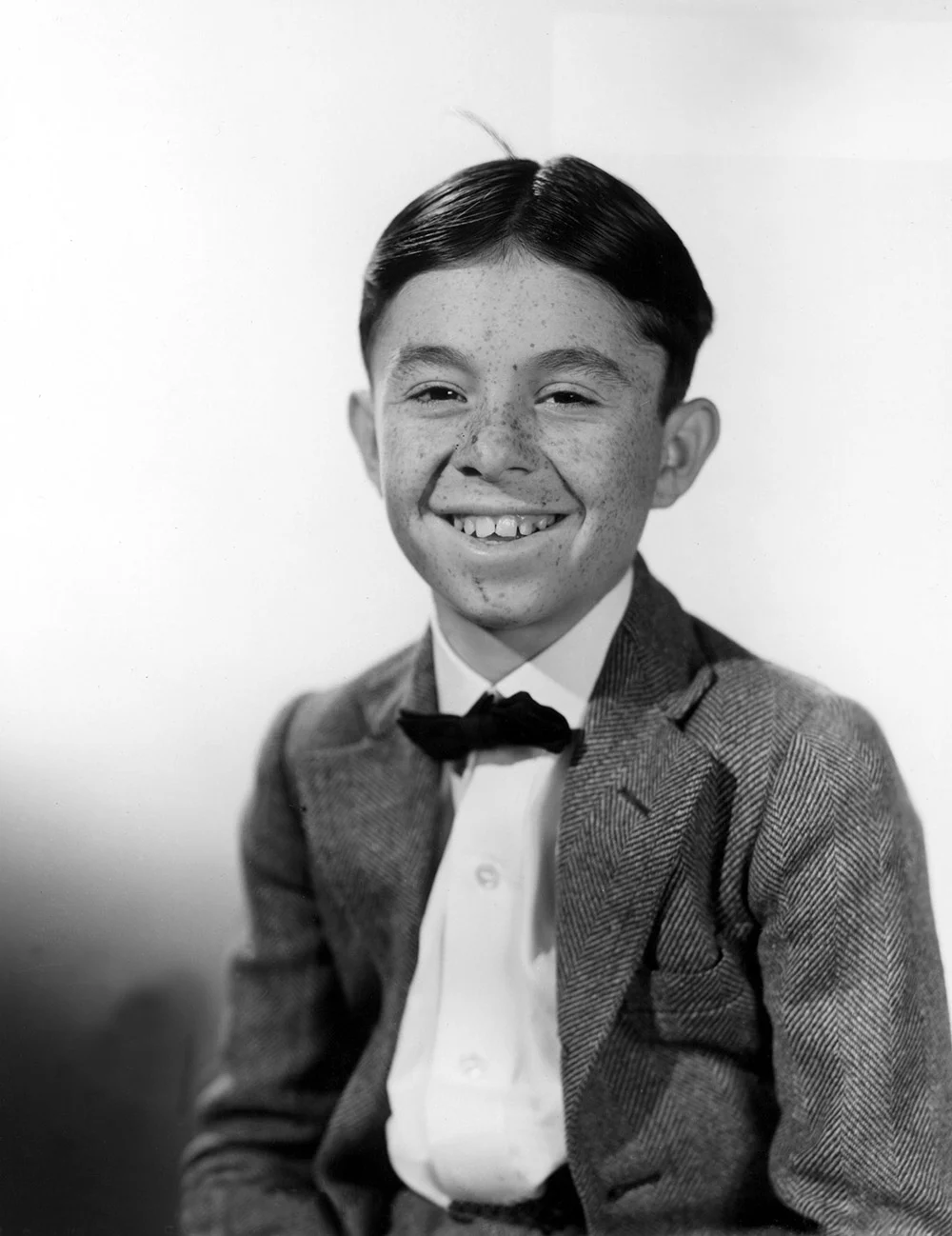
In this email thread, Epstein was responding to a photograph Ito had apparently sent him. Ito, in his initial message, had already corrected himself after an amusing misidentification: "Wait, what was I thinking? This is Alfalfa, not Squiggy." Ito was referencing Alfalfa, the famously cowlicked, off-key singing scene-stealer from the Our Gang shorts, portrayed by Carl Dean Switzer. His initial error was mistaking him for Andrew "Squiggy" Squiggman, a character played by David Lander on the popular 1970s sitcom Laverne & Shirley. Ito then added, "Even older, but I guess it dates me that I remember Little Rascals."
Epstein’s reply, however, did not directly address whether he found the comparison to Alfalfa flattering. Instead, his focus immediately shifted to a curious linguistic query: "is there a Japanese symbol that when pronounced =AO sounds like AL-fa=fa," apparently seeking to transliterate his new, perceived nickname into Japanese characters for Ito’s benefit. This detail not only underscores Epstein’s engagement with the Alfalfa comparison but also hints at his intellectual curiosity, albeit applied in a rather whimsical context, and his interest in cultural nuances, even in lighthearted banter.
Further solidifying this particular fixation, Epstein followed up with Ito by sending him a direct link to an IMDB photo of Carl Dean Switzer, the actor who played Alfalfa. The link led to "image 55 of 82 on the actor’s page," a specific black-and-white publicity still from around 1935. The image depicts a young Alfalfa, grinning widely in suspenders, his signature cowlick prominently curling skyward. Epstein’s accompanying message to Ito was succinct and pointed: "any resemblance?"
This exchange, while seemingly trivial in isolation, becomes profoundly significant when viewed in the broader context of Epstein’s documented communications and the subsequent controversies surrounding him. It reveals a pattern of engaging with The Little Rascals not just through direct quotes but also through character identification, demonstrating a genuine familiarity and perhaps even a personal connection to the series and its figures. The fact that he was joking about resembling Alfalfa, a symbol of innocent, if often bumbling, childhood, in 2014, adds a layer of disturbing irony given the nature of his crimes.

The Cultural Resonance of "The Little Rascals"
To fully appreciate the cultural context of Epstein’s fixation, it’s essential to understand the enduring legacy of Our Gang, popularly known as The Little Rascals. Created by Hal Roach in 1922, the series depicted a diverse group of impoverished neighborhood children and their adventures. It was groundbreaking for its time, featuring Black and white children playing together as equals, a rarity in segregated Hollywood. Characters like Spanky, Alfalfa, Darla, Buckwheat, and Stymie became household names, embodying childhood innocence, mischief, and resilience.
The shorts, running until 1944, resonated deeply with generations of Americans, becoming a beloved part of popular culture. Their themes often revolved around childhood dilemmas, friendships, and overcoming obstacles, always with a comedic touch. The specific line "Whatcha want me to do – Bust out cryin! !" delivered by Stymie, perfectly encapsulates the series’ blend of humor and genuine emotion, often showing children grappling with situations beyond their control. That Epstein, a man accused of unspeakable crimes against children, would repeatedly invoke imagery and dialogue from a series celebrated for its innocent portrayal of childhood, presents a chilling juxtaposition.
Broader Context of the Epstein Investigations and Authenticity Questions
The emergence of these Little Rascals references is not merely an interesting footnote; it folds into the much larger and ongoing public and legal scrutiny surrounding Jeffrey Epstein. His arrest in July 2019 on federal charges of sex trafficking minors, followed by his death in custody a month later, sparked widespread disbelief, outrage, and numerous conspiracy theories, particularly regarding the circumstances of his death. The official ruling of suicide has been met with skepticism by many, including Epstein’s victims and parts of the public, fueling demands for greater transparency.
The handwritten note featuring the Little Rascals quote is central to this debate. Its authenticity, and whether it was truly written by Epstein, is a critical piece of the puzzle for investigators trying to ascertain the events leading up to his death. Forensic analysts are tasked with examining handwriting, linguistic patterns, and other details to confirm or deny its authorship. The documented, recurring use of the "Bust out cryin!" phrase, as well as the deeper engagement with The Little Rascals characters in earlier emails, provides crucial comparative data. If the linguistic quirks and specific cultural references in the note align with Epstein’s known communication habits, it would lend significant weight to its authenticity. Conversely, if discrepancies emerge, it could further fuel questions about external involvement or manipulation.
The Metropolitan Correctional Center (MCC) itself became the subject of intense scrutiny following Epstein’s death. Investigations revealed significant lapses in protocol, including guards failing to conduct required checks and falsifying records. The facility’s management and the Bureau of Prisons faced widespread criticism, with two guards eventually charged with conspiracy and making false records (though they later entered a deferred prosecution agreement). In this highly charged environment, every piece of evidence, no matter how seemingly minor, is subjected to rigorous examination for clues that could illuminate the truth behind the official narrative.
Implications and Analysis: A Glimpse into a Complex Mind
In isolation, the Little Rascals exchanges might appear as nothing more than casual banter between acquaintances. However, in the grim context of Epstein’s life and the ongoing revelations from his files, these "data points" take on a different, more somber significance. They suggest that the reference in the suicide note was not incidental or random but part of a genuine and recurring private vocabulary, a unique linguistic fingerprint.

This pattern establishes, at a minimum, that Epstein was a genuine Rascals fan, and perhaps even identified with characters like Alfalfa, or at least found humor in the comparison, for years. Such consistent engagement with a specific cultural touchstone offers a rare, albeit unsettling, glimpse into his internal world and communication style. For a man who meticulously cultivated an image of intellectual sophistication and elite connections, the recourse to such a widely accessible, nostalgic, and innocent cultural reference point is strikingly incongruous.
Psychologically, the repeated invocation of childhood themes and characters, especially from a series celebrated for its innocence and simple virtues, from a man accused of orchestrating profound childhood trauma, presents a chilling paradox. While avoiding speculative psychoanalysis, one can observe the stark contrast between his public persona and alleged actions, and this private, almost childlike, linguistic habit. It could be interpreted as a coping mechanism, a form of dark irony, or perhaps a lingering, distorted connection to an idealized past, profoundly at odds with his horrific reality.
The public’s reaction to these details has been a mix of morbid fascination and renewed disquiet. Each new piece of information from the Epstein files contributes to a broader, complex narrative that continues to unravel years after his death. These seemingly minor cultural references serve to humanize, in a profoundly unsettling way, a figure often depicted as purely monstrous, while simultaneously deepening the mystery surrounding his final days.
As forensic analysts continue their meticulous work and the legal processes related to Epstein’s associates proceed, these recurring Little Rascals references will undoubtedly remain a peculiar, yet significant, thread. They underscore the importance of linguistic analysis in forensic investigations and offer a unique, if unsettling, window into the mind of one of the 21st century’s most notorious figures. The enduring question, however, remains: what precisely did Epstein mean when he repeatedly invoked the innocent world of The Little Rascals, and what ultimate truth might this strange obsession help to reveal?