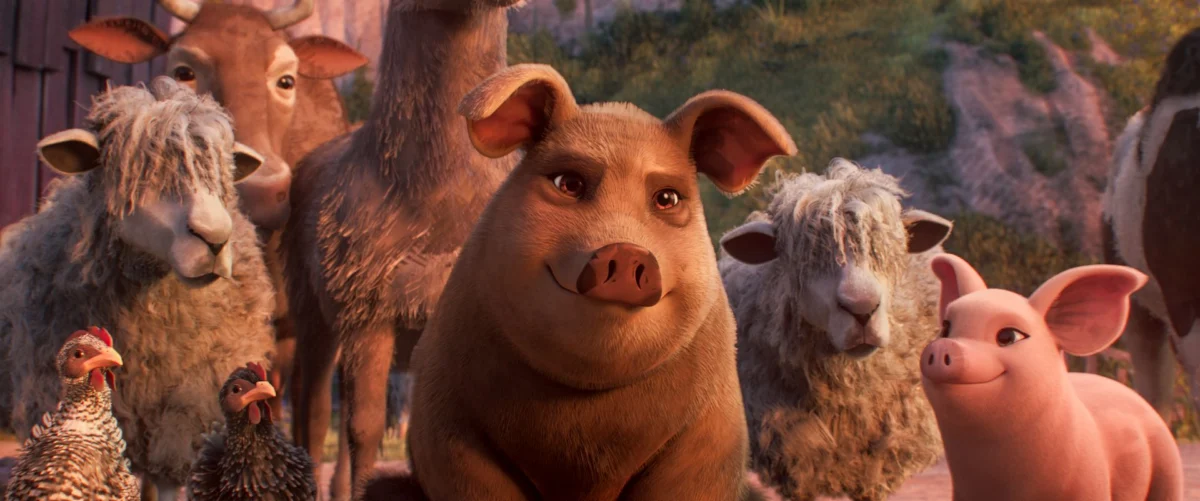
The release of the latest cinematic adaptation of George Orwell’s seminal 1945 novella, Animal Farm, has ignited a complex and often contradictory firestorm of political discourse, revealing significant fractures in modern media literacy and the burgeoning "culture war" surrounding entertainment. Directed by Andy Serkis, known for his pioneering work in performance-capture technology, and distributed by the Utah-based Angel Studios, the animated film has become an unlikely focal point for ideological debate. While the source material has long been a staple of middle-school curricula for its accessible critique of Stalinism and the corruptive nature of power, the 2026 adaptation has found itself caught between conflicting interpretations from conservative influencers, political commentators, and media critics.
The Genesis of the Controversy and the Serkis Adaptation
The project, which has been in development for several years under Serkis’s Imaginarium production company, sought to bring a modern visual sensibility to Orwell’s allegory. Featuring a voice cast that includes Seth Rogen and Glenn Close, the film was positioned as a high-fidelity reimagining of the barnyard revolution. However, upon its release on May 1, the narrative surrounding the film shifted from its artistic merits to its perceived political utility.
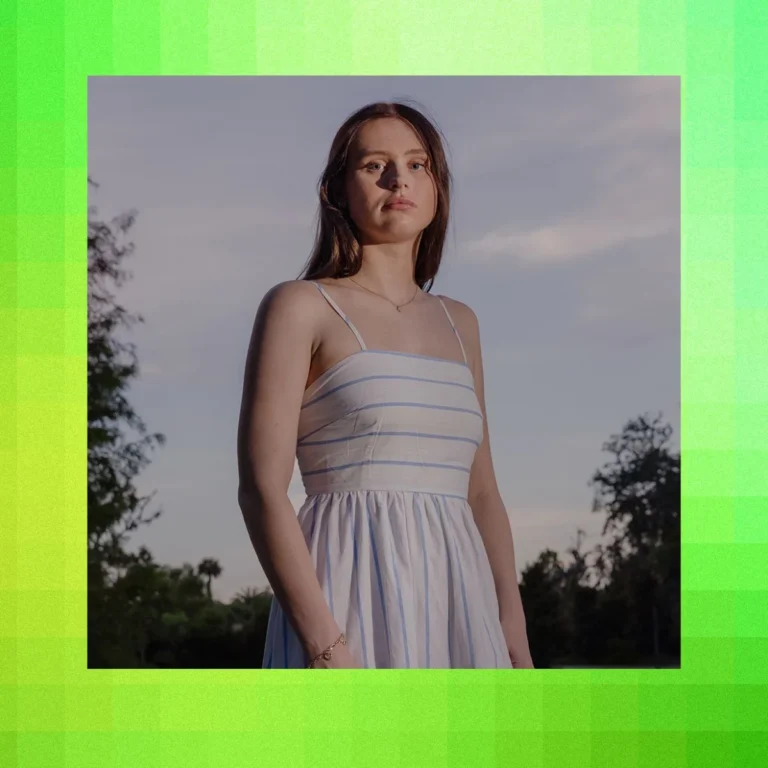
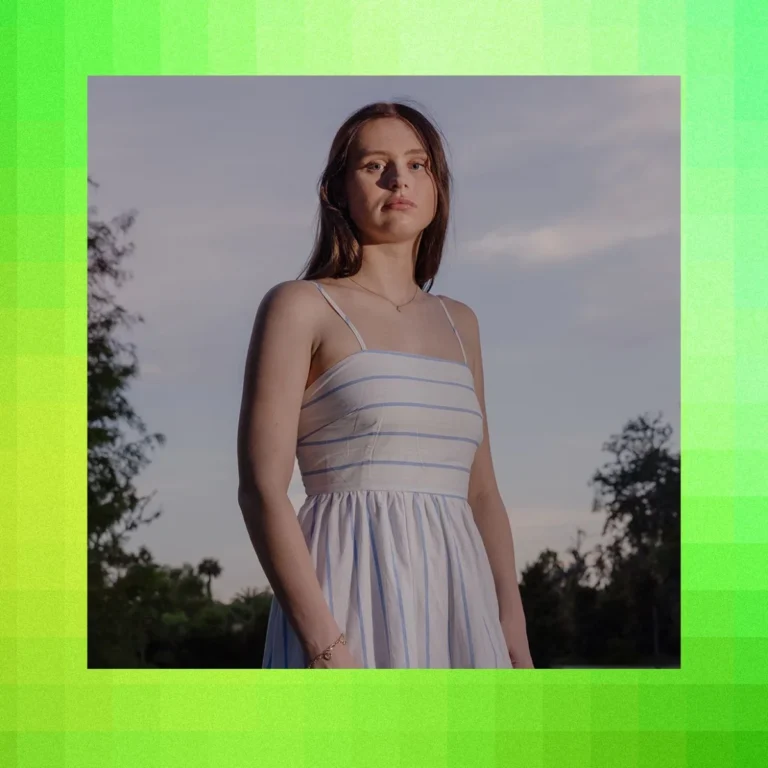
Angel Studios, the distributor behind the film, has built a reputation for catering to faith-based and conservative-leaning audiences, having achieved significant box-office success with titles such as Sound of Freedom and The King of Kings. This pedigree led many observers to expect a specific ideological framing of the Orwellian classic—one that emphasized the failures of Marxism and collectivism. This expectation was bolstered when Riley Gaines, a prominent conservative activist and influencer, posted a trailer for the film on April 28. In her post, Gaines described the film as "incredibly well done," stating that it serves as a "perfect reminder" that Marxism is a failed ideology. The inclusion of the hashtag #AnimalFarmPartner suggested a formal marketing collaboration between the influencer and the studio, a move intended to galvanize a specific demographic.
A Fractured Response Within the Conservative Movement
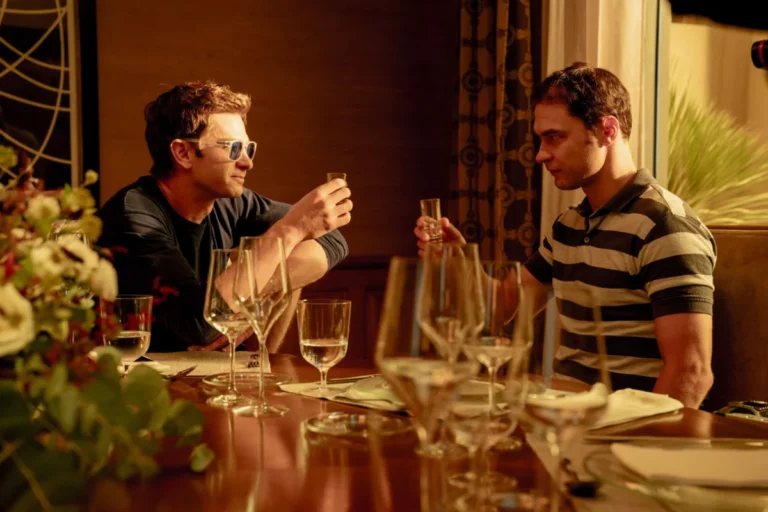
Contrary to the unified front often seen in conservative media campaigns against Hollywood productions, the reaction to Animal Farm was deeply divided. While Gaines championed the film as an anti-communist manifesto, other influential figures on the right reached the opposite conclusion. Tim Pool, a prominent podcaster with a massive digital following, publicly claimed he had rejected an offer from Angel Studios to promote the film. Pool characterized the adaptation as "pro-communism and anti-capitalism," leading to a public rift between different factions of the MAGA-aligned media landscape.
This internal conflict was further exacerbated by influencer Peachy Keenan, who denounced the film as "socialist propaganda." The core of this disagreement appears to stem from Orwell’s original text, which, while a scathing critique of the Soviet Union under Joseph Stalin, does not offer a wholesale endorsement of capitalism. The character of Mr. Jones, the original human owner of the farm, is depicted as a neglectful and cruel capitalist. In the novella’s famous ending, the pigs, who have become the new ruling class, are indistinguishable from the humans they once overthrew.
In the Serkis adaptation, the script reportedly introduces a new character voiced by Glenn Close—a greedy human developer who intends to buy and exploit the farm. Serkis has stated in interviews that the film’s central theme is the universal nature of authoritarianism and the way power corrupts individuals regardless of their starting ideology. This nuanced approach, however, proved difficult for an audience accustomed to binary political messaging.
Chronology of the Ideological Fallout
The timeline of the controversy highlights the speed at which cultural products are now processed through political filters:
- Early April 2026: Angel Studios begins its promotional "Pay It Forward" campaign, a strategy previously used for Sound of Freedom to boost ticket sales through donated screenings.
- April 15-20, 2026: Reports surface that several conservative influencers were approached for promotional partnerships. Tim Pool claims he declined based on a screening of the film’s themes.
- April 28, 2026: Riley Gaines posts the #AnimalFarmPartner trailer, sparking immediate backlash from fellow conservatives who accuse her of promoting "Marxist" content.
- May 1, 2026: The film opens in theaters. Early exit polls and social media sentiment analysis show a confused audience response, with some viewers praising its anti-authoritarian stance and others criticizing its perceived "woke" additions.
- May 5, 2026: Review aggregator Rotten Tomatoes updates the film’s score to 23%, with critics citing a tonal inconsistency between Seth Rogen’s comedic delivery and the grim reality of Orwell’s narrative.
Historical and Literary Context of Orwell’s Work
To understand the current confusion, it is necessary to examine George Orwell’s own political identity. Orwell was a self-described democratic socialist who fought in the Spanish Civil War against fascist forces. His critique in Animal Farm was specifically aimed at the betrayal of the Russian Revolution by the Bolsheviks. Because Orwell attacked the left from a position of the left, his work has historically been co-opted by various political movements.
During the Cold War, the CIA clandestinely funded the 1954 animated version of Animal Farm, even going so far as to alter the ending to make it more explicitly anti-communist and less critical of capitalism. The 2026 Serkis version, by attempting to return to a more generalized critique of power, inadvertently stepped into a modern political environment that lacks the appetite for such ambiguity.
Supporting Data and Critical Reception
The commercial and critical performance of the film provides a data-driven look at the impact of this controversy. As of the first week of May, the film’s 23% rating on Rotten Tomatoes reflects a disconnect between the production’s intent and its execution. Critics have pointed out several factors:
- Tonal Mismatch: The inclusion of "fart jokes" and slapstick humor, primarily delivered by Seth Rogen’s character, was seen as undermining the gravity of the source material.
- Visual Complexity: While the performance capture was praised for its technical achievement, the "uncanny valley" effect of realistic farm animals speaking and wearing clothes alienated some viewers.
- Marketing Missteps: By partnering with influencers like Riley Gaines, Angel Studios signaled that the film was a political tool, which led to heightened scrutiny from both sides of the aisle. When the film failed to deliver a simplistic partisan message, it lost the support of the very base it attempted to court.
Financial data indicates that the film’s opening weekend fell short of industry projections for an Angel Studios release. While Sound of Freedom benefitted from a grassroots "word-of-mouth" campaign that bypassed traditional critics, Animal Farm’s internal controversy among conservative pundits likely dampened its initial box-office momentum.
Broader Implications for Media Literacy
The inability of high-profile political commentators to reach a consensus on the meaning of Animal Farm points to a broader crisis in media literacy. Journalistic analysis suggests that modern audiences—and the influencers who lead them—increasingly demand that fiction serve as a clear mirror of their own specific grievances. When a work of art presents a multi-faceted critique, such as Orwell’s observation that both the farmer and the pig can be oppressors, it is often viewed as a failure of messaging rather than a success of depth.
This trend has significant implications for the future of film production and distribution. If studios feel compelled to "telegraph" their moral lessons to avoid being "canceled" by one side or the other, the space for nuanced storytelling continues to shrink. The reaction to the Serkis film suggests that even a classic work with a nearly 80-year history of interpretation can be rendered unrecognizable when filtered through the lens of modern social media discourse.
Conclusion: Orwell’s Enduring Ambiguity
Ultimately, the controversy surrounding the 2026 adaptation of Animal Farm may be exactly the kind of outcome George Orwell would have anticipated. Throughout his life, Orwell expressed frustration with how his work was misinterpreted by those looking for a simple partisan cudgel. The fact that the film is being attacked simultaneously as "Marxist propaganda" and "anti-Marxist" serves as a testament to the enduring, uncomfortable truth of his allegory: that power, once seized, tends to corrupt the original intent of any revolution, regardless of the labels used to justify it.
As the film continues its theatrical run, the debate it has sparked remains a potent case study in the intersection of entertainment, politics, and the digital outrage cycle. Whether the film will be remembered for its technical achievements or as a casualty of the culture wars remains to be seen, but the discourse it generated has already provided a modern-day postscript to the very themes Orwell explored in 1945.