In a landmark legal challenge filed in an Arizona court, a group of women has initiated a lawsuit against three Phoenix-based men and their associated entities, alleging a sophisticated scheme to monetize their physical likenesses through generative artificial intelligence. The plaintiffs, including a Scottsdale resident identified as MG, claim that their personal social media photographs were scraped, processed through AI software, and transformed into profitable "virtual influencers" without their knowledge or consent. This case highlights a burgeoning and largely unregulated industry where the digital identities of private citizens are harvested to create sexually explicit or suggestive content for a global subscriber base.
The primary defendants named in the suit are Jackson Webb, Lucas Webb, and Beau Schultz, who allegedly operated under the brand AI ModelForge. The lawsuit claims these individuals did not merely create a single fraudulent account but established a comprehensive "playbook" for other aspiring "entrepreneurs" to replicate the process. By offering online courses and tutorials, the defendants allegedly taught thousands of subscribers how to identify vulnerable social media profiles, bypass consent, and generate high-fidelity AI copies of real women to be sold on subscription platforms like Fanvue and Whop.
The Mechanism of Digital Appropriation
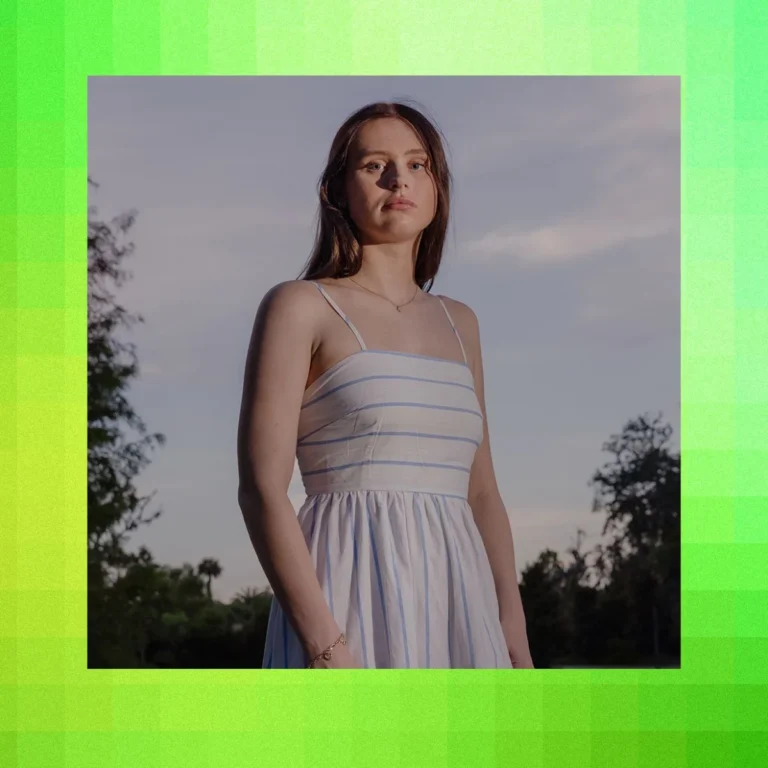
The transition from a private individual to a digital commodity began for MG, a 20-something personal assistant, during the summer of 2024. Like many her age, MG maintained a modest Instagram presence with approximately 9,000 followers, using the platform to share snapshots of her daily life in Arizona. Her ordeal began when a follower alerted her to the existence of multiple "Reels" and images circulating on Instagram that appeared to feature her face and body, though the context was entirely fabricated.
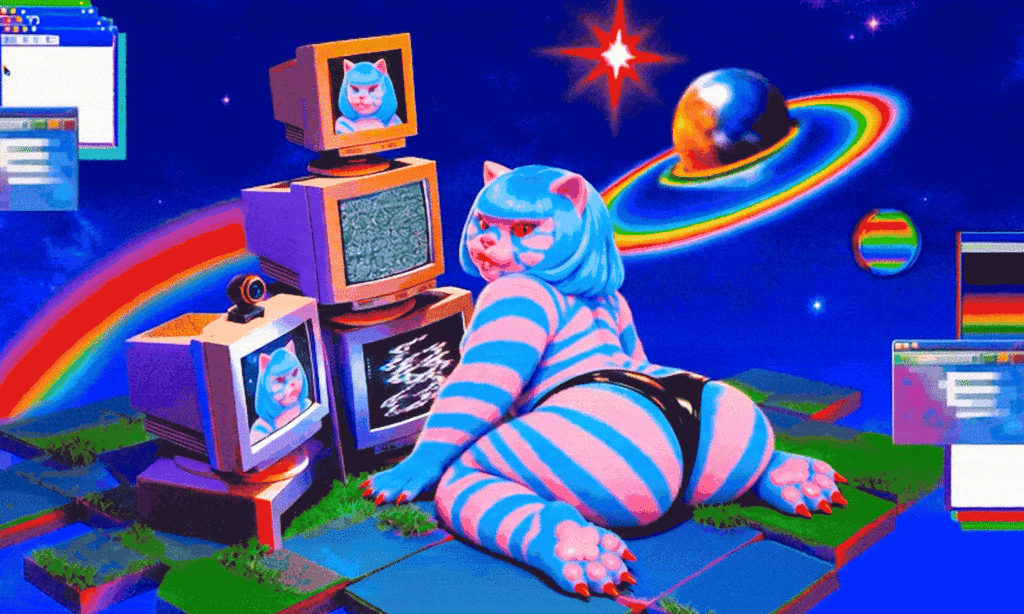
According to the legal complaint, the defendants utilized a software suite known as CreatorCore. This technology allows users to "train" a generative AI model using a set of reference images—a process often referred to in technical circles as creating a "LoRA" (Low-Rank Adaptation). By feeding the software dozens of MG’s public photos, the defendants were allegedly able to generate an infinite stream of new content. This content depicted MG in various states of undress, often featuring her specific tattoos and physical markers, effectively creating a "digital twin" that she could not control.
The lawsuit further alleges that AI ModelForge was more than a content creator; it was an educational hub for exploitation. For a monthly fee of $24.95, the defendants reportedly sold "Blueprints" on the platform Whop. These guides instructed men on how to select targets, specifically recommending women with fewer than 50,000 followers. The logic behind this threshold, as stated in the complaint, was to target individuals who lacked the legal resources or the massive platforms necessary to defend themselves effectively or trigger automated copyright takedowns.
Chronology of Events and Rebranding
The timeline of the alleged activity suggests a rapid scaling of the operation throughout late 2024 and early 2025. By January 2025, the legal team representing MG and two other plaintiffs—Nick Brand and Cristina Perez Hesano—filed the formal complaint in Arizona. The suit names the Webbs and Schultz, alongside 50 "John Doe" defendants who are believed to be subscribers who actively used the AI ModelForge methods to create their own derivative models.
In the months following the initial legal filings, the operation appeared to undergo a rebranding effort. AI ModelForge’s digital footprint transitioned toward a new entity called "TaviraLabs." This organization operates primarily through a Telegram group which, as of mid-2025, boasted more than 18,000 members. The marketing materials for TaviraLabs continue to promote the creation of AI influencers as a lucrative "side hustle." Promotional captions on associated Instagram accounts frequently boast of the profitability of these virtual models, with one post claiming a model "built in 20 minutes" generated over $13,000 in its first 45 days of operation.
Despite the ongoing litigation, many of the accounts cited in the lawsuit remain active. The plaintiffs have reported a persistent "whack-a-mole" scenario where, even if one account is flagged or removed, several others emerge to replace it, often using the same stolen likenesses but under different handles.
The Regulatory Landscape and the Take It Down Act
The legal battle in Arizona coincides with a pivotal moment in federal and state legislation regarding digital consent. In May 2025, President Trump signed the "Take It Down Act" into law, a federal mandate designed to combat the proliferation of nonconsensual sexualized AI-generated content. The act requires social media and hosting platforms to remove flagged nonconsensual imagery within 48 hours and establishes criminal penalties for those who publish such material.
However, the Take It Down Act is not scheduled to go into effect until May 2026, leaving a significant enforcement gap that the defendants in the MG case have allegedly exploited. While 47 U.S. states have enacted some form of deepfake legislation since 2019, legal experts argue that these laws are often reactive. Arizona State Representative Nick Kupper has been a vocal advocate for more proactive measures, introducing legislation that would require websites to implement automated detection tools, such as mandatory age verification and explicit consent forms, prior to the upload of AI-generated human likenesses.
The current legal framework often relies on "impersonation" or "copyright" claims to remove content. In MG’s case, these avenues have proven insufficient. Because the AI generates "new" images rather than direct copies of her existing photos, Instagram’s automated systems often fail to recognize the content as a violation of community standards. The images are distinct enough to bypass traditional facial recognition filters while remaining recognizable enough to cause profound personal and professional harm to the victim.
Supporting Data and Economic Incentives
The growth of the "AI influencer" market is driven by significant economic incentives. Market analysts estimate that the virtual influencer industry will be worth billions by the end of the decade. Unlike human influencers, AI models do not require sleep, do not age, and do not demand residuals or healthcare. When these models are derived from real, unsuspecting women, the "overhead" for the creator is virtually zero, as they do not have to pay for the original likeness or the labor of the model.
Data cited in the lawsuit suggests that by early 2025, the CreatorCore platform had more than 8,000 active subscribers. These users had collectively generated over 500,000 images and videos. The complaint alleges that the primary defendants were earning upwards of $50,000 per month from subscription fees alone, excluding the direct revenue generated from selling the AI-generated content on adult-oriented platforms like Fanvue.
This "harem" of indistinguishable AI copies represents a new frontier in digital exploitation. For the victims, the impact is not merely financial but psychological. MG has described the experience as a "reality check" that she no longer owns her own image. The fear that friends, family, or future employers might encounter these hyper-realistic, sexually explicit fabrications has created a state of constant anxiety for the plaintiffs.
Platform Responses and Official Statements
The role of social media giants in facilitating or failing to prevent this activity remains a central point of contention. A spokesperson for Instagram stated that the company maintains "extremely strict policies" regarding nonconsensual intimate imagery (NCII) and that it actively removes accounts found to be in violation. However, the company’s response to the specific list of accounts provided by the plaintiffs’ counsel was that they were "under review," a status that allows the accounts to continue operating and generating revenue in the interim.
TikTok has taken a more aggressive stance, according to its official representatives. Upon being notified of the accounts associated with AI ModelForge and TaviraLabs, a TikTok spokesperson confirmed that the accounts violated community guidelines and were subsequently terminated.
The platforms’ varying degrees of responsiveness highlight the difficulties of moderating generative AI. Because the technology can produce content at a scale and speed that human moderators cannot match, the burden of proof often falls on the victim to demonstrate that a "synthetic" person is, in fact, based on their real-world identity.
Broader Impact and the Future of Digital Identity
The outcome of the Arizona lawsuit could set a vital precedent for how "digital personhood" is defined in the age of artificial intelligence. If the court finds in favor of MG and the other plaintiffs, it could establish that an individual’s likeness—even when processed through a generative filter—remains their intellectual and personal property.
Legal analysts suggest that this case may lead to a reevaluation of Section 230 of the Communications Decency Act, which currently provides broad immunity to platforms for content posted by their users. As AI tools become more integrated into social media, the distinction between "user-generated content" and "platform-facilitated exploitation" is becoming increasingly blurred.
For MG, the lawsuit is an attempt to reclaim agency in a world where her face has been turned into a tool for profit. She emphasizes that her experience is a cautionary tale for all internet users, not just those with large followings. "It’s not about being cautious with your image online because everyone posts on social media now," she stated. "Everyone is on LinkedIn. Everyone is on Instagram. And I want people to realize that this could also happen to them."
As the legal proceedings continue, the case serves as a stark reminder of the ethical vacuum created by rapid technological advancement. The transition from AI as a tool for creativity to AI as a tool for nonconsensual commodification marks a significant shift in the digital landscape, one that lawmakers and technology companies are only beginning to address. The resolution of this case will likely influence the "Take It Down" protocols of 2026 and beyond, determining whether the internet remains a space for personal expression or becomes a marketplace for stolen identities.