

The highly anticipated documentary film Cookie Queens, which captivated audiences at the 2026 Sundance Film Festival, has officially released its first trailer, offering a poignant and often critical look into the enduring American ritual of Girl Scout Cookie season. Distributed by Roadside Attractions and Vertical, the film is slated for a theatrical debut on August 7th, 2026, promising to be a significant cultural commentary on childhood ambition, entrepreneurial spirit, and the complexities embedded within a beloved tradition.
Unpacking the Phenomenon: The Premise of Cookie Queens
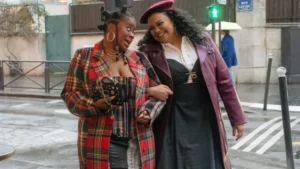
Directed by acclaimed documentarian Alysa Nahmias, Cookie Queens delves into the lives of four distinct young Girl Scouts – Ara, Olive, Nikki, and Shannon Elizabeth – as they navigate the rigorous and often cutthroat world of cookie sales. The film follows their individual journeys over a single season, chronicling their efforts to achieve the coveted title of "top seller" in their respective areas. More than a simple chronicle of sales targets, Cookie Queens is presented as a coming-of-age narrative, exploring the joys, pressures, and inherent tensions that shape girlhood within the context of this uniquely American endeavor. The trailer, revealed on May 7, 2026, showcases moments of profound camaraderie, intense competition, and genuine personal growth, underscored by a compelling quote from one of the subjects: "I met my best friend while selling Girl Scout Cookies." This initial glimpse into the film suggests a narrative rich with both heartwarming instances and insightful critiques, resonating with audiences who have praised its sincerity and depth during its festival run.
Sundance Film Festival programmers lauded the documentary, noting its ability to offer "a sincere, playful window into a multimillion-dollar industry powered by their cookie booths." They highlighted the film’s celebration of "the girls’ grit and ingenuity" while acknowledging that the journey "isn’t just fun & games though." The film unflinchingly portrays the "real financial and time sacrifices" made by the girls and their families, who often trade "laid-back weekends for hours outside, wagons full of cookies in tow," all in pursuit of their ambitious sales goals. Nahmias’s directorial approach is praised for its steadfast focus on the individual journeys of these young entrepreneurs, allowing their personalities and burgeoning business instincts to shine through.
The Visionary Behind the Lens: Alysa Nahmias

Alysa Nahmias, the director of Cookie Queens, brings a distinguished filmography to this latest project, known for her incisive and thoughtful exploration of diverse subjects. Her previous works include Unfinished Spaces (2011), a documentary chronicling the unfinished National Art Schools of Cuba and the architects behind them; The New Bauhaus (2019), which explored the legacy of László Moholy-Nagy and his revolutionary art school in Chicago; and Art & Krimes by Krimes (2021), a powerful film about an incarcerated artist using his prison blanket to create monumental works of art. Nahmias’s consistent ability to uncover profound human stories within specific cultural or historical contexts positions her as an ideal filmmaker to tackle the nuanced world of Girl Scout Cookies. Her films often combine artistic sensibility with investigative rigor, suggesting that Cookie Queens will similarly offer more than just surface-level observations. Her involvement signals a documentary that is both aesthetically engaging and intellectually stimulating, aiming to prompt reflection on the societal structures it portrays.
The Enduring Legacy of Girl Scout Cookies: A Historical and Economic Overview
To fully appreciate the scope of Cookie Queens, it is essential to understand the historical context and economic significance of the Girl Scout Cookie program. What began as a simple troop fundraising initiative in 1917 has evolved into the largest girl-led entrepreneurial program in the world, generating an astounding $800 million annually. The first known cookie sale by Girl Scouts took place in Muskogee, Oklahoma, when the Mistletoe Troop baked and sold cookies in their high school cafeteria. Just a few years later, in 1922, an article in "The American Girl" magazine provided a cookie recipe and business plan to troops nationwide, effectively standardizing the nascent enterprise. By the 1930s, commercial bakeries began producing cookies for the Girl Scouts, streamlining production and expanding reach.
Today, the program is a complex operation, involving two licensed bakers – ABC Bakers and Little Brownie Bakers – producing millions of boxes of cookies each year. The revenue generated from these sales is not centralized but rather remains with local Girl Scout councils and troops. This decentralized model ensures that the funds directly benefit the girls, supporting a wide array of activities including camping trips, community service projects, leadership development programs, and educational initiatives. For many troops, cookie sales are the primary, if not sole, source of funding, making success in the annual campaign crucial for their continued operations and the enrichment of their members. The economic ecosystem built around these cookies is a powerful engine for youth development, teaching girls invaluable lessons in goal setting, money management, teamwork, public speaking, and customer service.
The cultural impact of Girl Scout Cookies extends far beyond mere fundraising. They are a beloved fixture of American popular culture, evoking nostalgia for many adults and representing a rite of passage for generations of young girls. Iconic varieties like Thin Mints, Samoas (or Caramel deLites), Tagalongs (or Peanut Butter Patties), and Do-si-dos (or Peanut Butter Sandwich) have achieved near-legendary status, with annual debates raging over which cookie reigns supreme. The anticipation of cookie season, the familiar sight of girls at booths outside supermarkets, and the yearly quest to stock up on favorites are deeply ingrained elements of the American experience.
The Challenges and Skills Learned: Beyond the Sale

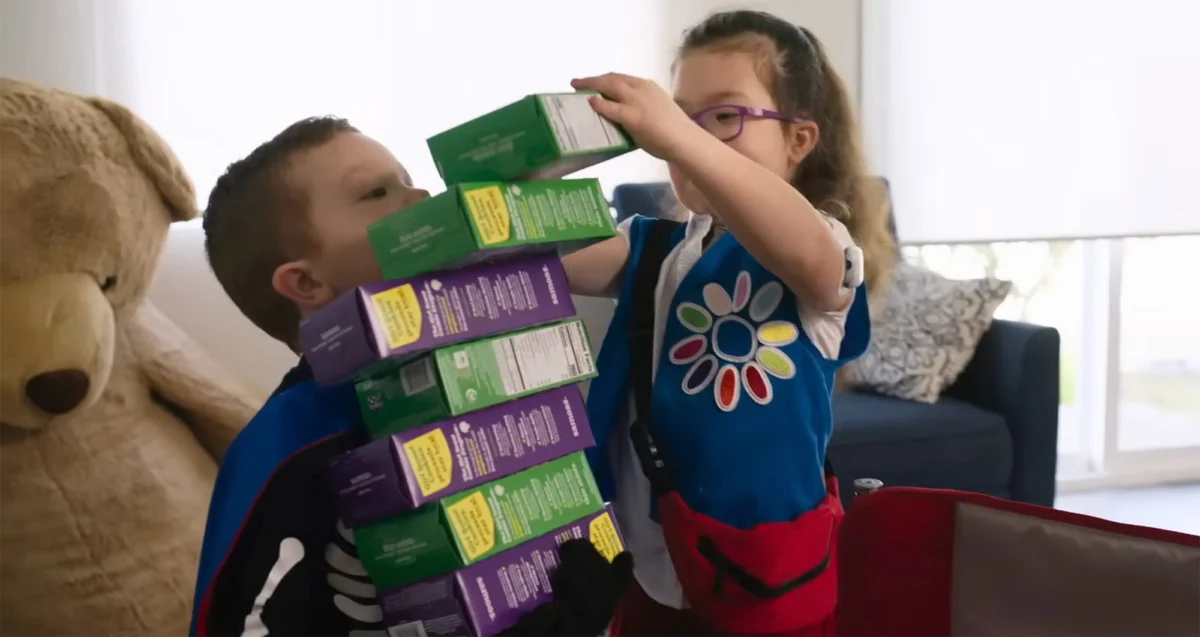
Cookie Queens goes beyond merely showcasing the sales figures; it highlights the profound personal development fostered by the program, alongside the very real sacrifices involved. The documentary vividly illustrates how the girls and their families commit significant time and effort, transforming ordinary weekends into intensive selling sessions. This dedication often means foregoing leisure activities, demonstrating a level of commitment rarely seen in childhood endeavors.
Through these experiences, the Girl Scouts develop a formidable array of transferable skills. They learn fundamental principles of entrepreneurship, from understanding product inventory and managing finances to strategizing sales pitches and interacting with diverse customers. Negotiation skills are honed as they persuade potential buyers; resilience is built when faced with rejection; and problem-solving abilities are tested when encountering logistical hurdles. The film’s focus on Ara, Olive, Nikki, and Shannon Elizabeth underscores how these young girls are, in essence, running small businesses, making decisions that directly impact their troop’s ability to fund essential programs. The competitive aspect, while intense, also fosters a drive for excellence and an understanding of market dynamics, preparing them for future leadership roles, whether as "future Supreme Court justices, CEOs, and beyond," as suggested by the Sundance synopsis.
Exploring the Nuanced "Darker Side"
One of the more intriguing aspects highlighted by the original report and expected to be critically examined in Cookie Queens is what is referred to as the "darker side of selling very sugary treats." This critical lens is crucial for a documentary aiming for comprehensive insight rather than mere celebration. While the Girl Scout Cookie program is lauded for its positive developmental outcomes, an objective examination cannot ignore certain inherent tensions.
Firstly, the primary product—highly processed, sugary cookies—stands in contrast to contemporary health trends and growing concerns about childhood obesity and nutrition. The film is expected to subtly, or perhaps explicitly, touch upon this paradox: a program designed to empower young girls simultaneously promotes the consumption of products that, when consumed in excess, contribute to public health challenges. This isn’t necessarily a condemnation of the Girl Scouts but rather an observation of the complexities of operating within a consumer-driven society.
Secondly, the intense competitive environment, while fostering ambition, can also introduce undue pressure on young participants. The drive to be a "top seller" can, for some, morph into stress or anxiety, potentially overshadowing the cooperative and community-building aspects of scouting. The film might explore the psychological impact of such high-stakes competition on developing minds, prompting questions about the balance between fostering ambition and protecting childhood innocence.

Finally, the sheer scale of the operation, an "$800 million business," raises broader questions about children’s involvement in large commercial enterprises. While framed as "girl-led," the program operates within a sophisticated corporate structure involving large bakeries and extensive logistics. Cookie Queens is poised to invite audiences to consider the ethical dimensions of children acting as direct sales agents for a powerful brand, even one with a benevolent mission. This aspect does not diminish the program’s value but rather encourages a deeper, more critical understanding of its multifaceted nature.
Production, Distribution, and Anticipated Impact
Cookie Queens is a collaborative production effort, with Michael Dweck, Gregory Kershaw, Alysa Nahmias, and Jennifer Sims serving as producers. This team brings a wealth of experience in documentary filmmaking, often associated with critically acclaimed and visually striking projects. The involvement of Roadside Attractions and Vertical as distributors signals confidence in the film’s commercial viability and its potential to resonate with a broad audience. Roadside Attractions is known for its selective acquisition of independent films, often those with strong narratives and critical appeal, such as Manchester by the Sea and Judy. Vertical Entertainment, similarly, has a track record of distributing a diverse range of titles, often focusing on impactful storytelling. Their joint distribution strategy suggests a planned release across various U.S. theaters, maximizing the film’s reach ahead of its August 7th premiere.
The film’s initial premiere at the 2026 Sundance Film Festival earlier this year provided a crucial springboard, garnering "plenty of nice reviews" and building significant buzz. Sundance is renowned as a launching pad for independent documentaries, and a strong showing there often translates into critical acclaim and audience interest upon wider release. The positive reception at such a prestigious festival underscores the film’s quality and its ability to engage both critics and the public.
Cookie Queens is poised to spark important conversations about childhood entrepreneurship, the evolution of youth organizations, consumer culture, and the subtle pressures placed upon young individuals in pursuit of success. It is expected to appeal to a diverse demographic, including former Girl Scouts nostalgic for their selling days, parents interested in youth development, educators exploring entrepreneurial lessons, and documentary enthusiasts seeking insightful social commentary. The film offers a unique window into a cherished American tradition, challenging viewers to look beyond the surface of a simple cookie sale and consider the complex tapestry of ambition, sacrifice, and growth that underpins it. As the August 7th release date approaches, anticipation for Alysa Nahmias’s latest work continues to build, promising a film that is both utterly sweet and profoundly thought-provoking.