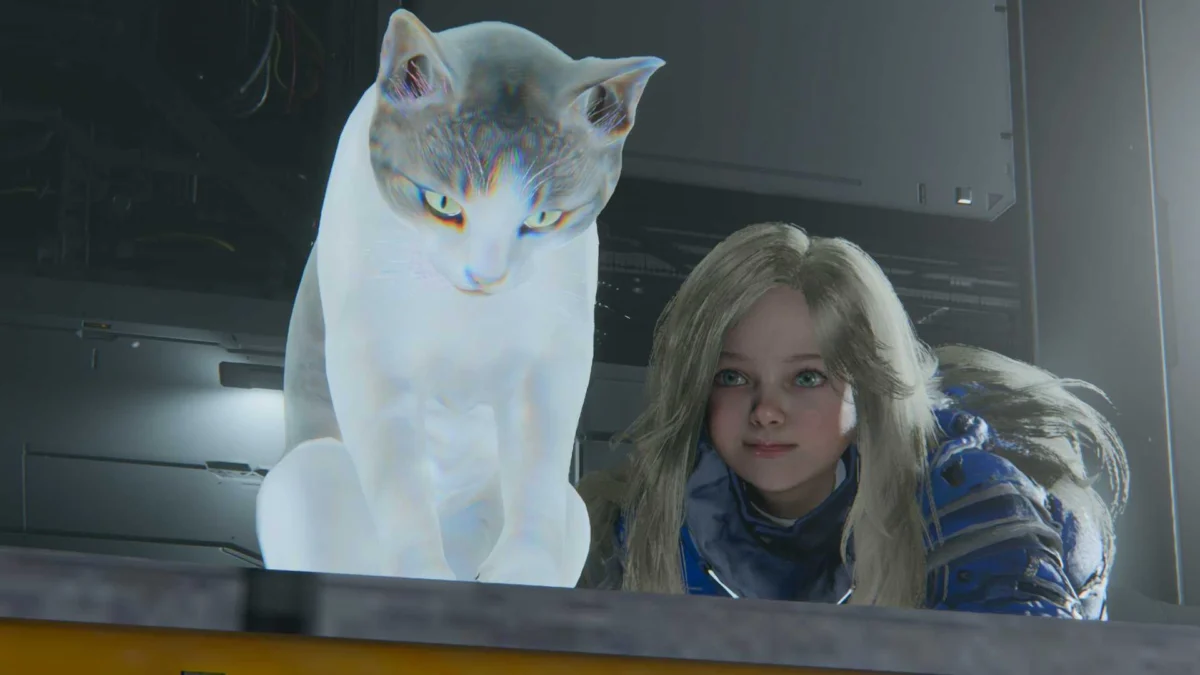
Capcom’s latest original intellectual property, Pragmata, has officially surpassed two million units sold globally, marking a significant commercial milestone for the title just weeks after its long-awaited debut. The achievement follows a blistering launch period in which the game moved its first million copies within a mere 48 hours of its April release. This rapid market penetration underscores a successful pivot for the Osaka-based publisher as it continues to balance its established franchises with ambitious, high-budget original projects.
The announcement of the two-million-unit milestone was accompanied by a statement from Pragmata director Cho Yonghee, who expressed profound gratitude to the player base for their receptivity to the game’s experimental themes. Writing on social media, Yonghee noted that the development team has been "blown away by the warm support" received since the title’s arrival. To commemorate the event, Capcom released a new piece of commemorative artwork featuring the game’s primary protagonists, the armored soldier Hugh and the enigmatic young girl Diana, signaling the studio’s intention to keep the community engaged as the game enters its post-launch lifecycle.
A Decades-Long Journey: The Road from Announcement to Release
The path to commercial success for Pragmata was characterized by one of the most extended and publicized development cycles in recent Capcom history. First revealed during Sony’s "Future of Gaming" PlayStation 5 showcase in June 2020, the project immediately garnered attention for its cryptic visual style and high-fidelity presentation. At the time of its unveiling, the game was slated for a 2022 release, positioned as a flagship title designed to showcase the power of ninth-generation hardware.
However, the complexities of developing a new IP on a proprietary engine during a global transition in hardware standards led to several high-profile delays. In 2021, Capcom announced that the launch would be pushed to 2023 to ensure the project met internal quality standards. This was followed by a more significant postponement in 2023, where a short teaser featured the character Diana holding a handwritten apology note, pushing the window to a vague "future" date. By 2025, Capcom solidified a 2026 release window, which the studio ultimately honored with the game’s April launch.
Industry analysts suggest that these delays, while frustrating for some fans, were instrumental in building the "cult" anticipation that fueled the game’s initial sales surge. The transparency regarding the development struggles created a narrative of a "passion project" that the gaming public was eager to support once it finally reached store shelves.
Narrative and Gameplay Mechanics: An Experimental Gamble
Pragmata distinguishes itself from Capcom’s more action-oriented staples, such as Devil May Cry or Monster Hunter, by blending science fiction mystery with a heavy emphasis on atmospheric storytelling and unique companion-based mechanics. Set in a dystopian near-future on a lunar colony, the game follows Hugh, an astronaut-like figure tasked with protecting Diana, a girl with supernatural abilities, as they navigate a world where the boundaries between reality and digital simulation have blurred.
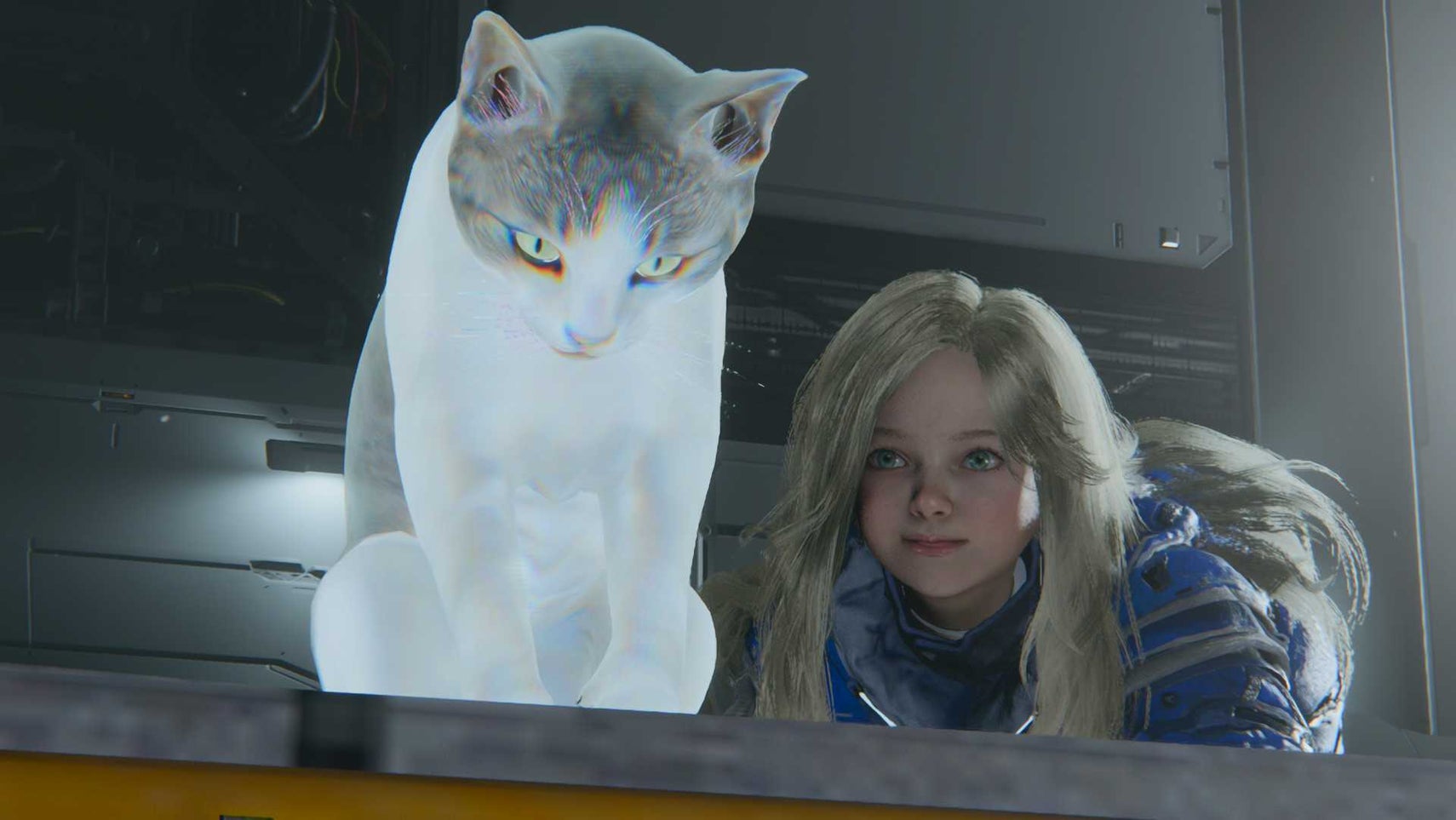
Critics have lauded the game’s "spectral" aesthetic—most notably embodied by the spectral cat seen in early trailers—and its innovative use of the RE Engine. The engine, which has powered the recent Resident Evil and Street Fighter entries, was reportedly pushed to its limits to handle Pragmata’s complex physics and lighting environments.
The relationship between Hugh and Diana serves as the mechanical core of the experience. Unlike traditional "escort" missions, Pragmata utilizes an AI-driven synergy system where Diana’s abilities are essential for environmental puzzle-solving and combat crowd control. This focus on "experimental" gameplay was a deliberate choice by the development team to offer something distinct from the current market trends of open-world live-service titles.
Market Performance and Financial Implications
The sale of two million copies in approximately 30 days places Pragmata in an elite category of new IPs. For comparison, many successful original titles take months or even years to reach such figures. Capcom’s ability to convert interest into sales so quickly is attributed to a multi-platform strategy that saw the game launch simultaneously on PlayStation 5, Xbox Series X/S, and PC, with rumored optimizations for upcoming mid-generation hardware refreshes.
From a financial perspective, Pragmata’s success validates Capcom’s "Single Content, Multiple Usage" strategy. By investing heavily in a high-quality original title, the company has successfully created a new asset that can be leveraged across various media and merchandise. During a recent investor briefing, Rob Dyer, Chief Operating Officer of Capcom USA, suggested that the performance of Pragmata has already moved the needle regarding the game’s future. Dyer’s comments indicated that Capcom is no longer viewing Pragmata as a standalone experiment but as a potential long-term franchise.
The success also bolsters Capcom’s bottom line during a fiscal year that has seen steady growth. With the Resident Evil franchise continuing to perform well through its "Gold" editions and Monster Hunter remaining a pillar of the company’s revenue, the addition of a third major pillar in the sci-fi genre provides Capcom with a more diversified portfolio, reducing reliance on any single brand.
Critical Reception and Industry Standing
The critical response to Pragmata has been largely positive, with a consensus that the game offers a refreshing departure from standard industry tropes. While some reviewers noted that the narrative can be abstract and demanding, many have praised the "intellectual stimulation" provided by the game’s world-building.
Dom Peppiatt, a prominent industry critic, awarded the game four stars, characterizing it as a "proudly experimental gamble." Peppiatt’s review highlighted that while the game does not aim for the mass-market simplicity of a blockbuster shooter, its ability to engage the player’s "grey matter" is what sets it apart. "I feel smarter for having played Pragmata," Peppiatt wrote, "and I don’t think I’m going to see another game like it for a very long time."

This sentiment is echoed across various gaming outlets, where the game is frequently cited as a candidate for Year-End awards in categories such as Best Art Direction and Best New IP. The "experimental" label, which was once seen as a potential risk for the project’s commercial viability, has instead become its primary selling point in a market often criticized for its lack of originality.
Future Outlook: Expansion and Franchise Potential
With two million units sold, the conversation within Capcom and among the player base has shifted toward "what comes next." The game’s ending, described by many as both emotional and open-ended, leaves significant room for narrative expansion.
Capcom has a history of supporting its titles with post-launch content, and Pragmata appears to be no exception. Internal leaks and job listings from late 2025 suggested that a dedicated team remained on the project to develop "high-impact DLC" that could further explore the origins of the lunar colony and Diana’s powers.
Furthermore, the mention of the "Nintendo Switch 2" in recent metadata related to the game has sparked speculation regarding a potential port. While the current version of Pragmata is highly demanding in terms of hardware, Capcom’s proficiency in optimizing the RE Engine for various platforms suggests that a specialized version of the game could eventually reach a broader audience, further driving sales toward the three-to-five-million-unit mark.
Conclusion: A New Era for Capcom
The success of Pragmata represents more than just a profitable month for Capcom; it serves as a proof of concept for the viability of high-budget, original sci-fi in an industry increasingly dominated by sequels and remakes. By sticking with the project through six years of development and multiple delays, Capcom has demonstrated a commitment to creative vision that has been rewarded by both critics and consumers.
As the studio prepares for its next phase of development, Pragmata stands as a testament to the power of technical excellence and narrative ambition. With Director Cho Yonghee and the rest of the team at Capcom Osaka now looking toward the future, the industry will be watching closely to see how this "experimental gamble" evolves into a mainstay of the gaming landscape. For now, Hugh and Diana have secured their place in Capcom’s hall of fame, and the two million players who have joined them on the moon suggest that the journey is only just beginning.