

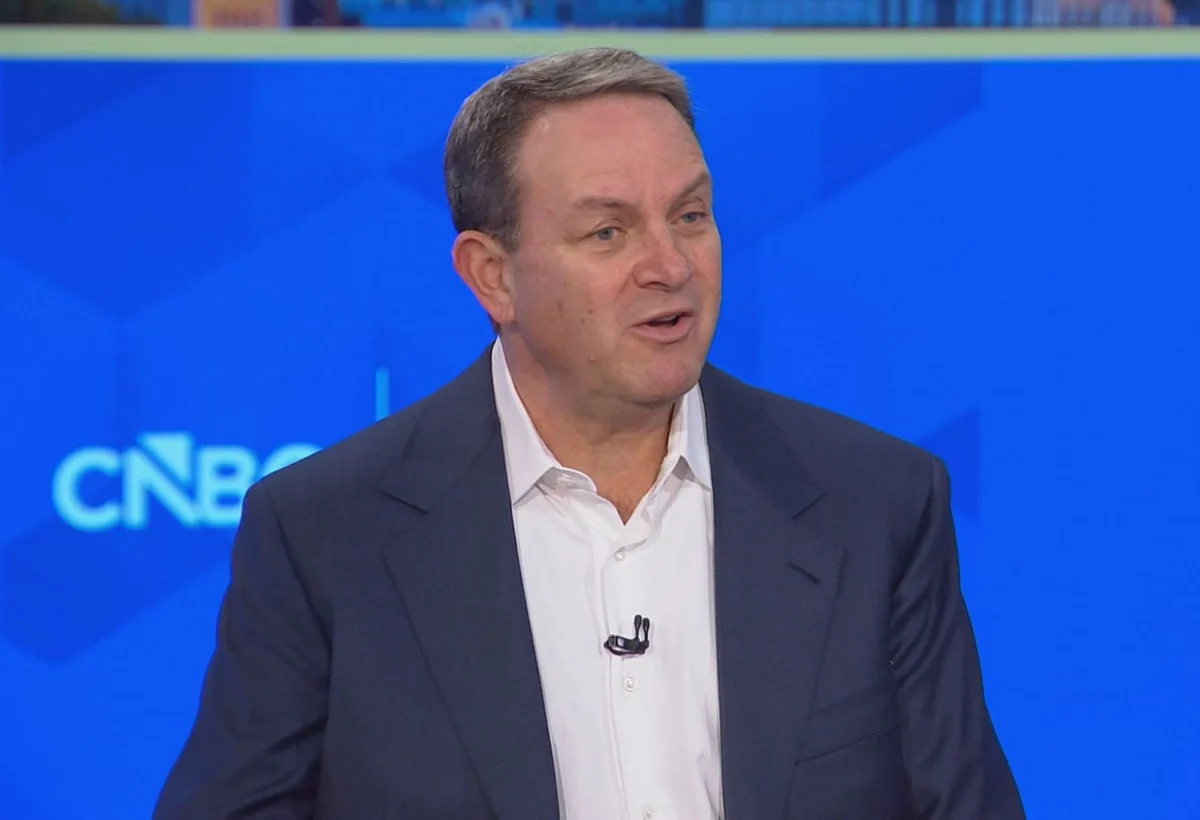
Versant Media Group (NASDAQ: VSNT), the recently established independent entity comprising a diverse portfolio of cable television networks and digital assets formerly owned by Comcast Corporation, released its inaugural earnings report on Tuesday. The report provides a comprehensive look at the financial health of the organization following its separation from NBCUniversal and its subsequent debut as a standalone company on the Nasdaq earlier this year. While the figures highlight the ongoing challenges facing the traditional linear television sector, they also underscore a strategic pivot toward digital platforms and a commitment to aggressive shareholder returns.
Financial Performance Overview for Fiscal Year 2025
For the full fiscal year of 2025—a period during which the company was still technically under the Comcast umbrella but operating with an eye toward independence—Versant reported total revenue of approximately $6.69 billion. This represents a 5% decline compared to the previous year, a trend largely attributed to the systemic shifts in the media consumption landscape. Despite the revenue contraction, the company demonstrated significant profitability, reporting net income attributable to Versant of $930 million.
A critical metric for investors, the company’s stand-alone adjusted earnings before interest, taxes, depreciation, and amortization (EBITDA), reached $2.18 billion for the full year. These figures reflect a high-margin business model that, despite top-line pressures, continues to generate substantial cash flow.
The fourth quarter, ending December 31, 2025, showed a more pronounced decline. Total revenue for the quarter was $1.61 billion, down nearly 7% year-over-year. Linear distribution revenue, which remains the company’s largest segment, fell nearly 6% to $997 million, while advertising revenue saw a 9% decrease, landing at $370 million. Stand-alone adjusted EBITDA for the final quarter was $521 million, a 19% drop from the same period in 2024. These quarterly results emphasize the urgency of the company’s stated goal to diversify its revenue streams away from the traditional "pay-TV bundle."
The Strategic Shift: Transitioning to a Digital-First Future
Versant Media Group’s executive leadership, led by CEO Mark Lazarus, has been transparent about the company’s long-term trajectory. Currently, more than 80% of the company’s revenue is derived from the legacy pay-TV business, a sector that has faced consistent headwinds as consumers migrate toward streaming alternatives. However, the 2025 data revealed a silver lining: the "Platforms" segment was the only division to show year-over-year growth.
In 2025, non-pay TV revenue reached 19% of total revenue, totaling approximately $826 million. This segment includes digital-heavy assets such as Fandango, Rotten Tomatoes, GolfNow, and Sports Engine. Management has set an ambitious target to shift this balance significantly over the next three to five years, aiming for digital, platform, and subscription-based revenue to account for 33% of the total, with an eventual goal of reaching a 50/50 split.
To achieve this, Versant is betting on several key growth drivers:
- MS Now Direct-to-Consumer (DTC): An upcoming standalone streaming product designed to capture viewers who have moved away from traditional cable.
- CNBC Pro and Retail Investor Tools: Leveraging the CNBC brand to provide high-value, subscription-based financial data and tools for individual investors.
- Fandango at Home: The planned 2026 launch of an ad-supported version of its transactional video-on-demand service, aimed at expanding the reach of its digital film and television library.
CEO Mark Lazarus noted during the earnings call that 2026 would be a "year of transition," as the company invests in these digital initiatives while managing the controlled decline of its linear assets.
Chronology of the Comcast Separation
The journey to Versant’s independence began in late 2024, when Comcast Corporation first signaled its intent to explore a spinoff of its cable networks. The decision was viewed by market analysts as a move to "de-risk" Comcast’s core business—which includes the Peacock streaming service, NBC broadcast, and its theme parks—by separating them from the slower-growth cable television sector.
Throughout 2025, Versant’s management team worked internally to decouple operations from NBCUniversal. This process involved establishing independent corporate functions, including finance, human resources, and legal departments. The separation was finalized in early 2026, and Versant Media Group officially began trading on the Nasdaq under the ticker symbol VSNT on January 5, 2026.
This week’s earnings report represents the first time the company has reported its financials as a distinct entity, though the 2025 data serves as a pro-forma baseline for future comparisons. The spinout has allowed Versant to operate with a lean capital structure and a specific focus on its unique portfolio of niche and enthusiast-driven brands.
Asset Portfolio and Market Positioning
Versant Media Group manages a formidable collection of media properties that command significant influence in their respective niches. The portfolio is divided into two primary categories:
Linear Networks
The company’s cable networks include some of the most recognized brands in television:
- USA Network: Long a leader in cable entertainment and home to significant sports rights.
- CNBC: The global leader in business news and real-time financial market coverage.
- MS Now: A news-focused network catering to a dedicated viewership.
- Golf Channel: A specialized sports network with deep ties to professional tours.
- Syfy, E!, and Oxygen: Niche entertainment channels focusing on science fiction, pop culture, and true crime, respectively.
Digital and Platform Assets
The digital side of the business provides the foundation for Versant’s growth strategy:
- Fandango and Rotten Tomatoes: Critical infrastructure for the theatrical movie business, providing ticketing and film criticism.
- GolfNow and Sports Engine: Transactional platforms that serve the youth sports and leisure industries, offering booking services and management software.
The synergy between these assets is central to Versant’s value proposition. For instance, the company can leverage its sports networks to drive traffic to its booking platforms, or use its news outlets to promote its subscription-based financial products.
Shareholder Value and Capital Allocation
One of the most notable aspects of the earnings announcement was the company’s aggressive plan for capital return. Despite the revenue declines, Versant’s board of directors declared a quarterly dividend of 37.5 cents per share, representing an annualized dividend of $1.50. Furthermore, the board authorized a $1 billion share repurchase program.
This move is made possible by the company’s relatively low debt load compared to its industry peers. While many media conglomerates are burdened by the high costs of building out massive streaming platforms, Versant is positioned as a high-margin, cash-generating business.
"Returning capital to shareholders remains a top priority for us," said Anand Kini, Versant’s COO and CFO. "Our disciplined approach to investing in growth, coupled with our ability to generate strong free cash flow, allows us to provide meaningful returns even as we navigate a changing industry."
Industry Context and Broader Implications
The challenges reported by Versant are not unique to the company; they reflect a broader "secular decline" in the traditional cable bundle. As major media players like Disney, Warner Bros. Discovery, and Paramount Global focus their resources on direct-to-consumer streaming services, the traditional cable networks that once fueled their growth have seen shrinking audiences and diminishing ad spends.
Versant’s strategy represents a different approach to this dilemma. Rather than trying to compete in the "streaming wars" against giants like Netflix or Disney+, Versant is focusing on high-value, specialized content and transactional digital platforms. By spinning off these assets, Comcast has allowed Versant to be valued by the market on its own merits—essentially as a "cash-cow" that is efficiently managed for profitability while slowly pivoting to a digital future.
The 9% decline in advertising revenue is particularly telling, reflecting a broader shift where advertisers are moving budgets toward highly targeted digital platforms and social media. Versant’s plan to launch an ad-supported Fandango service in 2026 is a direct response to this trend, aiming to capture "connected TV" (CTV) advertising dollars that are currently bypassing traditional linear networks.
Looking Ahead: The 2026 Roadmap
As Versant Media Group enters its first full year of independent operation, the focus remains on execution. The upcoming launch of the MS Now DTC product will be a major test of the company’s ability to convert its loyal cable audience into digital subscribers. Additionally, the integration of retail investor products within the CNBC brand is expected to provide a new, high-margin revenue stream that is less dependent on the fluctuations of the advertising market.
Investors will be closely watching the "Platforms" revenue line in future quarters. As CFO Anand Kini noted, this metric will serve as the primary indicator of how effectively the company is scaling its digital business. If Versant can successfully transition its revenue mix toward the 50% digital goal while maintaining its high EBITDA margins, it may provide a blueprint for other media companies looking to manage the transition from legacy broadcast to a digital-first economy.
In the near term, the company’s commitment to dividends and buybacks is likely to provide a floor for the stock price, attracting value-oriented investors who prioritize cash flow over rapid growth. However, the long-term success of Versant will depend on its ability to prove that its brands—CNBC, USA, and Fandango—can maintain their cultural and commercial relevance in an era of fragmented media consumption.
Disclosure: Versant Media Group is the parent company of CNBC.