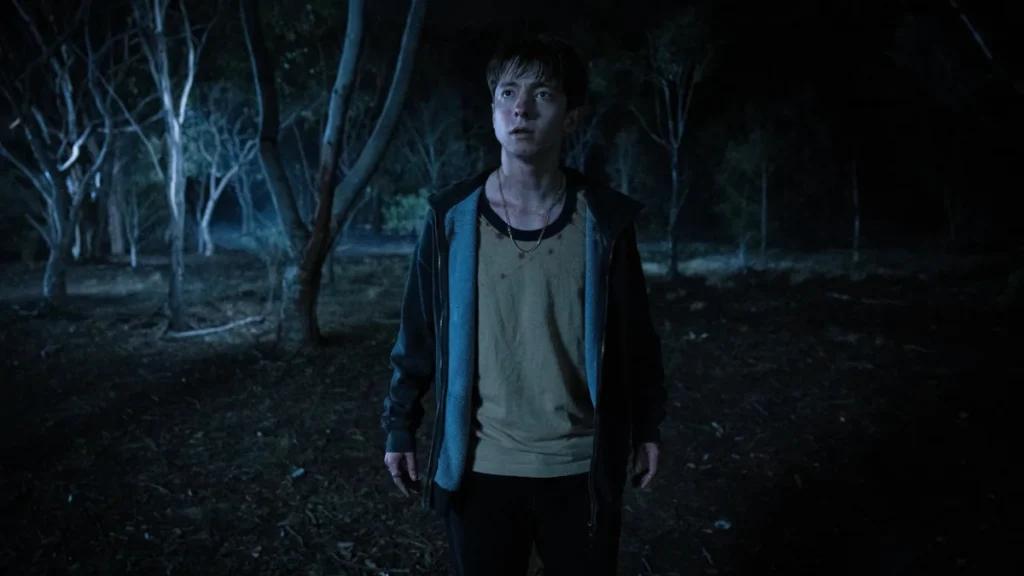
The phenomenon of "johatsu," or "evaporated people," a term referring to individuals who voluntarily disappear from their lives in Japan, has long been a subject of fascination and concern. While the desire to escape overwhelming stress, societal pressures, or personal hardship is a universal human experience, Japan’s unique socio-cultural landscape has given rise to a complex industry dedicated to facilitating these disappearances and the subsequent attempts to uncover them. The documentary "Vapeur," by directing duo Anush Hamzehian and Vittorio Mortarotti, delves into this intricate world, not by focusing solely on the act of vanishing, but by examining its ripple effects through the lens of a detective tasked with finding those who wish to remain lost.
The Ubiquitous Shadow of the Johatsu
Estimates suggest that as many as 100,000 individuals annually utilize services in Japan to sever ties and forge new identities. This striking figure underscores the profound social and psychological pressures that can drive people to such extreme measures. Japan’s deeply ingrained cultural emphasis on conformity, its hierarchical social structures, and the demanding nature of its corporate environment are frequently cited as contributing factors. The pressure to maintain a perfect facade, coupled with limited avenues for expressing dissent or seeking individualistic expression, can create a suffocating atmosphere for some. The existence of specialized agencies, discreetly offering assistance in creating new lives, highlights the societal acceptance, or at least the pragmatic recognition, of this clandestine practice.
The 2014 documentary "Johatsu – Into Thin Air," by Andreas Hartmann and Arata Mori, was one of the first to bring this phenomenon to wider international attention. Through poignant interviews, it illuminated the deep emotional pain and the desperate yearning for escape that motivates individuals to become untraceable to their families and friends. These earlier explorations painted a picture of a society where the weight of expectation could become unbearable, leading to a desire for complete obliteration of one’s past self.
"Vapeur": A Detective’s Quest on Sakurajima
"Vapeur" takes a distinct approach to the johatsu narrative. Instead of focusing on the internal struggles of those who disappear, the film centers on the individual tasked with finding them. The narrative follows Goro Koyama, a private investigator with a unique personal history: he himself was once a johatsu. Now, he specializes in locating individuals who have intentionally vanished, a profession that requires a delicate balance of empathy, intuition, and investigative skill.
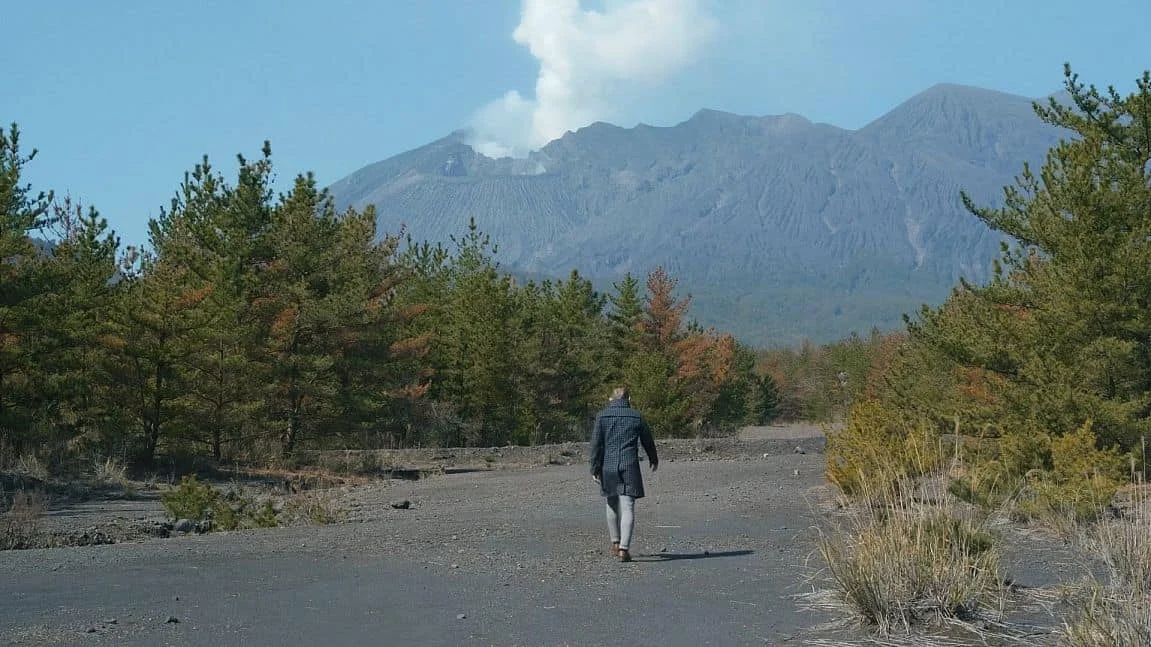
The central case in "Vapeur" involves Koyama being commissioned by a young woman to find her father, who disappeared several months prior. The father is believed to be hiding on Sakurajima, a volcanic island known for its dramatic landscape and active volcano. Koyama’s journey to the island marks the beginning of the documentary’s deeper exploration. His investigation unfolds not as a high-octane pursuit, but as a slow immersion into the island’s unique environment and its community. He engages with locals, observes their daily lives, and attempts to understand the mindset of someone seeking refuge in such a remote and volatile setting. His internal monologues and observations reveal a thoughtful contemplation of how one constructs a new existence from scratch, the immediate challenges of survival, and the crucial question of trust in a world where anonymity is the primary goal.
Sakurajima: A Microcosm of Disappearance and Resilience
The volcanic island of Sakurajima serves as more than just a backdrop in "Vapeur"; it becomes a powerful metaphor for the themes of disappearance, transformation, and inherent risk. Unlike the broader societal analysis presented in "Johatsu – Into Thin Air," "Vapeur" zooms in on the micro-level of a community that, while dependent on external trade, is tightly bound by its own internal dynamics, secrets, and a palpable sense of shared experience.
The arrival of Detective Koyama on Sakurajima subtly disrupts the island’s rhythm. A pivotal scene features an elderly woman who runs the island’s sole ramen restaurant. Following her initial interaction with Koyama, she convenes with friends to discuss the missing man. Their conversation, initially focused on speculating about his identity within their community and the potential reasons for his disappearance, soon pivots to a more immediate and existential concern: the ever-present threat of the island’s active volcano.
The woman recounts the devastating eruption in the mid-20th century, an event that necessitated the island’s complete evacuation and irrevocably altered the lives of its inhabitants. This historical trauma casts a long shadow, underscoring the precariousness of existence and the ever-present possibility of sudden, forced displacement. The memory of this event serves as a poignant reminder that disappearance, whether voluntary or involuntary, is a recurring theme woven into the fabric of their lives. For some, the aftermath of the eruption represented a devastating loss; for others, it became a catalyst for profound reorientation and the eventual decision to leave the island, effectively becoming "evaporated" from their former lives.
The Evolving Nature of the Investigation
As the narrative progresses, the initial detective case—finding the missing father—begins to recede, making way for a more profound exploration of the island and its people. Hamzehian and Mortarotti’s cinematography is characterized by its calm, measured pacing, allowing viewers to absorb the atmosphere of Sakurajima. The filmmakers skillfully capture the island’s multifaceted character, a place still bearing the imprints of past disappearances and the enduring legacy of natural upheaval.
The veneer of stability on the island begins to fray when an urgent loudspeaker announcement calls for an evacuation, accompanied by a subtle tremor from the volcano. This moment of palpable tension underscores the fragility of life on Sakurajima and draws a parallel between the island’s geological volatility and the human inclination to disappear. A temple caretaker explains to Koyama that many visitors do not come solely for religious devotion but to offer prayers and appeasements to the volcano, acknowledging its immense power and the deep-seated respect—and fear—it commands.
Through these interwoven elements, "Vapeur" evolves from a detective story into a quiet, contemplative meditation on the nature of disappearance itself. The film explores how moments of profound disruption, whether personal or environmental, can paradoxically serve as catalysts for new beginnings. It examines how the memory of these disappearances, and the transformations they entail, continue to shape the present realities of individuals and communities. The documentary suggests that the act of becoming "evaporated" is not merely an escape but a complex process of redefinition, a testament to human resilience and the enduring capacity for reinvention.
A Timeless Essay on Memory, Forgetting, and Dissolution
Ultimately, "Vapeur" offers a thoughtful and nuanced perspective on disappearance as an intrinsic aspect of the human condition. What begins as a straightforward detective narrative blossoms into a timeless essay on the interconnected themes of memory, forgetting, and dissolution within our modern world. The filmmakers, through their tranquil imagery and sensitive portrayal of the island’s seemingly secure idyll, invite viewers to ponder the profound existential questions that lie beneath the surface of everyday life.
The documentary’s strength lies in its ability to connect the personal journey of a detective seeking a lost father with the broader societal phenomenon of johatsu, and further, with the primal forces of nature embodied by the active volcano. It suggests that the human impulse to disappear, to shed old identities and seek new ones, is a profound and often necessary response to overwhelming circumstances. In a world increasingly characterized by constant connectivity and the pressure to maintain a public persona, "Vapeur" reminds us of the enduring human need for introspection, escape, and the possibility of forging a new path, even in the face of profound loss and uncertainty. The film’s deliberate pacing and evocative visuals create a space for reflection, allowing the audience to consider the multifaceted nature of disappearance not as an end, but as a potential, albeit complex, new beginning. The implications of this phenomenon extend beyond Japan, resonating with individuals worldwide who grapple with the pressures of modern life and the desire for a fresh start.