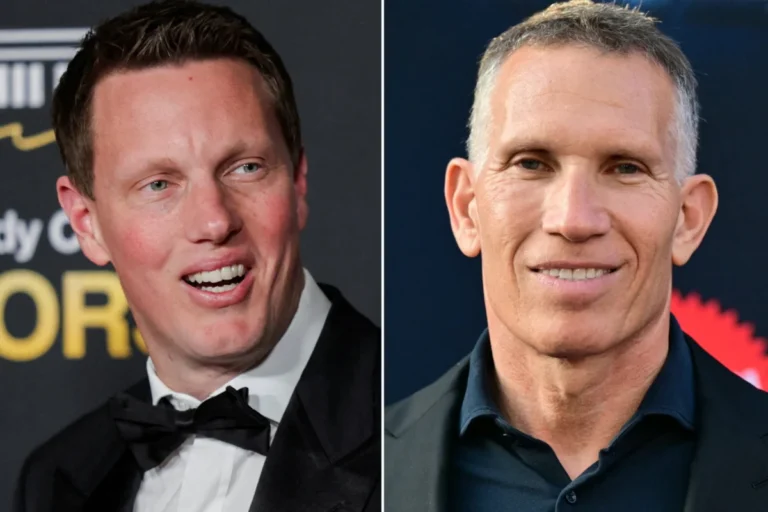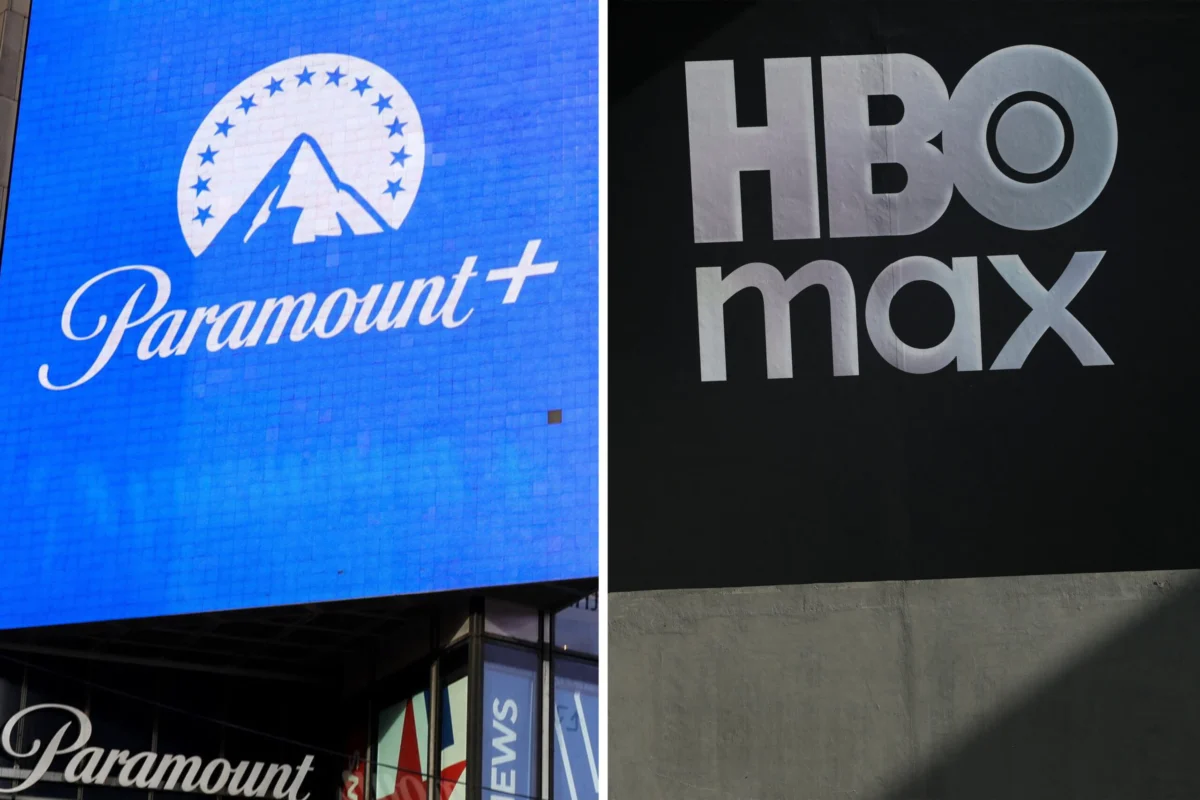
In a move that signals a seismic shift in the global media landscape, Paramount Skydance has confirmed plans to merge Paramount+ and HBO Max into a single, unified streaming platform. The announcement was made by Paramount CEO David Ellison during a high-stakes investor conference call on Monday, following the formalization of an agreement to acquire Warner Bros. Discovery (WBD). This consolidation marks the end of an era of fragmented streaming services for the two legacy media giants and sets the stage for a new powerhouse capable of challenging the market dominance of Netflix and Disney+.
The acquisition, valued at $31 per share, comes after a protracted and often volatile bidding war that saw industry leader Netflix eventually withdraw its interest. With the deal now moving toward the regulatory approval phase, the combined entity is projected to boast a subscriber base of approximately 200 million users worldwide. This figure reflects the current combined totals of Paramount+ and the recently rebranded HBO Max, placing the new service in the top tier of global streaming platforms.
The Strategic Vision for a Unified Platform
David Ellison, the architect behind the Skydance-led acquisition, emphasized that the primary goal of the merger is to achieve a scale that was previously unattainable for either company in isolation. By folding Paramount+ and HBO Max into a single application, the new company aims to reduce churn, streamline operating costs, and provide a more compelling value proposition to consumers who are increasingly wary of "subscription fatigue."
During the investor call, Ellison was clear about the importance of brand preservation, particularly regarding HBO. Despite the technical and structural merger of the platforms, Ellison assured investors and fans alike that the HBO identity would remain a cornerstone of the new service. "HBO should stay HBO," Ellison stated, acknowledging the brand’s four-decade history as a gold standard for prestige television.
According to sources familiar with the transition plans, HBO is expected to function as a premium sub-brand or a distinct "hub" within the larger, yet-to-be-named streaming service. This strategy mirrors the approach taken by Disney+ with its integration of brands like Marvel, Star Wars, and National Geographic. While the overarching platform will carry a new name, the "HBO" moniker will continue to signal high-end, award-winning content.
Leadership and Branding Evolution
The future of the service’s creative direction remains a point of intense interest within Hollywood. Casey Bloys, the current Chairman and CEO of HBO and Max Content, is widely credited with maintaining HBO’s critical and commercial hot streak with hits like "The Last of Us," "House of the Dragon," and "Succession." While his current contract is slated to run through 2027, the integration of Paramount’s vast library—including the "Star Trek" and "Mission: Impossible" franchises—will require a delicate balancing act of leadership.
The decision to retain the HBO name within the platform represents a strategic pivot from previous management decisions. In 2023, Warner Bros. Discovery CEO David Zaslav famously dropped "HBO" from the "HBO Max" title, rebranding the service simply as "Max." The rationale at the time was to signal that the service offered more than just prestige dramas, incorporating unscripted content from the Discovery portfolio. However, that decision was reversed last year after internal data and market feedback suggested that the removal of the HBO brand had diluted the service’s perceived value. Ellison’s commitment to "keeping HBO as HBO" suggests a return to a brand-first philosophy.
A Powerhouse in Live Sports and News
One of the most significant advantages of the Paramount-WBD merger lies in the consolidation of sports broadcasting rights. The combined service will bring together the assets of CBS Sports and TNT Sports, creating a nearly unrivaled portfolio of live athletic programming.
The unified platform will offer subscribers access to a comprehensive suite of major sporting events, including:

- The NFL (via CBS’s long-term broadcast rights)
- The NCAA Division I Men’s Basketball Tournament (March Madness)
- Major League Baseball (MLB)
- The National Hockey League (NHL)
- National Association for Stock Car Auto Racing (NASCAR)
- The French Open (Roland-Garros)
- The Masters Tournament
- A significant slate of high-profile college football games
Paramount executives addressed potential antitrust concerns during the Monday call, noting that they have not received any formal signals from regulators that the breadth of their sports offerings would trigger a block of the merger. They argued that the sports market remains highly competitive, with Amazon, Apple, and Google (via YouTube TV) all aggressively bidding for live rights. By combining CBS and TNT assets, the new entity believes it can offer a "one-stop-shop" for sports fans that justifies the subscription cost in an era of rising licensing fees.
A Chronology of HBO’s Streaming Journey
The path to this merger has been defined by a decade of corporate restructuring and rebranding efforts. Understanding the history of HBO’s digital presence provides context for why the Paramount-Skydance deal is seen as a final attempt at stability.
- 2010: Time Warner launches HBO Go as a "TV Everywhere" service, allowing cable subscribers to stream content on mobile devices and computers.
- 2015: Recognizing the rise of cord-cutting, HBO launches HBO Now, a standalone direct-to-consumer service that does not require a cable bundle.
- 2018: AT&T acquires Time Warner for $85 billion, renaming it WarnerMedia. The telecom giant pushes for a broader streaming strategy to compete with Netflix.
- 2020: HBO Max is launched, combining the HBO library with Warner Bros. films, DC Comics content, and Turner Classic Movies.
- 2022: AT&T divests WarnerMedia, which then merges with Discovery Inc. to form Warner Bros. Discovery (WBD) under CEO David Zaslav.
- 2023: Zaslav rebrands the service as "Max," removing the HBO name to emphasize the inclusion of Discovery+ reality programming.
- 2025: Following a dip in brand recognition and subscriber sentiment, WBD restores the name to "HBO Max."
- Present: Paramount Skydance agrees to acquire WBD, announcing the ultimate combination of the service with Paramount+.
Financial Implications and Market Reaction
The $31-per-share agreement represents a significant premium over WBD’s recent trading prices, reflecting Skydance’s confidence in the long-term value of the combined content libraries. The deal was made possible after Netflix, which had been exploring an acquisition of WBD to bolster its own library of licensed content, pivoted away from the bidding war. Industry analysts suggest that Netflix’s withdrawal was likely due to the massive debt load currently carried by Warner Bros. Discovery, as well as potential regulatory scrutiny that a Netflix-WBD merger would have attracted.
For Paramount, the merger is a lifeline. The company has struggled with a declining linear television business and the high costs of scaling Paramount+. By joining forces with WBD and receiving the financial backing of the Ellison family (Skydance is led by David Ellison, son of Oracle co-founder Larry Ellison), the new Paramount-WBD entity enters the market with a much cleaner balance sheet and significantly more leverage in negotiations with advertisers and cable distributors.
Regulatory Outlook and Antitrust Considerations
While executives expressed optimism, the merger must still pass through the Department of Justice (DOJ) and the Federal Communications Commission (FCC). Recent years have seen increased scrutiny of "mega-mergers" in the media space. However, some analysts point out that this deal may be viewed more favorably than others because it involves two "traditional" media companies merging to survive in a landscape dominated by tech giants like Amazon and Apple.
Federal Communications Commission officials have previously noted that the media industry is in a state of flux, and consolidation may be a necessary economic reality for companies whose primary revenue once came from the declining cable bundle. If approved, the merger would likely take 12 to 18 months to finalize, with the integrated streaming service expected to debut in late 2026 or early 2027.
The Future of Content Production
The merger also raises questions about the future of the historic Paramount and Warner Bros. studio lots. Skydance, which has been a prolific producer of blockbuster films, is expected to take a hands-on approach to revitalizing the film slates of both studios.
David Ellison’s vision involves a "tech-forward" approach to content creation, utilizing Skydance’s expertise in animation and visual effects to enhance the output of franchises like the DC Universe and Star Trek. By centralizing production resources, the combined company hopes to release a steady stream of theatrical blockbusters that will eventually serve as "anchor tenants" for the unified streaming platform.
As the industry watches closely, the message from the Paramount-Skydance camp is clear: scale is the only path to survival. With 200 million subscribers and a library that spans from "The Godfather" to "Game of Thrones," the new service will possess the cultural weight and financial muscle to define the next chapter of the streaming wars. For consumers, the merger promises a more robust platform, though the questions of final pricing and the ultimate name of the service remain the last major pieces of the puzzle.