



Art Theatre Guild’s "Before Spring" Navigates Shifting Tides of Japanese Cinema and Societal Undercurrents
Released in Japan on September 20, 1980, Before Spring, originally titled Haru no Yūtsu, emerged from a pivotal era for the Art Theatre Guild (ATG). This production marked a significant transition for the company, being the first film overseen by Shiro Sasaki following his ascent to ATG’s second presidency. Hojin Hashiura penned the screenplay for this evocative drama, which was produced by Cinema Hout and ATG, and distributed by ATG. The film’s commitment to authenticity is underscored by its entirely on-location shooting in the picturesque seaside towns of Ishikawa Prefecture. Notably, the ancestral family home, central to the narrative, was filmed within a building designated as an important cultural property, imbuing the setting with a palpable sense of history and gravitas.
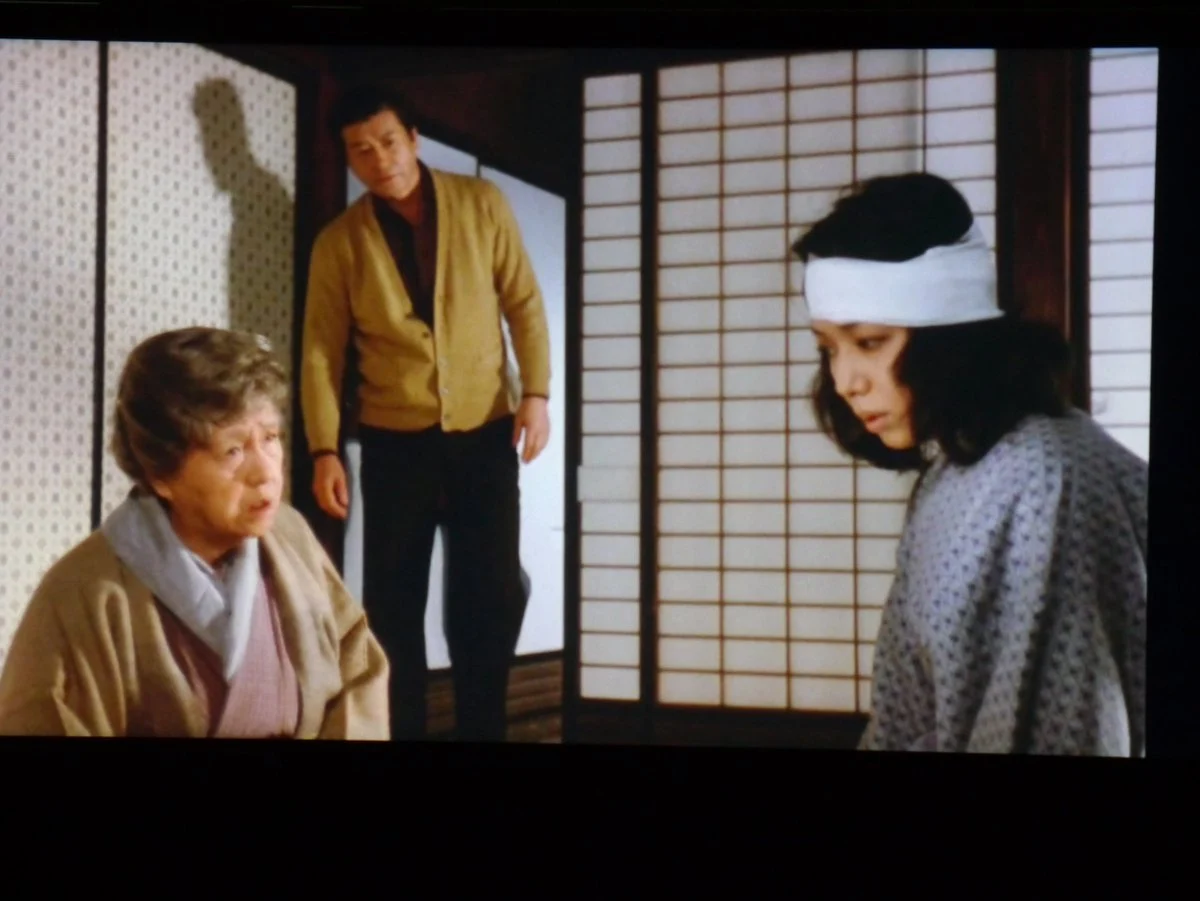
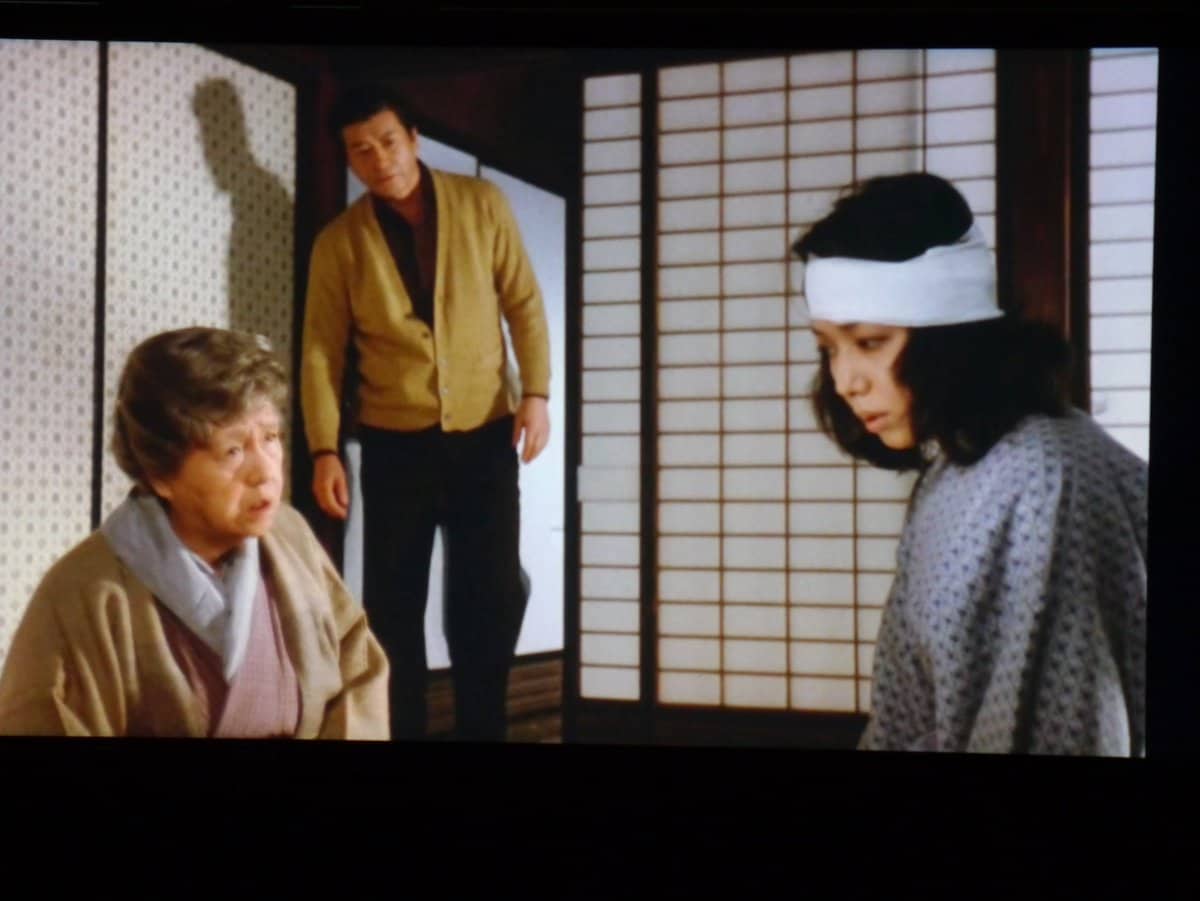
The narrative unfolds in a secluded coastal town within the Hokuriku region, centering on a venerable, established family. At the heart of the drama is Iyo Ujima, a teenage girl whose observational perspective serves as the primary lens through which the unfolding events are filtered. The catalyst for the ensuing drama arrives when Iyo’s father, Riichiro, discovers an unconscious woman washed ashore near their home and brings her into the family dwelling. Upon awakening, the woman reveals she has lost her memory, her enigmatic presence disrupting the household’s established rhythm. Her arrival ignites latent tensions among the adults, compelling Iyo to witness a complex world of desire, guilt, pity, and frustration that she is only beginning to comprehend.
A Stranger’s Arrival and the Unraveling of Domesticity
The arrival of the amnesiac woman triggers a cascade of reactions within the Ujima household. Iyo’s uncle, Yukio, Riichiro’s adopted brother, who maintains a clandestine relationship with a local bar hostess named Sachio, becomes intrigued by the newcomer. He soon assumes the role of her self-appointed savior, a gesture that masks his own complex motivations. Meanwhile, Riichiro finds himself increasingly drawn to the woman with a burgeoning sense of lust. Iyo, though perplexed by the stranger’s presence, senses an underlying trauma that seems to resonate with the mysterious woman, hinting at shared burdens or a mirroring of past suffering.
Hojin Hashiura’s screenplay masterfully employs the classic narrative trope of a stranger disrupting a small, insular community. However, Before Spring imbues this framework with a distinct 1970s Japanese sensibility. The script eschews a straightforward mystery surrounding the woman’s identity, instead utilizing her amnesia as a potent mirror reflecting the emotional evasions and repressed desires of those around her. The adults project their individual needs, fears, and unresolved conflicts onto her, while Iyo observes these interactions with a potent mix of youthful curiosity, innocent observation, and a dawning suspicion. The film transcends the conventional definition of a family drama, evolving into a profound study of how a household absorbs a significant rupture and how a young girl gradually apprehends the intricate web of secrets and contradictions that underpin the adult world.
The Shifting Sands of Community and the Echoes of the Sea
The impact of the stranger’s arrival on the wider community is another compelling facet of the film. The coastal town, governed by the pervasive forces of gossip and curiosity, struggles to accommodate the unfamiliar. This insular environment, while capable of fostering mutual support, also exhibits an inherent resistance to change. The amnesiac woman’s presence amplifies the negative aspects of this communal dynamic, becoming the subject of intense speculation and fueling a plethora of theories. Concurrently, her arrival acts as a disruptive force against the positive communal ties, bringing long-buried tensions to the surface. These resurfacing conflicts include Iyo’s own latent trauma and her father’s instinctive, often unsettling, behaviors.
The seaside setting is not merely a backdrop but an integral element of the narrative’s thematic resonance. The very title, Before Spring, evokes the rhythmic ebb and flow of the tide, imbuing the story with a cyclical tempo of return and repetition. The ceaseless presence of the sea mirrors the characters’ perceived inability to escape the emotional and psychological burdens they attempt to suppress. In stark contrast, the old family house, laden with historical significance and rigidly defined spaces, embodies the opposing force of inheritance, hierarchy, and confinement. The interplay between the expansive, fluid sea and the enclosed, static house forms the bedrock of Before Spring‘s narrative power. While the characters engage in speech, movement, and reaction, the most profound emotional currents often manifest in what remains suspended in the atmospheric tension.
Cinematic Techniques: Capturing the Duality of Setting and Emotion
Hiroshi Segawa’s cinematography is instrumental in portraying the dual nature of the film’s settings, presenting them as both havens and prisons, thereby underscoring the institutionalization inherent in close-knit communities. The depictions of the sea are particularly multifaceted, oscillating between serene tranquility, ominous foreboding, and even a suffocating presence that seems to impede any potential escape from the narrative’s confines.
Makoto Arai’s editing facilitates a patient unfolding of the drama, though occasional moments of temporal lag are discernible. The transitions into characters’ imaginations, dreams, or memories are among the film’s most artful achievements. These sequences are strategically placed to disrupt the prevailing rhythm in a highly effective manner, offering a welcome respite from the often-repetitive nature of village life. However, the decision to integrate imaginative sequences into a finale that possessed the potential for shattering dramatic impact is a stylistic choice that may not resonate universally with all viewers.
Performances: Illuminating Inner Turmoil and Symbolic Weight
Keiko Oginome delivers a compelling performance as Iyo, imbuing the character with a pervasive alertness that solidifies her centrality to the narrative, even when she is not the active agent of the plot. Her portrayal radiates a quiet pride, innocence, and dignity. The camera frequently acknowledges that the true dramatic weight lies not solely in the actions of the adults but in what Iyo absorbs through her observations. Her coming-of-age is not demarcated by a single, decisive event but by a gradual accumulation of impressions. Simultaneously, the intermittent materialization of the trauma she carries provides some of the film’s most poignant and memorable moments.
Ryo Ikebe lends a performance of remarkable restraint and ambiguity to the character of Riichiro, portraying him as an enigmatic figure capable of both benevolent and malevolent actions, at least until his true nature is fully revealed. His performance accentuates this inherent ambiguity through a consistently competent effort. Ikebe’s decision to bring the amnesiac woman into his home can be interpreted as an act of compassion, yet it simultaneously introduces a disquieting tension by upsetting the family’s delicate equilibrium. Ikebe’s strength lies in his understated approach; he avoids overstating Riichiro’s motivations, leaving the viewer to ponder whether his actions stem from kindness, loneliness, guilt, or desire.
Karin Yamaguchi faces the formidable challenge of embodying the woman without memory, tasked with portraying both a tangible person and a potent symbol. Her performance embraces this inherent instability, presenting a character who is simultaneously vulnerable and disruptive, seemingly blank in one regard yet emotionally perilous in another. This duality positions her character as akin to a siren from classical mythology, capable of luring and enchanting, yet also possessing a dangerous allure.
ATG’s Evolving Landscape and the Broader Implications
The production of Before Spring occurred during a period of introspection and adaptation for the Art Theatre Guild. Established in the 1960s, ATG played a crucial role in fostering a new wave of Japanese cinema, supporting auteur directors and independent productions that challenged the conventions of the mainstream industry. By the late 1970s and early 1980s, the cinematic landscape was evolving, with shifting audience preferences and economic pressures impacting independent film. Shiro Sasaki’s leadership at ATG during this period was characterized by an effort to navigate these changes while upholding the company’s commitment to artistic integrity. Before Spring, with its nuanced exploration of human psychology and societal undercurrents, exemplifies ATG’s continued dedication to producing films that provoke thought and engage with complex themes.
The film’s thematic explorations resonate with broader societal trends observable in post-war Japan. The narrative’s focus on the disruption of a seemingly stable family unit and the anxieties surrounding individual identity and societal expectations can be seen as reflecting the evolving social fabric of the era. The tension between tradition and modernity, the lingering impact of historical trauma, and the complexities of interpersonal relationships within a rapidly changing society are all subtly woven into the fabric of Before Spring.
Conclusion: An Ambiguous Masterpiece of Atmosphere and Emotion
Much like its characters, Before Spring is an inherently ambiguous film. The director’s deliberate choice to focus not on the newcomer’s backstory but on the profound disruption she instigates, enriches the narrative with both compelling character traits and intricate thematic issues. The film’s enduring quality is undeniably bolstered by the exceptional cinematography, the nuanced performances, and the insightful analysis of both the acting and the evocative setting. Before Spring stands as a testament to the Art Theatre Guild’s legacy, offering a deeply atmospheric and emotionally resonant cinematic experience that continues to captivate audiences with its subtle exploration of the human condition. The film’s exploration of how individuals and communities confront the unknown, and the lingering impact of unspoken truths, ensures its place as a significant work within Japanese cinema.