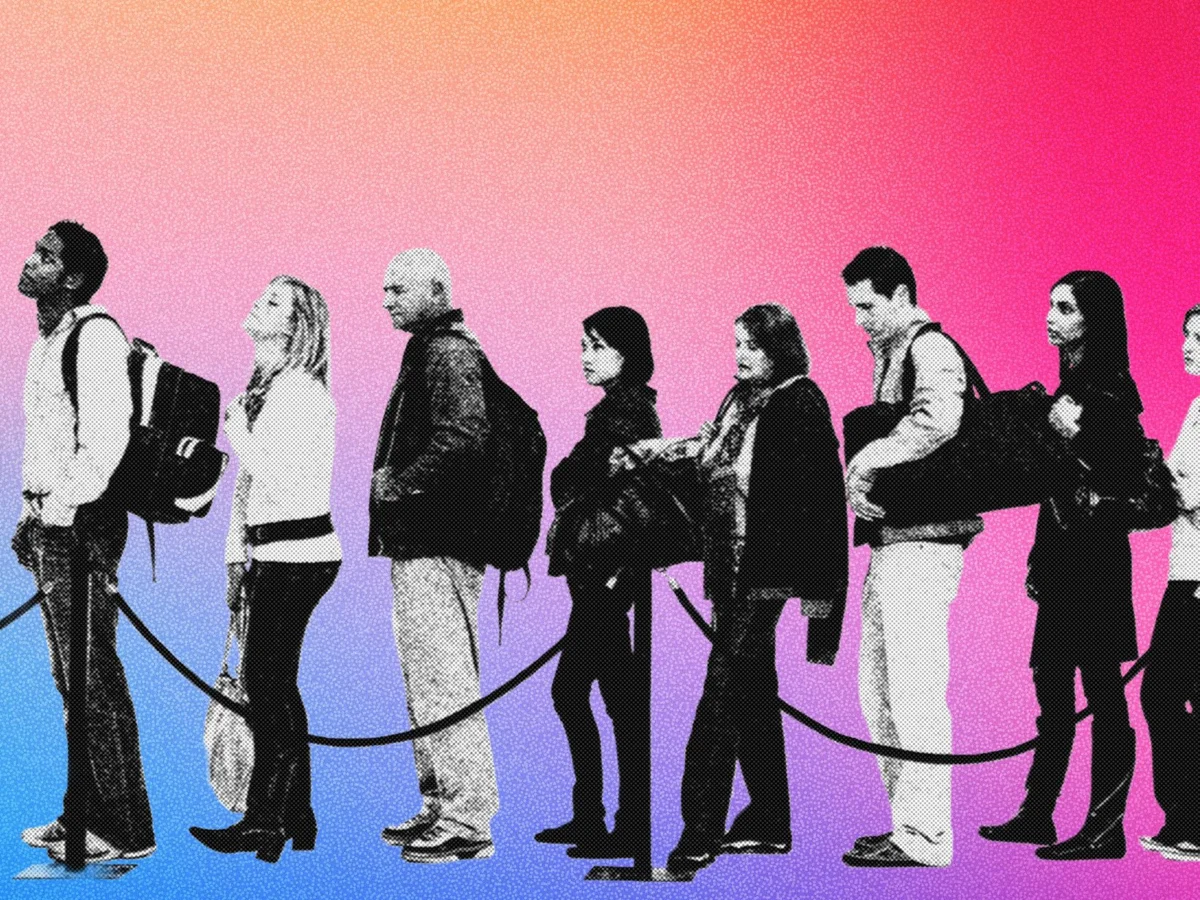
There is a special agony to existing in limbo, that state of eternal in-between where time stretches into infinity, and for millions of aspiring users, this experience is defined by their relationship with Raya. Known as the "Soho House of dating apps," Raya has cultivated a reputation for extreme exclusivity since its launch in 2015. However, as the platform approaches its first decade of operation, the "members-only" allure has transformed into a source of psychological frustration and a booming black market for referrals. Today, some 2.5 million people remain stuck in the application queue—a digital bottleneck where the chosen few breeze inside while the rest are left to wait for years in a state of perpetual "pending" status.
The Mechanics of Digital Gatekeeping
Raya was originally marketed as an aspirational community for individuals in creative industries. To gain entry, a prospective user requires more than just a functional smartphone; they must receive an invitation from an existing member, provide their Instagram handle, and pass a rigorous vetting process overseen by an anonymous committee. Once the application is submitted, the user is locked out of the interface until—or unless—they are approved.
According to industry data and previous reports from the Wall Street Journal, Raya receives approximately 100,000 new applications every month. Despite this high volume of interest, the admittance rate remains notoriously low, hovering just above 8 percent. This scarcity is not merely a byproduct of high demand but a calculated business strategy designed to maintain a high "status" environment. For those on the outside, the process is opaque. The waitlist is not a chronological queue; it is a dynamic, algorithmically managed pool where status is constantly reassessed based on geographic trends, social media influence, and the quality of referrals.
The Human Cost of the Five Year Wait
For many applicants, the initial excitement of applying to an elite platform has curdled into a sense of personal rejection. Gabriela Mark, a 23-year-old law student and model based in San Diego, represents a growing demographic of "waitlist veterans." Mark has been in the Raya queue for five years. In early 2024, after reaching her breaking point, she sent a candid email to the company’s support team, asking if her application was a "running gag" or if she was being "bullied" by the administration. She received no response.
"I don’t know what their deal is, but there’s a reason I’m trapped on this waitlist and I needed to find out what it was," Mark told WIRED. Her experience is mirrored by Jennifer Rojas, a 40-year-old content creator in South Florida. Rojas applied in 2020 while working as an actress and has remained in limbo for six years, despite accumulating 17 referrals from active members.
"It’s a bit of a mental fuck," Rojas admitted, noting that she initially checked her status daily. "You start to look inward. Like, maybe it’s me. Maybe it’s this or that." This psychological toll is a recurring theme among the waitlisted. When friends or "frenemies" with fewer followers or fewer referrals are granted access within weeks, the remaining applicants are left to decipher a hierarchy that the app refuses to explain.
A Chronology of Exclusivity: From Creative Hub to Celebrity Sanctuary
The evolution of Raya reveals a shift in the platform’s core identity.
- 2015: Raya launches as a niche tool for the "creative class" in New York and Los Angeles.
- 2017-2019: The app gains mainstream notoriety as celebrity users like Channing Tatum, Dakota Fanning, and Simone Biles are reported to be active on the platform. (Biles famously met her husband through the app).
- 2020-2022: During the global pandemic, interest in curated digital spaces surged. Raya’s waitlist swelled as users sought an escape from the "gamified" and often exhausting experience of mass-market apps like Tinder and Bumble.
- 2023-Present: The platform has become a cultural touchstone for "clout," leading to the emergence of a secondary market where referrals are traded as currency.
This timeline highlights a transition from a functional networking and dating tool to a pure status symbol. Mihai Vasile, a 32-year-old creative director in New York who has been waitlisted for two years, argues that this extreme curation may eventually lead to stagnation. "After a certain point, every one of these curated spaces open their doors for others outside said communities, which is not a bad thing, but it dilutes the original purpose of curation," Vasile observed.
The Economics of the Referral Black Market
The desperation to bypass the Raya waitlist has birthed a lucrative underground economy. On social media platforms like TikTok and Reddit, the search for "Raya referrals" has become a pervasive trend. The subreddit r/RayaReferral, which sees nearly 5,000 visitors weekly, serves as a marketplace where current members sell their limited "friend passes" for prices ranging from $75 to $150.
For Raya, which charges approved users a monthly fee of $25 (or $50 for a premium "Raya+" membership), this secondary market represents a double-edged sword. While it reinforces the app’s value as a high-demand commodity, it also threatens the integrity of the "vetted" community the app claims to protect. If referrals can be purchased by anyone with a PayPal account, the "creative community" aspect of the platform becomes a facade for a pay-to-play system.
Corporate Silence and the "Ghosting" of the Public
Efforts to gain clarity from Raya’s leadership often result in a digital dead end. When journalists attempted to schedule an interview with Ifeoma Ojukwi, the Vice President of Global Memberships who oversees the application process, the company’s communications team abruptly ceased contact. This "ghosting" of the media mirrors the experience of the millions of applicants who receive no feedback on their status.
This lack of transparency is a core component of Raya’s brand. By remaining silent, the company maintains its "mystique," a marketing tactic that Daniel Gendelman, the app’s founder, has long prioritized. However, as the waitlist grows to the size of a small country’s population, the strategy is increasingly viewed by critics as a form of "engagement bait"—keeping hopeful users tethered to the brand without ever intending to provide the service.
The Broader Impact: The AI-Driven Future of Curated Dating
The "Raya model" is no longer an outlier; it is becoming the blueprint for the entire dating industry. As major platforms face "swiping fatigue" and declining user satisfaction, they are pivoting toward high-cost, curated experiences.
- Tinder Select: A $499-per-month membership tier that allows "the most active" users to message people they haven’t matched with.
- Grindr Edge: An AI-powered subscription costing $500 per month that promises "less scrolling" and "better conversations" through advanced curation.
- AI Integration: Industry leaders are increasingly looking toward AI to act as a digital "gatekeeper," vetting profiles and managing introductions to ensure a "higher quality" pool of candidates.
This shift suggests that the era of democratic, open-access dating apps may be coming to an end. In its place is a fragmented landscape where social and financial capital dictate who has access to the most desirable dating pools. The 2.5 million people on the Raya waitlist are the first generation of daters to experience this new reality—one where your "digital worth" is calculated by an algorithm before you are even allowed to see a single profile.
Conclusion: The Persistence of Hope in the Abyss
Despite the frustrations, many applicants refuse to delete the app. The "carrot" of exclusivity remains too tempting for those who believe they belong in the "elite subset" of society. For Jennifer Rojas, the five-year wait eventually led to an unexpected professional pivot. After posting about her "Raya purgatory" on TikTok, a competing dating app reached out to her, offering a $300 sponsorship to create content for their platform.
"It actually kickstarted my journey as a creator," Rojas said. While she never gained access to the celebrities and creative elites on Raya, the very act of being excluded provided her with a relatable narrative that resonated with thousands of others in the same position.
As the digital world becomes increasingly stratified, the Raya waitlist serves as a stark reminder of the power of exclusion. For the 2.5 million people still waiting, the app is less of a dating tool and more of a mirror, reflecting their own desires for status, validation, and a seat at a table that may not even exist. For now, the "special agony" of the limbo continues, fueled by the hope that one day, the velvet rope will finally be lifted.