


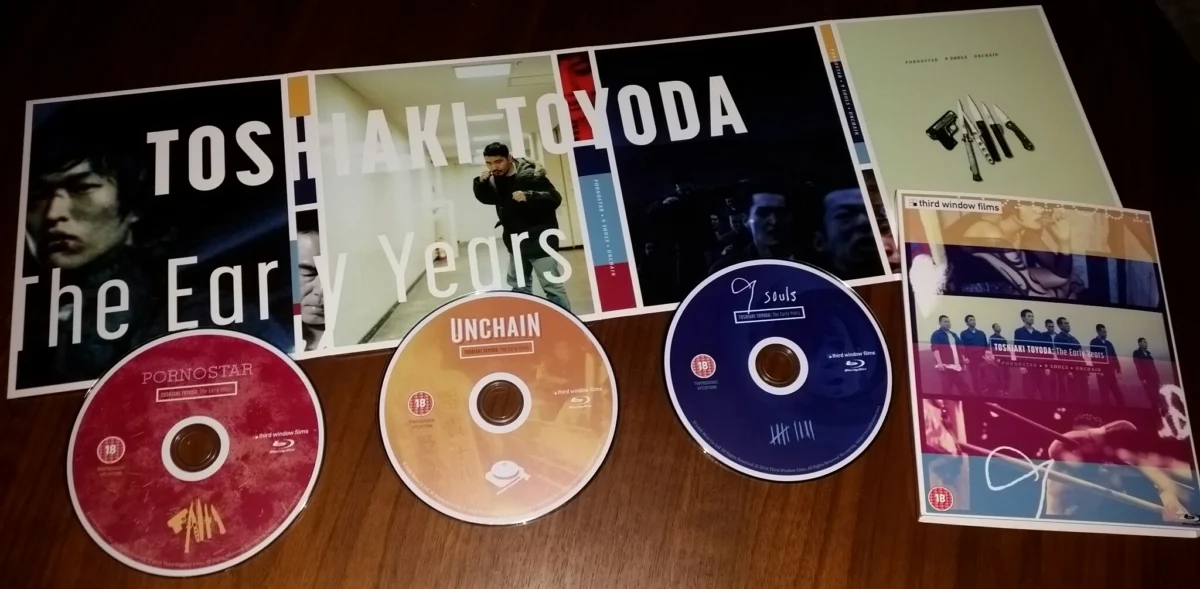
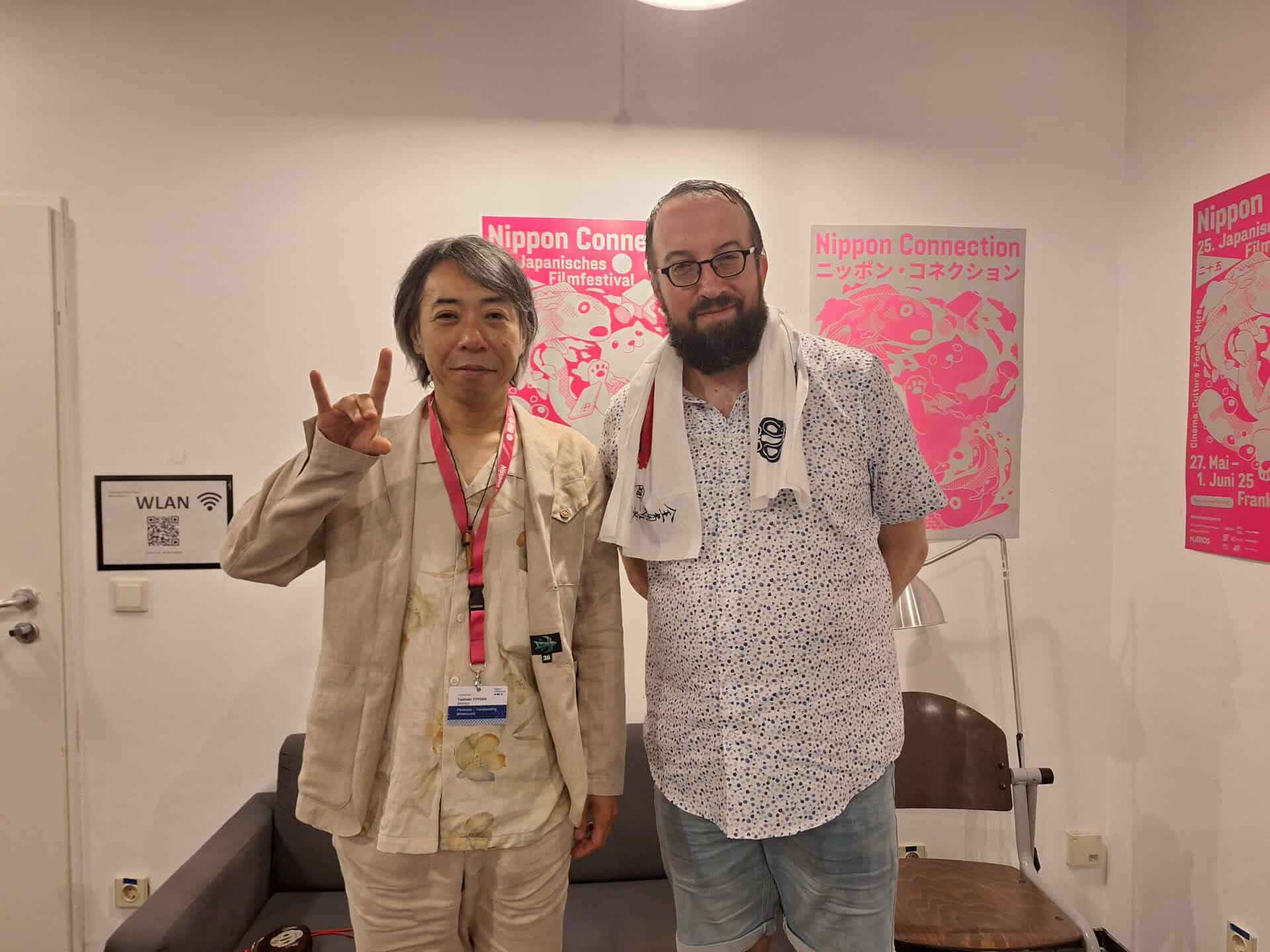
Toshiaki Toyoda, a name synonymous with originality in Japanese cinema, has carved a distinctive niche since his 1999 debut with "Pornostar." His films, including the internationally recognized "Blue Spring," "Hanging Garden," and "9 Souls," have consistently screened at global festivals, cultivating a dedicated following. Despite this acclaim, a surprising scarcity of critical and academic literature surrounds Toyoda, a significant oversight given his position as one of Japan’s most vital contemporary directors. His oeuvre grapples with themes ranging from the societal fallout of the bursting Japanese economic bubble and the disillusionment of youth to the pervasive violence of social exclusion. More recently, his work has addressed political handling of the COVID-19 pandemic, the insidious logic of capitalism, and the existential void characterizing modern existence. Toyoda’s cinema is a potent blend of anger, compassion, punk ethos, spiritual inquiry, musicality, and confrontational artistry, frequently defying easy categorization.
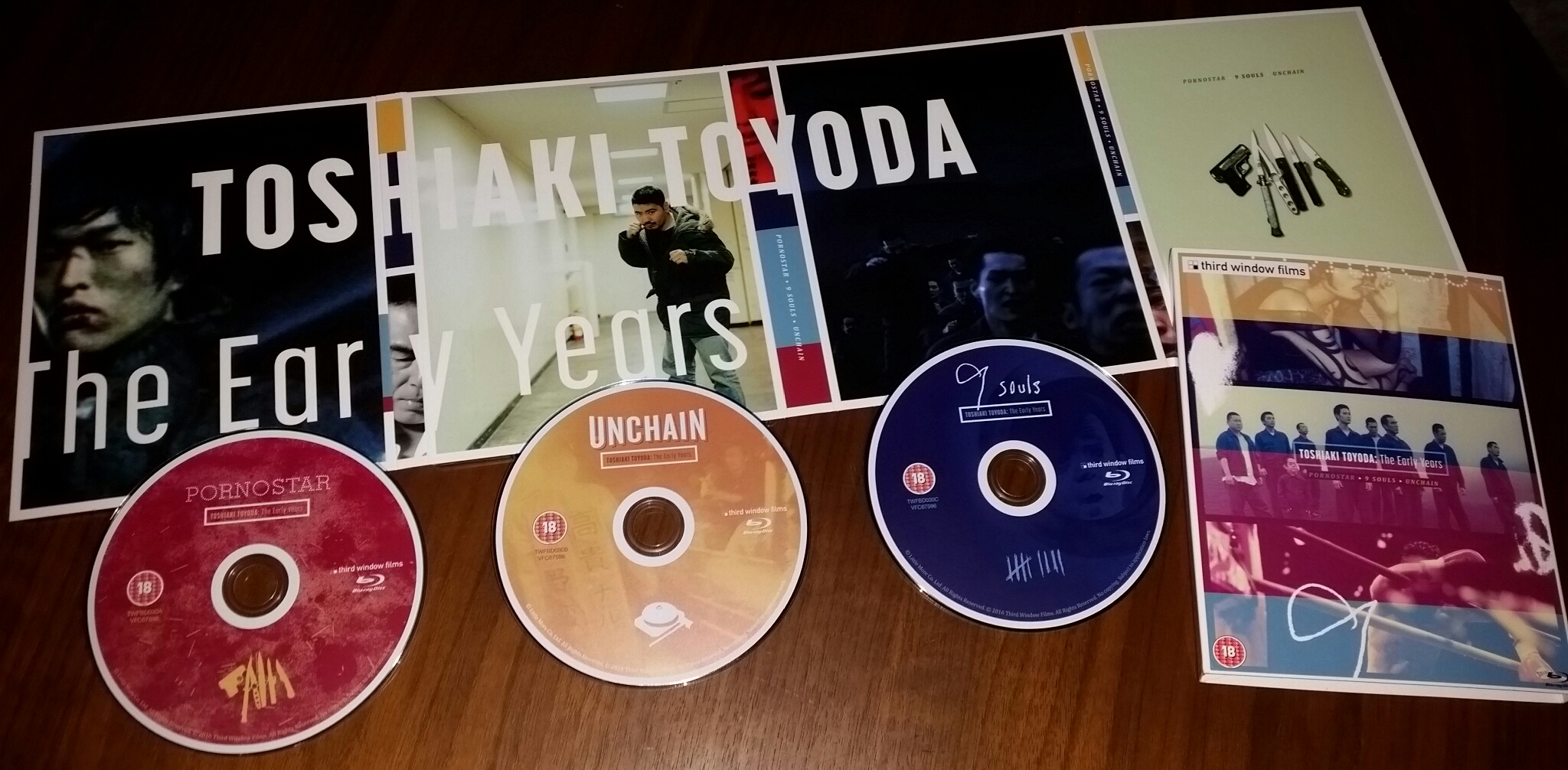
The early works of Toshiaki Toyoda reveal a profound influence of the punk movement, not solely in musical choices but in thematic and stylistic execution. Toyoda adeptly deconstructs established cinematic genres – yakuza films, prison break dramas, family sagas, biopics, documentaries, and spiritual allegories – infusing them with a diverse array of ideas and imagery to critique how societal constructs corrode human relationships. Beneath the cynicism that often permeates his narratives lies a deep vein of compassion. Whether depicting the struggles of a boxer striving for a new life amidst relentless challenges or portraying a generation adrift without perspective or faith, Toyoda consistently champions the underdogs, the outcasts, and those who feel marginalized. This empathy stems from his own declared sense of not fitting into societal norms, stating, "Because I can not fit into societal norms and am a misfit myself. People who can fit into this society seem strange to me."
Pornostar and the Genesis of a Guerilla Aesthetic
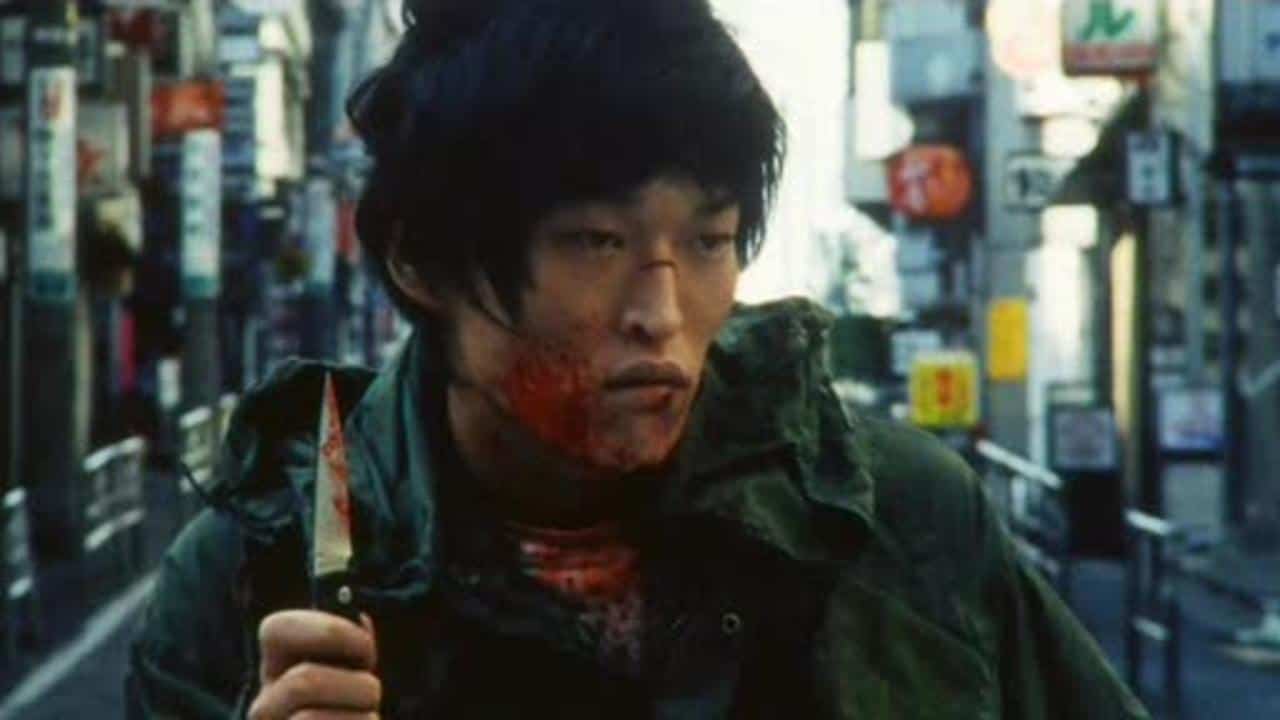
Set against the backdrop of crime-ridden 1990s Shibuya, "Pornostar" emerges as a raw, guerilla film that frequently adopts the visual language of a music video. The narrative begins with Arano, an enigmatic, almost catatonic young man whose aimless, violent progression through the city evokes a darker iteration of The Verve’s "Bittersweet Symphony" music video. His path intersects with Kamijo, a club owner caught in the periphery of the Yakuza world, despite his own gangster leanings. Through a series of brutal encounters, Arano becomes integrated into Kamijo’s circle, his propensity for violence earning him grudging respect. Their dynamic, however, is far from harmonious.
From its opening moments, "Pornostar" establishes a world where violence is the prevailing order, with nearly every male character either a gangster or on the cusp of becoming one. This milieu seems a natural, if unsettling, fit for Arano, who radiates ferocity. Yet, despite his inherent violence, he displays no apparent enjoyment of his circumstances, driven by an inexplicable, singular purpose: to inflict violence, particularly upon the Yakuza, without clear motivation. The Yakuza misinterpret Arano as one of their own, failing to recognize him as a self-destructive force beyond their control. The film is punctuated by exceptionally brutal scenes, often featuring knives as the weapon of choice, with the confrontation between Arano and Kamijo’s arch-nemesis standing out as particularly savage.
Surreal elements are a hallmark of Toyoda’s filmmaking, and "Pornostar" is no exception, with characters’ motivations often remaining opaque. Female characters occupy a secondary role, with Toyoda seemingly subverting typical cinematic portrayals of sensuality, notably through the character of 5-star Pussycat. Music is a pivotal element, with a soundtrack of alternative rock tracks by Dip providing a fitting sonic accompaniment to Shibuya’s gritty urban landscape and the film’s action sequences. Combined with occasional slow-motion sequences, "Pornostar" frequently functions as an extreme music video. Despite its low-budget production, cinematographer Norimichi Kasamatsu masterfully captures Shibuya’s decaying, moody atmosphere and the vibrant, motley interiors of clubs and bars. Toshihide Hukano’s editing propels the film forward, amplifying the violence of action scenes through rapid shifts in perspective. While not a masterpiece, "Pornostar" offers an engaging and fluid viewing experience, serving as an excellent entry point into Toyoda’s distinctive filmography. Toyoda himself has recalled the production as fraught with conflict, with some crew members challenging his decisions. However, the enthusiasm of younger cast and crew members provided crucial support, culminating in a pivotal crane shot in Shibuya that solidified his artistic vision and marked a significant personal victory.
Unchain and the Portrait of Persistent Adversity
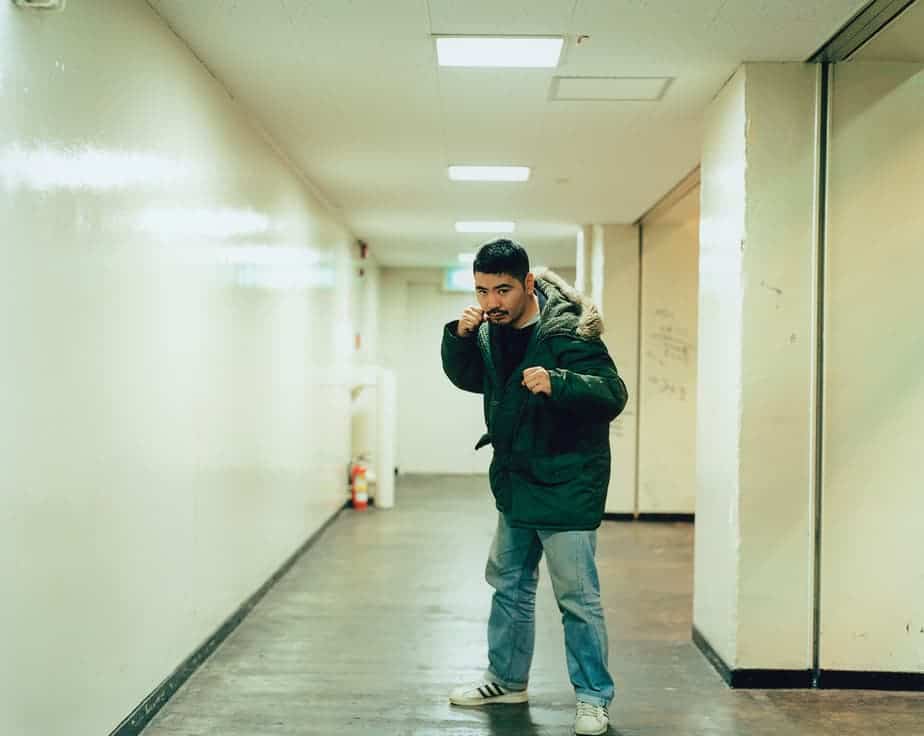
While films often celebrate underdogs achieving victory or individuals who have consistently triumphed, Toshiaki Toyoda chose a different path in "Unchain." The film focuses on a group of individuals, led by "Unchain" Kaji, who seem perpetually caught in a cycle of misfortune from birth. The narrative traces Kaji’s arduous life, beginning with his abandonment as an infant, raised by an uncle he only discovered at eighteen. Following his uncle’s death, Kaji’s foray into boxing yielded no victories, ending his career with a record of eight losses and one draw, coupled with significant eye damage. His attempts to forge a civilian life prove even more challenging, despite the support of his friends.
Toyoda documented Kaji and his companions’ lives for four years, capturing their struggles and the persistent lack of improvement despite their earnest efforts. Kaji’s trajectory is depicted as a relentless downward spiral, his survival seemingly dependent on the loyalty of his friends, a loyalty that is itself not absolute. The film’s resonance lies in Kaji’s adopted mantra, "Unchain my heart," a sentiment that the artist lived by and that Toyoda sought to embody, even if it meant transgressing legal boundaries. Kaji’s lack of fear in the face of failure is central to understanding Toyoda’s cinema; failure is not merely a narrative device but a fundamental condition of existence, through which characters reveal their dignity, defiance, stubbornness, and humanity.
Music plays a significant role in "Unchain," with a recurring Japanese remix of Ray Charles’ "Unchain My Heart" serving as a poignant soundtrack. Chihara Junia’s narration complements the film’s aesthetic, contributing to an almost hypnotic appeal that captivates viewers for its entire 98 minutes. Toyoda’s success lies in his ability to tap into an unarticulated sentiment, a testament to the documentary’s profound impact.
Blue Spring: The Zenith of Punk Youth Cinema
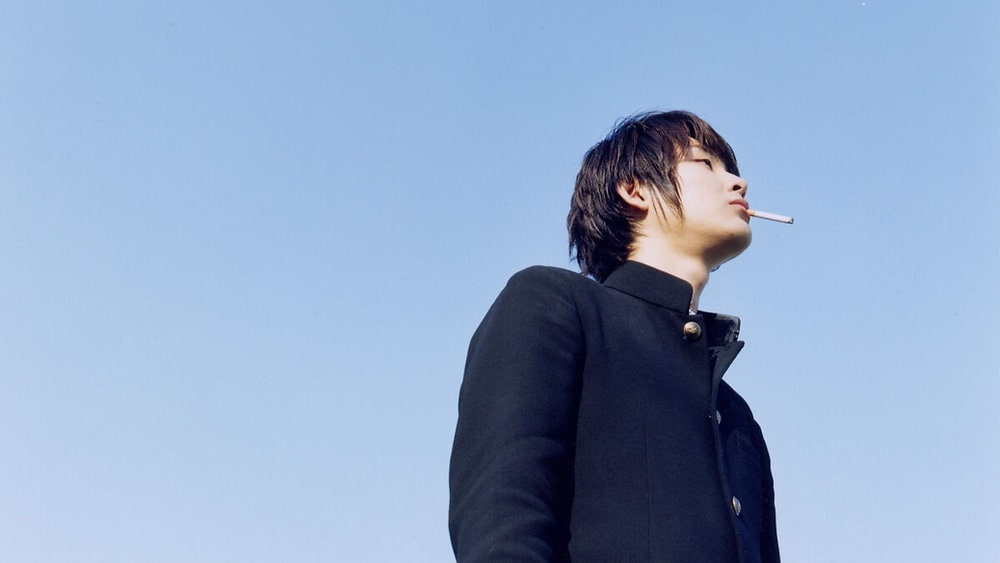
"Blue Spring" represents a significant evolution from "Pornostar," marking the apogee of Toyoda’s guerilla/punk film aesthetic and arguably his finest work to date. Based on autobiographical short stories by manga artist Matsumoto Taiyo, the film is set in a dilapidated boys’ high school populated by delinquents and perceived "lost causes." The protagonist, Kujo, ascends to the leadership of a seven-member senior gang by winning a perilous clapping game. Initially, he embraces his role, enforcing discipline with a baseball bat. However, a pervasive boredom soon overtakes him, a sentiment that extends to all his endeavors.
Toyoda’s direction in "Blue Spring" delves into adolescent struggles, but his characters and their circumstances are so extreme that the film distinguishes itself from conventional narratives. His characters are not just "losers" but profoundly hopeless, acutely aware of their bleak future, a reality acknowledged by themselves, their teachers, and their absent parents. The clapping game exemplifies this, with the winner being the one who most disregards their life, finding the sole source of excitement in their monotonous existence. Through these characters, Toyoda offers a sociopolitical commentary, depicting a school hierarchy that is often primitive, with leaders constantly proving their superiority, reminiscent of totalitarian regimes.
"Blue Spring" remains faithful to its source material’s narrative and visual style, while enriching the viewer’s connection to the characters. Kujo, Aoki, and Yukio are young individuals who have lost their drive, abandoned by authorities—teachers, parents, and the educational system itself—as evidenced by the school’s dilapidated state. The film’s distinctiveness lies in its presentation: Norimichi Kasamatsu’s bleak cinematography, Mototaka Kusakabe’s dynamic editing, and the exceptional rock/punk soundtrack by Thee Michelle Gun Elephant coalesce to create its signature guerilla/punk aesthetic, often blurring the line with an extreme music video. The juxtaposition of cherry blossom imagery with violent humor, the climactic fistfight between former friends, and the overall finale effectively leverage these elements, underscoring the film’s cool and stylish demeanor. The acting resonates perfectly with the film’s aesthetics, with Ryuhei Matsuda delivering an exceptional performance as the indifferent leader, contrasting sharply with Hirofumi Arai’s eager portrayal of Aoki, foreshadowing their inevitable confrontation. "Blue Spring" is unequivocally a cult film and a must-see for aficionados of Japanese independent cinema.
9 Souls: The Unfulfilled Utopia
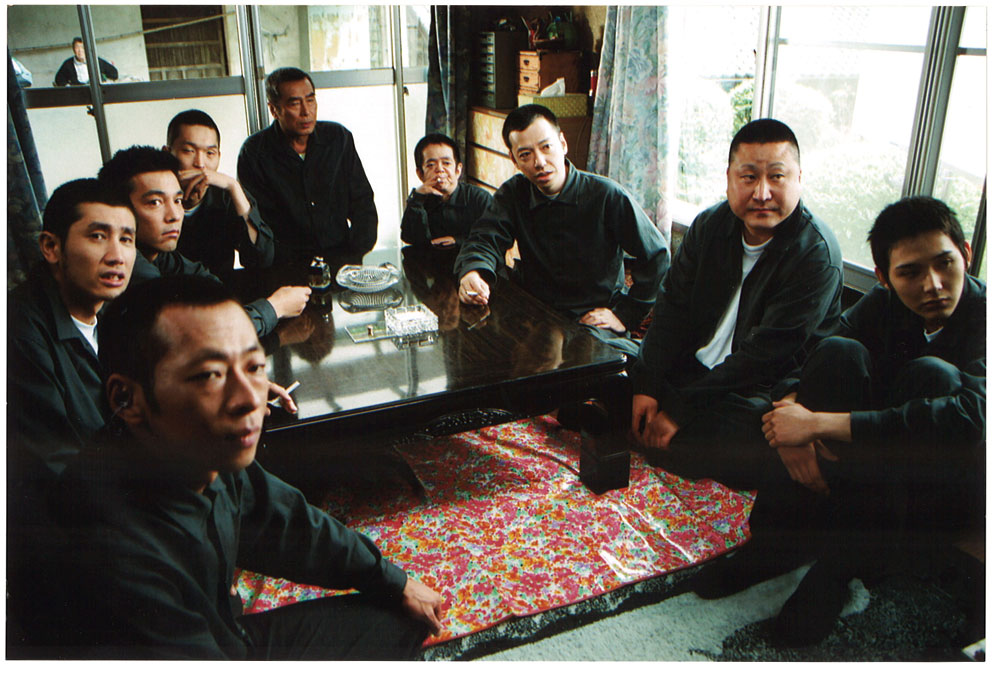
"9 Souls" stands as a pinnacle of Japanese independent cinema, building upon the foundations laid by "Pornostar" and "Blue Spring." The film chronicles the escape of nine convicts, spurred by the tenth inmate, Yamamoto, who loses his composure just as a rat reveals an escape route. Driven by the prospect of a hidden money stash, the convicts form an unlikely team, their diverse backgrounds, ages, and criminal histories notwithstanding.
Within the confines of "9 Souls," the band of escaped misfits forge friendships, only to have their nascent camaraderie and confidence challenged by societal stereotypes and prejudices, rendering rehabilitation or a fresh start an impossibility. The film commences as a surreal, absurd comedy, with scenes involving sheep and a strip club in the desolate countryside serving as highlights of this stylistic choice. As the narrative progresses, however, drama gradually supplants comedy.
A comparison between "9 Souls" and Toyoda’s debut, "Pornostar," reveals significant advancements in both narrative complexity and technical execution. While "Pornostar" centered on the fatalistic relationship between two male protagonists, "9 Souls," true to its title, features an ensemble cast, each character endowed with distinct personalities, strengths, and weaknesses. Toyoda’s script masterfully grants each individual a moment to shine. The latter half of the film shifts to a darker, disillusioned perspective on the world the escapees enter. Regarded as outcasts and a menace to society once discovered, they become the target of public scrutiny. Regardless of whether they are navigating city streets or open country, the metaphorical prison remains omnipresent, even when invisible. Denied the opportunity for change or rehabilitation by society, they are irrevocably branded as permanent outsiders.
The film portrays Japan as a land where dreams are increasingly unattainable, a bleak landscape populated by anonymous cities and a somber countryside. Most outdoor shots are static, depicting foggy, cold landscapes devoid of human presence, save for the protagonists. When Michiru is asked, "What’s your dream?", his despondent reply, "No dream," accompanied by his characteristic downcast gaze, encapsulates the film’s pervasive sense of despair. Cinematographer Junichi Fujisawa faced the daunting task of visually realizing Toyoda’s surreal concepts, a challenge he met with considerable success across all the film’s settings. Mototaka Kusakabe’s editing skillfully maintains the film’s relatively brisk pace, preventing the interweaving storylines from becoming convoluted. "9 Souls" boasts an ensemble cast comprising a compelling mix of veteran actors and emerging talents, whose chemistry is remarkable. Ultimately, "9 Souls" offers a dark, bleak portrayal of Japan, possibly influenced by the director’s personal experiences with its justice system. Yet, the film transcends bitterness through its themes of forgiveness and redemption, emerging as a captivating human drama. "9 Souls" successfully navigated numerous challenges, solidifying its status as a masterpiece.
Hanging Garden: The Disquieting Dynamics of the Modern Family
Toshiaki Toyoda’s interpretation of the family drama, adapted from Mitsuyo Kakuta’s novel, presents a starkly unconventional approach to the genre. The Kyobashi family—Eriko, the mother; Takashi, the father; children Mana and Ko; and Eriko’s ailing mother, Sacchin—appear to be a typical nuclear unit. Eriko manages household duties and a part-time restaurant job, while Takashi is a salaryman. Sacchin, hospitalized with lung cancer, refuses treatment. The family’s defining characteristic is their pact, initiated by Eriko, to maintain absolute honesty and transparency with each other. This agreement, however, leads to an unsettling series of awkward revelations, from dinner table discussions about the children’s conception to the celebration of Mana’s first menstrual cycle. On the surface, the family seems to navigate these situations, projecting an image of normalcy.
However, as the narrative delves deeper into the characters’ lives, this facade crumbles. Takashi engages in two extramarital affairs. Ko exhibits clear sexual inclinations towards one of them. Mana rarely attends school, instead frequenting shopping malls, posing for adult magazines, and engaging in casual encounters with strangers. Eriko attempts to mask her depression with a perpetual smile, even when harboring violent thoughts. Simultaneously, all family members maintain their roles within the "open family" construct. Toyoda masterfully explores the extremes of sincerity and hypocrisy, depicting the potential consequences of unyielding truthfulness and contrasting it with the reality of hidden secrets and necessary deceptions. The film critically examines the profound dysfunction that can characterize contemporary Japanese urban families.
"Hanging Garden" is visually striking, with vivid urban colors enhanced by Junichi Fujisawa’s cinematography and Mitsuo Harada’s production design. Toyoda’s signature unconventional camera angles and frequent frame-swinging are present. The film’s visual prowess culminates in a scene where Eriko is showered in a rain of blood. Unlike many Japanese family dramas, "Hanging Garden" is not a light viewing experience. Toyoda, however, delivers a compelling and meaningful production through a masterful combination of elaborate direction, strong performances, touches of humor and surrealism, and incisive social commentary.
Blood of Rebirth: The Dawn of Toyoda’s Spiritual Cinema
Following a four-year hiatus after his 2005 arrest, Toshiaki Toyoda returned with "Blood of Rebirth," a work that serves as both a personal and artistic declaration. Released in 2009, the film reintroduced the filmmaker, known for "Blue Spring" and "Hanging Garden," in a distinctly altered mode. Produced under stringent low-budget conditions and reportedly shot in just ten days, this feature adapts the classic joruri tale of Oguri Hangan into a punk-infused spiritual allegory. Starring Tatsuya Nakamura, former drummer of BLANKEY JET CITY, alongside Kiyohiko Shibukawa and Mayu Kusakari, the film signals a thematic shift towards spirituality, a hallmark of Toyoda’s later works and his current cinematic approach. In this context, "Blood of Rebirth" foreshadows films such as "The Day of Destruction" and "Transcending Dimensions."
Set in a mythical pre-human era, the story follows Oguri, a gifted blind masseur summoned by a tyrannical king afflicted with a mysterious illness. Oguri’s refusal to pledge allegiance provokes the king’s wrath, leading to his execution after being plied with alcohol. However, his journey transcends mortality. Navigating the liminal space between life and death, he encounters an underworld gatekeeper before returning to the mortal realm in a severely impaired state, stripped of bodily autonomy.
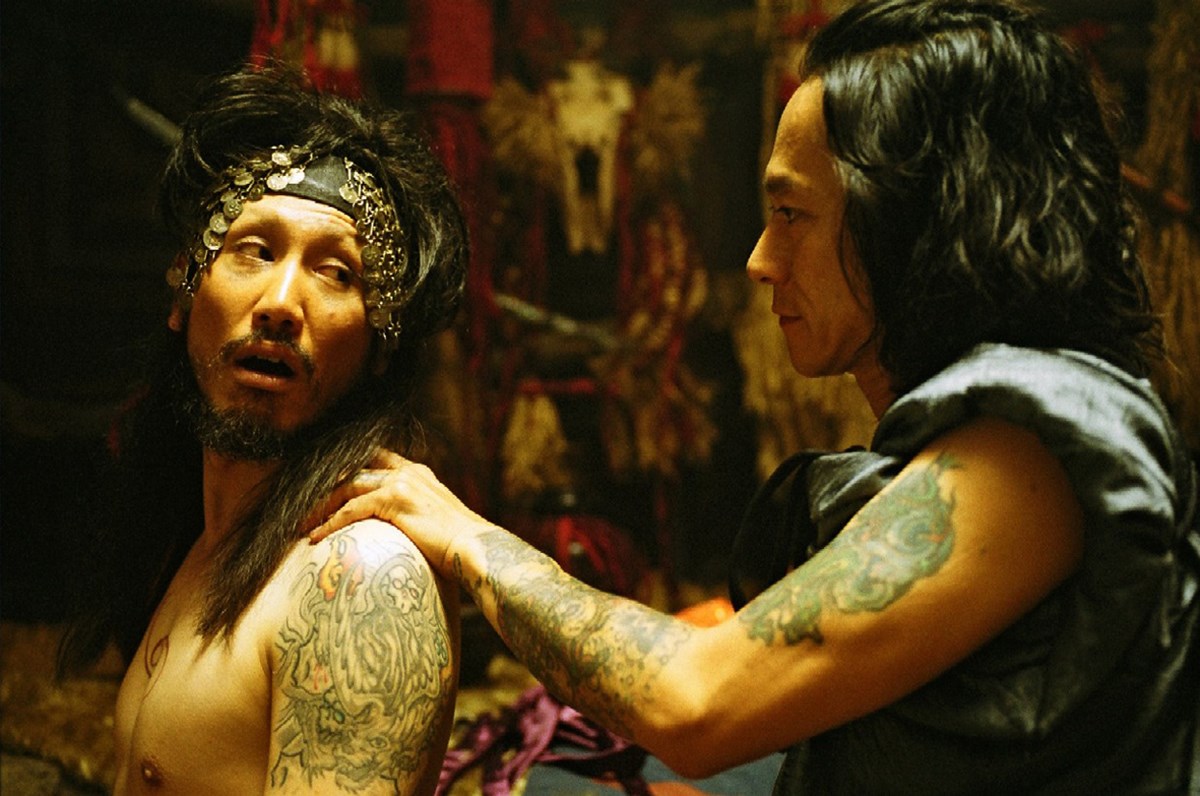
"Blood of Rebirth" transcends conventional narrative structure, offering a sensory and spiritual experience. Drawing from the "Oguri Hangan" legend, Toyoda crafts a film that fuses historical fantasy with avant-garde aesthetics, resulting in a work that feels more akin to a ritual than a traditional story. The overall approach strongly resembles that of a music video, with its intense use of music and sparse dialogue. Spiritual and metaphysical elements take precedence, and combined with the fragmented narrative, challenging allegories, extensive naturalistic sequences of the forest, and an emphasis on mood over plot, "Blood of Rebirth" presents a demanding viewing experience. Nevertheless, the inherent beauty of many of its images is undeniable, and its ritualistic approach, which extends to the depiction of violence, makes for a rewarding experience. The climactic sequences, featuring a floating-head battle, add a compelling element of absurdity, while the ending, a blend of tragedy and Toyoda’s unique sense of humor, is bound to leave a lasting impression. The film is driven by instinct, anger, and creative freedom, functioning as both a comeback statement and a declaration of Toyoda’s new cinematic style.
Monsters Club: Compassion for the Irredeemable
Inspired by the Unabomber’s story, "Monsters Club" offers an exploration of the psychology behind a troubled mind rather than a sensationalized exploitation of true crime. Ryoichi, withdrawn from society, lives an isolated existence in snow-covered mountains, his days spent on menial tasks and mailing letter bombs to corporate CEOs and television executives. After an encounter with an odd figure in the night, he is visited by the ghost of his elder brother, whose suicide propelled Ryoichi into his reclusive state.
The film refrains from romanticizing the scenario, yet it implicitly calls for an understanding of the dehumanization that can lead to such tragic figures. While Ryoichi is hardly a redeemable character, his plight speaks to the missteps that can plunge individuals into nihilistic contemplation. Humanizing difficult characters is a recurring motif in Toyoda’s work, and "Monsters Club" stands as both his greatest challenge and success in rendering a confused, violent loner into a sympathetic figure. Eita Nagayama delivers a captivating performance as Ryoichi, conveying a whirlwind of complex emotions, seamlessly transitioning between anger and melancholy. The slow build-up to his inevitable decline is deeply unsettling, portraying a man’s tragic descent. The inclusion of Japanese visual artist Pyupiru as the ghost adds a unique, ominous dimension through their subversion of gender and form, perfectly encapsulating Ryoichi’s own struggle with identity.
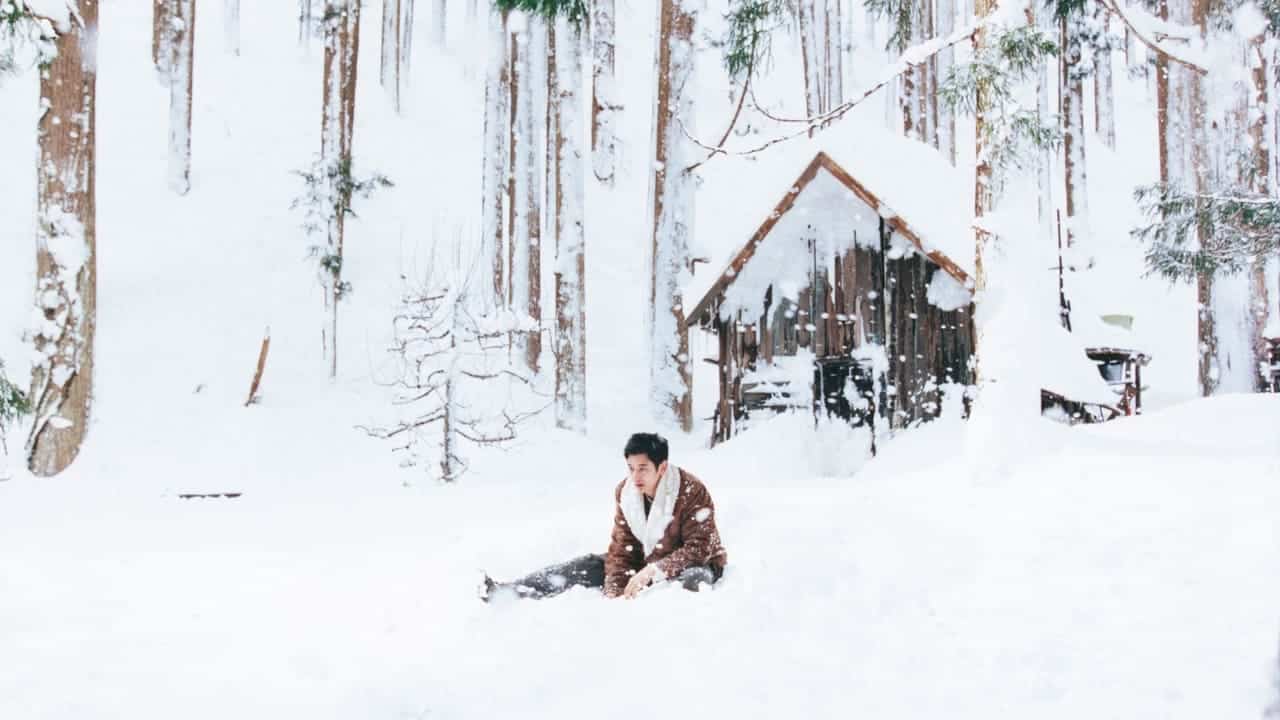
The film unfolds at a deliberate pace, with the visuals shifting between expansive shots of the wilderness, emphasizing isolation, and close-ups on Ryoichi’s pained expressions. The snowy landscapes lend the production an almost meditative quality, dominating the film, with even interior shots reflecting the ever-present quiet cold. The sound design, always crucial in Toyoda’s work, amplifies the sense of solitude, with the biting winter winds creating a desolate soundscape that envelops Ryoichi. Despite being one of Toyoda’s less celebrated works, "Monsters Club," with its meditative, slower pace compared to his more frenetic and stylized productions, is a nuanced and accomplished portrayal of severe, all-encompassing depression, making it essential viewing.
I’m Flash!: The Capitalism of Faith
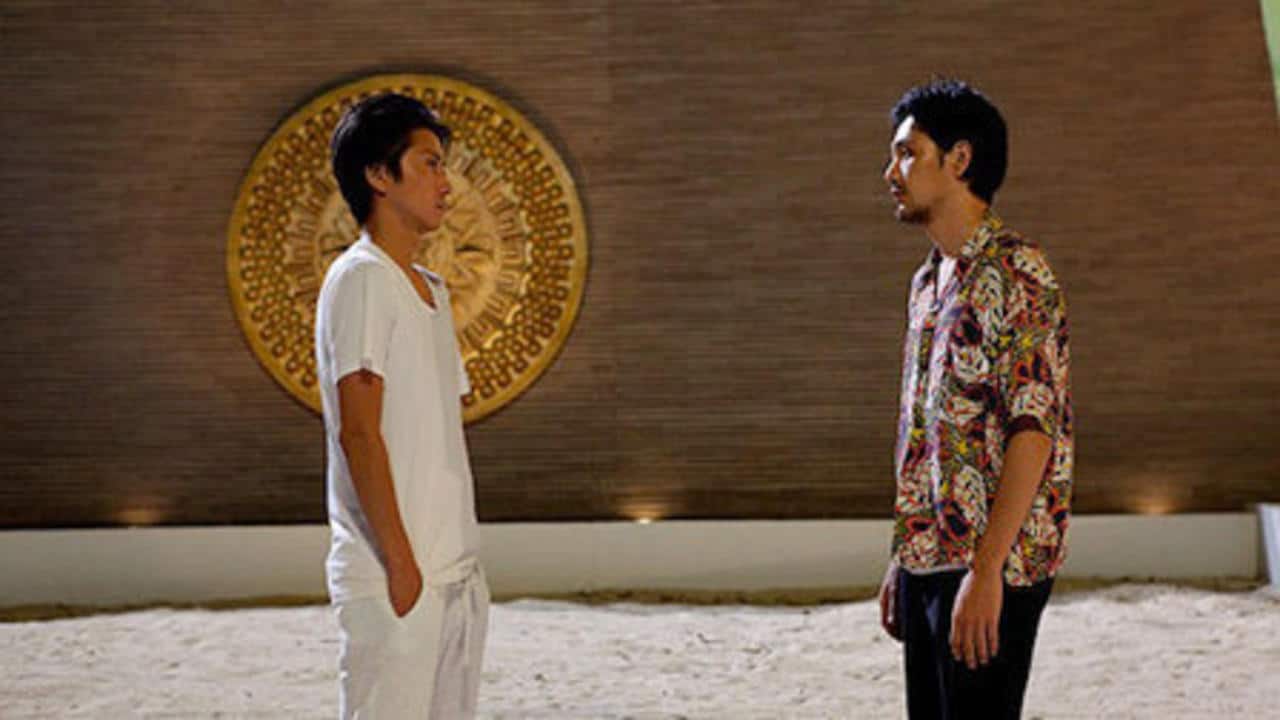
In the face of profound catastrophes, many individuals turn to religion or spiritualism for solace and to make sense of existential questions and the prospect of an afterlife. "I’m Flash!" delves into the formation of beliefs, questioning whether they serve as mere distractions from inevitability or possess profound significance, while simultaneously exploring the nexus between cults and capitalism. In Tokyo, three men are recruited by the agent of Rui, a popular cult leader, to serve as bodyguards. Despite initial skepticism regarding the capricious leader, the substantial financial reward proves compelling. Rui largely remains secluded in his opulent residence. Following an accident resulting in another driver’s death, the once charismatic leader undergoes a significant personal transformation.
Through Tatsuya Fujiwara’s performance and Shigemori Toyotaro’s cinematography, Toyoda effectively captures the spiritual emptiness of Rui’s existence, his life within a gilded cage, and a predetermined fate that becomes his prison. The narrative exposes the bitter irony behind Rui’s pronouncements, as his beliefs are exploited for financial gain, funding his brother’s plastic surgery and his sister’s luxurious lifestyle. As previously observed, Toshiaki Toyoda has consistently maintained a critical stance toward authority, whether governmental or criminal. His work frequently examines the ideologies underpinning hierarchies and systems of exploitation. In this 2012 feature, he shifts perspective to narrate a story about how capitalism operates under the guise of religion. Ultimately, "I’m Flash!" is a blend of drama and satire, showcasing Toyoda’s considerable talent. Beyond its performances and cinematography, the film’s enduring impact lies in its humor and its acerbic portrayal of belief and spiritualism in an increasingly superficial, capitalist society.
Crows Explode: Challenging the System
Taking on the mantle from Takashi Miike’s popular "Crows" films presented a significant challenge for Toyoda, particularly within a large-scale marketing system. The cast was different from the previous installments, and the production process was demanding. However, Toyoda found fortune in collaborating with new and young actors. While "Crows Explode" might seem to diverge from Toyoda’s more personal works, it remains coherent within his broader cinematic universe. The director has consistently demonstrated a fascination with hierarchy, youth violence, loyalty, boredom, charisma, and the systems that shape young men into soldiers, whether in the schoolyards of "Blue Spring," the streets of "Pornostar," the prison of "9 Souls," or the explicitly commercial arena of "Crows Explode." Even when operating within a major marketing framework, Toyoda’s thematic focus remains on outsiders, violent codes of conduct, and the peculiar rituals through which men define themselves.
The Miracle of Crybaby Shottan: Hope in Failure
Amidst ongoing controversies, it is crucial to acknowledge Toshiaki Toyoda’s enduring status as a masterful filmmaker. A biopic about Shoji Segawa, a Japanese professional shogi player who revolutionized the game, serves as a compelling reminder of his talent. Toyoda, himself a shogi player until the age of seventeen, had long harbored a desire to make a film about the sport. Segawa’s life story deeply resonated with him, particularly his journey until leaving the professional circuit, which mirrored Toyoda’s own life path. However, Toyoda ultimately chose filmmaking over a professional shogi career, while Segawa returned to the game and turned pro. Segawa’s story profoundly impressed Toyoda.
Toyoda directs a highly engaging biopic, structured in four parts, covering the majority of Segawa’s life leading up to his eventual success. The childhood segment is tender and humorous, particularly in its depiction of rivalry. The second and most substantial part focuses on Segawa’s years in the academy and his twenties, offering amusing moments but shadowed by the relentless pressure of time limits. Two dominant elements permeate all narrative sections: failure, explored as a catalyst for despair or renewed effort and hope, and agony, which provides some of the film’s most thrilling moments. This subtle yet impactful approach, punctuated by intense moments at key junctures, is a significant strength of the narrative, maintaining viewer interest for the entire 127-minute runtime. On another level, Segawa’s story highlights the extreme sacrifices, particularly to personal life, required to reach the highest echelons of any competitive field, acknowledging that even such effort does not guarantee success. Ryuhei Matsuda delivers a strong performance as Segawa, particularly in dramatic scenes, anchoring the film effectively. Norimichi Kasamatsu’s cinematography renders the game captivating even for viewers unfamiliar with its intricacies, a feat also attributable to Toyoda’s direction, which clearly demonstrates his deep understanding of shogi mechanics. "The Miracle of Crybaby Shottan" returns to the roots of mainstream cinema, presenting a compelling story in a simple yet captivating manner, which is where the film’s true value lies.

The Planetist: The Healing Power of Nature and Sound
For those curious about Toyoda’s activities between 2014 and the release of "Crows Explode" in 2018, the documentary "The Planetist" offers the answer: he spent these years on the Ogasawara Islands, a UNESCO World Heritage Site located 1,000 km south of mainland Japan, with "Tarzan of the Sea" Noritsugu Miyagawa. Toyoda directs a naturalistic documentary that aims to showcase both the beauty of the locale and the benefits of spending time in such a unique, yet largely secluded, environment. This latter aspect is particularly evident in the segment featuring Goma, an artist who, following a severe head trauma years prior that affected his memory, creates music in an effort to communicate with the environment, especially whales, and to find solace and healing from his traumatic mental state. This segment, through both visuals and Goma’s music, becomes almost psychedelic, with aesthetics closely resembling those of music videos, a stylistic choice that extends to the entire documentary. Performances by Tatsuya Nakamura and Kazuhide Yamaji also align with this direction, with the cliff overlooking the sea providing an evocative backdrop for the artists’ solo performances. Toyoda’s camera masterfully captures the natural scenery, presenting images of profound beauty, with people jumping from cruising boats into the sea being particularly memorable. For viewers who can embrace the film’s length and observational rhythm, an impressive audiovisual experience awaits.
Wolf’s Calling: The Resurrection Trilogy Begins
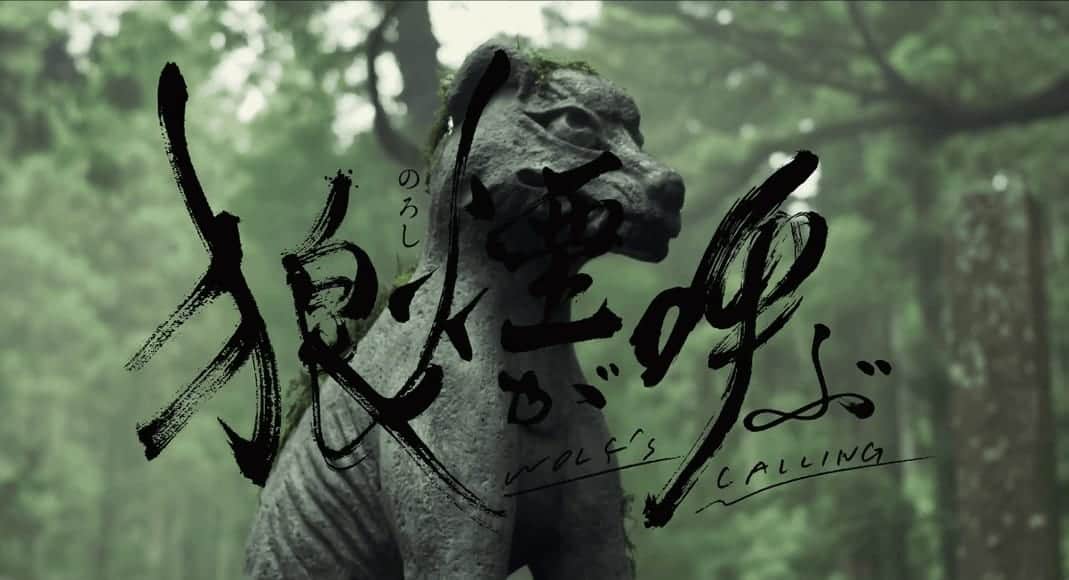
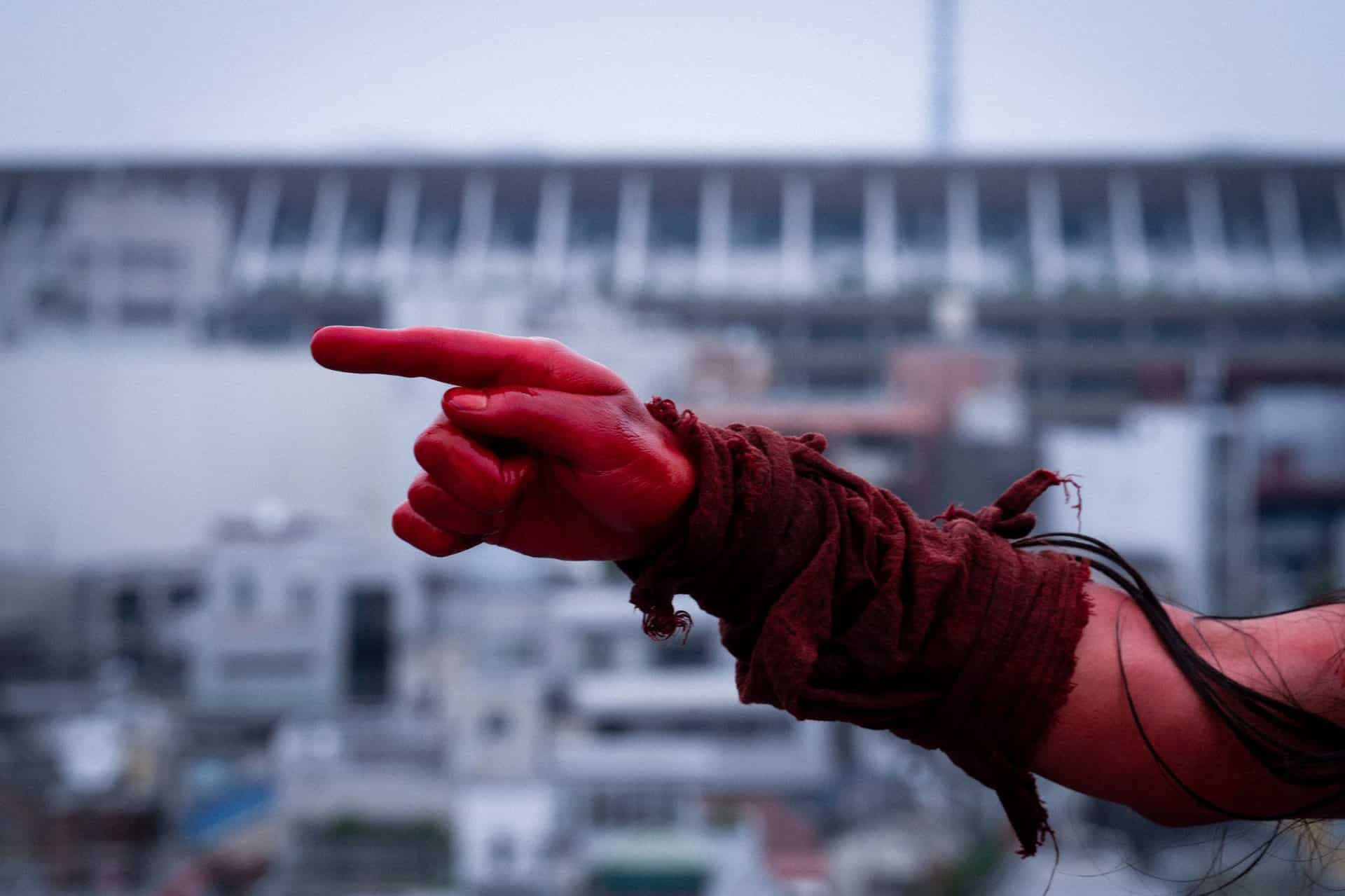
In April 2019, director Toshiaki Toyoda was arrested for unlawful possession of a handgun. The weapon, a familial keepsake, led to his release without charge. Drawing from this experience, he produced a 17-minute period drama titled "Wolf’s Calling." A young girl discovers an antique handgun in her attic, and this symbolic object conjures a mystical scene of samurai gathering at the moss-covered Kasosan Shrine in Tochigi Prefecture. Produced independently and funded by Toyoda himself, "Wolf’s Calling" features a cast familiar to his audience, with Kiyohiko Shibukawa and Ryuhei Matsuda joined by Tadanobu Asano in a supporting role. The film’s pure concept of sound and sight creates a narrative with minimal dialogue but a highly anti-climactic build-up. Through a condensed soundtrack, music serves as the primary narrative instrument. "Wolf’s Calling" is characterized by tension and anticipation, leaving the viewer yearning for more. As in "Blue Spring," Toshiaki Toyoda presents an iconic rooftop scene. Post-credits, a samurai is depicted atop a skyscraper in modern Tokyo. Yoyogi Park and the new Olympic Stadium are visible within the skyline, juxtaposing a messenger from a bygone era with contemporary urbanity—a perfect fusion of tradition and modernity.
The Day of Destruction: Audiovisual Rage
Toshiaki Toyoda is a man driven by anger—anger at his repeated unjust encounters with the Japanese police, anger at the greed associated with the Tokyo Olympic Games, anger at capitalism, and anger at the government’s pandemic policies. This accumulated rage is channeled into "The Day of Destruction," manifesting as an audiovisual fury that repeatedly dominates the screen. The film’s narrative is intentionally confusing, interweaving timelines, events, and protagonists in a delirious fashion. The movie opens in black and white, depicting a snow-covered setting around an abandoned mine. Shinno, a businessman, visits the tunnel to investigate rumors of a monster inhabiting it, having paid former miner Teppei for access. While the religious and ritualistic references within the film may be complex, Toyoda’s critiques are evident. The criticism of the Olympics and the leaders of capitalism is palpable, and religion, represented by priests, also receives scrutiny as prayer alone is shown to be insufficient. Toyoda articulated his anger directly: "This is aimed towards the capitalism as a system. I hate it. The anger exists because of the people climbing through this system." He also expressed a lack of hope regarding Japan’s pandemic response. This anger, however, transcends mere political sloganeering, translating into image, rhythm, ritual, performance, music, and blood. Beyond its contextual depth, the film excels in its production values. Kenji Maki’s cinematography is exceptional, with the combination of composition and color yielding sequences of intense and occasionally grotesque beauty. The synergy with the soundtrack, featuring tracks by Gezan, Mars89, Seppuku Pistols, and Toshiyuki Terui, represents a masterclass in film scoring, a recurring strength in Toyoda’s work. "The Day of Destruction" unequivocally demonstrates that Toshiaki Toyoda is at the height of his powers, leaving audiences anticipating his future endeavors.

Shiver: The Pure Rhythm of Cinema
In recent years, Toshiaki Toyoda has embarked on an exploration of experimental cinema, largely focusing on the interplay between image and music, as evidenced by films like "The Planetist" and "The Day of Destruction." "Shiver" continues this trajectory, adopting a music-video-like approach that adheres to the principles of "Ettō," a new streaming program for music videos rooted in local cultures. Essentially a series of vignettes showcasing an impressive fusion of image and sound, "Shiver" appears to explore concepts such as tradition, nature (particularly water), and the human body’s connection to percussion. More intensely, however, Toyoda focuses on the process by which music is formed from vibration to sound, to rhythm, and finally to a musical piece. The collaboration between Koshiro Hino’s music and the Taiko drumming of Kodo is particularly intriguing, making "Shiver" a film best experienced with a high-quality sound system at a significant volume. Kenji Maki’s exquisite cinematography artfully captures this intricate combination, with several images likely to remain etched in viewers’ memories. While numerous music documentaries exist and often fade into obscurity, "Shiver" stands apart. Toyoda’s ability to capture the flow, rhythm, and sheer power and joy of the music is breathtaking. Furthermore, "Shiver" exemplifies Toyoda’s evolution into an extraordinary visual storyteller, utilizing editing, cinematography, and the drummers’ movements to create a unique experience. Though more akin to a music video than a conventional film, "Shiver" delivers a remarkably imposing and entertaining result, a work that could easily be released as a musical album.
Go Seppuku Yourselves: The Peak of Political Cynicism
Concluding the "Resurrection Trilogy"—a series of accusatory works aimed at societal systems, following "Wolf’s Calling" and "The Day of Destruction"—the aptly titled "Go Seppuku Yourselves" is another audiovisual spectacle that targets the samurai system, Bushido, and politicians. The film’s metaphor for the Japanese government’s handling of the pandemic is palpable, with Toyoda presenting an accusation conveyed through intense irony and a somewhat subtle approach. Conversely, the critique of Bushido and the politicians of that era, which can also serve as a metaphor for contemporary political figures, is direct and unambiguous. As Raikan states upon his first appearance, "I am a samurai. Killing people is what I do," his narrative role becomes clear, culminating in his final speech where he dismisses Bushido as a tedious way of life while mocking the magistrate’s corruption. Yosuke Kubozuka delivers an impressive performance, imbuing his lines with a fitting theatricality that escalates as his speech progresses. Kiyohiko Shibukawa, as Danbe, says little, but his presence, particularly his gaze and posture, once again commands attention, his bloodied face effectively concluding the short film. In terms of production values, the film is astonishing. DP Kenji Maki’s cinematography captures the diverse settings with remarkable skill, and his camera placements enhance the overall ritualistic aesthetic that defines the short. "Go Seppuku Yourselves" serves as an ideal conclusion to the "Resurrection Trilogy" and is one of the most impressive short films from Toyoda’s recent period.
Transcending Dimensions: The Human Soul
In Toshiaki Toyoda’s latest film, "Transcending Dimensions," a hitman pursues a mysterious Japanese ascetic, encountering a confluence of mystical power and spacetime. This fusion of science fiction and crime breathes new life into his "Mt. Resurrection Wolf" series, which includes "Wolf’s Calling," "The Day of Destruction," and "Go Seppuku Yourselves." Toyoda has explained his personal practices, including Tai Chi and Shugendo, along with monthly acupuncture sessions. He has trained in Tai Chi and Shugendo for many years, with Shugendo, in particular, involving prayer in mountainous regions, fostering a deep connection with nature. During a conversation with a physicist, Toyoda shared his research, which led to the physicist suggesting that to realize his vision, he would need to "transcend dimensions." This conversation was the genesis of "Transcending Dimensions." The film synthesizes the elements of the preceding three short films in the series. Kenji Maki’s cinematography and Masaki Murakami’s editing create a psychedelic journey employing Toyoda’s signature techniques, such as extended slow-motion sequences. These visual elements are supported by a powerful soundtrack, best experienced on a large screen. Simultaneously, the cryptic narration presents a challenge. The director’s effort to create a thought-provoking and intellectually stimulating experience centered on complex philosophical questions is met with a disproportionate amount of confusing narrative elements. However, for devotees of his short films, "Transcending Dimensions" will appeal to its merging of its predecessors’ formula and providing ample screen time for an immersive, transdimensional encounter with their favored filmmaker. Above all, as Toyoda himself stated, "Transcending Dimensions" is a film about the human soul, a theme that arguably encompasses his entire career.
The Cinema of Misfits, Anger, Music, and Faith
Several recurring patterns define Toyoda’s cinematic oeuvre. The first is his profound attraction to individuals living on the fringes of society. The boxer who cannot win, the violent drifter, the hopeless student, the escaped convict, the dysfunctional family member, the cult leader, the terrorist, the monk, the samurai, the musician, the ascetic—Toyoda’s protagonists are rarely individuals who conform to societal norms. This is not coincidental. As he explains, "Because I can not fit into societal norms and am a misfit myself."
The second is music. Music plays a pivotal role in his films, with the director’s explanation being straightforward: "I just hear the music as I watch the images. It just comes to me." This instinctual approach has resulted in some of the most memorable audiovisual experiences in modern Japanese cinema, from the punk explosion of "Blue Spring" and the alternative rock of "Pornostar" to the ritualistic force of "The Day of Destruction," the percussion-driven structure of "Shiver," and the spiritual soundscapes of his more recent works.
The third is anger. Perhaps stemming from Toyoda’s frequent and unjust encounters with Japanese authorities over the years, his features have grown increasingly incensed as his career has progressed. While "9 Souls" offered a form of utopia through the camaraderie of its protagonists, shorter works like "The Day of Destruction" or "Go Seppuku Yourselves" provide no such solace. Throughout his career, Toyoda has critically examined the state of politics, questioning whether they genuinely serve the populace and aim for the greater good.
The fourth is compassion. Toyoda desires success for his characters, and audiences empathize with their motivations and feelings towards the external world. We understand their anger, but we also support their drive to achieve something meaningful, even if it leads them down criminal paths. His films are not merely portraits of rage but portraits of wounds.
Finally, there is spirituality. The collision of reality and the supernatural is, in Toyoda’s perception, the natural order of the world. From "Blood of Rebirth" to "I’m Flash!," from "The Day of Destruction" to "Transcending Dimensions," faith, death, ritual, and transcendence become increasingly central elements. He does not adhere to a specific religion but contemplates mortality extensively.
This is why Toyoda’s cinema remains so vital. It is not merely rebellious for rebellion’s sake, nor obscure for obscurity’s sake. It is the work of a filmmaker dedicated to understanding the origins and destinations of individuals, and what endures when society, family, religion, authority, capitalism, and even the body itself fail them.

Toshiaki Toyoda’s cinema is not always easy, nor is it always pristine. It can be rough, uneven, excessive, protracted, angry, cryptic, and confrontational. Yet, it possesses a vitality rarely found in contemporary filmographies. It pulses with music, bleeds with rage, drifts into ritual, and consistently returns to the solitary figures ostracized or forgotten by society. Ultimately, Toyoda’s films demand further exploration, not only because he is one of Japan’s most important contemporary directors but because his work offers an uncompromising, personal, and profoundly fascinating cinematic map of modern Japanese alienation.