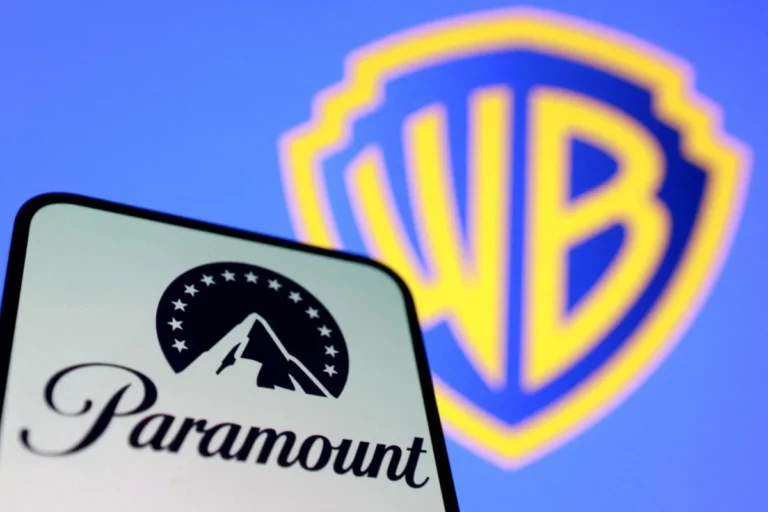



In a move that signals a tectonic shift in the global media landscape, Paramount CEO David Ellison confirmed on Monday that Paramount+ and HBO Max will be consolidated into a single, unified streaming platform. This announcement follows the definitive agreement for Paramount Skydance to acquire Warner Bros. Discovery (WBD) in a deal valued at $31 per share. The merger of these two entertainment giants, should it receive the necessary regulatory approvals, aims to create a formidable competitor capable of challenging the market dominance of Netflix and Disney+.
During a comprehensive conference call with investors and analysts, Ellison outlined a vision for a combined service that would immediately boast a global subscriber base of approximately 200 million. This figure is derived from the current combined totals of Paramount+ and Warner Bros. Discovery’s existing streaming iterations. The acquisition comes after a high-stakes, prolonged bidding war that saw Netflix eventually withdraw its interest, clearing the path for the Skydance-led consortium to secure the deal.
While the financial mechanics of the transaction have been largely finalized, Paramount executives remained tight-lipped regarding the specific branding or pricing structure of the forthcoming combined service. However, Ellison was emphatic about the preservation of the HBO brand. "HBO should stay HBO," Ellison stated, acknowledging the network’s decades-long reputation for prestige television and high-quality original programming. Insiders familiar with the integration strategy suggest that HBO will likely function as a premier sub-brand or a distinct hub within the larger, yet-to-be-named application.
The Strategic Vision Behind the Consolidation
The decision to merge Paramount+ and HBO Max is driven by the necessity of scale in an increasingly crowded and expensive streaming market. By combining the libraries of Paramount Pictures and Warner Bros., the new entity will control one of the most significant intellectual property portfolios in history. This includes iconic franchises such as Star Trek, Mission: Impossible, and SpongeBob SquarePants from the Paramount stable, alongside Warner Bros.’ DC Universe, Harry Potter, and the vast HBO library.
Industry analysts suggest that this consolidation is a response to the "churn" problem—the tendency of subscribers to cancel services after finishing a specific series. A broader library that combines blockbuster films, prestige dramas, and a deep catalog of classic television is expected to increase subscriber retention. Furthermore, the merger allows for significant cost-saving synergies in technology infrastructure, marketing, and content acquisition.
A Powerhouse in Live Sports
One of the most compelling arguments presented by Paramount leadership during the investor call was the sheer breadth of the combined entity’s sports portfolio. By bringing together TNT Sports and CBS Sports, the new service will offer a comprehensive suite of live athletic events that is virtually unparalleled in the streaming sector.
The combined sports rights would include:
- The National Football League (NFL)
- Major League Baseball (MLB)
- The National Basketball Association (NBA) – pending ongoing rights negotiations
- The National Hockey League (NHL)
- NCAA March Madness
- The Masters and other PGA Tour events
- NASCAR
- The French Open
- Major college football and basketball conferences
Paramount executives expressed confidence regarding potential antitrust scrutiny. They noted that they have received no preliminary signals from regulators suggesting that the concentration of sports rights would trigger significant competition concerns. The argument presented to regulators focuses on the fact that these rights remain non-exclusive across various broadcast and cable windows, and the merger primarily serves to make these events more accessible to the digital-first consumer.
The Evolution of HBO’s Digital Identity
The integration into a new Paramount-controlled service marks the latest chapter in what has been a turbulent decade for the HBO brand’s digital presence. Originally launched by Time Warner in 2010 as HBO Go—a "TV Everywhere" service for cable subscribers—the brand has undergone multiple identity shifts.
In 2015, HBO Now was introduced as a standalone service, marking the brand’s first foray into the direct-to-consumer market independent of the traditional cable bundle. Following AT&T’s acquisition of Time Warner in 2018 (subsequently renamed WarnerMedia), the service was rebranded as HBO Max in 2020. This version was designed to incorporate a wider array of content from the broader WarnerMedia portfolio, including Turner Classic Movies, Cartoon Network, and DC.

The branding shifted again in 2023 following the merger of WarnerMedia and Discovery Inc. CEO David Zaslav opted to rename the service "Max," a move intended to signal that the platform offered more than just HBO content, specifically highlighting the addition of Discovery’s unscripted reality programming. However, that decision was partially walked back in 2024, as leadership recognized that the HBO name carried a level of "prestige equity" that the generic "Max" brand lacked. Reverting to HBO Max was seen as an admission that the HBO brand remains the crown jewel of the company’s assets.
Under the new Paramount Skydance structure, the challenge will be to maintain that prestige while folding it into a platform that also houses Nickelodeon cartoons and CBS procedurals. Casey Bloys, the current Chairman and CEO of HBO and Max Content, is expected to remain in his role through the transition, though his current contract is set to expire in 2027.
Financial Implications and Market Reaction
The $31 per share acquisition price represents a significant premium over Warner Bros. Discovery’s recent trading levels, reflecting Skydance’s belief in the long-term value of the combined assets. For Paramount, the deal is a transformative moment that moves the company away from its "linear-first" legacy and firmly into a digital future.
Wall Street’s reaction has been cautiously optimistic. Investors have praised the potential for massive overhead reduction, particularly in the elimination of redundant corporate roles and the consolidation of two massive streaming tech stacks. However, some analysts have raised concerns regarding the debt load that the combined entity will carry. The success of the deal hinges on the company’s ability to achieve "streaming profitability"—a milestone that has eluded many legacy media companies as they pivot away from the lucrative but declining cable television business.
Regulatory Landscape and the Path to Completion
The merger faces a rigorous review process by the Federal Communications Commission (FCC) and the Department of Justice (DOJ). In recent years, the Biden administration has signaled a more aggressive stance toward large-scale media consolidations. However, industry experts point out that the Paramount-WBD deal is a "horizontal" merger of two companies struggling to compete with the "Big Tech" entrants like Amazon (Prime Video) and Apple (Apple TV+).
FCC Chair Jessica Rosenworcel has previously commented on the changing nature of the media industry, suggesting that the "cleaner" nature of certain deals—those that do not involve the entanglement of internet service providers and content creators—might face a smoother path. Unlike the ill-fated AT&T-Time Warner merger, which combined a distributor with a producer, the Paramount-WBD deal is a combination of two content-focused entities, which some argue is a necessary defensive move in a market dominated by trillion-dollar tech giants.
Industry Implications: The End of the "Plus" Era?
The consolidation of Paramount+ and HBO Max may signal the beginning of the end for the fragmented "Plus" era of streaming. For several years, every major studio launched its own independent service, leading to "subscription fatigue" among consumers. The industry is now entering a phase of "re-bundling," where major players are realizing that they are stronger together than apart.
This merger creates a "Big Three" in the streaming world: Netflix, the Disney/Hulu/ESPN+ bundle, and the new Paramount/HBO entity. Other players, such as NBCUniversal’s Peacock and AMC+, may find themselves under increased pressure to find partners or face irrelevance in a market where scale is the only path to survival.
Timeline and Next Steps
If the deal proceeds according to the timeline outlined by David Ellison, the regulatory review process is expected to take between 12 and 18 months. During this period, both Paramount+ and HBO Max will continue to operate as independent services.
The companies will likely begin "soft" integration efforts in the coming months, such as cross-promoting content or offering bundled subscription packages before the technical merger of the apps is complete. For subscribers, the most immediate impact will be a broader array of content, though the long-term questions regarding subscription costs and the final interface of the unified "super-service" remain to be answered.
As the media world watches, the union of Paramount and Warner Bros. Discovery represents more than just a corporate transaction; it is a high-stakes bet on the future of how the world consumes entertainment. By tethering the legacy of the "Golden Age of Television" (HBO) to the "Silver Screen" heritage of Paramount Pictures, David Ellison is attempting to build a media empire that can survive, and perhaps thrive, in the digital age.