



South Korean filmmaker Yoon Ga-eun solidifies her position as a preeminent voice in contemporary cinema with her latest offering, "The World of Love," a poignant exploration of adolescence, trauma, and the intricate web of human connection. Arriving nine years after her critically acclaimed debut, "The World of Us," and six years after her sophomore effort, "The House of Us," this new film, currently captivating audiences on the festival circuit, including a prominent competition slot at the BFI London Film Festival, marks a significant evolution in Yoon’s masterful storytelling. The film is slated for release in South Korean cinemas following its international festival run, promising to resonate deeply with viewers.
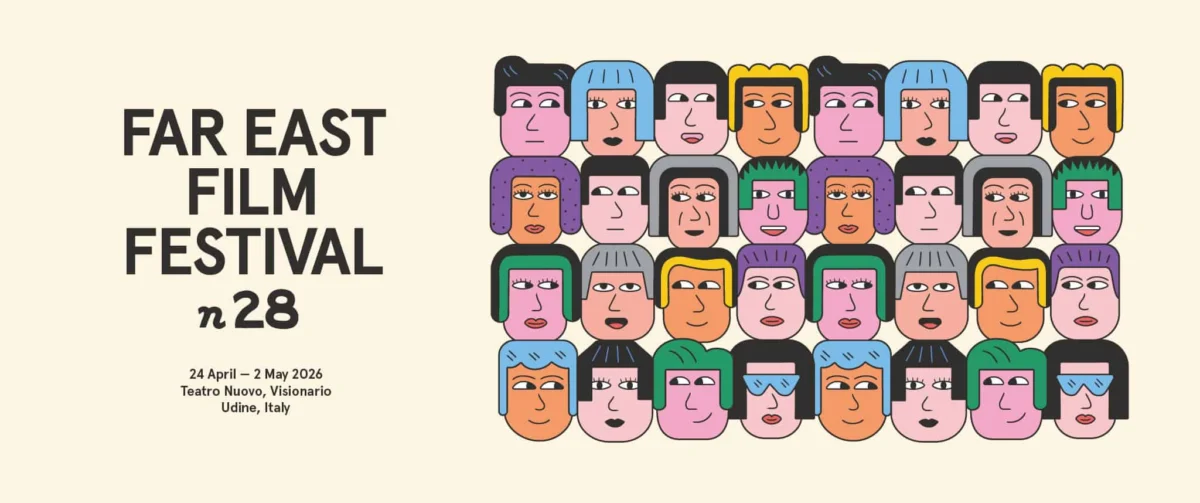
"The World of Love" is also making its mark at the Udine Far East Film Festival, a prestigious event dedicated to showcasing the diverse and vibrant cinema of East Asia. This inclusion further underscores the film’s growing international acclaim and its significance within the broader Asian film landscape. The Udine Far East Film Festival, established in 1999, has become a crucial platform for discovering emerging talent and promoting cultural exchange through film, making its selection of "The World of Love" a notable endorsement.
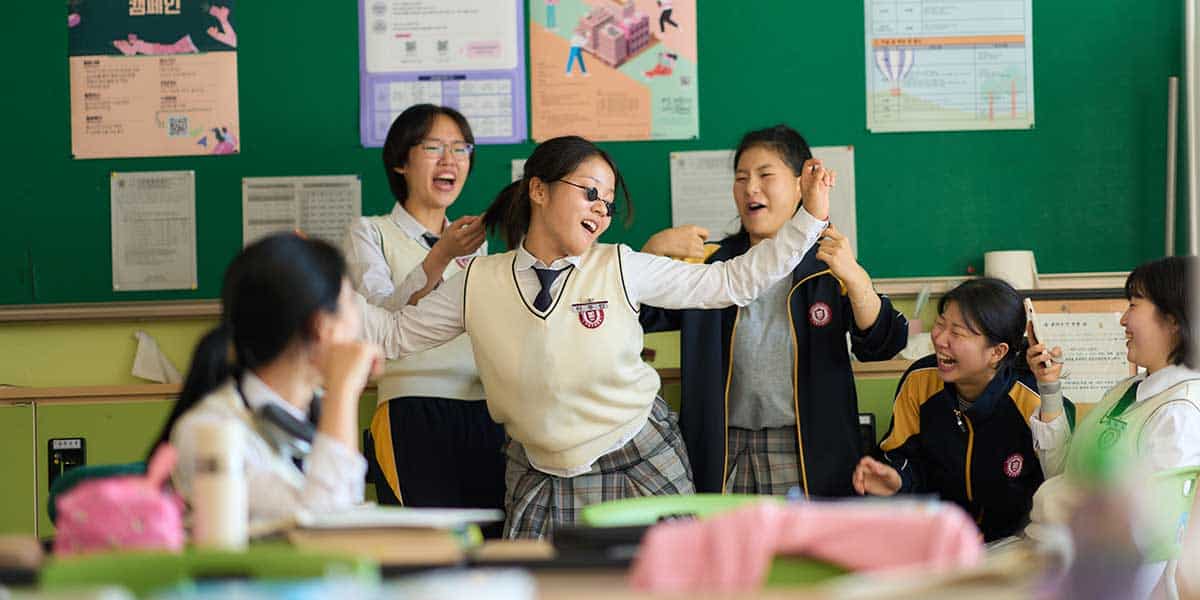
The narrative centers on Jooin, a spirited and introspective seventeen-year-old navigating the complexities of her final years of high school. Dressed in her school uniform, Jooin is depicted in an early scene engaging in a thoughtful discussion with her teacher about extracurricular activities. Her indecision about which club to join reflects a broader uncertainty about her burgeoning identity and future aspirations. Despite this, she is characterized by her vivacity, a keen sense of humor, and an insatiable curiosity about her own emotions and the nature of love. Her social life is a dynamic tapestry of friendships and fleeting romantic entanglements, each encounter a step in her journey of self-discovery.
Jooin’s home life is portrayed with warmth and authenticity. Her mother, the principal of a nursery school, cherishes their evenings together, sharing junk food, laughter over television programs, and the occasional beer. The absence of Jooin’s father from this domestic tableau suggests a divorce, a lingering separation that Jooin continues to acknowledge through unanswered text messages. This subtle detail hints at an unspoken emotional undercurrent within the family dynamic, a space for potential healing or continued unresolved feelings.
Beyond academics, Jooin is a dedicated practitioner of taekwondo, honing her skills under the guidance of a benevolent Sabeom-nim at a local gym. This discipline provides her with a sense of structure and purpose. Additionally, she finds mentorship and camaraderie within a close-knit group of volunteers, where her senior friend, Mido, serves as a significant role model. This multifaceted engagement with her community highlights Jooin’s inherent desire for connection and personal growth.
However, the seemingly sweet trajectory of Jooin’s life takes a dramatic turn. Following a series of unfortunate events at school, Jooin experiences an emotional eruption, inadvertently revealing a past trauma to her peers. This outburst acts as a catalyst, triggering a cascade of consequences that reverberate through her relationships, impacting her friendships, romantic prospects, and the way she is perceived by others. The incident also forces Jooin to confront her own reactions and coping mechanisms. Compounding these challenges, Jooin begins to receive anonymous notes that question her sincerity and accuse her of shallowness, further isolating her and intensifying her internal struggle.
A Master of Empathy: Yoon Ga-eun’s Cinematic Evolution
Yoon Ga-eun has consistently demonstrated an extraordinary ability to connect with the emotional landscape of childhood and adolescence, capturing the world from a perspective that is both intimate and universally resonant. In "The World of Us," she masterfully depicted the harsh realities of playground politics and the nascent stages of social communication. Her follow-up, "The House of Us," delved into the fundamental concepts of family and belonging. With "The World of Love," Yoon broadens her thematic scope, moving beyond a purely first-person narrative to explore the intricate social dynamics and the profound impact of pain and trauma on a wider community. This shift in perspective allows for a more nuanced examination of how individual experiences intersect with societal perceptions.
The Art of Recontextualization: Narrative Structure and Audience Perception
A key element of "The World of Love"’s narrative ingenuity lies in its deliberate use of reverse chronology. Yoon playfully subverts audience expectations by presenting events and reactions out of their natural sequence. This technique prompts viewers to form immediate assumptions about the causes behind characters’ behaviors. However, as the story unfolds and elements are recontextualized, these initial judgments are challenged, often revealing a more complex and empathetic truth. For instance, audiences might initially perceive Jooin as superficial or arrogant, her brother as merely mischievous, Mido as sullen, or her father as neglectful. The film’s deliberate unveiling of information forces a critical re-evaluation, highlighting the ease with which people can be misjudged when their true circumstances remain hidden behind a facade. This narrative choice serves as a powerful commentary on the difficulties inherent in understanding and supporting individuals who have experienced trauma. The film, therefore, implicitly advocates for greater empathy and a more thorough investigation into the underlying causes of behavior before forming conclusions.
A Testament to Fine Casting and Performance
Yoon Ga-eun’s meticulous approach to casting, a hallmark of her previous works, involved extensive research and deep engagement with young actors. For "The World of Love," she adapted her methodology, utilizing improvisation workshops to foster naturalistic performances from a cast of slightly older actors. This approach has yielded a remarkable ensemble. Newcomer Seo Su-bin delivers a standout performance as Jooin, imbuing the character with a captivating spontaneity, vibrant energy, and profound emotional honesty that renders her entirely believable and deeply affecting. Her portrayal is the emotional core of the film, drawing audiences into Jooin’s internal world with remarkable skill.
Veteran actress Chang Hyae-jin provides a grounding presence as Jooin’s mother, acting as a perfect counterpoint to Seo Su-bin’s effervescence. The chemistry between the two actors is palpable, particularly in a memorable car wash scene that masterfully blends raw emotional vulnerability with a touch of understated humor. This scene, in particular, is poised to become one of the film’s most indelible moments, showcasing the nuanced relationship between mother and daughter. The supporting cast also contributes significantly, creating a believable and richly drawn social environment around Jooin. The ensemble’s collective ability to convey complex emotions through subtle gestures and authentic interactions further elevates the film’s impact.
Broader Implications and Future Outlook
"The World of Love" arrives at a time when discussions surrounding mental health, particularly among young people, are gaining significant traction globally. The film’s sensitive portrayal of trauma and its ripple effects offers a valuable contribution to this ongoing dialogue. By exploring how easily perceptions can be skewed and how difficult it can be to offer genuine support in the face of misunderstanding, Yoon’s film serves as a powerful reminder of the importance of empathy, open communication, and a willingness to look beyond surface-level judgments.
The film’s critical reception at international festivals, including its inclusion in the prestigious BFI London Film Festival, signals a growing international appreciation for Yoon Ga-eun’s unique cinematic voice. The festival, which runs from October 8th to 19th, is a key event in the global film calendar, attracting industry professionals, critics, and film enthusiasts from around the world. Its Official Competition selection for "The World of Love" places it alongside other significant international cinematic works, underscoring its artistic merit and its potential to spark important conversations.
The success of "The World of Love" on the festival circuit and its anticipated theatrical release in South Korea are indicative of a broader trend in Korean cinema, which continues to produce films that are both artistically ambitious and socially relevant. Yoon Ga-eun’s continued commitment to exploring the inner lives of young protagonists with such depth and sensitivity positions her as one of the most compelling and vital filmmakers working today. Her dedication to her craft, her profound understanding of her audience, and her unwavering empathy for the experiences of younger generations solidify her reputation as a filmmaker whose work not only entertains but also enlightens and provokes thoughtful reflection. The film’s exploration of complex emotional themes, coupled with its innovative narrative structure and exceptional performances, promises to leave a lasting impression on audiences and further cement Yoon Ga-eun’s legacy in the international film community.