

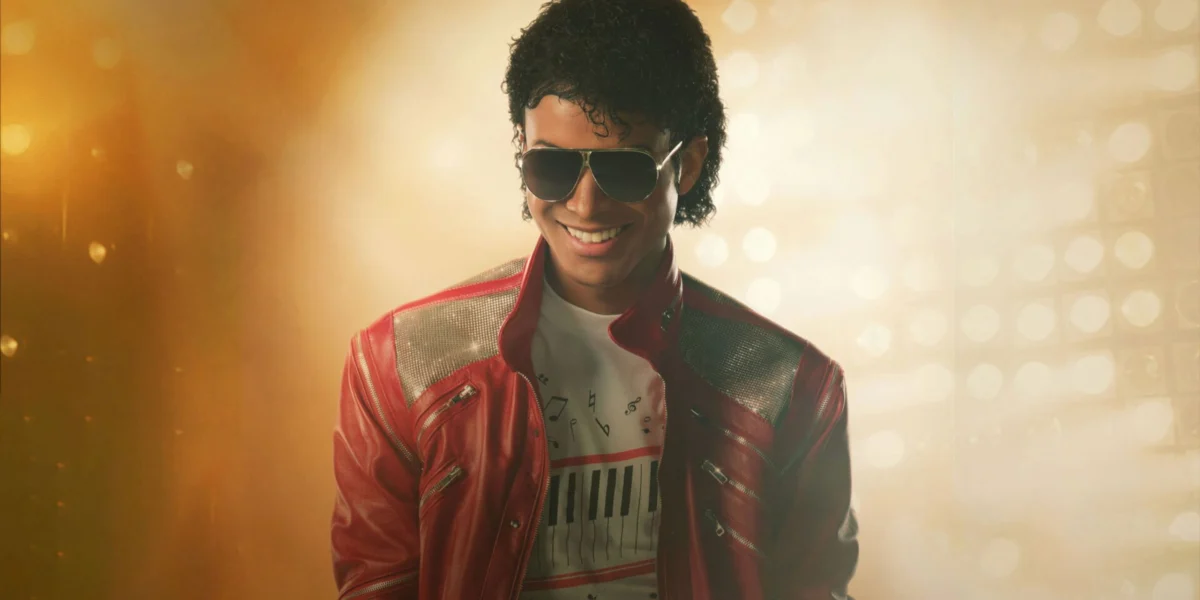
The much-anticipated musical biopic "Michael," chronicling the extraordinary life and career of global superstar Michael Jackson, has ignited a significant conversation within Hollywood and among film critics. Directed by Antoine Fuqua and benefiting from the direct involvement of the Jackson estate, the film aims to capture the essence of the King of Pop’s journey. However, its narrative focus, which spans from his early days with the Jackson 5 in the 1960s and 1970s up to the groundbreaking "Bad" tour in the 1980s, while conspicuously omitting later controversies, has become a central point of contention. This selective storytelling has polarized audiences and critics alike, prompting a broader examination of the role of biopics, critical responsibility, and the enduring legacy of Michael Jackson himself.
The film, starring Jaafar Jackson as his iconic uncle, alongside a notable cast including Nia Long, Juliano Valdi, KeiLyn Durrel Jones, Laura Harrier, Jessica Sula, Mike Myers, Miles Teller, and Colman Domingo, presents a carefully curated version of Jackson’s life. The decision to halt the narrative before the more turbulent and controversial periods of his later career has been interpreted by some as a deliberate attempt to sanitize his image, while others see it as a necessary focus on the artist’s creative zenith. This divergence in interpretation is at the heart of the ongoing discourse surrounding "Michael."
A Carefully Constructed Narrative: The Scope of "Michael"
"Michael" charts the rise of Michael Jackson from a child prodigy within the prodigious Jackson 5 to a global phenomenon. The film meticulously recreates the early years, highlighting the intense pressures of fame from a tender age, the complex family dynamics, and the relentless pursuit of musical perfection that defined the Jackson 5’s ascent. Audiences are transported through the group’s early hits and their transition from Motown to Epic Records, showcasing the evolution of their sound and Michael’s burgeoning solo aspirations.
The narrative then transitions to Jackson’s individual journey, focusing on the creation and immense success of his groundbreaking albums, "Off the Wall" and "Thriller," culminating in the ambitious "Bad" world tour. This period represents a critical juncture in music history, where Jackson not only dominated the charts but also revolutionized music videos and redefined the concept of a global pop star. The film aims to capture the electrifying performances, the innovative artistry, and the sheer magnitude of Jackson’s influence during this era.
However, the decision to omit any mention of the child molestation allegations that cast a long shadow over Jackson’s later life, as well as his subsequent legal battles and declining public image, has been a significant point of discussion. The Jackson estate’s direct involvement in the production, while ensuring access to music rights and potentially a more sympathetic portrayal, has also raised questions about creative control and the potential for an overly hagiographic approach. This selective approach to biography has become a recurring theme in discussions about the film, prompting a debate about the ethical responsibilities of filmmakers when tackling the lives of complex and controversial figures.
Critical Reception and Audience Reactions: A Divided Landscape
The critical response to "Michael" has been notably bifurcated. While some critics have lauded the film for its stunning musical recreations, powerful performances, and its ability to capture the magic of Jackson’s artistry, others have expressed disappointment with its perceived narrative omissions and its reluctance to engage with the more challenging aspects of the singer’s life.
Praise has often been directed towards Jaafar Jackson’s portrayal of his uncle, with many acknowledging the familial resemblance and the dedication he brought to the role. The musical numbers, often meticulously choreographed and performed with high energy, have also received considerable acclaim, serving as a testament to the enduring power of Michael Jackson’s music. Directors and cinematographers have been commended for their efforts in bringing the vibrant eras of Jackson’s career to life.
Conversely, a significant segment of the critical community has voiced concerns about the film’s perceived avoidance of crucial biographical elements. Critics argue that by sidestepping the controversies, "Michael" presents an incomplete and potentially misleading portrait of the artist. This has led to discussions about the definition of a biopic and whether such films should strive for a comprehensive, albeit potentially uncomfortable, truth, or if they are permitted to focus on specific, celebrated periods of an individual’s life. The debate extends to the very nature of artistic legacy and how historical figures should be remembered and presented to new generations.
Audience reactions, as often observed with high-profile biopics, have mirrored this critical divide. While many fans have embraced the film as a celebration of their idol’s talent and a nostalgic journey through his most iconic periods, others have expressed similar reservations about the narrative’s selective nature. Online forums and social media platforms have become arenas for passionate discussions, with fans and casual viewers alike weighing in on the film’s artistic merits and its biographical integrity.
The Role of the Jackson Estate: Influence and Artistic Freedom
The direct involvement of the Michael Jackson estate in the production of "Michael" is a crucial factor in understanding the film’s narrative direction. This collaboration has undoubtedly facilitated access to Jackson’s extensive music catalog, performance footage, and potentially, intimate details about his early life. It also suggests a desire from the estate to control the narrative and present a legacy that prioritizes Jackson’s artistic achievements.

Historically, artist estates have often played a significant role in the creation of biographical films about their deceased loved ones. This can lead to a more nuanced and perhaps forgiving portrayal, as the estate may wish to protect the memory of the artist. However, it can also raise questions about artistic objectivity and whether such involvement compromises the filmmaker’s ability to present a balanced and unflinching account.
In the case of "Michael," the estate’s influence is palpable in the film’s decision to focus solely on the period leading up to the "Bad" tour. This approach allows for an unblemished depiction of Jackson as a singular talent at the height of his powers, free from the legal and public relations challenges that defined his later years. While this strategy may satisfy those who wish to remember Jackson primarily for his music, it inevitably leaves a significant portion of his story untold, prompting debate about the responsibilities of those entrusted with preserving an artist’s legacy.
Broader Implications for the Music Biopic Genre
The discourse surrounding "Michael" has far-reaching implications for the music biopic genre as a whole. The film’s critical reception highlights a growing tension between the desire for celebratory narratives that venerate musical icons and the expectation of journalistic integrity and comprehensive storytelling in biographical filmmaking.
The success of films like "Bohemian Rhapsody" (2018) and "Rocketman" (2019), which also navigated the complexities of their subjects’ lives, demonstrates the potential for biopics to be both critically acclaimed and commercially successful, even when addressing challenging themes. These films, while sometimes facing criticism for their own narrative choices, generally made an effort to engage with the less savory aspects of their subjects’ lives.
"Michael’s" approach, by contrast, prompts a re-evaluation of what audiences and critics expect from these films. Is the primary purpose to inspire and celebrate, or to provide a historically accurate and critically engaged portrait? The debate suggests a demand for a more nuanced approach, one that can acknowledge the brilliance of an artist while also confronting the complexities and controversies that are often inextricably linked to their lives.
Furthermore, the film’s focus on a specific period raises questions about the potential for future installments or alternative storytelling methods. Could a more comprehensive biography be told in stages? Or does the very nature of a biopic necessitate a singular, definitive narrative? The industry will likely continue to grapple with these questions as they assess the impact and reception of "Michael."
Awards Season Prospects and Artistic Merit
As the film season progresses, "Michael" is being evaluated for its potential awards season prospects. While the critical divide may hinder its chances in major categories, certain aspects of the film could still garner nominations. The musical performances and technical achievements, such as cinematography and costume design, are often strong contenders, particularly in films that aim for grand spectacle.
Jaafar Jackson’s performance will undoubtedly be scrutinized for its potential to break through the critical consensus and earn recognition. His ability to embody such a globally recognized figure, while navigating the complexities of his lineage and the character’s public persona, is a significant undertaking.
However, the controversy surrounding the film’s narrative choices may ultimately affect its broader awards appeal. Academy voters, like critics and audiences, are often divided on how to approach films that present a selective or potentially biased view of their subjects. The debate over the film’s integrity and its handling of Michael Jackson’s life will likely influence its reception in the competitive awards landscape.
Conclusion: A Legacy Under Scrutiny
"Michael" stands as a compelling case study in the art of biographical filmmaking and the enduring power of Michael Jackson’s legacy. The film’s deliberate narrative choices have ignited a vital discussion about artistic representation, historical truth, and the responsibilities of storytellers when engaging with complex public figures. While the film may offer a vibrant celebration of the King of Pop’s musical genius for some, its perceived omissions have left a significant portion of the audience and critical community questioning the completeness and integrity of the portrait presented.
The ensuing discourse underscores the evolving expectations placed upon music biopics and the intricate balance filmmakers must strike between artistic vision, commercial viability, and biographical responsibility. As "Michael" continues to be discussed and debated, it serves as a powerful reminder that the stories we choose to tell, and the ways in which we choose to tell them, can profoundly shape our understanding of history and the icons who define it. The film’s impact will likely be felt not only in its box office performance and awards potential but also in the ongoing conversation it has fostered about the nature of legacy and the art of cinematic biography.