


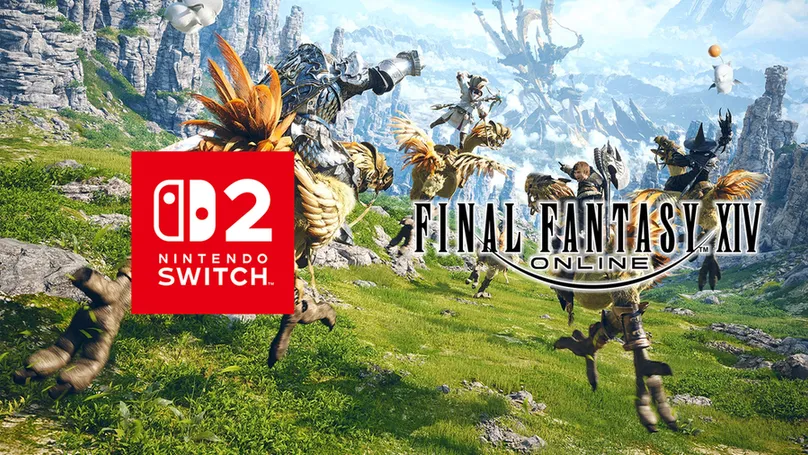
Final Fantasy 14, the critically acclaimed massively multiplayer online role-playing game (MMORPG) from Square Enix, is officially scheduled to make its debut on Nintendo’s next-generation hardware, the successor to the Nintendo Switch, in August 2026. The announcement was made during the keynote presentation at the Final Fantasy 14 Fan Fest 2026, an event that drew thousands of fans and industry observers eager for news regarding the expansion of the long-running title. Naoki "Yoshi-P" Yoshida, the game’s director and producer, was joined on stage by Square Enix CEO Takashi Kiryu to confirm the partnership, which marks the first time the franchise’s flagship MMO will be playable on a Nintendo platform.
During the presentation, the executives provided a live demonstration of the game running on the new hardware, colloquially referred to as the "Switch 2." While the technical performance appeared stable, the announcement was accompanied by a significant caveat regarding the game’s monetization structure. Unlike the existing versions on PC, PlayStation, and Xbox, the Switch 2 edition will require a dedicated, platform-specific subscription. This move represents a departure from the traditional "Mog Station" account management system, where a single subscription typically grants access to the game’s servers across multiple platforms, provided the user owns the necessary licenses.
The Subscription Structure and Economic Implications
The requirement for a separate subscription has immediately become a focal point of discussion within the gaming community. According to Yoshida, this decision was the result of extensive negotiations between Square Enix and Nintendo. "After discussions with Nintendo, it was decided that the Switch 2 version of Final Fantasy 14 would require a separate subscription," Yoshida explained through a translator. "I understand that this is different from how we’ve done things before, but it was necessary to bring the experience to this specific ecosystem."
To mitigate the impact on the existing player base, Square Enix and Nintendo have introduced a two-part compromise. First, players will not be required to maintain an active Nintendo Switch Online (NSO) membership to play Final Fantasy 14, mirroring the arrangement found on PlayStation platforms where a PlayStation Plus subscription is not mandatory for the game. Second, players who already possess an active Final Fantasy 14 subscription on another platform will be eligible for a 50 percent discount on the Switch 2 subscription fee.
Despite these concessions, the financial burden on "multi-platform" players—those who might wish to play on a high-end PC at home and a Switch 2 while traveling—is set to increase. For a game that already requires the purchase of base software and biennial expansions, the addition of a second monthly fee has drawn a "muted" response from veteran players. Market analysts suggest this move may be a strategy by Nintendo to ensure a direct revenue stream from high-engagement live-service titles on their platform, a sector where they have historically lagged behind Sony and Microsoft.
Technical Evolution and Hardware Compatibility
The journey of Final Fantasy 14 to a Nintendo console has been a decade-long saga of technical hurdles and hardware limitations. Since the launch of A Realm Reborn in 2013, Yoshida has frequently been asked about a potential Nintendo port. For years, the answer remained consistent: the original Nintendo Switch hardware, while innovative, lacked the CPU power and RAM capacity to handle the increasingly complex environments and player density of the MMO.
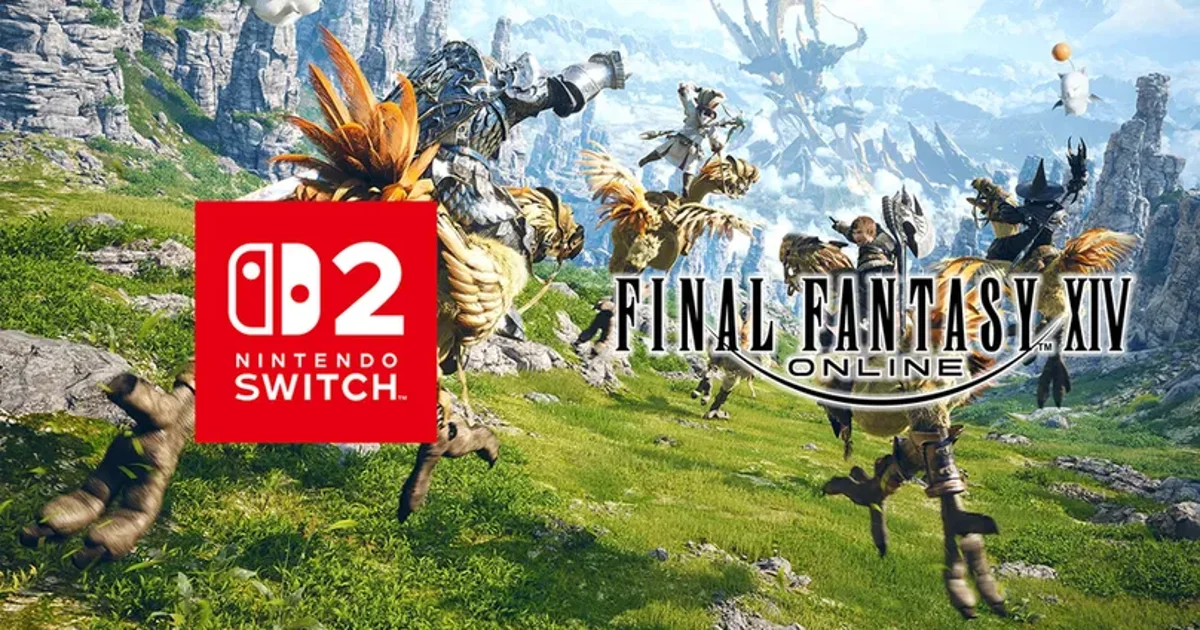
The transition to the Switch 2 signifies a major leap in mobile processing power. While Nintendo has yet to release the full specifications of the new console, the live demonstration at Fan Fest 2026 showcased the game utilizing high-resolution textures and lighting effects consistent with the "Graphical Update" introduced in the Dawntrail expansion (Version 7.0). The ability of the Switch 2 to run the game natively, rather than through a cloud-based solution, suggests that the hardware features modern architecture capable of supporting DirectX 12-level features and sophisticated asset streaming.
Yoshida noted that the live demonstration was a high-stakes moment for the development team. "A week ago, I had this great idea to play the Switch 2 on stage here, and Nintendo kind of freaked out a little," he joked. "They were like, ‘What?!’ But they cooperated and helped us so much to make this happen."
Chronology of Development and the Dawntrail Era
The timing of the August 2026 launch places the Switch 2 release squarely in the middle of the Dawntrail expansion cycle. Dawntrail, which launched in mid-2024, was billed as a "New World" adventure, shifting the narrative focus away from the apocalyptic stakes of the previous decade-long "Hydaelyn and Zodiark" arc toward a more exploratory, political intrigue-driven story in the region of Tural.
The expansion initially received mixed reviews, with some players criticizing the pacing of the story and the characterization of new protagonists. However, Square Enix has been proactive in addressing community feedback. The upcoming Patch 7.5, titled "Trail to the Heavens," is expected to be the final major narrative bridge before the next full expansion. Patch 7.5 will introduce:
- New Main Scenario Quests (MSQ) concluding the Tural arc.
- A new Alliance Raid series designed to challenge 24-player groups.
- A new "Limited Job," adding a unique gameplay style separate from the standard raiding meta.
- System optimizations intended to further streamline the experience for handheld players.
The Switch 2 version is expected to launch with all content up to and including Patch 7.5, providing new Nintendo users with hundreds of hours of gameplay from the very first day.
Strategic Shift in Square Enix’s Business Model
The arrival of Final Fantasy 14 on a Nintendo platform is indicative of a broader strategic shift at Square Enix. Under the leadership of CEO Takashi Kiryu, the company has pivoted away from platform exclusivity deals—which often favored Sony’s PlayStation—toward an "aggressive multi-platform strategy."
In recent financial briefings, Kiryu has emphasized the need for Square Enix’s major franchises to reach the widest possible audience to offset rising development costs. By bringing Final Fantasy 14 to the Nintendo ecosystem, Square Enix is tapping into a massive demographic that may not own a gaming PC or a rival home console. This follows the recent release of the game on Xbox Series X|S, which ended a long period of absence from the Microsoft ecosystem.

"Our goal is to ensure that fans can enjoy our stories regardless of their preferred hardware," Kiryu stated during the Fan Fest. "Final Fantasy 14 is a cornerstone of our company, and bringing it to the Nintendo community is a vital step in our long-term vision."
Community Reaction and Market Outlook
Initial reactions on platforms such as Reddit and BlueSky have been polarized. While some players expressed excitement at the prospect of performing "daily chores"—such as crafting, gathering, and low-level dungeon runs—in a handheld format, others expressed frustration over the "subscription tax."
The 50 percent discount for existing subscribers is seen as a "half-measure" by critics who point out that the PC and PlayStation versions share a single subscription fee. Some users noted that for a player already paying $15 a month, an additional $7.50 (estimated) for the Switch 2 version brings the annual cost of the game to nearly $270, excluding the cost of expansions.
However, industry analysts believe the move will be a net positive for the game’s longevity. The MMORPG genre relies on a constant influx of new players to maintain healthy server populations. The "Nintendo effect" could provide a significant boost to player numbers, particularly in the Japanese market where handheld gaming is the dominant form of media consumption.
Conclusion and Future Prospects
As the August 2026 release window approaches, Square Enix is expected to provide more details regarding the specific pricing of the Switch 2 subscription and the technical specifications of the port. The successful integration of Final Fantasy 14 into the Nintendo ecosystem would represent a landmark achievement for both companies, finally uniting one of the world’s most popular online games with the world’s most popular family of gaming devices.
For now, the development team remains focused on the rollout of Patch 7.5 and the continued refinement of the Dawntrail experience. With the hardware barrier finally broken, the "Warrior of Light" is poised to embark on a new journey, carrying the legacy of Eorzea into the hands of millions of Nintendo fans worldwide. The move serves as a testament to the enduring relevance of Final Fantasy 14 and the evolving landscape of the gaming industry, where cross-platform accessibility is becoming the new standard for success.