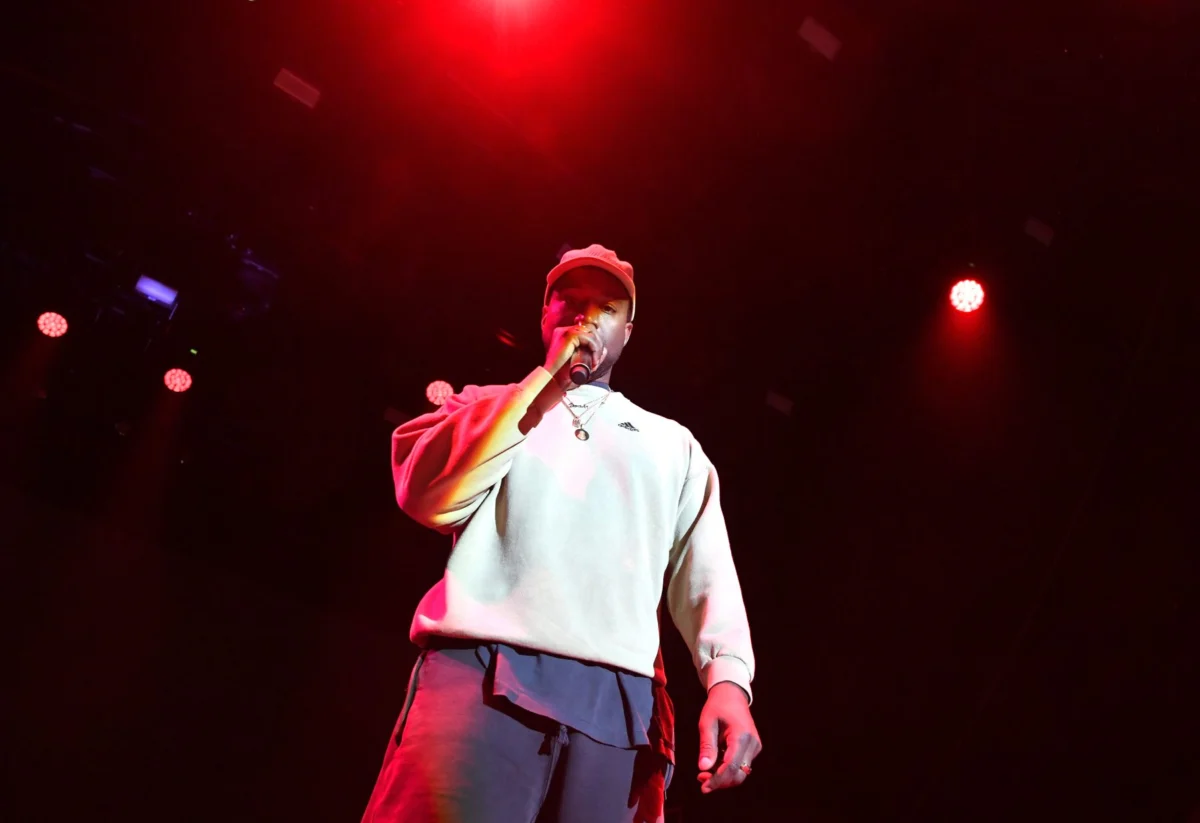
Ye, formerly known as Kanye West, is scheduled to perform two concerts at the Gelredome Stadium in Arnhem, Netherlands, on June 6 and June 8. Despite significant public outcry and calls from political figures to ban the artist due to his history of antisemitic rhetoric, Dutch authorities have indicated that there is currently no legal basis to prevent his entry or performances. This situation arises in the wake of several other concert cancellations and postponements for Ye across Europe, highlighting a growing international tension surrounding his public appearances and past statements.
Mounting Pressure and Legal Hurdles
The planned performances in the Netherlands come at a time when Ye faces considerable opposition. Members of the Dutch parliament and segments of the public have voiced strong objections, urging authorities to follow the lead of other nations that have taken action against the artist. However, Arnhem Mayor Ahmed Marcouch has stated that he does not see a legal justification for banning Ye from entering the Netherlands and performing.
"Members of Parliament have the power to make laws, so instead of constantly posting all kinds of messages on X, they can also limit behavior they deem undesirable by law," Mayor Marcouch told Dutch outlet NRC. He reiterated his stance that while he personally found West’s past antisemitic remarks "disgusting," the legal framework in the Netherlands does not currently permit a ban based on past actions alone.
The process for approving Ye’s concert permits is ongoing. Mayor Marcouch emphasized that within the legal boundaries, the mayor’s role is not to judge the content of a cultural event, as that falls under freedom of expression. Instead, the focus is on the permit applications themselves, which are being evaluated for safety and public order requirements. If the organizing entity meets these stipulations, the permit must be granted.
Official Stance and Legal Precedents
Echoing the Mayor’s sentiment, Dutch Minister Van den Brink had previously stated in early April that there was "no legal basis" to ban West from entering the Netherlands to perform. According to RTL News, the Minister indicated that based on the information available, there was no indication that an entry ban would apply.
This stance suggests that Dutch law, as it stands, does not permit pre-emptive bans on individuals for past statements unless those statements constitute a direct and present threat or are criminal offenses committed within Dutch jurisdiction. Mayor Marcouch further clarified that while making racist and antisemitic statements is a punishable offense, banning someone for past actions without a new infraction or a change in law presents a legal challenge.
"Making racist and antisemitic statements is already a punishable offense. But he has to make them first. Now it concerns someone who did something in the past and, for that reason, would not be allowed to come to the Netherlands," Mayor Marcouch explained. He added, "Regarding that, the Minister rightly said, ‘There is no legal basis for that.’ If the Minister comes to that conclusion after all the indignation and calls from the House, then you shouldn’t start shouting again that someone is not allowed to come. Then you have to create a legal basis so that the Minister can do those kinds of things."
The Mayor also expressed his appreciation for the Dutch constitutional state, where citizens are not subject to the "arbitrariness of a mayor or any other authority," but rather the law prevails.

A Pattern of Cancellations and Postponements
The situation in the Netherlands stands in contrast to recent events in other European countries. In the United Kingdom, Ye was denied a travel visa, which directly led to the cancellation of his scheduled performance at the Wireless Festival. This decision by UK authorities underscored the impact of his controversial remarks on international travel permissions.
Similarly, France saw a concert postponement. Following backlash and potential government intervention, Ye voluntarily postponed a concert that was slated for Marseille’s Stade Vélodrome in France. This proactive decision likely aimed to mitigate further governmental pressure or potential outright bans.
In Poland, a concert scheduled for June 19 at the Silesian Stadium in Chorzów was officially canceled. A representative for the stadium confirmed to Wyborcza that "the concert will not take place," indicating a definitive decision to withdraw from hosting the artist. The specific reasons for this cancellation in Poland, beyond the general controversy surrounding Ye, were not detailed by the stadium representative at the time of the report.
Broader Context: Ye’s Controversial History and Recent Activities
Ye’s ongoing controversies stem from a series of public statements and actions widely condemned as antisemitic and hateful. These incidents have included promoting a swastika symbol and releasing music with offensive lyrical content, such as a song titled "Heil Hitler." The fallout from these actions has been significant, leading to severed business ties, public condemnation, and the aforementioned travel restrictions and concert cancellations.
In an effort to address the repercussions of his behavior, Ye issued an apology in The Wall Street Journal in January, speaking to both the Jewish and Black communities. This was preceded by a meeting with a rabbi in November 2025, suggesting a series of steps aimed at reconciliation and perhaps mitigating the ongoing damage to his public image and career.
Musically, Ye released his album Bully on March 28, which debuted at number two on the Billboard 200 chart. He also returned to the stage for two shows at the SoFi Stadium in the U.S. on April 1 and April 3, marking a return to live performances in his home country.
Future Engagements and International Scrutiny
Despite the challenges, Ye’s tour schedule, as listed on the Yeezy website, indicates that he still has concerts planned for various international locations, including New Delhi, Istanbul, Italy, Madrid, and Portugal, in addition to the Dutch dates. The consistent international scrutiny he faces suggests that each of these scheduled performances will likely be subject to similar debates and potential challenges.
The situation in the Netherlands highlights a critical juncture in how countries balance freedom of expression with the need to combat hate speech and prevent the platforming of individuals who have espoused harmful ideologies. The legal interpretations in the Netherlands, emphasizing a need for current offenses or legislative changes to enact bans, present a different approach compared to countries that have been more proactive in restricting his appearances. This divergence in legal and political responses underscores the complex and evolving nature of international responses to controversial public figures.
The ongoing dialogue between public sentiment, political pressure, and legal frameworks in countries like the Netherlands will continue to shape the future of international tours for artists facing similar controversies. The legal precedent set in the Netherlands, while currently allowing Ye’s concerts to proceed, may also serve as a catalyst for discussions on potential legislative adjustments to address hate speech more effectively in the future. The global attention on these planned performances underscores the significant impact Ye’s past statements continue to have on his public life and international career.