


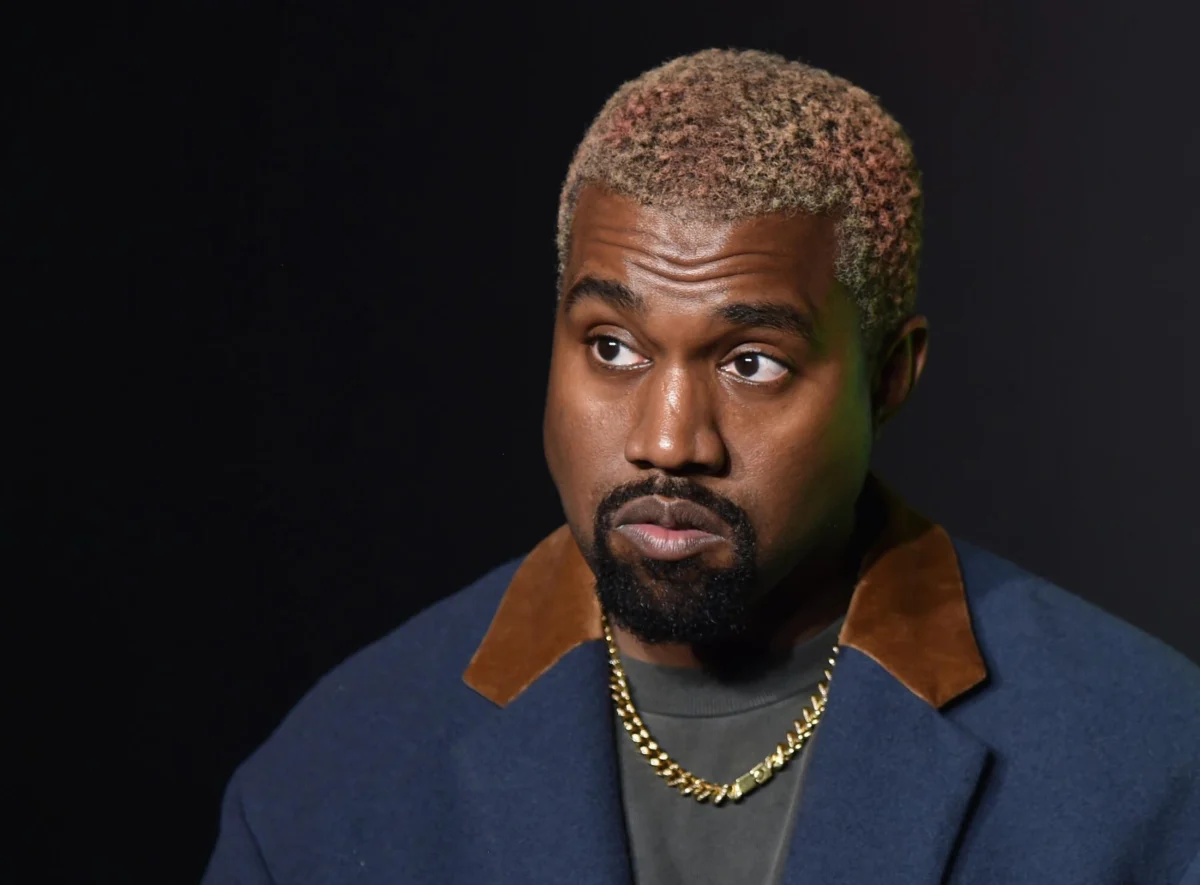
France is reportedly considering banning the artist formerly known as Kanye West, now legally identified as Ye, from performing in the country following a scheduled June concert. This potential move comes as international pressure mounts against the artist due to a persistent pattern of antisemitic remarks and controversial public statements. A source close to French Interior Minister Laurent Nuñez revealed on Tuesday, April 14th, that the minister is actively exploring all avenues to prevent Ye from taking the stage at Marseille’s Stade Vélodrome on June 11th. This development echoes similar actions taken in the United Kingdom, where the artist was recently barred from entering the country, leading to the cancellation of his scheduled headline performance at the Wireless Festival.
The prospect of a French ban underscores the increasing global response to Ye’s public pronouncements. Nuñez is described as "highly determined" to ensure the cancellation of the Marseille concert, a stance directly attributed to Ye’s history of antisemitic hate speech over the past several years. According to the insider who spoke to Agence France-Presse (AFP), the minister had already initiated discussions regarding the potential ban with Benoît Payan, the Mayor of Marseille, during a visit earlier in April. This proactive engagement highlights the seriousness with which French authorities are reportedly treating the situation.
Chronology of Controversy and International Reactions
Ye’s career has been marked by periods of significant artistic acclaim interspersed with controversies that have increasingly overshadowed his musical achievements. The current wave of international scrutiny appears to have been amplified by a series of public statements and social media posts made in late 2022 and continuing into 2023, which drew widespread condemnation from civil rights organizations, public figures, and governments.
October 2022: Ye made a series of antisemitic remarks during interviews and on social media platforms. These comments included expressing admiration for Hitler and denying the Holocaust, sparking immediate outrage. Major brands, including Adidas, Gap, and Balenciaga, severed their business ties with the artist, leading to significant financial repercussions.
Late 2022 – Early 2023: Following the widespread condemnation and the termination of lucrative partnerships, Ye issued a public apology in January 2023 in an advertisement published in the Wall Street Journal. He apologized to the Jewish and Black communities for his actions and attributed his behavior, in part, to a brain injury. He also mentioned releasing a song in 2025 titled "Heil Hitler" and selling T-shirts with a swastika logo, though the context and intent behind these statements remained unclear and were met with skepticism by many.
March 2024: Benoît Payan, the Mayor of Marseille, publicly voiced his opposition to Ye’s planned concert at the Stade Vélodrome. In a post on the social media platform X (formerly Twitter) on March 4th, Payan stated, "I refuse to let Marseille be a showcase for those who promote hatred and unapologetic Nazism. Kanye West is not welcome at the Vélodrome, our temple of living together and of all Marseillais." This strong stance from a prominent French political figure signaled potential governmental action.
April 7, 2024: The Wireless Festival in London announced the cancellation of Ye’s scheduled headline performances. The decision followed the U.K. Home Office’s denial of Ye’s request for an Electronic Travel Authorization (ETA) visitor visa. This effectively barred him from entering the United Kingdom. The festival’s cancellation was a direct consequence of the U.K. authorities’ decision, which cited concerns related to the artist’s past conduct.

April 14, 2024: Reports emerged that French Interior Minister Laurent Nuñez was considering a ban on Ye’s performance in Marseille, as detailed by an insider to AFP. This indicates a potential coordinated international effort to restrict the artist’s public appearances due to his controversial statements.
April 15, 2024 (Original Publication Date): Billboard reached out to Ye’s representatives for comment regarding the developing situation in France.
Background Context: The Stade Vélodrome and Marseille’s Cultural Identity
Marseille’s Stade Vélodrome is a historic and iconic venue, renowned not only for hosting major sporting events, particularly rugby and football (soccer), but also for its role in cultural programming. With a capacity exceeding 67,000 spectators, it is one of the largest stadiums in France and has previously hosted concerts by international superstars, cementing its status as a significant cultural landmark. The stadium’s identity, as described by Mayor Payan, is deeply intertwined with the concept of "living together" and inclusivity, representing a diverse population. The notion of allowing an artist with a history of promoting hate speech to perform in such a venue is seen by many, including the Mayor, as a direct contradiction of these values.
The city of Marseille itself is a vibrant, multicultural port city with a rich history of welcoming diverse populations. Its identity is often characterized by its cosmopolitan nature and its embrace of various cultures and communities. Therefore, any perceived endorsement of figures who espouse hateful ideologies is likely to face strong opposition from local authorities and residents who champion the city’s inclusive spirit.
Supporting Data and Previous Incidents
The decision by French authorities to consider a ban is not without precedent and is supported by a clear pattern of concerning behavior from the artist.
- Financial Repercussions: Following his antisemitic remarks in late 2022, Ye experienced significant financial losses. Adidas terminated its highly profitable partnership with Yeezy, reportedly costing the company $1.2 billion in lost revenue and Ye hundreds of millions of dollars in income. Other major brands like Gap and Balenciaga also ceased their collaborations.
- Social Media Bans: Ye has faced temporary or permanent bans from major social media platforms, including X (formerly Twitter) and Instagram, due to violations of their content policies, specifically concerning hate speech.
- Antisemitic Tropes: The artist’s statements have frequently invoked harmful antisemitic tropes, including conspiracy theories about Jewish control of media and finance, and historical antisemitic imagery. The reference to a song titled "Heil Hitler" and the sale of swastika-emblazoned merchandise, even if framed within a broader context of apology or artistic expression, further exacerbates these concerns.
- Impact on Jewish Communities: Jewish organizations worldwide have consistently condemned Ye’s remarks, highlighting the real-world harm that such rhetoric can inflict by fueling antisemitism and hate crimes. Groups like the Anti-Defamation League (ADL) have documented the increase in antisemitic incidents, and statements from prominent Jewish leaders have underscored the need for accountability.
Official Responses and Broader Implications
The potential ban in France signifies a growing international consensus on holding public figures accountable for hate speech, particularly when it has the potential to incite violence or discrimination.
- French Government Stance: The reported determination of Interior Minister Laurent Nuñez suggests that France is aligning with international efforts to curb the spread of hate speech. This move, if finalized, would position France alongside the United Kingdom in taking concrete action against the artist. The legal framework in France, which has strict laws against incitement to hatred and discrimination, provides a basis for such a prohibition.
- Mayor of Marseille’s Position: Benoît Payan’s firm stance reflects the commitment of local leadership to upholding the values of tolerance and inclusivity within their communities. His public condemnation of Ye demonstrates a proactive approach to safeguarding Marseille’s reputation as a welcoming and diverse city.
- Implications for Future Performances: If France does indeed ban Ye’s performance, it could set a significant precedent for other countries and major international festivals. It signals that artists with a history of egregious hate speech may face increasing difficulty in securing performance opportunities on a global scale, regardless of their artistic stature. This could lead to a more cautious approach by event organizers when booking artists with controversial pasts.
- Artistic Freedom vs. Public Safety: The situation inevitably raises questions about the boundaries of artistic freedom and the responsibility of artists to their audiences and society. While artistic expression is a cornerstone of many democracies, the potential for certain forms of speech to incite hatred and harm often leads to a balancing act between these principles. The actions of governments like France and the U.K. suggest a leaning towards prioritizing public safety and the prevention of hate speech over unrestricted artistic expression in specific contexts.
- Impact on Ye’s Career: The ongoing international bans and cancellations could have a profound and lasting impact on Ye’s ability to conduct international tours and engage with a global fanbase. This, coupled with the financial repercussions from severed brand deals, may force a significant reevaluation of his public persona and communication strategies.
While Ye’s representatives have been contacted for comment, no official statement has been released at this time regarding the potential French ban. The situation remains fluid, with further developments expected as French authorities continue to assess the legal and political ramifications of allowing the artist to perform in the country. The global response to Ye’s controversial statements continues to evolve, highlighting a growing international commitment to combating hate speech in the public sphere. The potential ban in France serves as a significant indicator of this trend, suggesting that the era of unchallenged controversial public pronouncements by influential figures may be reaching a critical juncture.