
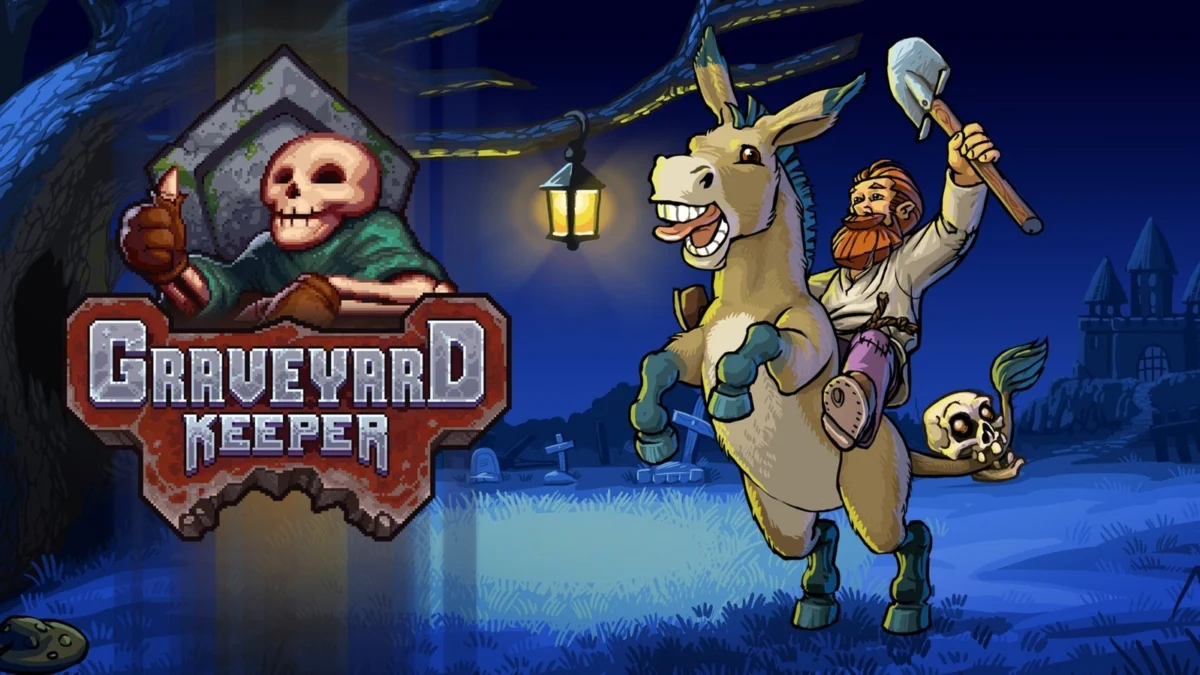
The independent publishing powerhouse tinyBuild has revealed a highly successful marketing maneuver involving its 2018 hit, Graveyard Keeper, demonstrating the enduring financial viability of the "loss leader" strategy in the digital gaming ecosystem. By offering the base game for free for a limited period, the publisher managed to generate approximately $250,000 in revenue through downloadable content (DLC) sales on the PC platform alone. This figure, confirmed by tinyBuild CEO Alex Nichiporchik, does not yet account for the revenue generated across console platforms such as Xbox and PlayStation, suggesting the total windfall could be significantly higher. Beyond immediate financial gains, the promotion served as a powerful catalyst for the upcoming sequel, Graveyard Keeper 2, which saw its Steam wishlist count surge by 400,000 during the giveaway window.
The Financial Mechanics of the Giveaway Strategy
The decision to gift a premium title that is nearly eight years old is a calculated move often employed by publishers who possess a robust catalog of post-launch content. In the case of Graveyard Keeper, the base game serves as an entry point into a complex ecosystem of expansions. Alex Nichiporchik noted on social media that such a move is particularly effective "when you have a lot of DLC." By removing the barrier to entry for the base game, tinyBuild effectively converted thousands of non-paying users into customers who were willing to invest in the game’s various expansions to complete their experience.
On the Steam platform, the conversion rate from free acquisition to DLC purchase proved remarkably high. The $250,000 in revenue was generated primarily from three major expansions: Stranger Sins, Game of Crone, and Better Save Soul. These packs, which range in price and content depth, provide the additional layers of automation, lore, and mechanics that the dedicated community has come to expect. This "long-tail" revenue model illustrates how indie titles can remain profitable long after their initial launch window if supported by a consistent content roadmap.
A Chronology of Graveyard Keeper’s Evolution
To understand the success of this recent promotion, one must look back at the unconventional trajectory of Graveyard Keeper since its debut in August 2018. Developed by Lazy Bear Games, the title was marketed as the "most inaccurate medieval cemetery management sim of the year." While it drew immediate comparisons to farming simulators like Stardew Valley, it distinguished itself through a dark, cynical sense of humor and a focus on ethically questionable resource management—such as processing human remains for profit or using "mystery meat" for local festivities.
Despite its unique premise, the initial critical reception was polarized. Many reviewers praised its art style and thematic depth but criticized the game for its "arcane busywork" and a grind-heavy progression system that could feel overwhelming to casual players. However, the developers at Lazy Bear Games did not abandon the project. Instead, they utilized the years following the release to refine the experience and expand the world through significant updates.
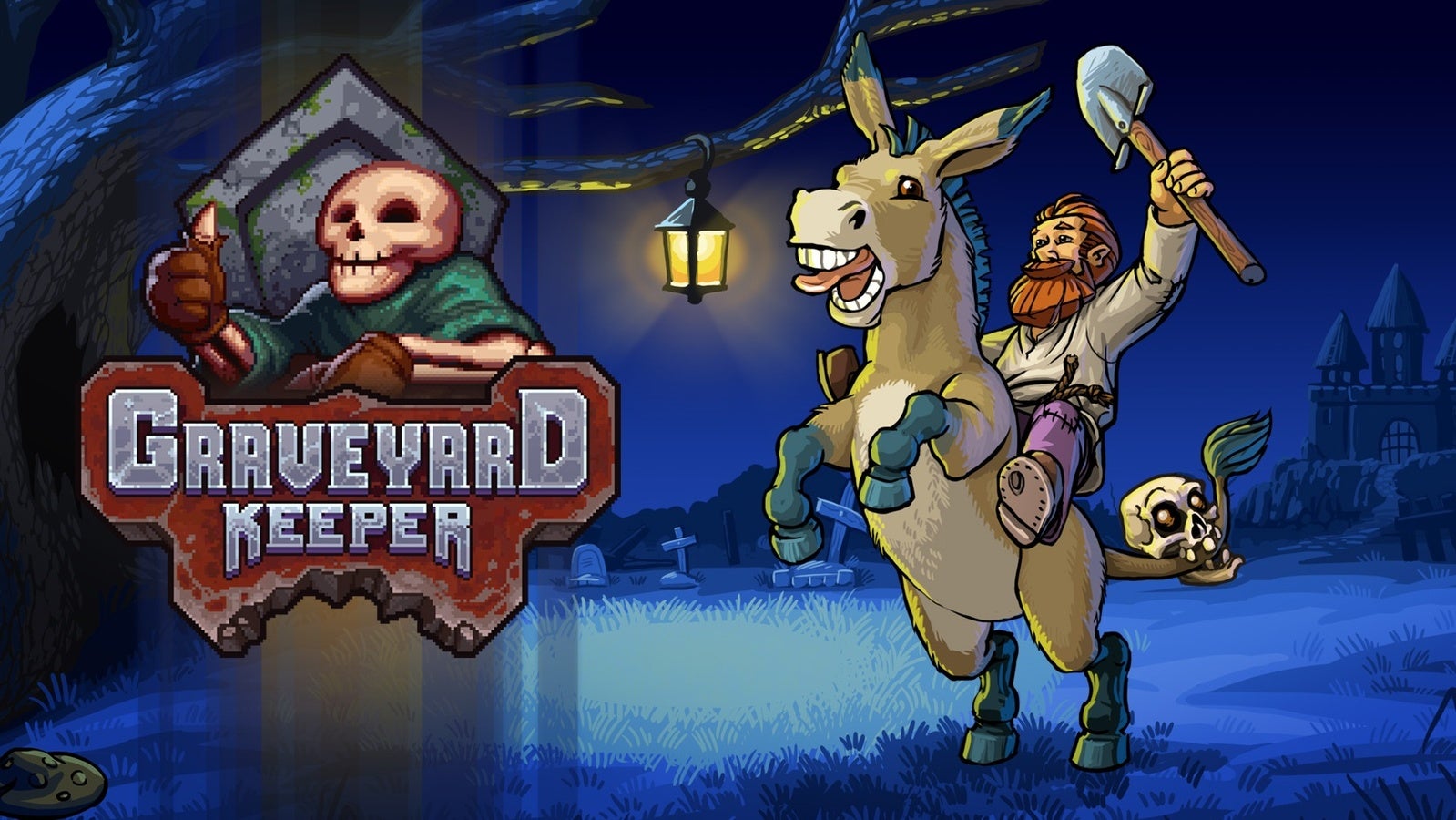
In 2019, the "Stranger Sins" DLC was released, adding roughly 12 hours of gameplay and a tavern-management mechanic that allowed players to uncover the backstory of the game’s world. This was followed in 2020 by "Game of Crone," which introduced a refugee camp storyline and vampire-themed mysteries. The final major expansion, "Better Save Soul," arrived in 2021, focusing on the mechanics of soul extraction and sins. This steady cadence of releases built a loyal player base that eventually pushed the game to "Very Positive" status on Steam, overcoming its rocky start.
Quantifying the Sequel’s Momentum
While the immediate revenue from DLC is a notable success, the primary objective of the giveaway was the long-term marketing of Graveyard Keeper 2. The sequel was officially announced during the Triple-i Initiative Showcase, a collaborative digital event highlighting high-profile independent games. The announcement trailer promised a return to the macabre world of the first game but with a significantly "more unhinged" approach and deeper mechanical systems.
The impact of the giveaway on the sequel’s visibility cannot be overstated. Reaching 400,000 wishlists during a single promotional period is a milestone that many indie developers fail to achieve over an entire development cycle. In the current Steam environment, wishlists are the primary metric for success, as they dictate the visibility a game receives from the platform’s algorithm upon launch. By flooding the ecosystem with the original game, tinyBuild ensured that the sequel would be front-of-mind for a massive new audience.
The 400,000 wishlist figure is specifically tied to the Steam version of Graveyard Keeper 2. As the game is also expected to launch on major consoles, the total number of interested players across the entire gaming market is likely much higher. This level of anticipation places Graveyard Keeper 2 among the most sought-after indie sequels currently in production.
Industry Implications and the "Loss Leader" Model
The success of the Graveyard Keeper giveaway provides a blueprint for other mid-sized publishers managing older intellectual properties. In an era where the "attention economy" is increasingly competitive, giving away a high-quality product for free can be more effective than traditional advertising. This strategy mirrors the "Free-to-Play" model but applies it to a "Premium" product that already has years of accumulated content and a proven track record.
Industry analysts point out that this move also benefits from the current trend of "cosy games with a twist." While the original Graveyard Keeper was often criticized for its complexity, a new generation of players has embraced "automation" and "management" sims that require significant time investment. By providing the base game for free, tinyBuild allowed these players to discover the game’s depth without financial risk, subsequently leading them to purchase the DLC to alleviate the very "grind" that earlier critics found off-putting.

Furthermore, the timing of the giveaway aligns with a broader shift in how games are discovered. With platforms like the Epic Games Store popularized the "weekly free game" model, consumers have become accustomed to receiving high-quality titles at no cost. TinyBuild’s ability to monetize this behavior through DLC sales demonstrates a sophisticated understanding of modern consumer habits.
Official Reactions and Future Outlook
Alex Nichiporchik’s transparency regarding the financial results of the campaign has been welcomed by the developer community, offering rare insight into the efficacy of such promotions. While many publishers remain secretive about specific revenue figures, tinyBuild’s willingness to share the $250,000 PC revenue figure highlights the health of the franchise.
Lazy Bear Games, the developer behind the series, has expressed its commitment to addressing the feedback from the first game in the upcoming sequel. Fans are expecting significant quality-of-life improvements, including better quest tracking, more streamlined crafting menus, and a reduction in the "back-and-forth" travel that characterized the original. The developer has teased that Graveyard Keeper 2 will feature more complex interactions with the town’s inhabitants and a more expansive world to explore.
As the industry looks toward the 2026 release window for Graveyard Keeper 2, the franchise stands as a testament to the power of community building and iterative development. What began as a "fascinating" but flawed management sim in 2018 has evolved into a powerhouse IP for tinyBuild. The recent giveaway has not only filled the publisher’s coffers in the short term but has also built a massive, engaged audience ready to descend back into the graveyard when the sequel finally arrives. For now, the original game remains a staple of the genre, bolstered by a fresh wave of players currently working their way through the dark, humorous, and profitable world of medieval corpse management.