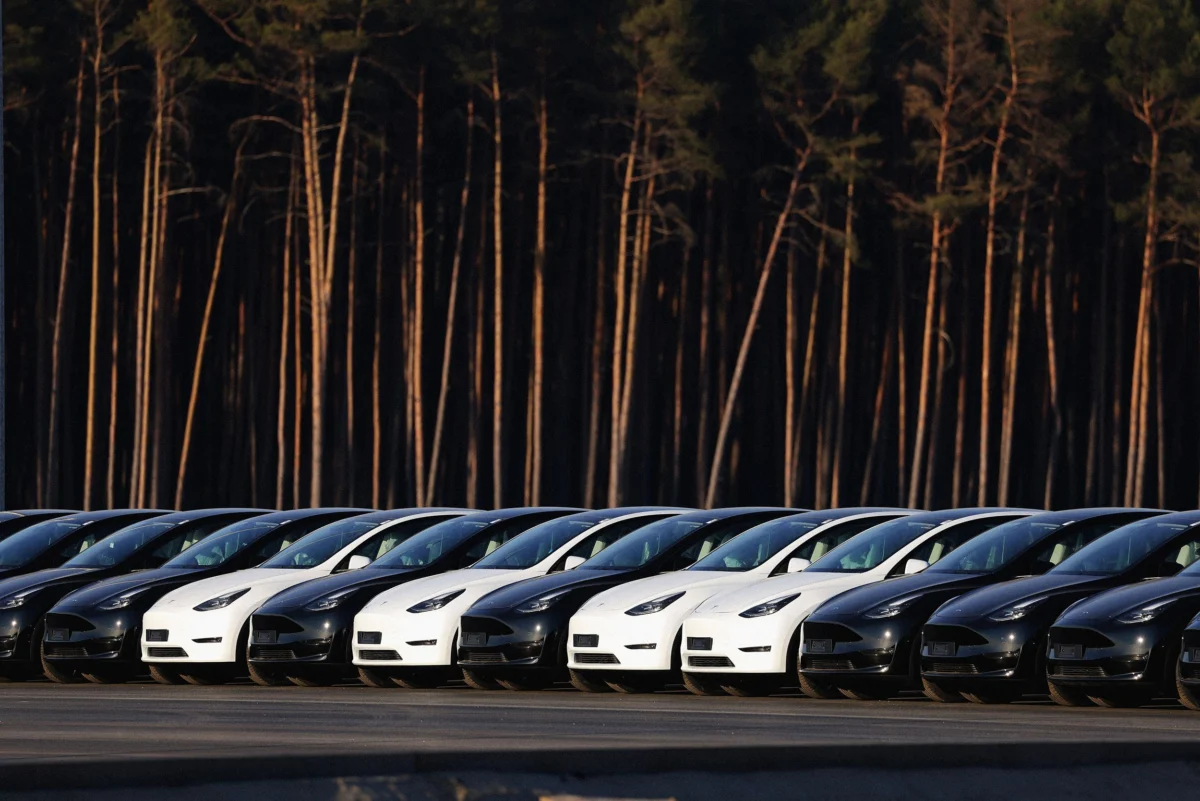
The landscape of the electric vehicle market was recently roiled by a significant wave of consumer dissatisfaction, as Tesla owners voiced allegations of a "bait and switch" tactic regarding the company’s Full Self-Driving (FSD) software. This controversy, centered on a limited-time offer to transfer FSD features to new vehicle purchases, has highlighted a growing rift within one of the most loyal customer bases in the automotive industry. Initially, Tesla proposed a deal allowing owners of older vehicles to transfer their FSD package—a feature once sold for a one-time "lifetime" fee of up to $15,000—to any new Tesla purchased by March 31. However, the manufacturer’s subsequent amendment of the terms, requiring delivery to be completed by that same date, left many buyers stranded due to significant production backlogs.
This incident is not merely a dispute over contract language; it represents a pivotal moment for the "Teslarati," the community of enthusiasts and investors who have historically defended CEO Elon Musk and the company against all criticism. For years, this community has operated within a digital echo chamber, primarily on the social media platform X (formerly Twitter), where brand loyalty was often treated as a prerequisite for membership. As production delays and unfulfilled technological promises mount, even the most ardent supporters are beginning to question the narrative surrounding the company’s leadership and its vision for the future of autonomous transportation.
The FSD Transfer Controversy and the Cybertruck Pricing Pivot
The FSD transfer offer was particularly enticing for customers eyeing the newly released Cybertruck. At the time of the announcement, Musk indicated that a base model of the stainless-steel pickup would be available for $59,990. However, this price point proved fleeting. Within ten days of the announcement, the entry-level price was adjusted, and by the start of 2026, the cost of the base model had escalated to $79,990. This rapid price fluctuation, combined with the restrictive delivery window for FSD transfers, created a sense of urgency that many consumers now view as manipulative.
Tesla’s internal production constraints meant that customers who ordered vehicles in good faith to meet the March 31 deadline were often informed that their cars would not arrive in time. While the company offered a refund of the $250 order fee for those wishing to cancel, the move did little to quell the anger of those who felt they had been lured into a purchase under false pretenses. On X, the reaction was swift and vitriolic. Prominent accounts, such as "The Cybertruck Guy," labeled the situation a "pathetic disaster," a sentiment that triggered a civil war within the Tesla community. Loyalists accused dissenters of "insufficient fealty," leading to a cycle of blocking and social exile that has become characteristic of the brand’s online presence.
The Evolution of a Digital Echo Chamber
The relationship between Tesla and its supporters has long been symbiotic. For investors, the company’s meteoric rise—a tenfold increase in stock value over six years and a market capitalization exceeding $1 trillion—provided a massive financial incentive to maintain a positive narrative. On X, Musk’s preferred platform, followers could engage directly with the CEO, receiving updates on future products while reinforcing a collective belief in the environmental and technological superiority of the brand.
This environment fostered a culture where skepticism was often met with hostility. Critics were dismissed as "Elon haters" or "short-sellers" seeking to profit from the company’s downfall. However, the recent FSD controversy suggests that the community’s breaking point may have been reached. The realization that unfulfilled promises are not merely "delays" but may be systemic issues has led some of the brand’s most vocal advocates to rethink their worldview. For these individuals, the decision to voice objections publicly often results in immediate ostracization from the group they once championed.
From Advocate to Skeptic: The Story of Earl Banning
Earl Banning, a psychologist based in Anchorage, Alaska, exemplifies the journey from a devoted Tesla "fanboy" to a vocal critic. Banning joined the community in 2018 after purchasing his first Tesla, quickly gaining a following after Musk retweeted a video of Banning’s car using the "Summon" feature to park itself. Banning became a central figure in the community, creating popular traditions like "Frunk Puppy Friday" and attending in-person events where he formed deep social bonds.
At the height of his enthusiasm, Banning admits he was "insufferable," spending significant time attacking journalists and skeptics who raised concerns about the company. He viewed these critics as victims of misinformation who failed to see Musk’s genius. However, Banning’s perspective began to shift during the 2020 Covid-19 pandemic. As a healthcare professional, he was disturbed by Musk’s public dismissals of the virus’s severity and his inaccurate predictions regarding infection rates.
Banning’s disillusionment deepened after he received early beta access to FSD in late 2020. Despite Musk’s claims that the software was nearing completion, Banning witnessed dangerous malfunctions, including his car lurching toward a fire hydrant and attempting to drive down a sidewalk. The final break occurred in December 2022 during a live chat on X, where Banning confronted Musk about his incendiary political rhetoric and its impact on marginalized communities, including Banning’s own transgender child. Musk’s dismissive response solidified Banning’s exit from the "Teslarati."
Livestreaming the Glitches: The Reality of Beta Testing
Similar stories of disillusionment are found among other long-term owners, such as Jilianne, a Los Angeles-based driver. Despite owning a $119,000 Model S Plaid and remaining an admirer of the vehicle’s hardware, Jilianne has become a prominent critic of the FSD software. She has broadcast over 170 hours of FSD demonstrations on X, documenting what she describes as persistent and dangerous glitches.
Jilianne’s transition from an enthusiast who believed she was helping "improve the product" to a skeptic was gradual. As she began to document the software’s failures, she faced harassment from the Tesla community, with users labeling her "ungrateful." Her experience highlights the difficulty of providing objective feedback in a community where any criticism is viewed as an act of betrayal. Jilianne’s decision to buy a Ford Bronco instead of a Cybertruck was met with predictions of mechanical failure and environmental guilt from her former peers, illustrating the intense pressure to remain "brand-loyal."
The Dawn Project and the Technical Critique of FSD
While individual owners deal with the social repercussions of dissent, professional critics like Dan O’Dowd have taken a more systemic approach. O’Dowd, a tech billionaire and CEO of Green Hills Software, was once a "big fan" of Tesla, owning multiple models. His skepticism took root in 2016 after Musk promised a fully autonomous cross-country drive by the end of 2017—a feat that has yet to be achieved.
O’Dowd founded the Dawn Project to lobby against the use of what he deems "defective and insecure software" in safety-critical systems. The organization has funded high-profile advertisements, including Super Bowl commercials, showing Teslas failing to stop for school buses or striking child-sized mannequins. These campaigns have made O’Dowd a primary target for the Tesla community, with influencers accusing him of being a "bad-faith actor" funded by competitors or oil companies.
Despite the personal attacks, O’Dowd remains focused on the data. He points to the discrepancy between Musk’s ambitious timelines—such as the production of 10,000 Optimus robots by 2025—and the actual output of the company. O’Dowd notes that Tesla’s shift in focus away from affordable electric vehicles, such as the scrapped $25,000 "Model 2" project, toward robotics and robotaxis, marks a departure from the company’s original mission to accelerate the world’s transition to sustainable energy.
Shifting Corporate Strategy and Future Implications
The internal friction within the Tesla community coincides with a broader shift in the company’s corporate strategy. In early 2024, reports surfaced that Tesla had abandoned plans for its long-awaited entry-level vehicle to focus on the development of the Optimus humanoid robot and a dedicated robotaxi platform. Furthermore, the company announced it would cease production of its flagship Model S and Model X vehicles to prioritize these new ventures.
This strategic pivot has significant implications for the brand’s market position. As traditional automakers and Chinese manufacturers scale up their EV offerings, Tesla’s move toward high-risk, unproven technologies like humanoid robotics may alienate the core consumer base that fueled its initial success. Legal challenges also continue to mount, with multiple lawsuits alleging that Tesla’s driver-assistance features have led to accidents, including a recent case in Houston where a Cybertruck allegedly attempted to drive off an overpass.
The erosion of brand fealty among formerly ardent supporters suggests that the "Musk premium"—the added value brought to the company by the CEO’s personal brand—may be diminishing. For years, Tesla operated without a traditional marketing budget, relying instead on a grassroots army of enthusiasts to promote its products. As this army splinters, the company faces the challenge of maintaining its trillion-dollar valuation in an increasingly competitive and skeptical market.
The stories of Earl Banning, Jilianne, and Dan O’Dowd reflect a broader trend: a transition from blind faith to a more nuanced, and often critical, appraisal of Tesla’s trajectory. While many of these critics still admire the engineering of the vehicles themselves, their trust in the software and the leadership behind it has been fundamentally shaken. As the "Tesla bubble" continues to show signs of strain, the company’s ability to deliver on its long-standing promises will determine whether it can retain its status as a leader in the automotive revolution or if it will be remembered as a cautionary tale of technological overreach and digital tribalism.