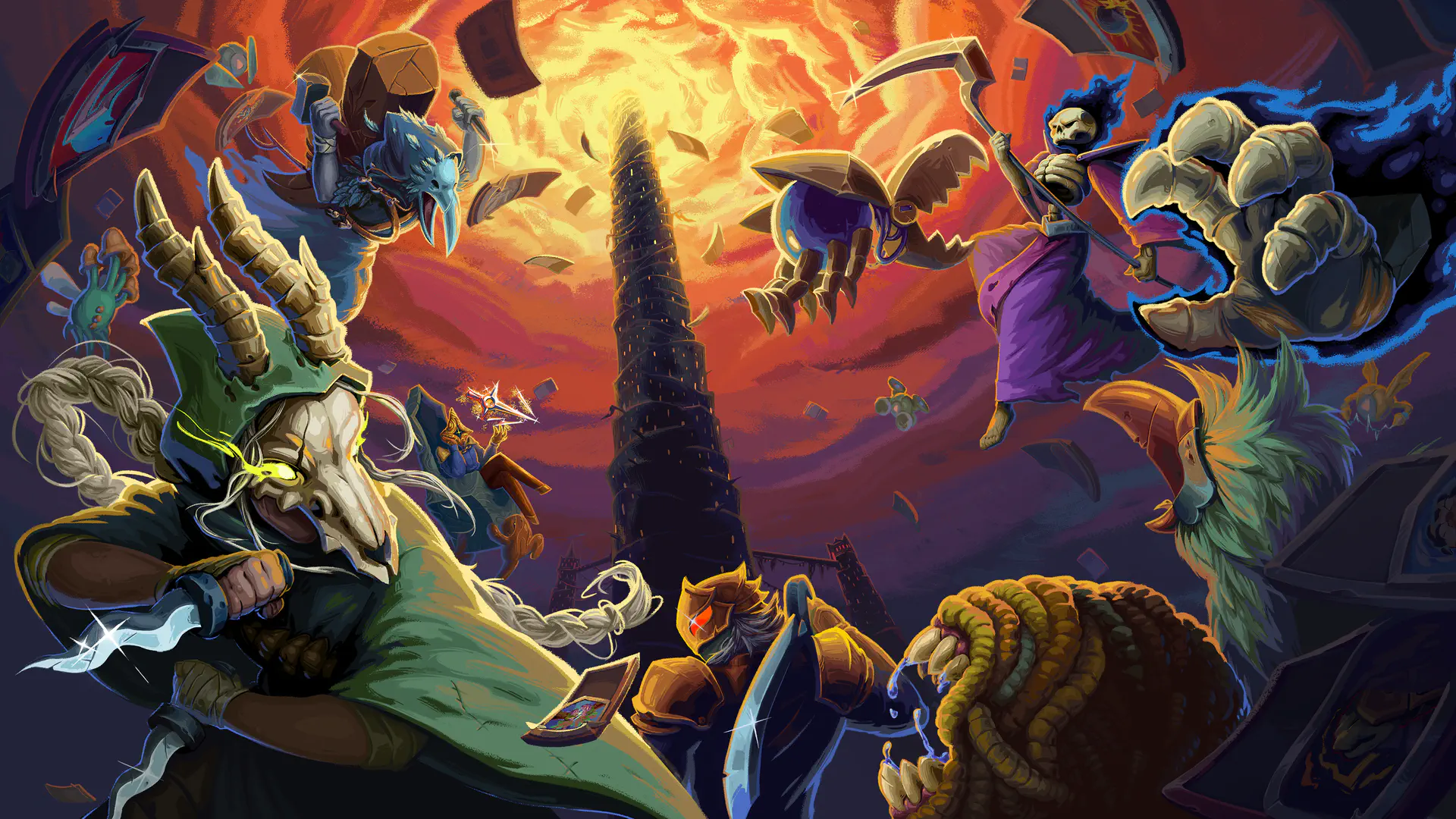
The digital distribution landscape on PC witnessed a seismic shift in March 2026 as Mega Crit’s highly anticipated sequel, Slay the Spire 2, shattered sales records for an independent title in early access. According to the latest market intelligence from Alinea Analytics, the deck-building roguelike moved an estimated 5.3 million units within its debut month on Steam, generating a staggering $108 million (£81.7 million) in gross revenue. This performance not only secured the top spot on the global sales charts but also established a new benchmark for the indie sector, comfortably outpacing high-budget triple-A releases such as Pearl Abyss’s Crimson Desert and Capcom’s Resident Evil Requiem.
The data, released by lead analyst Rhys Elliott, highlights a burgeoning trend where established indie intellectual properties (IPs) are increasingly capable of commanding market shares previously reserved for major publishing houses. Slay the Spire 2’s dominance was so pronounced that its monthly unit sales more than doubled those of its nearest competitor, signaling a robust appetite for deep, mechanically driven experiences over purely cinematic spectacles.
The Early Access Triumph of Mega Crit
Mega Crit’s journey toward the release of Slay the Spire 2 has been a focal point of industry discussion since the project’s announcement. The original Slay the Spire is widely credited with defining the modern roguelike deck-builder genre, and the sequel’s transition to the Godot engine—following the developer’s high-profile departure from Unity amid pricing controversies—appears to have had no detrimental impact on its commercial reception.
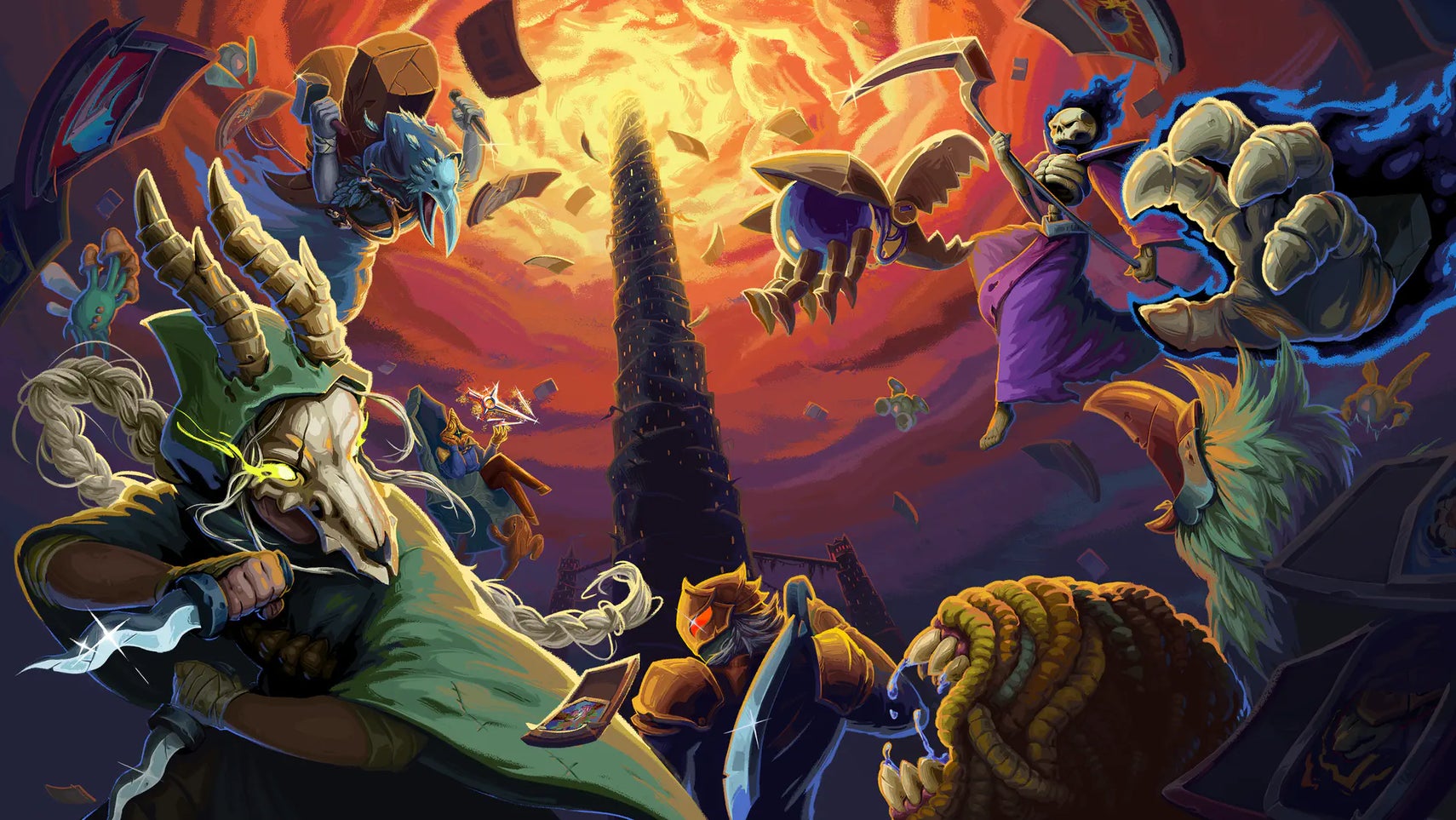
The $108 million revenue figure is particularly noteworthy given the game’s presence in Early Access. Unlike traditional full releases, Slay the Spire 2 is being developed iteratively with the community. Despite this, the sheer volume of sales suggests that the "Mega Crit" brand now carries a level of prestige comparable to top-tier studios. Analyst Rhys Elliott noted that the 5.3 million copies sold represent a "nuts but deserved" milestone, reflecting a loyal player base that has been waiting nearly seven years for a numbered follow-up.
Within the first two weeks of its launch, the title had already outperformed the estimated lifetime Steam revenues of other high-profile indie sequels like Hades 2 and the long-delayed Hollow Knight: Silksong. This financial windfall provides Mega Crit with a significant runway to refine the game’s balance and content over the projected 12 to 24 months of its Early Access period.
Crimson Desert and the Volatility of Triple-A Sentiment
While Slay the Spire 2 claimed the gold medal, Pearl Abyss’s open-world epic Crimson Desert secured a respectable second place with 1.9 million copies sold on Steam. The journey for Crimson Desert has been more turbulent than that of its indie counterpart. Originally conceived as a prequel to the popular MMORPG Black Desert, the game evolved into a sprawling single-player action RPG, leading to multiple delays and fluctuating investor confidence.
Market analysts observed that while the initial launch received a "mixed bag" of reactions regarding technical optimization, the game’s trajectory has remained positive. Elliott pointed out that traditional financial barometers, such as stock market performance, often fail to capture the nuances of player sentiment. "Real talk: the stock market is typically a bollocks barometer for sentiment," Elliott stated, emphasizing that word-of-mouth for Crimson Desert has remained strong.

The game’s community management team has been praised for its transparency and rapid deployment of hotfixes, which helped stabilize the title’s reputation after a rocky first week. With nearly 2 million units sold on PC alone—and significant additional volume expected on consoles—Crimson Desert is now firmly established as a cornerstone IP for Pearl Abyss. Analysts predict it will be remembered as one of the defining success stories of 2026 as it transitions into a "evergreen" title with long-term sales potential.
The "Friendslop" Phenomenon: Climber Animals Together
Taking the third spot on the March leaderboard was the viral sensation Climber Animals Together, which moved 1.2 million units. The game represents a specific sub-genre that industry insiders have colloquially dubbed "friendslop"—titles designed primarily for chaotic multiplayer interactions and high "streamability."
Climber Animals Together had a modest debut in late 2024 but exploded in popularity in early 2026 due to a strategic self-release push in the Chinese market. The game’s viral success was fueled by short-form video platforms and streaming giants like Douyu and Bilibili. Despite its high unit volume, the game’s revenue was relatively low, totaling under $6 million for the month. This discrepancy is attributed to its ultra-low price point, a strategy designed to lower the barrier to entry for friend groups looking for "throwaway" entertainment.
The success of Climber Animals Together underscores the growing divide in the Steam marketplace between high-value "prestige" games and low-cost "viral" games. While both can occupy top spots on the unit sales charts, their impact on a developer’s bottom line differs exponentially.

Capcom’s Dual-Track Success with Resident Evil
Capcom continued its streak of commercial dominance with Resident Evil Requiem, which matched Climber Animals Together with 1.2 million units sold in March. However, as a premium-priced title, Requiem generated over $70 million (£53 million) in revenue—more than ten times that of the third-place animal climber.
The success of Requiem also had a halo effect on the franchise’s back catalog. Resident Evil 3 Remake saw a resurgence, selling 994,000 units in March. This spike was driven by a combination of franchise momentum and an aggressive 90 percent discount on Steam. Rhys Elliott noted that this strategy highlights Capcom’s "PC-first mindset," observing that the Steam audience is far more responsive to deep discounting than console ecosystems. By keeping older titles relevant through periodic sales, Capcom maintains a constant presence in the "Top Sellers" list, ensuring that the Resident Evil ecosystem remains lucrative long after a game’s initial launch window.
Iterative Development and Community Feedback
A key component of Slay the Spire 2’s ongoing success is Mega Crit’s commitment to the Early Access model. In late March, the studio released a significant beta patch that demonstrated a high level of responsiveness to player feedback. The patch notably rolled back several controversial changes made to core character cards, including the Silent’s "Prepared" card and the Necrobinder’s "Capture Spirit."
The Necrobinder, a new character introduced in the sequel, has been a particular focus for the development team. Balancing a new archetype in a game as mechanically dense as Slay the Spire is a delicate process. By involving the community in these granular balance shifts, Mega Crit has fostered a sense of co-authorship with its players, which has arguably contributed to the game’s sustained sales momentum throughout its first month.

Market Analysis and Future Implications
The March sales data provides a clear picture of a diversifying PC gaming market. The fact that an indie sequel can out-earn a Resident Evil title and a major new IP from Pearl Abyss suggests that the traditional hierarchy of the gaming industry is being dismantled.
Several factors contribute to this shift:
- Brand Loyalty: Players are increasingly following specific developers (like Mega Crit) rather than just franchises.
- Platform Synergy: Steam’s infrastructure, including its Early Access program and seasonal sales, allows for different types of success—from the viral explosion of "friendslop" to the steady revenue of premium horror titles.
- Global Reach: The influence of the Chinese market, as seen with Climber Animals Together, can breathe new life into older titles or propel niche indie games to global stardom.
As 2026 progresses, the industry will be watching to see if Slay the Spire 2 can maintain this level of engagement. With a roadmap that includes new characters, additional acts, and expanded modding support, the game is well-positioned to remain a fixture of the Steam charts for years to come. Meanwhile, the success of Crimson Desert provides a blueprint for how South Korean developers can successfully pivot to the global single-player market, provided they are willing to engage deeply with their community to overcome initial technical hurdles.
In conclusion, March 2026 has proven that quality and community engagement are the primary drivers of success in the modern era. Whether it is a perfectly balanced card game or a high-octane survival horror experience, the Steam audience has shown a willingness to invest heavily in titles that respect their time and offer deep, replayable experiences. Mega Crit’s $108 million month is not just a win for the studio; it is a testament to the enduring power of the independent developer in an increasingly crowded marketplace.