The television landscape in March is characterized by a significant intersection of historical reflection, high-stakes drama, and the return of critically acclaimed franchises across major streaming platforms. As the global media industry continues to navigate the post-strike production environment, this month’s slate reflects a strategic focus on prestige docuseries, literary adaptations, and the revival of established intellectual properties. From the 40th anniversary of the Chernobyl nuclear disaster to the expansion of the Marvel Cinematic Universe on Disney+, the upcoming releases offer a comprehensive look at human error, scientific evolution, and the shifting paradigms of digital culture.
Historical Reflection and Nuclear Safety: The 40th Anniversary of Chernobyl
As the international community nears the 40th anniversary of the 1986 Chernobyl disaster, media outlets are revisiting the event to analyze its enduring geopolitical and environmental impact. CNN’s four-part miniseries, Disaster: The Chernobyl Meltdown, premiering between March 1 and March 8, serves as a cornerstone of this commemorative programming. The series utilizes never-before-seen footage from the exclusion zone and features interviews with insiders who have remained silent for four decades.
The Chernobyl accident remains the most expensive disaster in human history, with estimated costs exceeding $235 billion in damages and mitigation efforts. Beyond the financial toll, the event fundamentally altered the Soviet Union’s political transparency—a precursor to glasnost—and led to the establishment of the 2,600-square-kilometer Chernobyl Exclusion Zone. Analysts suggest that the series arrives at a critical juncture, as contemporary discussions regarding nuclear proliferation and energy security have resurfaced amid global conflicts. The documentary aims to provide a modern context for these historical lessons, focusing on the systemic government cover-ups that exacerbated the initial reactor collapse.
In a parallel exploration of nuclear hazards, Netflix is set to premiere Radioactive Emergency on March 18. While Chernobyl is a well-documented global event, this five-episode docudrama focuses on the 1987 Goiânia incident in Brazil. The accident occurred when scavengers dismantled a forgotten radiotherapy source containing Cesium-137 at an abandoned hospital site. The subsequent contamination killed four people and required the monitoring of over 100,000 individuals. By dramatizing this event, Netflix highlights the risks associated with "orphan" radioactive sources—hazardous materials that are no longer under regulatory control.
The Evolution of the Superhero Genre: Daredevil’s Return to the MCU
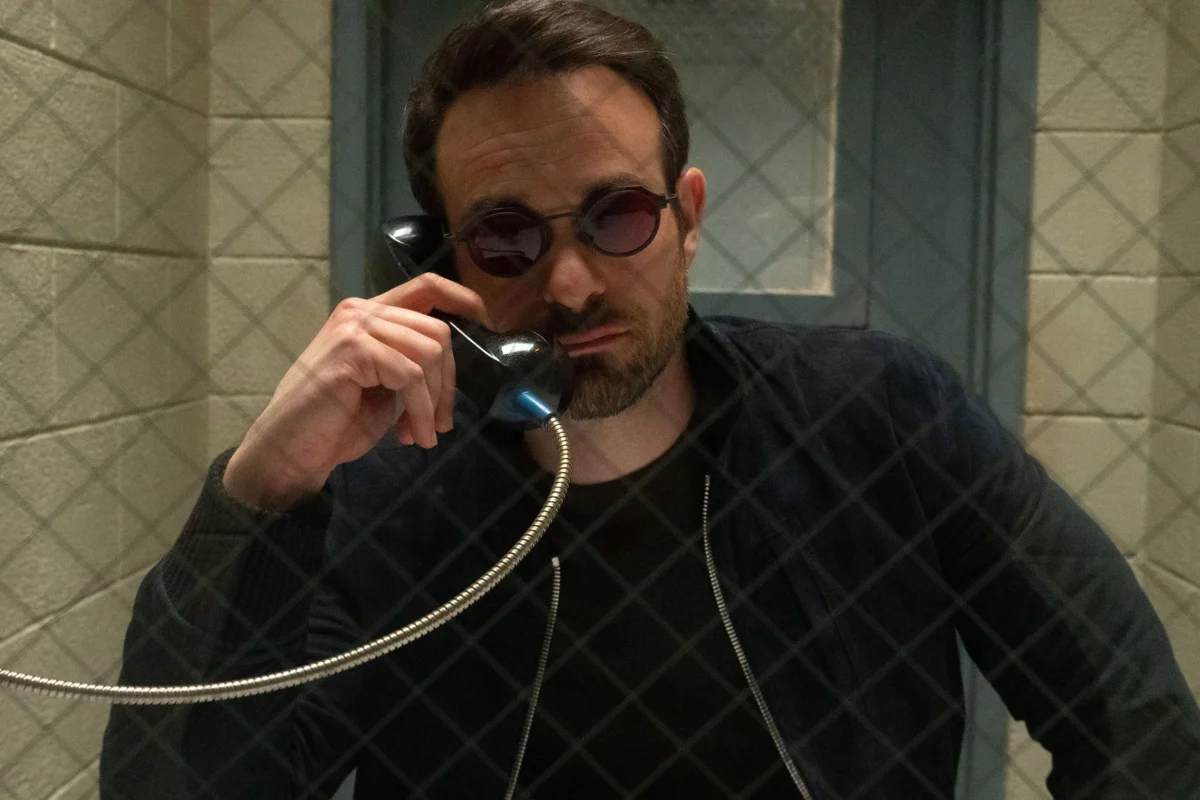
The premiere of Daredevil: Born Again on March 4 marks a pivotal moment for Disney+ and the broader Marvel Cinematic Universe (MCU). After the cancellation of the original Netflix series in 2018, the character of Matt Murdock, played by Charlie Cox, underwent a period of transition. The new series represents a "creative overhaul" by Marvel Studios, shifting away from the traditional limited-series format toward more serialized, multi-season storytelling.
The production of Born Again faced significant delays due to a complete script and directorial restructuring midway through filming. Industry observers note that this move reflects a broader strategy by Disney to prioritize quality and character continuity over rapid content output. The series sees the return of Vincent D’Onofrio as Wilson Fisk, who has transitioned from a crime lord to a political figure, mirroring complex real-world intersections of crime and governance. With a third season already in development, the show’s gritty, street-level aesthetic continues to draw comparisons to prestige cinema, signaling a maturation of the superhero genre on streaming platforms.
Natural History and Scientific Education: Spielberg’s Vision of Prehistory
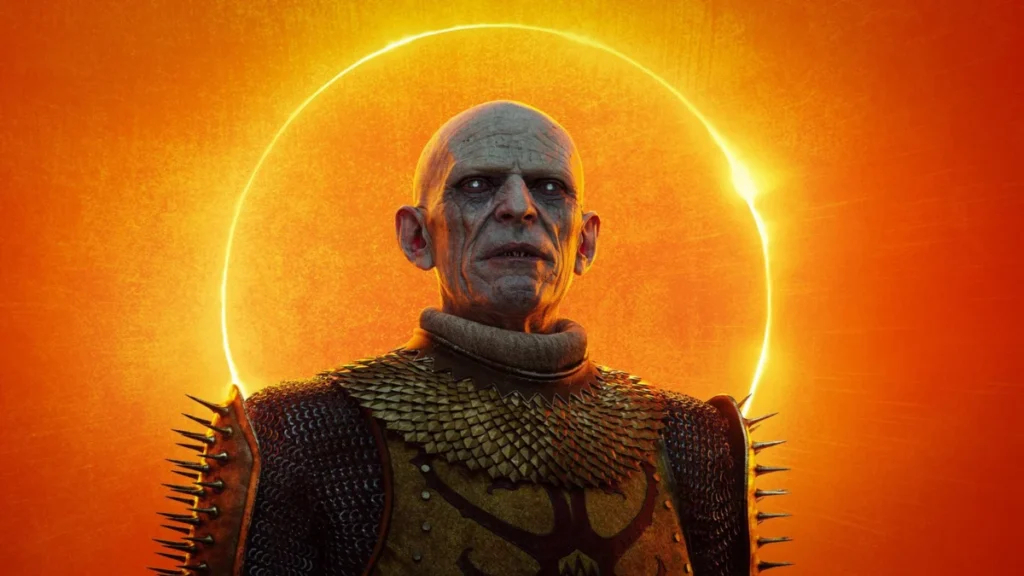
On the scientific and educational front, Netflix’s The Dinosaurs leverages the executive production of Steven Spielberg and the narration of Academy Award winner Morgan Freeman. The four-part docuseries, arriving in early March, utilizes advanced CGI and the latest paleontological findings to trace the 165-million-year reign of dinosaurs.
The series aims to move beyond mere spectacle, offering a scientific explanation for evolutionary adaptation and extinction events. Since the release of Spielberg’s Jurassic Park in 1993, the field of paleontology has been transformed by new fossil discoveries and genetic research. The Dinosaurs incorporates these updates, providing a history lesson that emphasizes "how life finds a way" through catastrophic environmental shifts. This release underscores the ongoing demand for high-budget natural history programming, a genre that has seen a resurgence in popularity due to technological advancements in visual effects.
True Crime and Digital Forensics: Investigating the Modern Footprint
The true crime genre continues to dominate streaming charts, with two significant March releases focusing on the role of social media in criminal investigations. The TikTok Killer, a two-part Netflix docuseries debuting March 6, investigates the 2023 disappearance of Esther Estepa in Spain. The case is notable for how the victim’s family utilized her digital footprint—videos, text messages, and social media activity—to identify a suspect when traditional law enforcement efforts stalled.
Similarly, Hulu’s Friends Like These: The Murder of Skylar Neese revisits a landmark 2012 case in West Virginia. The investigation into the death of 16-year-old Skylar Neese was among the first to heavily rely on Twitter posts and digital metadata to uncover a conspiracy among the victim’s peers. This case eventually led to the enactment of "Skylar’s Law" in West Virginia, which streamlined the criteria for issuing Amber Alerts.
Both series provide a fact-based analysis of how 24/7 online culture serves as a double-edged sword. While social media can facilitate predatory behavior, it also creates an indelible record that has become an essential tool for modern forensics. These documentaries highlight a shift in investigative methodology, where digital "breadcrumbs" are often as vital as physical evidence.
Literary Adaptations and Star-Led Dramas: The Rise of Scarpetta
Prime Video’s Scarpetta, premiering March 11, represents a major investment in literary-based drama. Starring Nicole Kidman as Dr. Kay Scarpetta, the series adapts the long-running novel franchise by Patricia Cornwell. Dr. Scarpetta, a fictional Chief Medical Examiner, has been a central figure in forensic fiction for nearly 30 years, spanning 29 novels.
The series utilizes a dual-timeline narrative to explore the character’s origin and her present-day return to her hometown. The production is bolstered by a high-profile cast, including Jamie Lee Curtis and Ariana DeBose. For Prime Video, the series is a strategic move to capture the audience of "procedural" fans while maintaining the high production values of a prestige miniseries. The adaptation of such a massive literary catalog suggests a long-term franchise potential for the platform.
Satire and the Industry Impact of Artificial Intelligence
In a meta-commentary on the state of the entertainment industry, HBO’s The Comeback returns for its third and final season on March 22. Lisa Kudrow reprises her role as Valerie Cherish, a B-list actress navigating a changing Hollywood. The new season centers on Cherish starring in the first-ever sitcom written entirely by Artificial Intelligence (AI).
This plotline is particularly relevant following the 2023 Hollywood strikes, where the use of AI in scriptwriting was a primary point of contention between the unions (WGA and SAG-AFTRA) and the studios. By using a mockumentary format to explore the "bright future" of AI-generated content, the show provides a satirical but grounded look at the anxieties surrounding job security and creative integrity in the digital age. Critics have long hailed The Comeback as a pioneer of "cringe comedy," and its return serves as a timely critique of the industry’s current technological obsession.
Genre Innovation and Speculative History
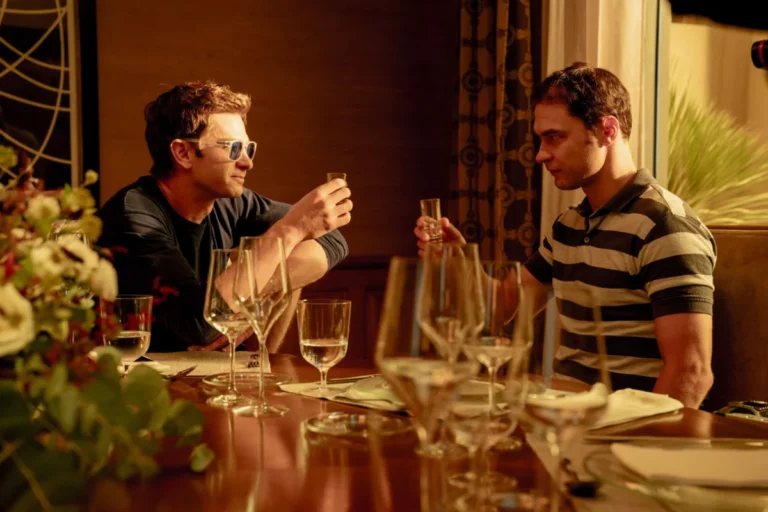
The month concludes with two significant entries in the horror and science fiction genres. Netflix’s Something Very Bad Is Going to Happen, executive produced by the Duffer Brothers and created by Haley Z. Boston, is an atmospheric horror series set during a wedding week. Drawing comparisons to classic psychological horror such as Rosemary’s Baby, the show represents Netflix’s continued commitment to genre-bending content following the success of Stranger Things.
On March 27, Apple TV+ premieres the fifth season of For All Mankind. Created by Ronald D. Moore, the series is a work of speculative fiction that imagines an alternate history where the Soviet Union reached the moon first, leading to an unending global space race. Each season of the show advances the timeline by approximately one decade. Season 5 enters the 2010s, offering a reimagined version of the recent past where lunar bases and Martian colonies are established realities.
For All Mankind has been praised by historians and scientists alike for its "hard sci-fi" approach, grounded in realistic physics and political theory. The show’s ability to weave real-world historical figures into an alternate narrative provides a unique lens through which to view the actual progress of space exploration.
Broader Impact and Industry Implications
The diverse array of programming scheduled for March illustrates several key trends in the streaming industry. First, there is a clear reliance on "IP" (Intellectual Property), whether from comic books, long-standing novel series, or historical events. Second, the prevalence of docuseries indicates that "reality-based" content remains a cost-effective and highly engaging staple for platforms. Finally, the inclusion of themes like AI and nuclear safety suggests that streaming services are increasingly looking to align their content with contemporary social and technological anxieties.
As viewers navigate these ten picks, the underlying theme is one of resilience and consequences—whether it is the resilience of life in the face of extinction, the consequences of nuclear mismanagement, or the enduring drive for personal and professional redemption in an ever-evolving digital world. The March slate confirms that television continues to serve not only as a medium for entertainment but as a critical tool for historical processing and speculative inquiry.