
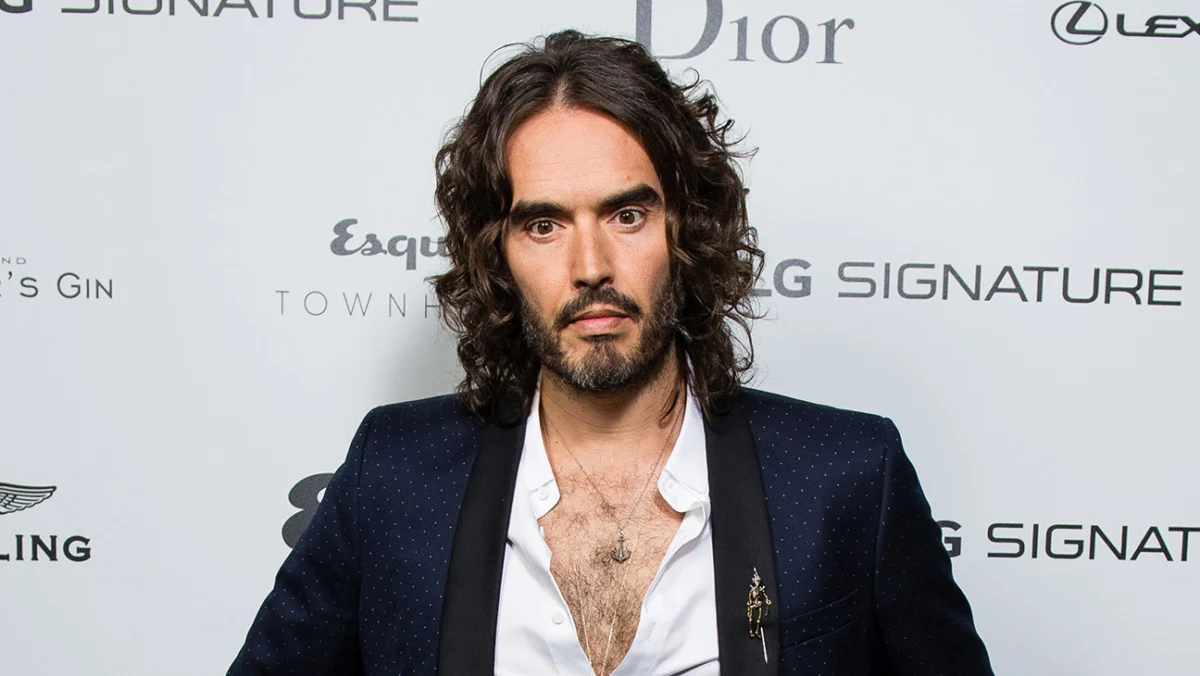
The highly anticipated London trial involving comedian and actor Russell Brand, facing a series of grave allegations including rape and sexual assault, has been officially postponed from its original mid-June start date to October 12. This significant delay, announced during a hearing at Southwark Crown Court, comes as the court moves to consolidate all charges against Brand into a single, comprehensive legal proceeding, which is now projected to span a considerably longer period of approximately two months, a stark increase from the initial estimate of five weeks. Brand, 50, stands accused of three counts of rape, three charges of sexual assault, and one allegation of indecent assault, with the alleged offenses involving six women and spanning a decade from 1999 to 2009, in addition to further charges brought more recently. The entertainer has vehemently denied all accusations.
Chronology of Allegations and Legal Proceedings
The journey to this trial has been protracted, tracing back to September 2023 when a joint investigation by Channel 4’s Dispatches and The Sunday Times brought the initial wave of allegations to public light. The investigative reports detailed accounts from multiple women, describing a pattern of alleged sexual assault, rape, and emotional abuse by Brand during the height of his career. One particularly prominent account featured a woman who alleged Brand entered a relationship with her when she was 16 and he was 31, describing the three-month liaison as "emotionally abusive and controlling." Another woman claimed she was raped by Brand in 2012 at his Los Angeles home. These revelations sparked widespread public outcry and prompted an immediate response from law enforcement.
Following the extensive media reports, the Metropolitan Police launched a formal investigation into Brand’s conduct. Operation Hydrant, a national police response to allegations of child sexual abuse and abuse of vulnerable adults, often involves reviewing historical cases and has highlighted the complexities involved in such investigations, particularly when allegations date back several years. The police investigation into Brand, initiated in September 2023, signaled a serious commitment to examining the claims thoroughly.
The initial charges against Brand were formally brought in April 2024, stemming from alleged offenses against four women. These included the core allegations of three counts of rape, three charges of sexual assault, and one allegation of indecent assault. The timeline of these alleged crimes, primarily from 1999 to 2009, underscores the challenge of gathering evidence and witness testimony for incidents that occurred many years ago. Such historical cases often rely heavily on the accounts of alleged victims and corroborating evidence that might be scarce or difficult to obtain over time.
More recently, in a separate development, Brand appeared at Southwark Crown Court in May 2024 to enter a not guilty plea to two additional alleged incidents involving two separate women in London in 2009. These new charges further expanded the scope of the legal challenge he faces, bringing the total number of alleged victims to six and consolidating the breadth of the accusations against him. Each of these not guilty pleas signals Brand’s steadfast intention to contest the charges vigorously in court.
The most recent hearing on Monday, presided over by Justice Joel Bennathan, saw the formal decision to unify all existing charges into a single, comprehensive trial. This consolidation is a common legal practice designed to streamline proceedings, especially when multiple allegations share similar characteristics or involve the same defendant, ensuring efficiency and a holistic presentation of the prosecution’s case. However, such a consolidation also inherently increases the complexity and duration of the trial, necessitating a revised schedule. Brand was not present at Monday’s hearing, but his legal counsel represented him, a standard procedure for administrative court dates.
The Nature of the Charges and Legal Framework
The specific charges Brand faces – three counts of rape, three charges of sexual assault, and one allegation of indecent assault – carry significant legal weight under UK law. Rape, as defined by the Sexual Offences Act 2003, involves the penetration of the vagina, anus, or mouth by a penis without consent. Sexual assault involves intentional sexual touching without consent. Indecent assault, an offense under older legislation, typically involved an assault that was indecent in nature. The historical timeframe of the allegations, spanning from 1999 to 2009, means that some charges might fall under previous legal frameworks, although modern definitions are often applied where appropriate.
In the UK justice system, the burden of proof rests entirely with the prosecution, who must prove beyond a reasonable doubt that the alleged offenses occurred. Brand, like any defendant, is presumed innocent until proven guilty, a fundamental principle of common law jurisdictions. His consistent denial of all charges indicates his intention to mount a robust defense against the allegations. The extended trial duration of two months reflects the anticipated complexity, the number of witnesses expected to be called by both the prosecution and defense, and the detailed examination of evidence that such high-stakes cases entail.
Background and Context: Russell Brand’s Public Persona and Career
Russell Brand rose to prominence in the early 2000s, cultivating a provocative and charismatic public persona that blended comedic talent with a penchant for controversy. His career trajectory saw him become a household name through various media platforms, including presenting on MTV, hosting Big Brother’s Big Mouth, and fronting popular radio shows on BBC Radio 2 and BBC Radio 6 Music. His distinctive style, often marked by flamboyant language, bohemian fashion, and outspoken opinions, garnered him a significant following.
Brand’s career also included a foray into Hollywood, with roles in films such as Forgetting Sarah Marshall (2008), Get Him to the Greek (2020), and Arthur (2011), further cementing his status as a global entertainer. However, his journey was not without its share of controversies prior to the current allegations. Notably, the "Sachsgate" scandal in 2008, where he and fellow presenter Jonathan Ross made lewd prank calls to actor Andrew Sachs, led to widespread condemnation, his resignation from the BBC, and a significant public backlash. He has also been open about his past struggles with drug addiction and recovery, which he often discussed in his stand-up comedy and memoirs.
In recent years, Brand had shifted his focus towards political activism, spiritual commentary, and wellness advocacy, primarily through his popular YouTube channel and various digital platforms. He became a prominent voice in alternative media, often expressing anti-establishment views and engaging in discussions on conspiracy theories, health, and societal issues. This pivot saw him cultivate a new audience, distinct from his earlier mainstream entertainment following. The current allegations have had a profound impact on this aspect of his career, leading to the demonetization of his YouTube channel and a re-evaluation of his various professional engagements.
Broader Implications and Societal Context
The Russell Brand trial unfolds against the backdrop of the global #MeToo movement, which has fundamentally reshaped public discourse around sexual assault, consent, and accountability, particularly for powerful figures in entertainment, politics, and business. Since its inception, #MeToo has empowered countless survivors to come forward with their stories, leading to a re-examination of past behaviors and significant consequences for many individuals previously thought untouchable. The allegations against Brand resonate with a broader societal reckoning concerning power imbalances and historical abuses within industries where celebrity and influence can be wielded with detrimental effect.
The prosecution of historical sexual offense cases, such as those against Brand, presents unique challenges for the justice system. Factors like the passage of time can impact memory recall, the availability of physical evidence, and the potential loss of corroborating witnesses. However, legal frameworks have evolved to recognize the distinct difficulties faced by survivors in reporting such crimes, often years after they occurred, due to trauma, fear, or societal pressures. Victim support organizations consistently emphasize the immense courage required for individuals to come forward, often reliving traumatic experiences under intense public scrutiny.
The media’s role, particularly that of investigative journalism as exemplified by Dispatches and The Sunday Times, has been crucial in bringing these allegations to the public and prompting official investigations. This highlights the vital function of a free press in holding powerful individuals accountable when traditional channels of justice might initially be inaccessible or intimidating to alleged victims. The intense public and media scrutiny surrounding the Brand case also underscores the delicate balance between reporting on matters of public interest and upholding the principles of a fair trial, including the defendant’s right to privacy and the presumption of innocence.
Beyond Brand’s individual case, the proceedings will likely continue to spark broader conversations within the entertainment industry regarding safeguarding policies, ethical conduct, and the responsibility of employers and platforms to ensure safe working environments. Such high-profile cases often serve as catalysts for industry-wide introspection and reform, contributing to a gradual but significant shift in cultural norms surrounding consent and professional behavior.
Official Statements and Reactions
While specific official statements regarding the trial’s delay are generally limited to procedural announcements, the broader context allows for inferred positions from various stakeholders. The Metropolitan Police, through its actions in launching and pursuing the investigation, has implicitly reiterated its commitment to thoroughly investigating all allegations of sexual offenses, irrespective of the public profile of those involved. Their diligent work in gathering evidence and bringing charges reflects a dedication to seeking justice for alleged victims and upholding the rule of law.
Brand’s legal team, in entering not guilty pleas and preparing for a robust defense, consistently affirms their client’s denial of all charges. Their role is to ensure Brand receives a fair trial, to challenge the prosecution’s evidence, and to present his defense comprehensively. Victim advocacy groups and charities supporting survivors of sexual violence consistently highlight the importance of due process, the courage of those who come forward, and the need for comprehensive support systems throughout the legal process. They emphasize that such trials, while challenging, are crucial for societal accountability and for sending a clear message that allegations of sexual misconduct will be taken seriously.
The judiciary, represented by Justice Joel Bennathan in this instance, is tasked with ensuring the trial proceeds fairly and efficiently, adhering strictly to legal protocols. Decisions like consolidating charges and extending trial duration are made to manage complex cases effectively, allowing ample time for both sides to present their arguments and for the jury to reach a verdict based solely on the evidence presented in court. The court’s primary objective is to administer justice impartially, protecting the rights of all parties involved.
As the legal process moves towards its new commencement date in October, the case of Russell Brand continues to attract significant national and international attention. The upcoming trial represents a critical juncture, not only for Brand himself and the alleged victims but also for the ongoing societal dialogue about accountability, justice, and the evolving standards of conduct for public figures in the 21st century. The extended duration of the trial underscores the gravity and complexity of the allegations, signaling a comprehensive legal battle ahead that will undoubtedly be closely watched by many.