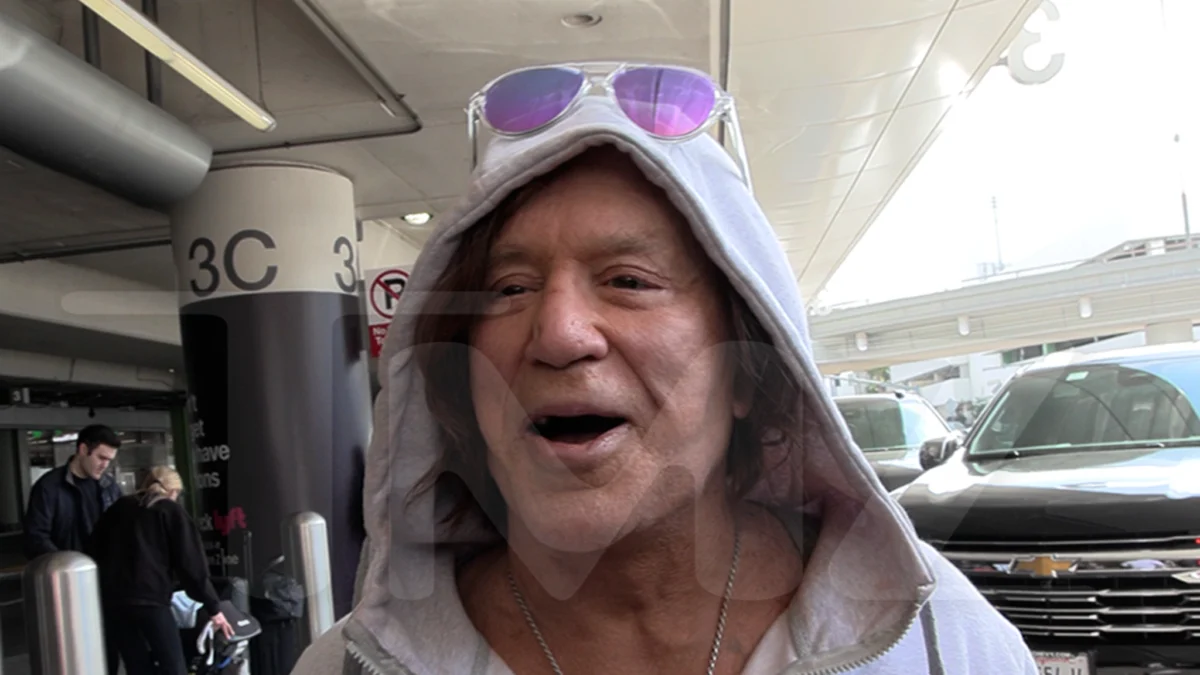
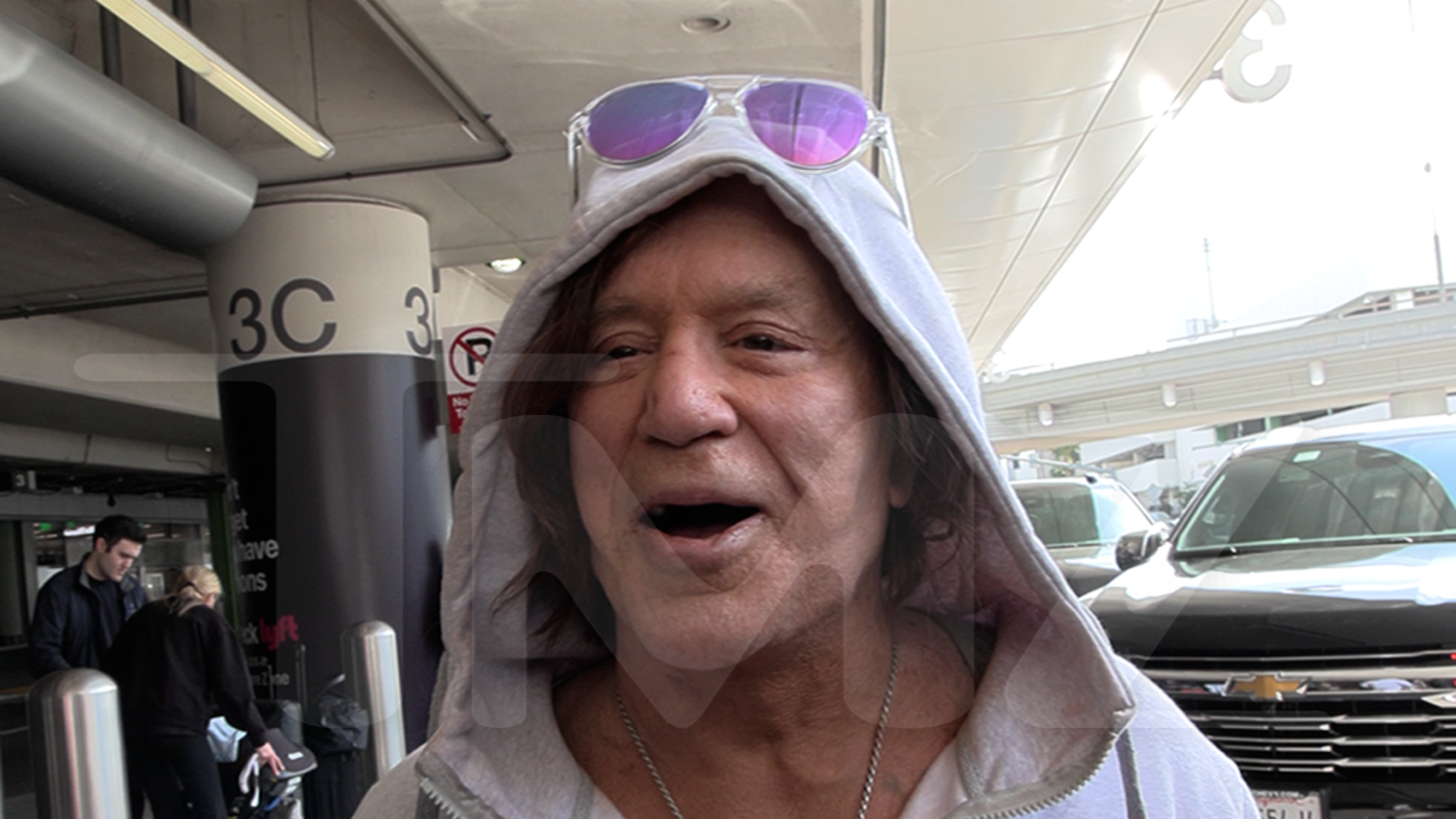
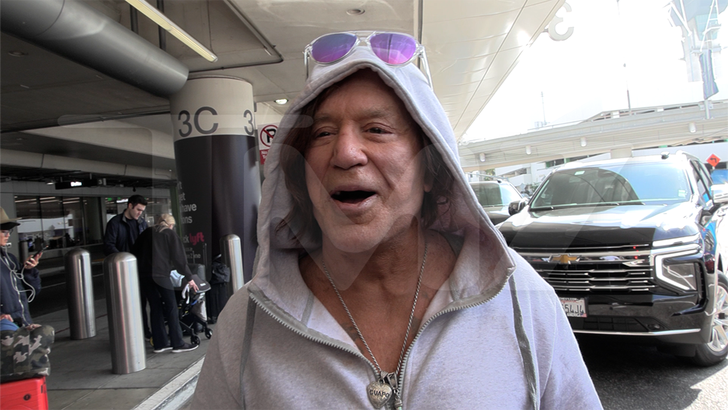
Veteran actor Mickey Rourke, known for a career as tumultuous as it has been brilliant, recently offered a candid declaration at Los Angeles International Airport (LAX) on Saturday, March 28, 2026, signaling a significant shift in his professional ethos. The Golden Globe winner, whose public persona has often been intertwined with a rebellious and at times self-destructive streak, assured reporters that his days of hotel room wreckage are firmly in the past. This statement comes amidst a period of renewed professional activity and personal reflection for the actor, who expressed profound gratitude for his current opportunities and a commitment to maintaining a high level of professionalism on set.
A New Chapter: Accountability and Gratitude
Rourke’s impromptu interview at LAX provided a rare glimpse into his current mindset, emphasizing a newfound dedication to his craft and personal accountability. "I’m happy to be working again," he stated, a sentiment that resonates deeply given his well-documented career fluctuations. Crucially, he added that he is now "on his best behavior," a stark contrast to the infamous anecdotes that have punctuated his professional life for decades.
The actor openly acknowledged past missteps, admitting that he "wasn’t acting correctly over the last couple decades." This self-awareness was underscored by a revealing anecdote: "His psychiatrist once told him he didn’t know how to take accountability for anything," a habit he is now actively "trying to work on." Such a public admission of personal growth, rooted in therapeutic insight, marks a notable departure from his earlier defiant image. Further bolstering his narrative of transformation, Rourke credited a priest with helping him reflect on his past, highlighting a spiritual dimension to his ongoing personal journey. His pervasive message of gratitude for his current position suggests a profound appreciation for the second chances afforded to him in Hollywood.
The Arc of a Maverick: From Early Stardom to Rebellious Interludes
Mickey Rourke’s career has been a dramatic tapestry woven with threads of extraordinary talent, meteoric rises, and precipitous falls. Born Philip Andre Rourke Jr. in Schenectady, New York, his early career in the 1980s saw him rapidly ascend to leading man status, captivating audiences with his raw charisma and intense performances. Films like Barry Levinson’s Diner (1982) showcased his early promise, but it was his roles in 9 1/2 Weeks (1986) opposite Kim Basinger and Alan Parker’s neo-noir horror film Angel Heart (1987) that cemented his image as a brooding, unconventional sex symbol and a formidable dramatic actor. His portrayal of the enigmatic Louis Cyphre in Angel Heart remains a career highlight, praised for its dark intensity and memorable presence. Other notable films from this period include Barfly (1987), where he delivered a critically acclaimed performance as writer Charles Bukowski’s alter ego, Henry Chinaski, and Johnny Handsome (1989), further demonstrating his range.
However, as the late 1980s transitioned into the early 1990s, Rourke’s career began to veer off course. A growing reputation for difficult behavior on set, coupled with unconventional career choices and a preference for boxing, led to a significant decline in his Hollywood standing. From 1991 to 1994, Rourke largely abandoned acting to pursue a professional boxing career. This period, while personally significant for him, resulted in considerable physical changes to his face, necessitating multiple reconstructive surgeries, and effectively sidelined him from mainstream cinema for nearly a decade. During this boxing hiatus and the subsequent years of struggling to regain his acting footing, Rourke often took on smaller, less prominent roles, and his once-bright star seemed to dim considerably. The very "hotel room trashing days" he now disavows were part of the broader narrative of a talented but volatile artist struggling with self-management and industry expectations.
The Phoenix Rises: A Resurgent Career and Lingering Challenges
The narrative of Mickey Rourke’s career would be incomplete without acknowledging his remarkable resurgence in the late 2000s, spearheaded by his transformative performance in Darren Aronofsky’s The Wrestler (2008). In a role that mirrored aspects of his own life—a veteran performer grappling with past glories and physical decline—Rourke delivered a performance hailed as one of the greatest comebacks in cinematic history. His portrayal of Randy "The Ram" Robinson earned him a Golden Globe Award for Best Actor and an Academy Award nomination, firmly re-establishing his credentials as a serious dramatic actor capable of profound depth and vulnerability. This period brought renewed industry interest, leading to roles in major productions like Iron Man 2 (2010) as the villain Ivan Vanko/Whiplash, and The Expendables (2010).
Despite this celebrated comeback, Rourke’s path has continued to be marked by personal and professional challenges. His recent public statements regarding his commitment to professionalism arrive against a backdrop of ongoing personal struggles. In late 2025, reports emerged detailing that Rourke was facing eviction from his New York City apartment over nearly $60,000 in unpaid rent. This legal dispute brought his personal finances into public scrutiny. Rourke, however, contended that his cessation of rent payments was justified due to a severe rodent infestation in his residence, an issue he claimed was neglected by his landlord. This incident served as a stark reminder that even after a career renaissance, the pressures and realities of life continued to challenge the actor, making his current expressions of gratitude for work all the more poignant.
Back on Set: A Glimpse into the Future
The tangible evidence of Rourke’s renewed professional engagement is his current role in the independent feature film, "Sol Hershowitz’s Guide to Extraterrestrial Life." Photos published recently showed the actor diligently on set, indicating his active participation as one of the lead performers in the project. This concrete development underscores his commitment to acting and provides a clear counterpoint to the personal difficulties he has recently faced. The nature of this role, particularly within the independent film circuit, suggests an artist still eager to explore diverse characters and narratives, irrespective of the scale of the production.
His statement regarding his "best movie" further illuminates his artistic drive. Despite a Golden Globe Award, an Oscar nomination, and numerous critically acclaimed performances throughout his career, Rourke boldly declared that he hasn’t made his best movie yet. This is a significant assertion for an actor with such a rich and varied filmography. It suggests an enduring ambition, a belief in his untapped potential, and a relentless pursuit of artistic excellence. It speaks not to a man resting on past laurels, but one who is forward-looking, still seeking the definitive role that will cap his extraordinary journey. This perspective could be interpreted as a strategic pivot, indicating a desire to leave a more consistently positive and professionally disciplined legacy for the latter part of his career.
Implications for Hollywood and Public Perception
Mickey Rourke’s public declaration of a new professional chapter carries significant implications for his standing in Hollywood and for how the industry perceives him. For decades, his immense talent was often overshadowed by a reputation for unpredictability and difficulty, which undoubtedly limited his opportunities and contributed to his periods of career stagnation. By openly acknowledging past behavioral issues, attributing his growth to therapeutic and spiritual guidance, and expressing profound gratitude for work, Rourke is actively attempting to reshape his narrative.
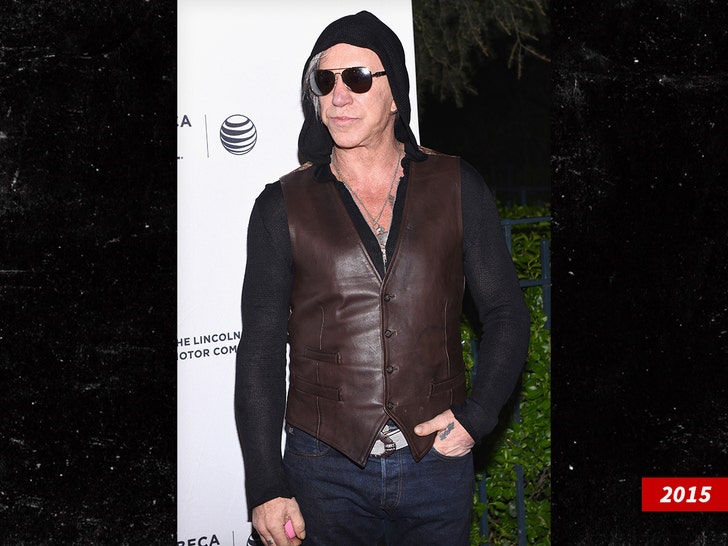
This shift could make him a more attractive prospect for filmmakers and studios who prioritize reliability and a collaborative spirit on set. In an industry where professional conduct is increasingly scrutinized, a public commitment to accountability from a seasoned veteran like Rourke could pave the way for more consistent and diverse roles. It signals to potential collaborators that the "bad boy" image, while a part of his history, is no longer the defining characteristic of his professional approach.
From a public perception standpoint, Rourke’s candor might resonate with audiences who appreciate tales of redemption and personal growth. His journey, marked by both extraordinary highs and profound lows, makes him a compelling figure. A sustained period of professional conduct and compelling performances could further solidify his legacy not just as a talented actor, but as an individual who has successfully navigated complex personal challenges to achieve a more stable and focused professional life.
Conclusion: Kicking Ass with a Renewed Purpose
Mickey Rourke’s declaration at LAX is more than just a soundbite; it appears to be a definitive statement of intent from an actor entering a new phase of his long and winding career. His journey through Hollywood, marked by iconic roles, a detour into boxing, personal struggles, and a triumphant return, is a testament to his resilience. By consciously addressing past behaviors and committing to a path of accountability and professionalism, Rourke is not merely seeking to secure more work, but to redefine his legacy. His concluding sentiment, simple yet powerful – "time to kick some ass!!!" – encapsulates a reinvigorated spirit and a determination to make the most of the opportunities before him. As he continues filming "Sol Hershowitz’s Guide to Extraterrestrial Life" and looks toward future projects, the industry and his fans will be watching to see how this renewed focus translates into the next chapter of Mickey Rourke’s extraordinary narrative, hopefully characterized by consistent excellence and, indeed, no more smashed hotel rooms.