BRISBANE, Australia – The first Queensland Parliamentary Friends of the Music Industry event of 2026 convened on Wednesday evening, March 25th, at The Speaker’s Green, marking a critical juncture for the state’s vibrant music sector. This annual gathering serves as both a vital health check for the industry and a crucial lobbying opportunity as Queensland strategically prepares to host the 2032 Summer Olympic and Paralympic Games. The event underscored the complex interplay between policy, economic viability, and artistic expression within the state’s cultural landscape.
The gathering, a cornerstone of the Queensland music calendar, brought together key figures from government, industry bodies, and the music business itself. Attendees included State Minister for Education and the Arts, John-Paul Langbroek; QMusic CEO, Kris Stewart; Live Nation APAC Senior VP of Touring & Commercial, Luke Hede; and event co-chairs Shane King MP and Sam O’Connor MP. The presence of these influential individuals highlighted the growing recognition of the music industry’s significant economic and social contributions.
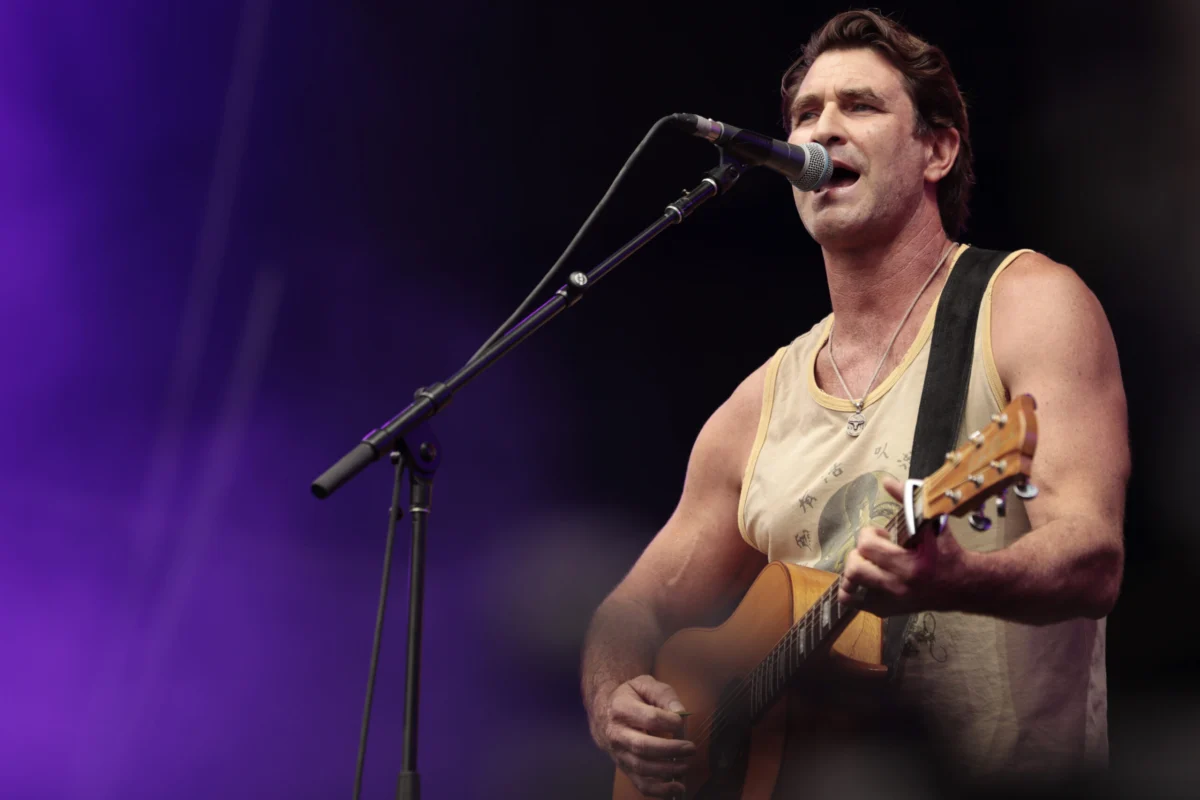
A highlight of the evening was a captivating mini-set by three-time ARIA Chart champion Pete Murray. Murray, known for his evocative songwriting, performed a selection of his well-loved tracks, including "Feeler" and "Opportunity," before engaging with politicians and industry leaders. The opening performance was delivered by emerging Brisbane artist Will Day, setting a tone of diverse talent and future potential.
The backdrop to this year’s event was a series of significant challenges confronting the Queensland music scene. Despite the state’s renowned tourism appeal, epitomized by the long-running campaign "beautiful one day, perfect the next," the music community has faced considerable headwinds. Recent months have seen the closure of two prominent live music venues on Queensland’s Sunshine Coast: Solbar in Maroochydore and The Station in Birtinya. These closures are largely attributed to the escalating costs of operation and evolving audience consumption patterns.
QMusic CEO Kris Stewart articulated this dichotomy with poignant clarity. "It’s that best of times, worst of times, type of situation," Stewart remarked. "We can have Ed Sheeran come to town and be a massive success with 120,000 people attending. It was a fantastic night, an amazing job. And at the same time, we announced the two most important venues in the Sunshine Coast both closing." He emphasized that true industry success cannot be measured solely by the achievements of a few at the pinnacle. "The pyramid of the music industry can’t be built with massive success of a few people at the top, and a battle for everyone who is the foundation of our industry," Stewart stated. He stressed that a thriving ecosystem depends on robust grassroots support and a strong foundational network of artists and venues.

The timing of the event also coincided with the sobering collapse of Bluesfest, the much-anticipated camping festival held in Byron Bay, just south of the Queensland border. The cancellation of the popular festival has left numerous music fans, staff, and suppliers facing financial uncertainty. Shane King MP commented on this, stating, "We need live music and music in generally to be growing, not failing. Sadly, we heard recently about Bluesfest, which has been devastating for the industry, and devastating for all of us."
The gathering provided a platform for discussions on strategies to mitigate such setbacks and foster a more resilient music industry. Among the distinguished guests were Queensland Labor Party leader and former state premier Steven Miles, Attorney-General Deb Frecklington, and influential musicians Ian Haug and John "JC" Collins. Haug, a former member of the iconic band Powderfinger, and Collins, who now serves as Queensland’s Night-Life Economy Commissioner, represent a bridge between the artistic community and policy-making circles. Collins, in his capacity as commissioner, has been instrumental in developing the state’s first "Night-Life Economy Strategy," a comprehensive plan aimed at revitalizing the sector.
Sam O’Connor MP, Minister for Housing and Public Works and Minister for Youth, provided an update on this pivotal strategy. He described the "Night-Life Economy Strategy" as an "in-depth, grounded, practical pathway forward for the nightlight in our state." O’Connor highlighted the proactive approach taken in presenting the report to individual ministers, ensuring it would not become a dormant document. "We didn’t want it to be another report that gathers dust on someone’s shelf. We want it to be something that drove change," he asserted. This strategy is particularly relevant as Brisbane gears up for the 2032 Olympic and Paralympic Games, an event that promises to significantly boost tourism and demand for entertainment and cultural experiences.
Further underscoring the commitment to nurturing future talent, State Minister for Education and the Arts John-Paul Langbroek announced the recipients of four legacy scholarships, each valued at A$15,000 (approximately $10,400 USD). These scholarships, awarded in partnership with Arts Queensland, are designed to provide significant financial support to emerging artists. Among the notable recipients were Paulina, who received the Carol Lloyd Award, and Frank and Louis, honored with the Billy Thorpe Scholarship. These awards represent a tangible investment in the next generation of Queensland’s musical talent.
Kris Stewart reiterated the unifying power of music, stating, "Music is a fantastic connector. We share a lot more than we disagree on." However, he stressed the imperative for collective action to ensure the sustainability of Queensland’s music industry. "If the state is to have a vibrant music industry, we need to come together and recognize it is grown from and built from the grassroots up," he urged. Stewart emphasized that a robust network of live music venues is the industry’s lifeline. "We will not have the next generation of Australian musicians on our stages in 2032 if we don’t protect our musicians and stages right now," he declared. He framed these protective measures as crucial commitments to the industry, asserting that "Every small thing we do, that follows that purpose, is something positive and important." His closing remarks conveyed a sense of urgency and optimism: "We will make sure our city, our musicians, are ready for this amazing moment, but it starts now."
Capitalizing on the momentum generated by the parliamentary gathering, QMusic also seized the opportunity to unveil the first wave of international guests confirmed for BIGSOUND 2026. This prestigious music industry conference and showcase, set to take place from September 1st to 4th in Brisbane’s Fortitude Valley, will feature representatives from influential organizations such as Rough Trade Record Stores (UK), Bandcamp (USA), Hellfest (France), Low Profile Sync Agency (USA), and Sziget Festival (Hungary). This announcement signals QMusic’s ongoing commitment to connecting Queensland artists with global opportunities and solidifying Brisbane’s position as a key hub for the international music business. The inclusion of these international delegates is expected to foster new collaborations, provide valuable insights into global music market trends, and ultimately enhance the export potential of Queensland’s musical talent as the 2032 Olympic Games approach.