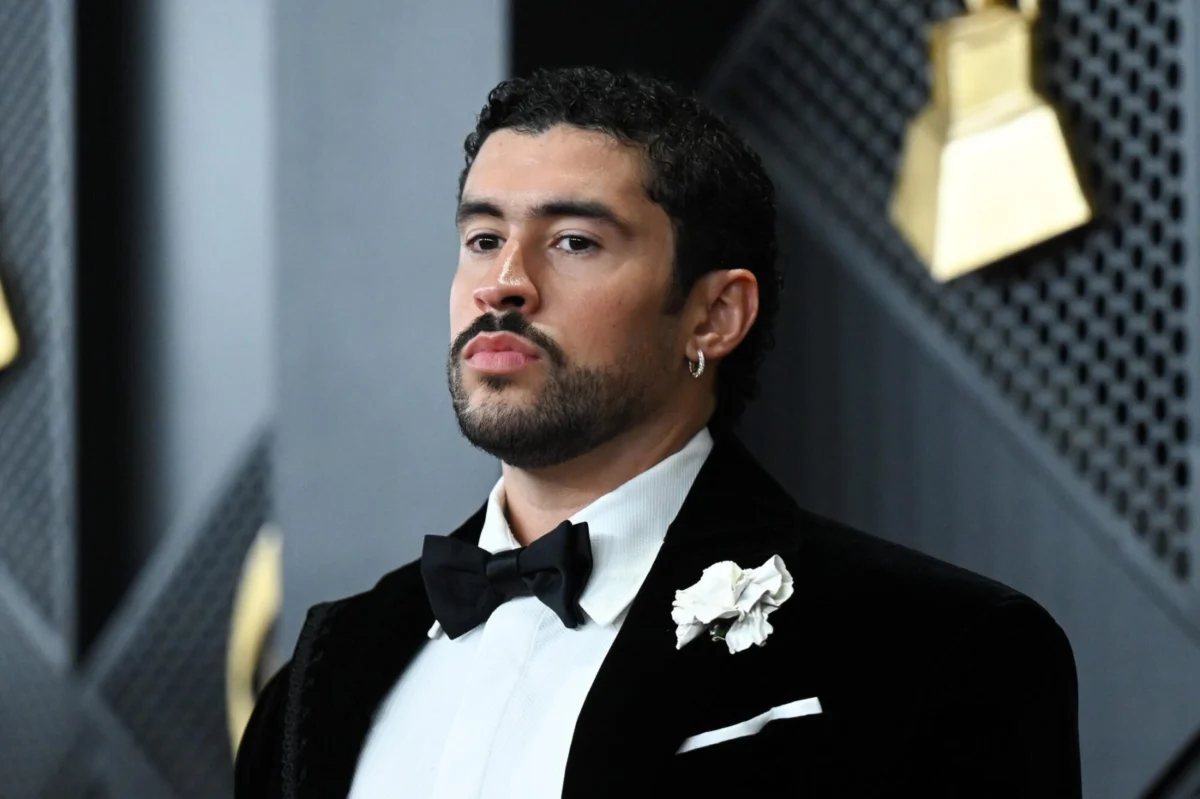
Bad Bunny’s legal representatives have formally requested that an African music publisher cover the substantial legal fees incurred by the Puerto Rican superstar in defending against a copyright infringement lawsuit. The litigation, which centered on a sample used in Bad Bunny’s critically acclaimed and commercially successful album Un Verano Sin Ti, was ultimately dismissed. The motion filed by Bad Bunny’s legal team argues that the claims brought forth were frivolous and meritless, justifying the recovery of $465,612 in defense costs.
The Genesis of the Lawsuit
The legal battle began last year when emPawa Africa, an independent music company representing Nigerian songwriter Dera, accused Bad Bunny of unauthorized sampling. The lawsuit alleged that Bad Bunny had sampled Dera’s 2019 track, "Empty My Pocket," without obtaining proper clearance for its inclusion in the song "Enséñame a Bailar." This track, featured on Un Verano Sin Ti, achieved significant chart success, including a two-week presence on the Billboard Hot 100 in 2022.
Bad Bunny’s defense, however, has consistently maintained that the sample in question was indeed cleared. His legal team asserts that the necessary permissions were obtained from Lakizo, the producer of "Empty My Pocket," and the rightful rights holder for that specific musical element. This fundamental disagreement over sample clearance formed the crux of the legal dispute.

A Chronology of Legal Developments
The legal proceedings experienced a significant turning point at the close of 2025. Attorneys representing emPawa Africa withdrew from the case, citing "irreconcilable differences." This abrupt departure left the lawsuit without legal representation for the plaintiff. Subsequently, earlier this month, a judge formally dismissed the case due to a lack of prosecution, a direct consequence of emPawa Africa’s inability to proceed without counsel.
Following the dismissal, Bad Bunny, along with co-defendants Rimas Entertainment and The Orchard, filed a motion seeking reimbursement for their legal expenses. The motion details the extensive work undertaken by a team of legal professionals to counter what they describe as "frivolous" allegations.
Allegations of Exploitative Litigation Tactics
The motion for legal fees paints a stark picture of emPawa Africa’s alleged litigation strategy. It asserts that the company initiated and aggressively pursued a case that was "meritless from the beginning and should never have been brought." The filing suggests a calculated attempt by emPawa Africa to leverage Bad Bunny’s considerable wealth, public profile, and perceived desire to avoid costly legal battles and negative publicity. The ultimate aim, according to the motion, was to "extract an undeserved, multimillion-dollar settlement."
Bad Bunny’s legal team further contends that emPawa Africa deliberately prolonged the litigation, even when it became apparent that the sample used in "Enséñame a Bailar" was properly licensed from Lakizo. The motion accuses emPawa Africa of employing various tactics to "stall and delay" the proceedings. The apparent unwillingness to engage in the discovery process, a crucial phase where parties exchange evidence, is highlighted as a key factor in the publisher’s eventual withdrawal.

"When faced with an imminent court order that would require it to explain how it owned ‘Empty’ and Lakizo did not, Empawa chose instead to abandon its claims altogether," the motion states. "That it did not find a replacement counsel to prosecute its claims after its original counsel withdrew speaks volumes." This statement suggests a strategic retreat when faced with the prospect of being compelled to substantiate their ownership claims.
The Financial Implication: A Substantial Legal Bill
The defense against the copyright claims necessitated the involvement of prominent legal counsel. The motion specifically names Jeff Goldman, a highly regarded music lawyer, and his team from the Florida-based firm Gray Robinson. The significant hours logged by these legal professionals resulted in the substantial bill of $465,612. The motion details that three senior lawyers on Bad Bunny’s defense team billed at hourly rates ranging from $555 to $680, underscoring the complexity and seniority of the legal representation required.
A Strategic Decision Regarding Co-Plaintiff
Notably, Bad Bunny’s legal team is seeking legal fees solely from emPawa Africa, and not from Dera, the songwriter who was also listed as a plaintiff in the lawsuit. This distinction is clarified in a footnote within the motion. The defendants’ belief is that Dera was "not primarily responsible for the prosecution of the lawsuit, nor did he finance the lawsuit." This suggests a strategic decision to target the entity believed to be the primary driver and financier of the litigation, rather than the individual artist.
Legal Precedents and Deterrence of Frivolous Lawsuits
The legal strategy employed by Bad Bunny’s team is rooted in a well-established principle within U.S. copyright law. This principle allows for the recovery of legal fees by the prevailing party in copyright litigation, provided they can demonstrate that the claims were either frivolous or handled unreasonably. The underlying purpose of this provision is to deter bad actors from abusing the judicial system with unfounded lawsuits, thereby protecting the integrity of the legal process and preventing undue financial burdens on defendants.

This recourse is frequently utilized by artists who successfully defend against copyright infringement claims. For instance, Mariah Carey is currently seeking $1 million in legal fees after prevailing in a lawsuit concerning her iconic holiday song, "All I Want for Christmas Is You." Similarly, Nelly recently demanded that the lawyer representing a former bandmate reimburse him $78,000 for litigation related to the rights of his seminal album, Country Grammar. These instances highlight a growing trend of artists seeking to recoup legal costs when faced with what they perceive as baseless litigation.
Broader Implications for the Music Industry
The outcome of this legal dispute and the subsequent request for fee recovery could have broader implications for the music industry. It reinforces the message that copyright holders and their representatives will be held accountable for pursuing litigation without sufficient evidence or legal standing. This could lead to a more judicious approach in initiating lawsuits, potentially reducing the number of frivolous claims filed against artists and their labels.
Furthermore, the case underscores the importance of diligent sample clearance and the robust defense strategies that artists and their legal teams can employ. The ability to recover substantial legal fees can serve as a significant deterrent against opportunistic litigation, ultimately contributing to a more equitable and efficient legal environment for creative professionals.
The motion for legal fees now rests with the court, which will ultimately decide whether to grant the request and compel emPawa Africa to cover the significant legal expenses incurred by Bad Bunny and his collaborators. The industry will be watching closely, as the decision could further shape the landscape of copyright litigation and artist protection.