The intersection of fashion, technology, and privacy reached a new flashpoint in the trendy Le Marais district of Paris last summer when Joy Hui Lin, a book researcher, was approached by two university students inquiring about her outfit. Lin, known for her curated style, initially perceived the interaction as a standard street photography encounter common to the district. However, the tone of the conversation shifted abruptly when one student revealed that his black-framed glasses—Meta Ray-Ban smart wearables—had been recording the entire interaction without her knowledge. The incident, characterized by Lin as a "violation," underscores a burgeoning global debate regarding the ethics of wearable surveillance and the rapid erosion of anonymity in public spaces.
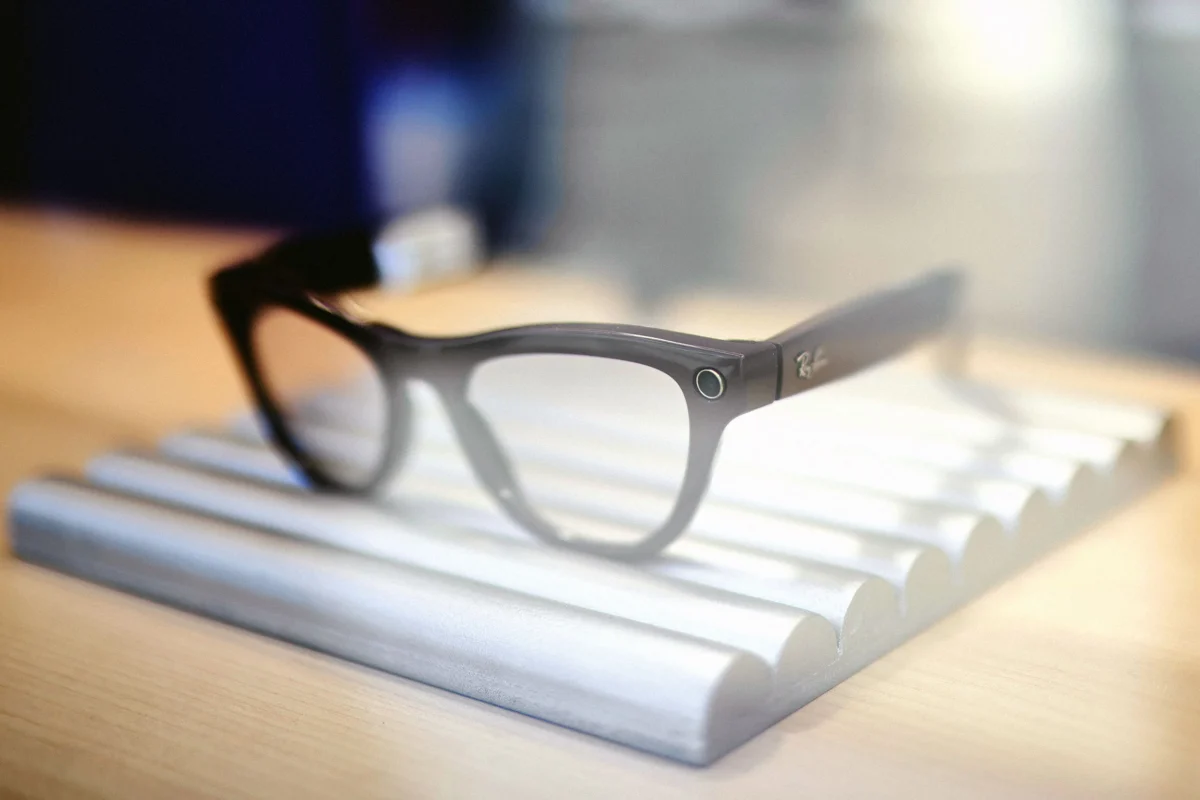
The device in question, a collaboration between social media giant Meta and eyewear titan EssilorLuxottica, represents a significant leap in consumer technology. Unlike its predecessor, the ill-fated Google Glass, which was widely criticized for its conspicuous and "geeky" aesthetic, the Meta Ray-Ban glasses are virtually indistinguishable from standard high-end eyewear. This inconspicuous design, while a triumph for wearable fashion, has facilitated a new wave of unsolicited recording that critics have dubbed the "pervert glasses" phenomenon. As these devices become more prevalent, with Meta reporting sales of over 8 million units in 2025 alone, the boundaries of public consent are being redrawn by a generation of content creators and "rizz" coaches who monetize non-consensual interactions for social media audiences.
The Rise of "Stealth" Content and the Monetization of Harassment
The proliferation of smart glasses has birthed a specific subculture on platforms like TikTok and Instagram Reels. Influencers such as Sayed Kaghazi and Cameron John, who command a combined following of over 3 million, frequently post videos captured via smart glasses. While some content is benign, a significant portion involves "prowling" public areas, such as beaches and city centers, to record flirtatious encounters with women. These videos often capture the subjects in states of visible discomfort, yet they are broadcast to millions as instructional content for "pickup artists."
In Vancouver, British Columbia, local communities have begun organizing against such practices. A recent outcry on social media platforms highlighted the activities of a content creator known as Sherif, or @vibrophone, who advertises himself as a "rizz coach." Residents reported that Sherif frequently targets women in the city’s nightlife districts, using Meta glasses to film his "techniques," which sometimes include physically lifting women without their prior consent—a practice he refers to as "curling." Despite the "stealth" nature of the recording, many victims only realize they have been filmed after seeing themselves on his social media pages.
The financial incentive for this behavior is clear. While it remains unconfirmed if all such creators directly monetize their footage through platform ad revenue, many use their large followings to secure cross-promotional branding. For instance, Kaghazi promotes AI-driven "dating assistants," while John offers promotional codes for nicotine products. This monetization of unsolicited interactions raises profound ethical questions about the commodification of a stranger’s likeness and the inadequacy of current platform moderation policies.
A Chronology of Privacy Concerns and Technical Failures
The journey of Meta’s smart glasses from a niche gadget to a mass-market privacy concern has been marked by several key developments:
- September 2023: Meta and Ray-Ban launch the second-generation smart glasses, featuring improved camera quality and integrated AI.
- Late 2024: Reports emerge of "stealth mode" modifications. Users begin sharing tutorials on how to cover or disable the LED recording indicator—a feature Meta claimed would make recording "unequivocally clear."
- February 2025: An investigation by Swedish newspapers reveals that Meta utilizes overseas contract workers to review footage captured by the glasses to train its AI models. The report notes that workers frequently viewed sensitive and private content, including nudity and sexual acts, that users may have recorded unintentionally.
- March 2025: A consumer protection lawsuit is filed against Meta, alleging that the company failed to adequately protect user data and misled the public regarding the privacy implications of its AI training protocols.
- February 2026: Reports surface that Meta is exploring the integration of real-time facial recognition technology into the glasses, prompting immediate pushback from civil liberties groups.
These events illustrate a pattern where technological advancement consistently outpaces the implementation of safeguards. Meta’s primary defense rests on its Terms of Service, which stipulate that users are responsible for complying with local laws. However, as critics point out, a Terms of Service agreement does nothing to protect the third-party bystanders who never signed it.
The Threat of Integrated Facial Recognition and Biometric Surveillance
The most alarming prospect for privacy advocates is the potential integration of facial recognition technology into smart glasses. In early 2026, U.S. Senators Ron Wyden, Ed Markey, and Jeff Merkley addressed an open letter to Meta CEO Mark Zuckerberg expressing "grave concerns" over these reported plans. The lawmakers argued that the ability to link a stranger’s face to their workplace, social media profile, or home address in real-time creates unprecedented risks for stalking, harassment, and targeted intimidation.
"Given Meta’s vast data collections, its smart glasses could capture images of thousands of people without their knowledge and instantly link those faces to personal profiles," the senators wrote. They further emphasized that such technology could be repurposed by authoritarian regimes to discourage political expression or target vulnerable communities, effectively chilling lawful dissent in the public square.
The biometric data practices of Meta remain a point of contention. While the company insists that its AI services are designed to enhance user experience—such as identifying landmarks or translating text—the underlying infrastructure requires the constant processing of visual data. This "always-on" surveillance capability transforms the user from a passive observer into a mobile data collection node for the corporation.
Technical and Legal Countermeasures: The "Arms War" for Privacy
As the market for smart glasses grows, so too does the industry dedicated to subverting their safety features. On platforms like TikTok, individuals such as Andres Rodriguez (@asodcutz) offer "stealth mode" services for a fee, physically removing the LED light from the frames. These modifications are marketed to users who find the blinking light "obstructive" or who wish to record more discretely.
In response, the privacy-conscious public has begun to seek technical solutions to detect these hidden cameras. Yves Jeanrenaud, a sociologist and programmer at the Osnabrück University of Applied Sciences, developed an open-source Android app called "Nearby Glasses." The app scans for specific Bluetooth signals emitted by Meta and Snap smart glasses, alerting the user to the presence of a recording-capable device in their immediate vicinity. Since its launch, the app has seen nearly 60,000 downloads, reflecting a significant public desire for defensive tools.
However, Jeanrenaud himself is skeptical that technology alone can solve the problem. He describes the current situation as a "lost arms war," noting that personal surveillance tech is merely the latest step in a culture where entertainment and exploitation are inextricably linked. He argues that without robust legal frameworks, apps like his are only temporary stopgaps.
The Global Regulatory Landscape and Future Implications
The legal response to wearable surveillance varies significantly by jurisdiction. Denmark has emerged as a pioneer in this field, moving to implement individual copyright protections over one’s likeness. This law is designed to protect citizens not only from unwanted AI deepfakes but also from invasive recording by smart devices. If adopted more broadly, such laws could provide a legal basis for individuals to sue content creators who use their image without express affirmative consent.
In the United States and many parts of Europe, the legal standard often hinges on the "expectation of privacy." Generally, there is no legal expectation of privacy in public spaces, a standard that has historically protected photographers and journalists. However, the rise of smart glasses challenges this precedent. Unlike a traditional camera, which is visible and directed, smart glasses record from a first-person perspective, often capturing intimate or accidental moments that a traditional photographer would miss.
The broader impact of this technology is a fundamental shift in social behavior. The "frictionless" nature of recording with smart glasses means that every face-to-face interaction now carries the potential of being a broadcasted event. This leads to a "chilling effect" on public life, where individuals may become warier of speaking to strangers or expressing themselves freely for fear of being turned into "content."
Meta’s spokesperson, Tracy Clayton, maintains that the company provides the tools for respectful use, but the reality of the digital "black market" and the "rizz" culture suggests that corporate guidelines are insufficient. As the technology continues to evolve, the tension between the "right to record" and the "right to be left alone" will likely require a total reevaluation of privacy laws for the 21st century. Until then, the burden of vigilance remains on the public, who must now keep a close eye on the very eyewear of those around them.