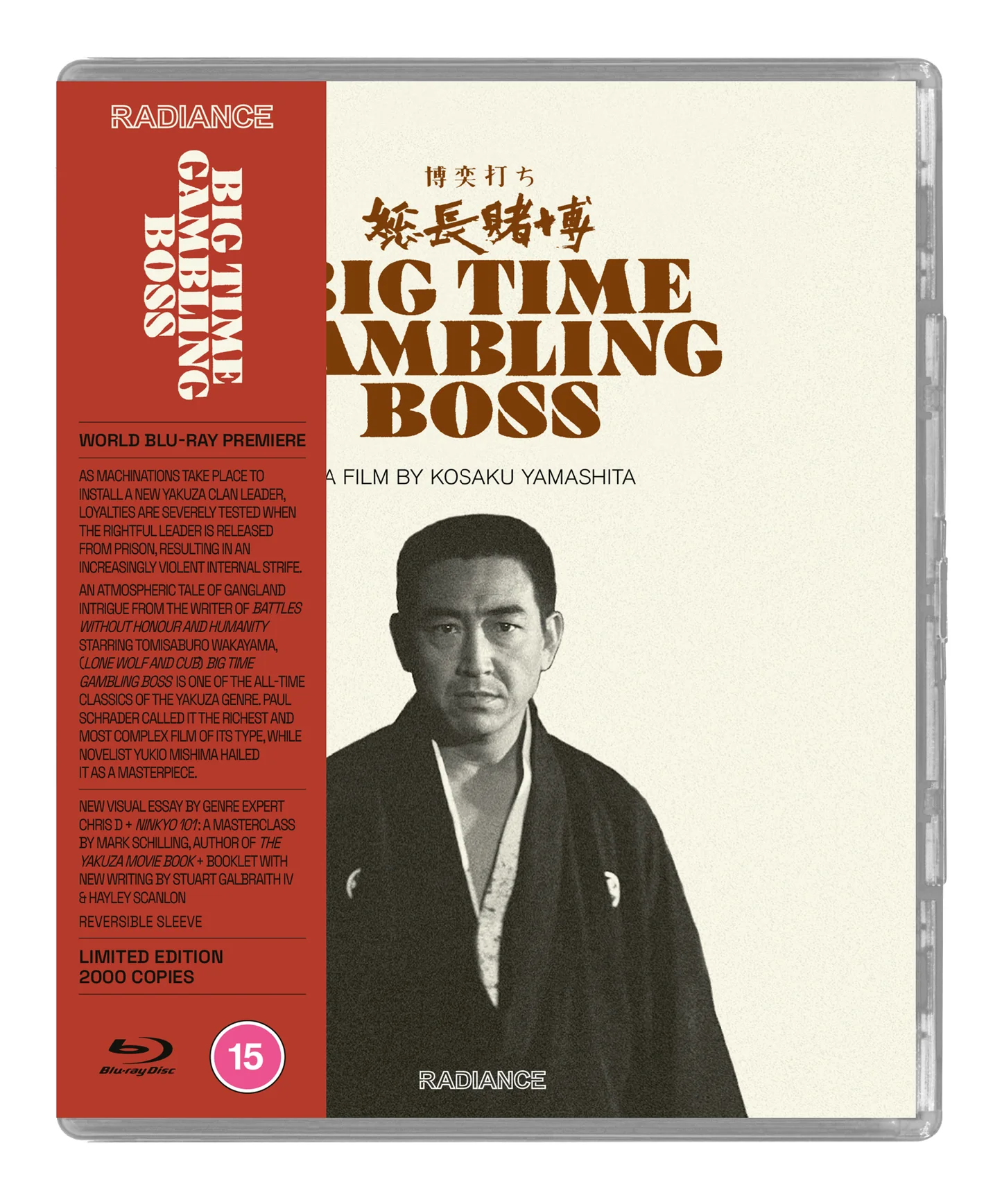
The echoes of World War II reverberated through Japan, not only in the physical reconstruction of a nation but also in the profound introspection it ignited regarding national identity and established values. For filmmaker Kosaku Yamashita, this era served as a crucible for questioning the very fabric of authority. His later artistic output, deeply influenced by this post-war reevaluation, would challenge conventional notions of leadership, notably drawing a stark parallel between the Emperor and a yakuza boss—a figure he controversially described as "casually sending people to their deaths." This critical lens, honed by the war’s disillusionment, permeated works such as "The Valiant Red Peony" and, most significantly, "Big Time Gambling Boss," a film widely acclaimed as a masterpiece of the ninkyo eiga—or "chivalry" gangster film genre. Yamashita’s cinematic exploration delves into the corrosive nature of greed and the insatiable lust for power, dissecting how these vices fracture friendships and shatter relationships. His approach prioritizes character-driven narratives, focusing on the individual’s internal struggles rather than the rigid, hierarchical structures that define the yakuza world.
Post-War Japan and the Shifting Sands of Authority
The unconditional surrender of Japan in August 1945 marked a seismic shift in the nation’s political and social landscape. The Emperor, once deified as a divine ruler, was divested of his divinity by General Douglas MacArthur’s Allied occupation forces, a move that fundamentally altered the perception of imperial authority for many Japanese citizens. This period of intense national reevaluation and democratization provided fertile ground for artists and intellectuals to scrutinize previously sacrosanct institutions. Yamashita, a product of this era, channeled his disillusionment into his filmmaking, using the stylized world of yakuza cinema to explore these complex themes of loyalty, betrayal, and the often-blurred lines between honor and corruption.
The Succession Crisis in the Tenryu Clan
"Big Time Gambling Boss," released in 1968, plunges audiences into the heart of the Tenryu clan, a powerful yakuza organization facing a critical leadership vacuum. The film’s narrative begins with the incapacitation of the clan’s long-standing patriarch, necessitating the selection of a successor. Shinjiro Nakai (portrayed by Koji Tsuruta), a seasoned and loyal lieutenant, emerges as the most logical candidate. However, Nakai, introspective and perhaps sensing the changing tides within the organization, declines the offer, expressing his own sense of being an outsider. In a pivotal moment, he proposes his sworn "brother," Tetsuo Matsuda (Tomisaburo Wakayama), as a more suitable leader. This nomination is met with resistance, and the clan elders ultimately opt for Kohei Ishido (Hiroshi Nawa), the son-in-law of the former boss, a decision that sows seeds of discord.
Matsuda’s discontent is palpable. He perceives the selection of Ishido as a betrayal of merit and loyalty, believing his own popularity and perceived strength among the clan members should have guaranteed his ascent. While Nakai accepts the decision of his peers, albeit with reservations, Matsuda’s reaction is far more volatile. His open accusations of a lack of honor among the clan elders ignite immediate tensions, setting the stage for escalating conflict.
Escalation to Open Conflict
The fragile peace within the Tenryu clan is further shattered when Matsuda survives a brazen assassination attempt. This act of violence transforms simmering resentment into open warfare between Matsuda and Ishido, with Nakai caught in the unenviable position of attempting to mediate. He suspects a hidden traitor within the clan’s ranks, a shadowy figure orchestrating the escalating violence. However, his pursuit of the truth is a race against time. Another tragic event soon plunges the clan into an all-out war, a devastating consequence of unchecked ambition and fractured loyalties.
Thematic Resonance and Genre Subversion
On the surface, "Big Time Gambling Boss" appears to conform to the conventions of 1960s yakuza films. It tackles familiar thematic territory, including the insidious entanglement of politics and the criminal underworld, a nexus that invariably breeds violence, corruption, and societal decay. The film masterfully blurs the lines between gangster, politician, and corporate magnate, reflecting a broader societal concern in post-war Japan about the pervasive influence of organized crime. The genre’s aesthetic is also present, with scenes depicting claustrophobic, tense meetings among yakuza figures and visceral portrayals of the brutality that erupts when negotiations fail.
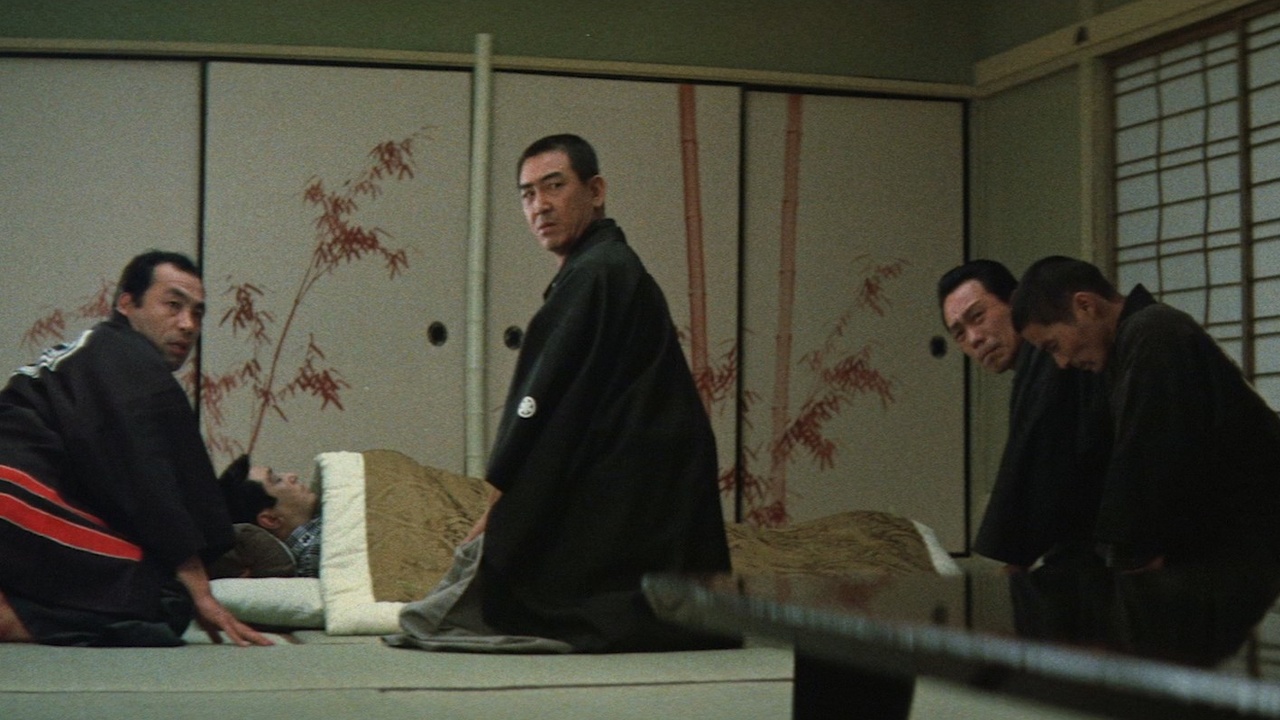
However, Yamashita elevates "Big Time Gambling Boss" beyond a typical genre piece by placing a profound emphasis on character development and the intricacies of personal relationships. This nuanced approach adds a layer of complexity often overlooked in other yakuza films, which tend to prioritize the socio-political implications of the underworld over the internal conflicts of individuals torn between their yakuza "family" and their blood relatives.
Characters Beyond the Stereotypes
Nakai, Ishido, and Matsuda, while outwardly embodying the archetypal yakuza toughs, are imbued with remarkable depth and gravitas by Yamashita. In contrast to the more two-dimensional portrayals often found in the works of directors like Kinji Fukasaku, where characters might be depicted as "just" gangsters, Yamashita reveals them as multifaceted individuals. The film allows audiences to witness them not only as enforcers of a criminal code but also as friends, husbands, fathers, and mentors.
Scenes depicting their unwavering devotion to their gravely ill boss, though potentially appearing exaggerated, underscore the deep bonds of loyalty that underpin the yakuza ethos. More compelling are the moments where Nakai and Matsuda grapple to uphold their oath of brotherhood amidst the turbulent transition of power within their clan. These instances highlight the profound connection they share, transcending the rigid hierarchy of the yakuza organization.
Furthermore, the film sensitively portrays their loving marital relationships. Actresses Junko Fuji, as Hiroe (Matsuda’s wife), and Hiroko Sakuramachi, as Tsuyako (Nakai’s wife), deliver memorable performances that underscore their characters’ steadfast devotion and inherent dignity. These portrayals humanize the protagonists, allowing the audience to grasp the profound stakes involved in their choices. The film masterfully frames their loyalties as a profound moral dilemma: will they uphold their familial bonds, or will they be consumed by the yakuza world, becoming remorseless gangsters devoid of humanity?
A Tragedy Unfolding
Considering its narrative depth and thematic richness, "Big Time Gambling Boss" transcends its genre trappings, resembling more closely a classical stage drama or a profound tragedy. Cinematographer Nagaki Yamagishi plays a crucial role in accentuating the intimate, tense, and often fragile harmony of the characters’ private lives, juxtaposed against the jarring dissonance within their other "family"—the clan to which they have sworn unwavering loyalty.
The film’s opening sequences, which depict a business negotiation between the Tenryu clan and a rival yakuza family, immediately establish a critical tone. They expose the illusory nature of the gangster hierarchy, revealing it as an institution built upon blind obedience and loyalty—an entity, as Yamashita so starkly suggests, that "casually sends people to their deaths." This early depiction serves as a prescient foreshadowing of the tragic trajectory the film will follow.
The Hollowed Ideal of Family
In "Big Time Gambling Boss," Kosaku Yamashita masterfully transforms familiar yakuza genre conventions into a quiet yet devastating tragedy. Beneath the veneer of rituals, intricate negotiations, and shifting alliances lies a world where the concept of family itself becomes increasingly hollowed out. It is reduced to a mere mechanism of control and power, rather than a genuine source of belonging and emotional sustenance. By the film’s conclusion, what initially appeared as a noble code of honor is exposed as a carefully constructed illusion, a fragile edifice that ultimately consumes both the individuals caught within its machinations and the very system that perpetuates it. The film’s enduring power lies in its unflinching examination of the human cost of ambition and the devastating consequences of a fractured sense of self.