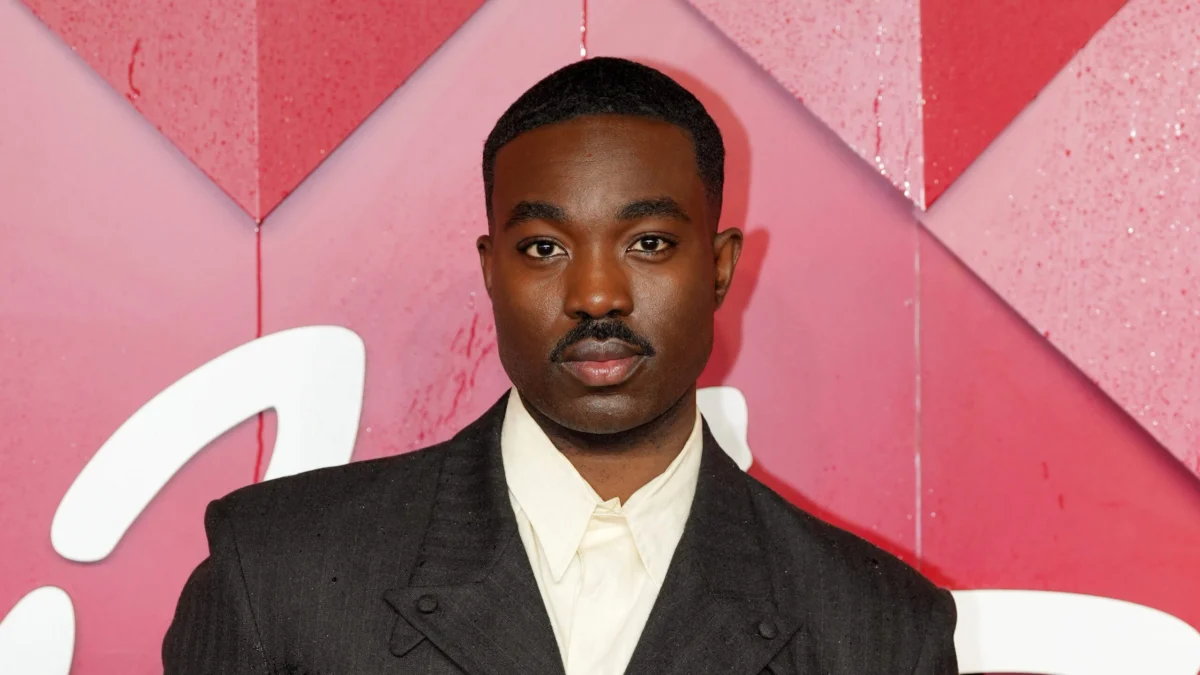
Paapa Essiedu, the acclaimed actor known for his work in I May Destroy You, has publicly disclosed that he has received racist death threats following the announcement of his casting as Professor Severus Snape in HBO’s forthcoming Harry Potter television series. The revelation, made during a recent profile interview with The Times, underscores the severe and often volatile backlash that actors, particularly those from underrepresented backgrounds, can face when stepping into iconic roles within beloved franchises. Essiedu’s experience casts a stark light on the persistent issues of online harassment and racial prejudice within fandom communities, prompting a wider conversation about the responsibility of studios and the evolving landscape of media representation.
The Revelation of Threats and Essiedu’s Stance
Essiedu articulated the gravity of the threats he has endured since his casting was officially confirmed in April 2025. "I’ve been told, ‘Quit or I’ll murder you,’" the actor shared with The Times. He detailed how the sheer volume of vitriolic messages, particularly those containing explicit threats, has had an undeniable emotional toll. "The reality is that if I look at Instagram I will see somebody saying, ‘I’m going to come to your house and kill you.’ So while I’m pretty sure I’m not going to be murdered… That could age badly! But, yes, while I hope I’ll be OK, nobody should have to encounter this for doing their job," he stated, acknowledging the absurd contrast between the fantasy nature of his work and the grim reality of the threats. He further emphasized the emotional impact, saying, "Many people put their lives on the line in their work. I’m playing a wizard in Harry Potter. And I’d be lying if I said it doesn’t affect me emotionally."
Despite the alarming nature of the abuse, Essiedu expressed a defiant resolve. He conveyed that, rather than deterring him, the negativity has galvanized his commitment to the role. "The abuse fuels me," he declared, adding that it "makes me more passionate about making this character my own, because I think of how I felt as a kid." He passionately articulated his desire for broader representation: "I would imagine myself at Hogwarts on broomsticks, and the idea that a kid like me can see themselves represented in that world? That’s motivation to not be intimidated by someone saying they’d rather I died instead of doing work I’m going to be really proud of." When questioned about the possibility of disengaging from online platforms to mitigate exposure to such discourse, Essiedu insightfully noted that "even if you successfully ignore it, it doesn’t mean it’s not happening," and that the issue "remains endemic." He also pointed out that concerned individuals often relay negative comments to him, making complete isolation from the vitriol practically impossible.
The Genesis of the HBO Harry Potter Series and its Cultural Weight
The announcement of a new Harry Potter television series by HBO, slated to adapt each of J.K. Rowling’s seven novels into a separate season, stirred immense excitement and fervent debate among the global fanbase. The original eight-film saga, which concluded in 2011, became a cultural touchstone, grossing over $7.7 billion worldwide and cementing its place as one of the most successful film franchises in history. The enduring popularity of the Wizarding World, combined with a persistent desire for a more faithful, in-depth adaptation of the books, paved the way for HBO’s ambitious, decade-long project.
The series, which began production in July 2025 at Warner Bros. Studios Leavesden in the U.K., aims to provide a comprehensive retelling, allowing for a deeper exploration of characters, subplots, and thematic elements that the films, due to time constraints, could only touch upon. This renewed focus on the source material, however, also brings heightened scrutiny from a deeply invested fanbase, many of whom have grown up with the books and films and hold strong, often immutable, perceptions of its characters. The creative team behind the series, including executive producers J.K. Rowling, Neil Blair, and Ruth Kenley-Letts, faces the formidable task of honoring the beloved original while simultaneously charting a new course for a contemporary audience.
The Iconic Role of Severus Snape and Alan Rickman’s Legacy
Severus Snape stands as one of the Harry Potter saga’s most complex and compelling characters. Initially presented as a malevolent, biased Potions Master, his true loyalties and tragic backstory are gradually unveiled, revealing him to be a profoundly selfless hero driven by unrequited love and a profound sense of duty. His arc, culminating in his poignant memories and ultimate sacrifice, is central to the emotional core of the series.
The role was indelibly brought to life by the late Alan Rickman, whose portrayal in all eight films, beginning with Harry Potter and the Sorcerer’s Stone in 2001, became legendary. Rickman’s nuanced performance, characterized by his distinctive voice, brooding intensity, and subtle expressions, set an incredibly high bar and defined the character for millions worldwide. His death in 2016 further solidified his iconic status, leading many fans to view his portrayal as irreplaceable. It is this deep-seated emotional connection to Rickman’s Snape that forms the bedrock of much of the resistance to a new actor, particularly one who visually deviates from the established image.
The Casting Process and Wider Ensemble
The casting for such a high-profile series is always a meticulous and often secretive process. The Hollywood Reporter had exclusively reported in December 2024 that Paapa Essiedu was being eyed for the role of Snape, generating early buzz and some preliminary discussions online. His official confirmation in April 2025 ignited the full spectrum of fan reactions, from enthusiastic support to the deeply troubling racist backlash.
Essiedu joins a promising ensemble cast designed to bring new life to the beloved characters. Dominic McLaughlin is set to portray the titular Harry Potter, with Alastair Stout as Ron Weasley and Arabella Stanton as Hermione Granger, forming the central trio. The expanded cast also includes veteran actors like John Lithgow as Albus Dumbledore, Janet McTeer as Minerva McGonagall, Nick Frost as Rubeus Hagrid, and Lox Pratt as Draco Malfoy, among many others. The decision to cast a Black actor in the role of Snape, a character traditionally depicted as white in both the books and previous adaptations, aligns with a broader industry trend towards inclusive casting, seeking to reflect the diversity of modern audiences.
A Wider Lens: Diversity in Modern Adaptations and Fandom Reactions
Essiedu’s experience is not an isolated incident but rather indicative of a recurring pattern of backlash against diverse casting in established franchises. In recent years, actors of color, women, and LGBTQ+ individuals cast in roles traditionally portrayed by white, male, or heterosexual actors have frequently faced intense online harassment. Examples range from Moses Ingram in Obi-Wan Kenobi, John Boyega in Star Wars, to Leah Jeffries in Percy Jackson and the Olympians. This phenomenon often manifests under the guise of "faithfulness to the source material," but frequently devolves into thinly veiled or explicit racism, sexism, and homophobia.
Proponents of diverse casting argue that it is crucial for modern storytelling to reflect the global audience and provide opportunities for broader representation, allowing more young people to see themselves as heroes and integral parts of fantastical worlds. They contend that the essence of a character lies in their personality, actions, and narrative arc, rather than immutable physical characteristics unless explicitly central to the plot. The Harry Potter universe, with its themes of fighting prejudice and embracing diversity, is seen by many as a particularly fitting canvas for such inclusive casting choices. However, a segment of the fandom often resists these changes, viewing them as an alteration of cherished childhood memories or an imposition of "wokeness" onto their beloved stories. This tension highlights the complex relationship between creators, studios, and a global, digitally connected fanbase.
The Pervasiveness of Online Harassment and Industry Response
The internet, while a powerful tool for community building and fan engagement, also provides a platform for anonymity that emboldens harmful behavior. Online harassment, including death threats, doxxing, and targeted abuse, poses a significant threat to the mental well-being and safety of public figures. Studies have shown a rising trend in online hate speech, with actors and creators of color disproportionately targeted.
While HBO and Warner Bros. have not yet issued an official statement specifically addressing the threats against Paapa Essiedu, it is expected that they will condemn such behavior and reiterate their commitment to supporting their cast and fostering an inclusive production environment. Major studios and streaming platforms have increasingly faced pressure to implement stronger measures to protect their talent from online abuse. This includes providing psychological support, engaging security experts, and collaborating with social media companies to report and remove harmful content. The challenge lies in balancing freedom of expression with the imperative to ensure a safe and respectful online space for public discourse.
Broader Implications for the Series and Fandom
Paapa Essiedu’s courageous decision to speak out about the racist death threats he has received serves as a powerful reminder of the ongoing struggle for true inclusivity in the entertainment industry. His resilience and determination to embody Snape for a new generation, particularly for children who may see themselves reflected in his portrayal, speak volumes about his commitment to the role and its potential impact.
The incident is likely to intensify discussions within the Harry Potter fandom and the broader pop culture landscape regarding the boundaries of fan engagement, the nature of adaptation, and the responsibility of online communities. It places renewed pressure on studios to not only champion diverse casting but also to robustly defend their choices and protect their talent. Ultimately, the success of HBO’s Harry Potter series will hinge not only on its creative execution but also on its ability to navigate these complex social dynamics, fostering a truly inclusive and welcoming Wizarding World for all. Essiedu’s powerful message of using the abuse as fuel for his passion underscores a hopeful vision for a more representative future, where talent and storytelling transcend outdated prejudices.