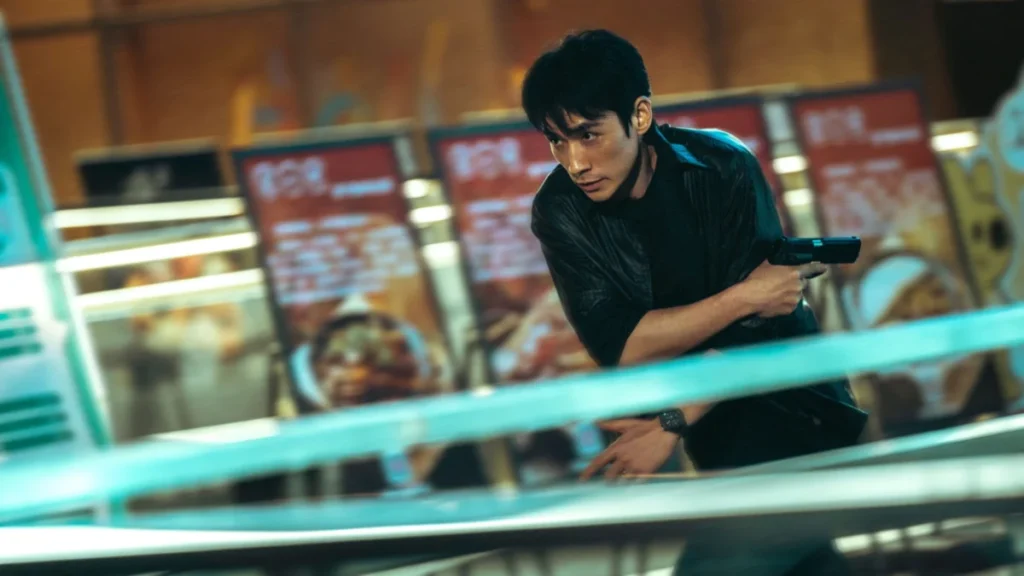



Legendary martial arts choreographer and filmmaker Yuen Woo-ping returns to the director’s chair with "Blades of the Guardians," a sweeping historical action epic that premiered in UK and Irish cinemas on April 17, presented by Trinity CineAsia. This highly anticipated film marks a significant moment for the wuxia genre, signaling the return of a master craftsman and a potent blend of traditional artistry with contemporary storytelling.
A Passion Project Revitalizing Wuxia
"Blades of the Guardians" is more than just a film; it represents a deeply personal project for both Yuen Woo-ping and its lead actor and producer, Wu Jing. The production is a grand-scale adaptation of Xu Xianzhe’s acclaimed manhua, "Biao Ren," a work that resonated strongly with audiences upon its initial release in China during the 2026 Chinese New Year period. The film meticulously combines breathtaking, large-scale spectacle with a renewed and unwavering commitment to the foundational traditions of wuxia cinema. However, it doesn’t shy away from introducing a distinctly contemporary sensibility, a strategic move aimed at captivating and revitalizing the genre for a modern global audience that may be less familiar with its rich history. This ambitious undertaking aims to bridge the gap between venerated martial arts legacy and the evolving expectations of cinematic entertainment.
Setting the Stage: A Tumultuous Dynasty
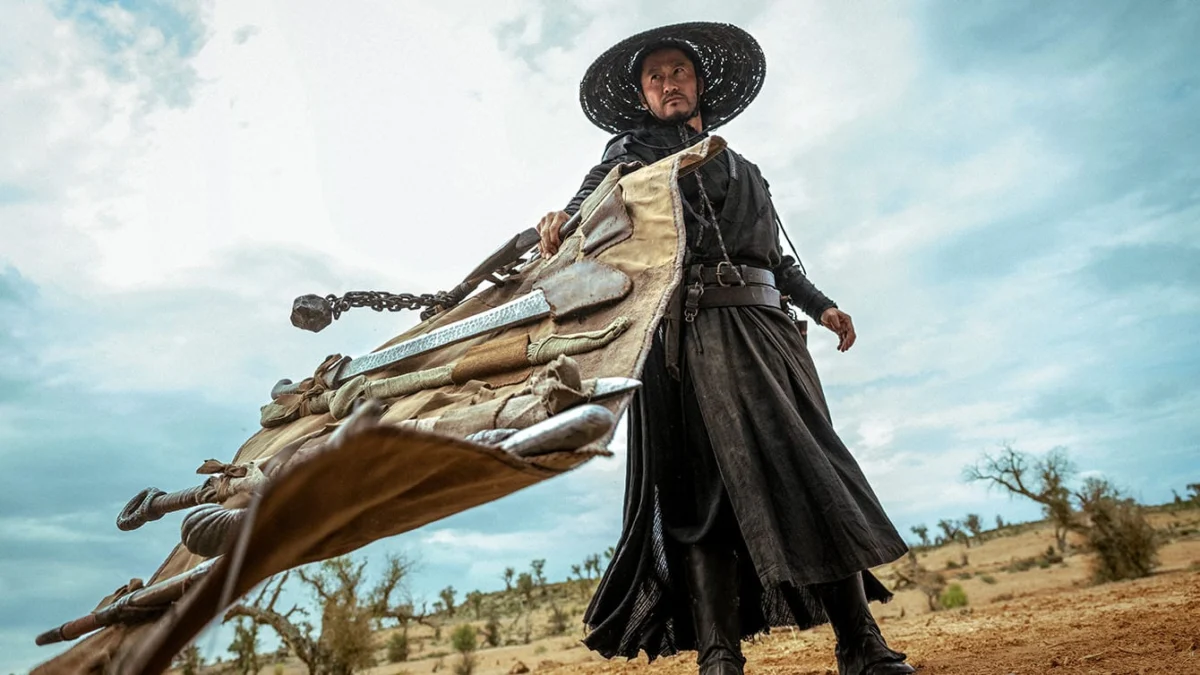
The narrative unfolds against the backdrop of the late Sui dynasty, a period in Chinese history (581-618 AD) notoriously characterized by pervasive political corruption, widespread civil unrest, and the gradual erosion of central authority. This era of fragmentation and instability provides a fertile ground for the film’s dramatic conflicts. The story centers on Dao Ma, a hardened former soldier who has transitioned into the dangerous profession of a bounty hunter. He finds himself navigating the treacherous and often lawless Western Regions, accompanied by a young orphan whose presence adds an unexpected layer of vulnerability and moral imperative to his mission.
Dao Ma’s primary objective is to escort the empire’s most wanted fugitive, Zhi Shilang, to the capital city of Chang’an. This ostensibly straightforward assignment quickly devolves into a high-stakes chase as Dao Ma becomes the target of multiple, formidable factions. These adversaries include the relentless imperial forces, ambitious regional powers vying for control, and a host of independent fighters, each driven by their own complex motivations—whether it be the pursuit of power, the thirst for revenge, or the lure of a substantial reward. What begins as a singular mission of escort transforms into a perilous, extended journey across the unforgiving desert landscape. During this odyssey, alliances are forged and broken with startling frequency, and the very concept of survival becomes increasingly precarious, demanding constant vigilance and difficult choices.
Choreography as Narrative: Yuen Woo-ping’s Vision
Yuen Woo-ping’s directorial approach to "Blades of the Guardians" transcends mere action spectacle. He views the material as an opportunity to return to the fundamental essence of wuxia, not just as a genre, but as a sophisticated cinematic language. A cornerstone of his philosophy is the employment of choreography as a vital narrative tool. Movement and combat sequences are not simply interludes of physical prowess; rather, they are meticulously crafted to express the emotional depth of the characters and to illuminate the intricate dynamics of their relationships. While the film adheres to a relatively classical narrative structure, its execution is imbued with a distinctly modern sensibility. This blend manifests in the seamless integration of large-scale, visceral action with profound thematic explorations of rebellion, the often murky waters of moral ambiguity, and the devastating, enduring cost of violence. Yuen’s signature style, renowned for its innovation and artistic flair, is evident in every meticulously choreographed move, elevating the martial arts to a form of expressive storytelling.
Thematic Depth: Duty, Loyalty, and Found Family
Beneath the thrilling surface of swordplay and pursuit, "Blades of the Guardians" delves into profound thematic territories. The screenplay thoughtfully explores complex ideas of duty, the often-conflicting nature of loyalty, the possibility of redemption, and the powerful resonance of found family. These universal themes serve to ground the epic scope of the narrative with a palpable emotional core. At the heart of this emotional journey is Dao Ma’s evolving relationship with his companions, particularly the orphan he is tasked with protecting. The initially improvised alliance among the protagonists generates significant tension throughout their arduous trek, as trust is tested and past grievances linger. Yet, amidst the grit and danger of their circumstances, the bond that gradually forms between them offers moments of genuine poignancy and heartfelt connection, providing a crucial human element to the grand adventure.
A Stellar Ensemble Cast
The film is distinguished by an impressive and multi-generational cast, representing a remarkable confluence of talent from across the martial arts and cinematic landscape. Leading the ensemble is Wu Jing, who delivers a performance as Dao Ma that is both restrained and deeply human. His portrayal captures the weariness of a seasoned warrior while hinting at a capacity for empathy and connection that emerges throughout the journey. Nicholas Tse offers a compelling turn as a relentless antagonist, driven by a potent personal vendetta that fuels his pursuit of Dao Ma and Zhi Shilang. Supporting them are Yosh Yu, Chen Lijun, and Cisha, who contribute nuanced performances that enrich the ensemble dynamic and add further layers to the film’s intricate character web. The legendary Tony Leung Ka-fai also makes a significant contribution, lending his gravitas to the proceedings. Even with limited screen time, veteran martial arts icons Jet Li and Kara Wai leave an indelible impression, underscoring the film’s remarkable ability to bridge generations within the martial arts genre and pay homage to its storied past.
Production Excellence: From Landscape to Score
The ambitious scope of "Blades of the Guardians" is matched by its impressive production values. Filming took place across the vast and varied landscapes of Xinjiang and Beijing, locations chosen for their visual grandeur and ability to evoke the historical setting. The cast underwent rigorous and intensive physical training to prepare for the film’s demanding and intricate action sequences. The results of this dedication are palpable throughout the film, as the choreography unfolds with remarkable precision, raw intensity, and a seamless integration into the overarching narrative.
Cinematographer Tony Cheung masterfully captures the breathtaking immensity of the Western Chinese desert, utilizing striking imagery that transforms the natural landscape into a character in its own right. The interplay of light, shadow, and the vast expanse of the desert enhances both the film’s epic scale and its atmospheric tension. Complementing the stunning visuals, William Wu’s evocative score plays a crucial role in reinforcing the film’s emotional resonance and dramatic arc, skillfully guiding the audience through moments of high-octane action and quiet introspection. The meticulous attention to detail in every facet of production, from the fight choreography to the visual artistry and musical accompaniment, contributes to a truly immersive cinematic experience.
A Box Office Triumph and Genre Reaffirmation
"Blades of the Guardians" has already achieved significant critical and commercial success in its home market of China. The film has emerged as the highest-grossing wuxia film of all time in the country, a remarkable feat that speaks volumes about both the enduring appeal of the genre and the undeniable impact of Yuen Woo-ping’s return to directing. This box office triumph signals a powerful resurgence for wuxia cinema, demonstrating that audiences worldwide remain captivated by its unique blend of martial artistry, historical drama, and philosophical undertones. The film’s success is a testament to its ability to resonate with contemporary viewers while honoring the rich legacy of the genre. It stands as a significant entry in the landscape of contemporary martial arts cinema, reaffirming the genre’s relevance and enduring power.
Implications and Future Outlook
The success of "Blades of the Guardians" carries broader implications for the future of the wuxia genre and Chinese cinema on the global stage. Its triumphant performance suggests a strong market demand for high-quality, authentic martial arts epics that can effectively blend traditional elements with modern filmmaking techniques. The film’s ability to attract a multi-generational cast, including revered veterans and rising stars, also highlights a successful model for intergenerational collaboration within the industry.
Yuen Woo-ping’s return to the director’s chair with such a commanding project is a cause for celebration among film enthusiasts. His unparalleled contribution to martial arts choreography in iconic films like "Crouching Tiger, Hidden Dragon" and "The Matrix" trilogy has cemented his status as a living legend. "Blades of the Guardians" serves as a potent reminder of his directorial vision and his ability to translate his choreographic genius into compelling cinematic narratives. The film’s positive reception and commercial success in China and its subsequent international release suggest a promising future for similar productions that prioritize artistic integrity, robust storytelling, and spectacular action.
The film’s ability to achieve such a remarkable box office milestone in China, a market that has seen a diversification of cinematic tastes, is particularly noteworthy. It indicates that a well-crafted wuxia film, executed with the expertise and passion evident in "Blades of the Guardians," can still capture the public’s imagination and dominate the box office. This success could inspire further investment in and production of large-scale wuxia films, potentially leading to a renaissance for the genre. Furthermore, its presentation by Trinity CineAsia in the UK and Ireland signifies a continued effort to bring high-quality Asian cinema to international audiences, broadening the global appreciation for diverse cinematic traditions.
A Must-See Cinematic Event
"Blades of the Guardians" is unequivocally a must-see for devoted fans of action cinema, historical epics, and the rich tradition of wuxia storytelling. It represents the triumphant return of a master filmmaker operating at the zenith of his craft, delivering a cinematic experience that is both exhilarating and profoundly resonant. The film is a testament to Yuen Woo-ping’s enduring legacy and his ability to innovate while respecting the foundations of his art form. Its blend of tradition and modernity, coupled with its compelling narrative and stellar performances, positions it as a landmark achievement in contemporary martial arts cinema, a film that honors its legacy while forging a bold new path forward.
A Glimpse into the Film’s Presentation
For those seeking a deeper understanding and visual appreciation of "Blades of the Guardians," a video review is available. This review offers insights into the film’s narrative, thematic elements, and cinematic execution, providing a comprehensive look at this significant martial arts epic.