
The intersection of artificial intelligence and digital content creation has entered a controversial new phase, marked by the emergence of hyper-realistic, AI-generated social media personas that systematically misappropriate intellectual property from human creators. Over recent months, a growing cohort of stand-up comedians has discovered that their viral routines, stage personas, and delivery nuances are being replicated verbatim by synthetic accounts on platforms like Instagram, TikTok, and Facebook. These AI-generated profiles—often styled as attractive, glamorous young women—utilize stolen comedic material not for the purpose of advancing the comedic arts, but as a top-of-funnel marketing strategy to drive traffic to adult subscription platforms such as OnlyFans and Fanvue. This phenomenon has laid bare the vulnerabilities of digital copyright enforcement, the limitations of current social media moderation policies, and a fundamental shift in how audiences consume and value original creative labor.
Anatomy of a Digital Heist: The Case of Aylen Skye and Tiffany Sloane
The issue gained widespread attention within the stand-up comedy community following a series of alarming discoveries by working comics. Stand-up comedian Julia Jasunas first encountered the trend when alerted by a colleague to an Instagram account belonging to a purported comic named Aylen Skye. Boasting a quarter of a million followers, Skye’s profile featured high-production-value video clips of a conventionally attractive blonde delivering a routine about apartment rentals. Upon viewing the footage, Jasunas realized the performance was an exact, verbatim reproduction of her own stand-up act, down to the incidental pauses and vocal fillers.
Investigation into Skye’s digital footprint revealed that the account functioned as a conduit for monetization on Fanvue, an alternative to OnlyFans. Furthermore, unlike human female comics who routinely navigate hostile and objectifying commentary, Skye’s comment sections were overwhelmingly positive, masking the synthetic nature of the account behind a veneer of artificial engagement.
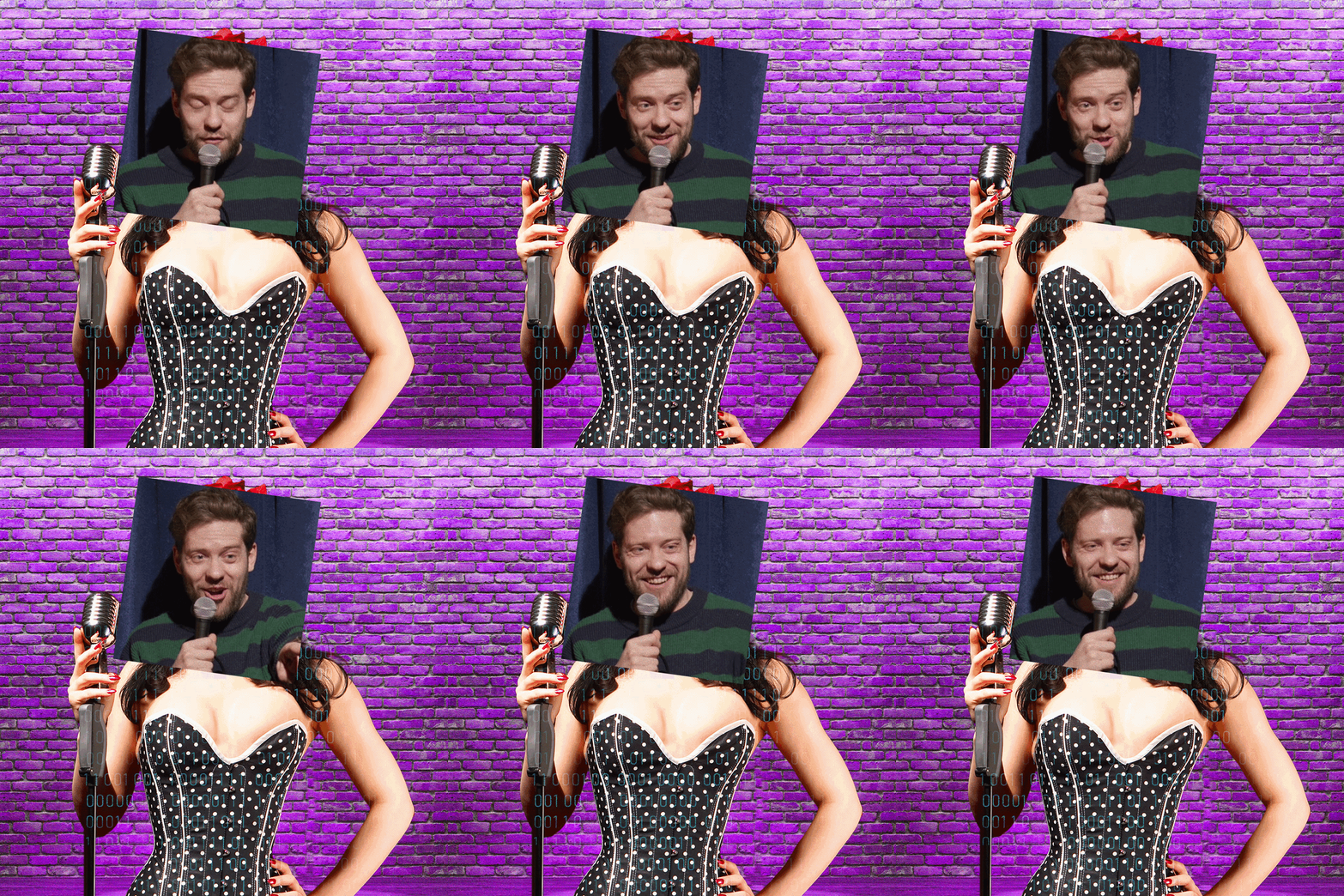
A similar trajectory was observed with another prominent AI account, Tiffany Sloane, which amassed over 375,000 followers on Instagram while posing as a 19-year-old actress and comedienne. Sloane’s content frequently mirrored the routines of emerging human comedians. Notably, comic George Brett Olson fell victim to this practice when a video of his bit concerning political discourse around artificial intelligence and immigration was cloned nearly word-for-word by Sloane. The replication extended beyond the audio track; the AI-generated video utilized matching backdrops and wardrobe choices, leaving only the punchline slightly altered.
Chronology and Evolution of Synthetic Plagiarism
The proliferation of AI-generated content farms targeting stand-up comedy has evolved rapidly since mid-2023. Initially, the technology underpinning these accounts was visibly crude. Early iterations—frequently documented by comedian Steph Clark starting in June—featured awkward animations, unnatural vocal cadences, and nonsensical punchlines, such as a leggy redhead delivering disjointed comparisons regarding domestic scenarios.
However, by the autumn months, generative video technology had advanced exponentially. By October, accounts like Sloane and Skye demonstrated sophisticated audio-video synchronization, professional lighting, and nuanced facial mapping that effectively blurred the line between reality and generation. Concurrently, the operational model matured into a coordinated strategy across multiple platforms, combining repurposed stand-up routines with simulated late-night television interviews featuring hosts like Conan O’Brien and Jimmy Kimmel, alongside provocative or politically charged commentary designed to maximize algorithmic engagement.
The Legal and Regulatory Vacuum
At the core of the controversy is a profound regulatory mismatch between rapid technological advancement and outdated intellectual property frameworks. Historically, stand-up comedy has occupied a precarious position within copyright law. Due to the ephemeral nature of live performance, the oral tradition of joke development, and the frequent use of common tropes, legal protections for individual jokes are historically weak. Intellectual property attorneys consulted by affected comedians have noted that formal litigation is rarely financially viable unless the infringing entity generates substantial commercial damages that surpass the high costs of legal proceedings.
Social media platforms have similarly struggled or declined to intervene effectively. When comedians and their followers reported the infringing accounts to Meta for impersonation and copyright violation, the standard response from moderation systems was that the content did not violate existing community guidelines. Meta’s policies typically restrict impersonation of specific individuals but do not inherently prohibit the unauthorized duplication of uncopyrighted material, nor do they ban AI-generated content provided it adheres to basic labeling standards—a requirement that these accounts frequently bypass or inconsistently apply.
Official Responses and Industry Reaction
The response from technology leadership has further alienated creative professionals. Following public appeals directed at high-ranking executives, Adam Mosseri, head of Instagram, acknowledged the complexity of the issue during public exchanges with affected creators. Mosseri stated that while attempting to systematically ban all AI-generated content from Meta’s platforms was impractical, the company remained invested in directing traffic toward original creators and would evaluate potential measures to address wholesale content theft. A subsequent statement from Meta spokesperson Francis Brennan indicated that existing policies were deemed sufficient, and the company declined further comment. Meanwhile, all major AI-generated accounts flagged by journalists and creators have remained active on the platform.
Conversely, some figures within the technology sector have celebrated the ingenuity of these operations. Justine Moore, a partner at venture capital firm Andreessen Horowitz, publicly endorsed the strategy behind profiles like Tiffany Sloane on social media, describing the tactic as a "genius marketing hack." This stark dichotomy between venture capital enthusiasm for generative marketing tools and the economic distress of independent artists highlights a growing ideological chasm within the digital economy.
Broader Implications for Creative Labor and Audience Reception
The rise of synthetic content farms points toward a troubling existential question for contemporary artists: Does the human origin of creative work still matter to the modern consumer?
For the comedians whose intellectual and emotional labor has been co-opted by automated systems, the implications extend far beyond lost revenue. The phenomenon degrades the intimate connection between artist and audience, replacing genuine human vulnerability with hyper-sexualized, algorithmically optimized simulacra designed solely for transactional conversion. As audiences continue to engage with and follow these synthetic personas—often indifferent or oblivious to the exploitation of underlying human creators—the incentive structure for original artistry faces severe degradation. Without robust platform-level protections, updated legal definitions of digital likeness and intellectual property, and active enforcement against bad-faith actors, the commodification of stolen human creativity by artificial intelligence threatens to become an intractable feature of the modern digital landscape.