




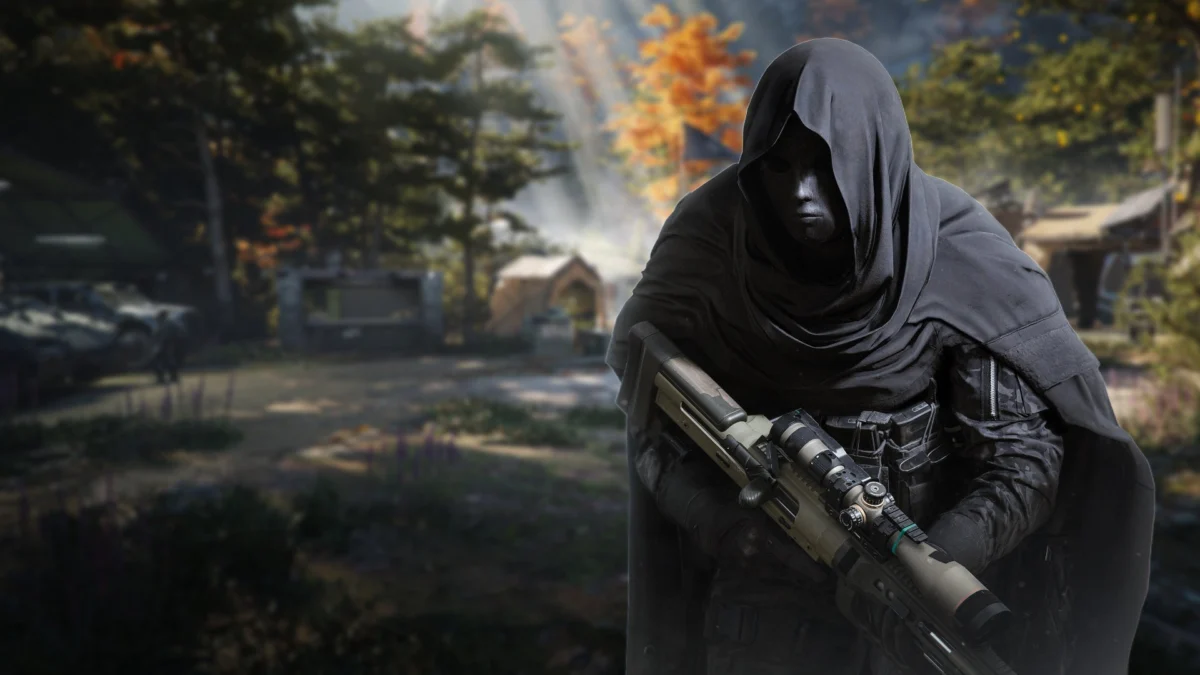
The introduction of the extraction shooter mode in Call of Duty: Modern Warfare 4 has been marked by immediate and heated controversy, centered primarily on a specific character progression mechanic known as the "Possum" trait. Although the game mode has only been publicly accessible for a 48-hour early access period reserved for pre-order customers, the discourse surrounding this feature has already reached a boiling point across social media platforms, Reddit, and competitive gaming forums. The trait, which allows eliminated players to revive themselves once per match, has fundamentally challenged the risk-reward structure that defines the extraction shooter genre.
The Mechanics of the Possum Trait
The Possum trait is a specialized ability unlocked through the "Warfighter" operator progression path. According to player reports and early gameplay documentation, the trait enables a player to self-revive after being fully eliminated from a match. When the player triggers this ability, they enter a "Last Stand" state, which requires them to manually execute a self-revival sequence. This process takes approximately ten seconds of uninterrupted time to complete.
Crucially, the game balances this powerful ability by imposing a significant penalty: the player loses all loot currently held in their inventory upon activation. This forces the operator to essentially "reset" their progress within the session, effectively trading their accumulated gear for a second chance at survival. While the trade-off is intended to prevent the ability from being an unconditional advantage, the player base argues that the strategic disruption caused by a "resurrecting" opponent outweighs the loss of inventory, particularly in high-stakes firefights.
Chronology of the Controversy
The conflict began almost immediately following the early access launch. Within the first six hours of availability, players identified that the Warfighter path could be leveled up relatively quickly, allowing users to unlock Possum within a few hours of dedicated gameplay. By the 24-hour mark, the first major threads appeared on the DMZ subreddit, with users expressing frustration over the lack of transparency regarding which opponents possess this ability.
By the 48-hour mark, the situation escalated as prominent content creators and community influencers began publishing critiques. Figures such as Phixate and members of the Wynn-Gaming collective released video content labeling the mechanic as "broken" and "diabolical." These critiques focused on the disruption of tactical team play. In an extraction shooter, the strategy of eliminating an enemy to secure a numerical advantage is a core pillar of gameplay. When a player who has already been confirmed as "dead" returns to the field, it creates an unpredictable variable that many players feel invalidates the time and coordination spent securing a kill.
The Philosophical Divide: Extraction Shooters vs. Modern Gameplay
The inclusion of Possum highlights a broader tension between the traditional expectations of the "extraction shooter" genre and the arcade-style mechanics common to the Call of Duty franchise. Extraction shooters—such as Escape from Tarkov or Hunt: Showdown—typically rely on the concept of "permadeath" within a single match to drive tension. The fear of losing accumulated loot is the primary psychological engine that dictates player movement, aggression, and tactical decision-making.
By introducing an automated self-revival, developers at Infinity Ward have arguably shifted the DMZ mode closer to a standard "Battle Royale" experience. Critics argue that this lowers the stakes of the game, while defenders of the system suggest it provides a necessary safety net for solo players or those caught in unfavorable spawns. The debate effectively pits those who want a hardcore, high-stakes tactical experience against those who prefer a more forgiving, action-oriented loop.
Defensive Strategies and Counter-Play
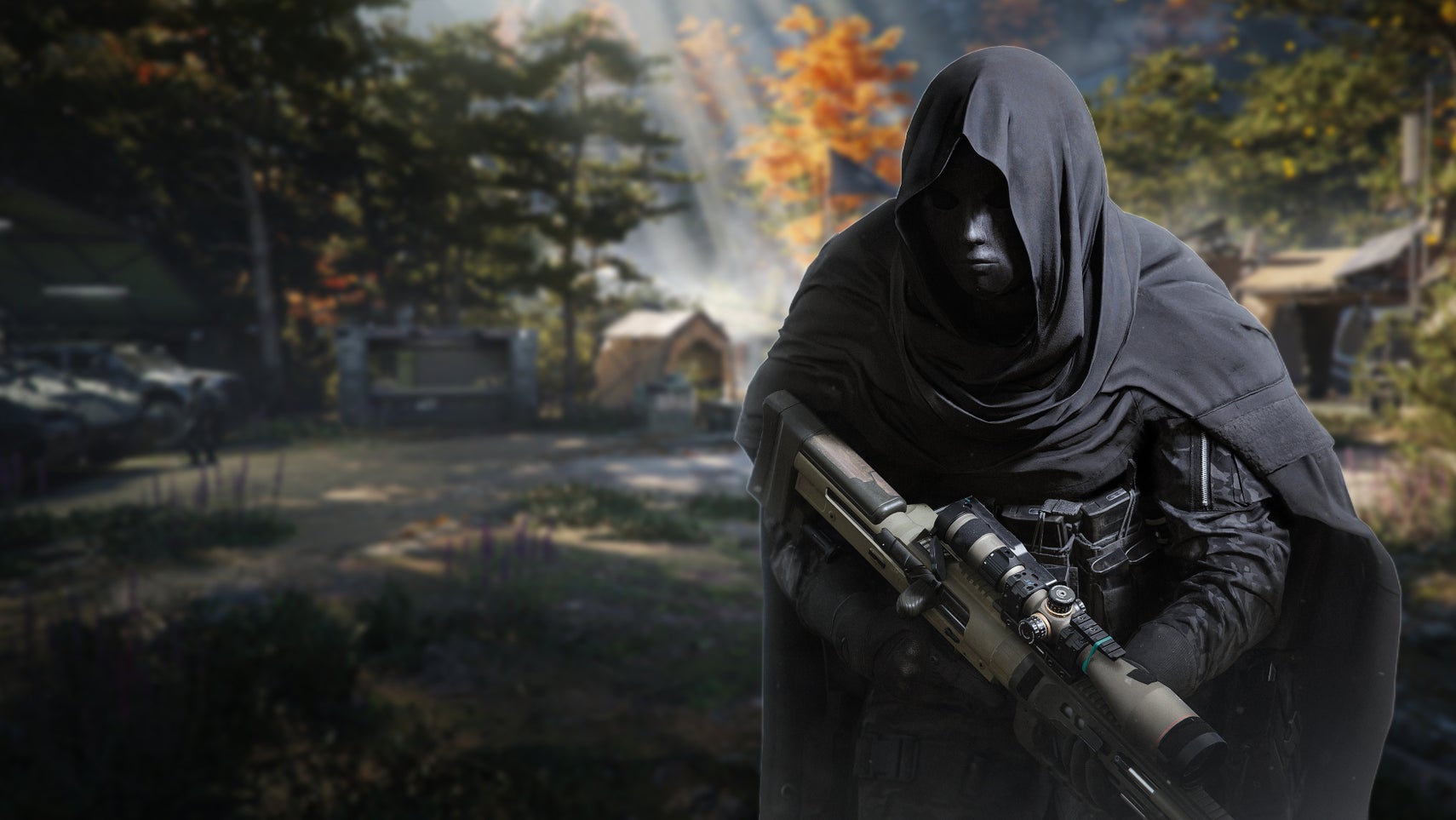
In response to the growing dissatisfaction, a segment of the community has begun to develop and share tactical counters. The objective is to negate the element of surprise that the Possum trait provides. Popular suggestions circulating on player forums include:
- Corpse Camping: A strategy involving monitoring the location of eliminated enemies for a period longer than the revival animation.
- Booby-Trapping: Utilizing landmines or trip mines near the bodies of downed opponents to ensure that if they attempt a revival, they are immediately re-eliminated.
- Strategic Disengagement: Some players suggest that if a team does not have the resources to "babysit" a body, they should prioritize immediate extraction, assuming the opponent will return.
These strategies, while effective, have been met with their own criticism. Many players feel that being forced to "camp" a body to ensure a permanent kill detracts from the fast-paced nature of the game, essentially slowing down the momentum that the developers likely intended to maintain.
Impact on Game Balance and Future Prospects
From a data-driven perspective, the Possum trait introduces a significant shift in the "Time to Kill" (TTK) and "Time to Win" metrics of the mode. By essentially doubling the effective health pool of a single operator over the course of a match, the trait alters the math of team-versus-team combat. If a squad of three engages another squad of three, and one member of the opposing team utilizes Possum, the engagement duration is extended by the time required for the revival and the subsequent re-engagement.
As the wider, non-pre-ordering public gains access to the game, the developer will likely monitor "kill-to-death" ratios and the frequency of Possum usage across different skill brackets. If the trait is found to be statistically overpowered—specifically if it leads to an outsized number of squad wipes being reversed—the development team may be forced to intervene. Potential adjustments could include a visual indicator for players who have the Possum trait active, a longer revival timer, or a reduction in the number of times the trait can be triggered per week.
Broader Technical Context
The controversy over the Possum trait is not the only issue facing the early launch of the mode. Reports have surfaced detailing spawn-point glitches, where players are appearing in the middle of active vehicle lanes, leading to immediate, accidental deaths. While these technical bugs are viewed as temporary growing pains, they have compounded the general sense of frustration among the player base.
The interaction between the Possum trait and these environmental hazards suggests that the current state of DMZ is highly volatile. Whether the trait remains a permanent fixture or is eventually relegated to a "limited-time mode" or a restricted perk remains to be seen. Historically, developers in the Call of Duty ecosystem are responsive to community sentiment, though they often allow a "settling period" for the meta to develop before implementing sweeping changes.
For now, the DMZ landscape remains a battleground not just for the loot, but for the fundamental definition of what a Call of Duty extraction shooter should be. The next two weeks will be critical; as the player base expands, the developers will need to decide whether to double down on the high-chaos nature of the Possum trait or revert to a more traditional, high-stakes model of play. Until then, players are advised to remain vigilant, keep their trip mines ready, and perhaps look twice before assuming an enemy has been permanently removed from the field.