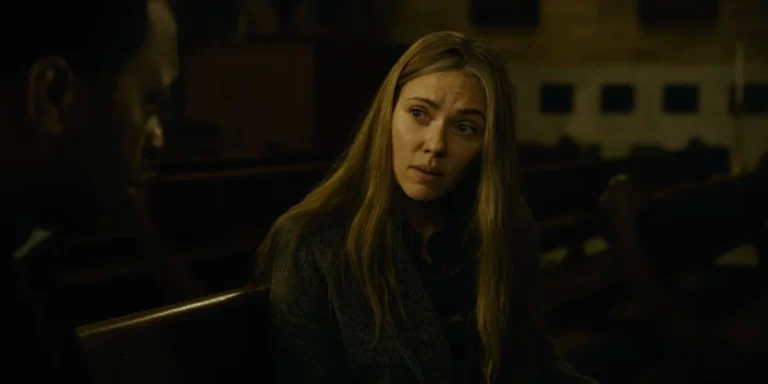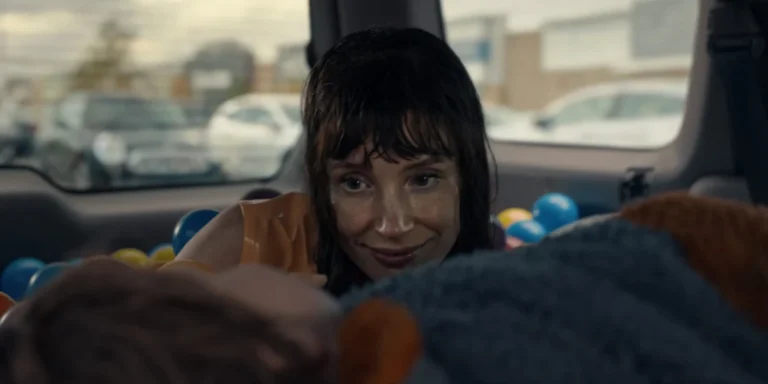



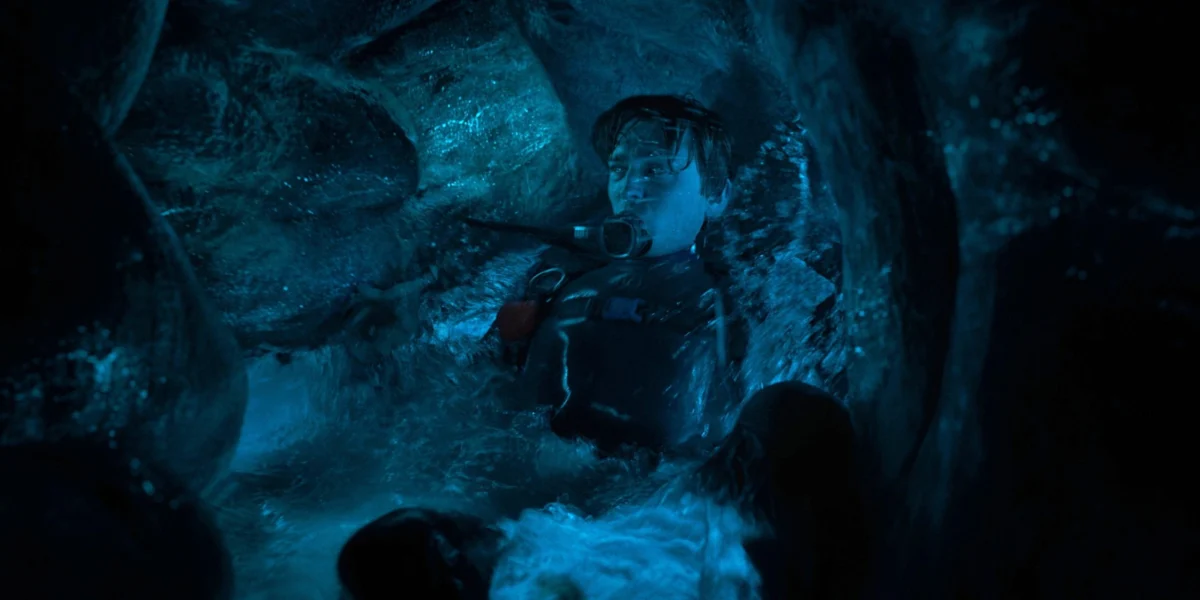
The upcoming cinematic release, distributed by 20th Century Studios, represents a significant technical undertaking in the genre of claustrophobic survival thrillers. Adapted from the acclaimed 2023 novel by Daniel Kraus, the film centers on a desperate search for closure that devolves into an existential fight for survival. Austin Abrams portrays a scuba diver who, while scouring the ocean depths for the remains of his father—played by Josh Brolin—is abruptly swallowed alive by a massive sperm whale. The narrative tracks his harrowing attempts to escape the creature’s stomach before his oxygen supply depletes, a premise that demands extreme physical and psychological commitment from its lead performer.
The production features a robust supporting cast, including Elisabeth Shue, John Ortiz, Jane Levy, and Emily Rudd, all of whom contribute to the gravity of the protagonist’s emotional journey. Beyond the narrative stakes, the film has garnered early critical praise for its technical execution, specifically regarding its claustrophobic production design, immersive soundscapes, and the seamless integration of visual effects required to render the interior of a whale’s anatomy with biological and cinematic realism.
A Chronology of Development and Production
The project’s trajectory began with the 2023 publication of Daniel Kraus’s novel, which was noted for its scientific grounding and visceral pacing. Following the book’s positive reception, 20th Century Studios moved quickly to secure the rights, tapping Brian Duffield—a filmmaker known for his work in the genre space—to helm the adaptation. Duffield, serving as director, co-writer, and producer, prioritized a grounded approach to the story, emphasizing the physical constraints of the protagonist’s environment.
Pre-production focused heavily on the logistical challenges of filming a narrative set almost entirely within a confined, organic space. The design team conducted extensive research into the physiology of sperm whales to ensure the internal environment remained faithful to reality while allowing for the necessary cinematic lighting and camera movement. Principal photography commenced with a focus on practical effects, supplemented by digital enhancements to simulate the fluid, dark, and pressurized atmosphere of the whale’s interior.
The post-production phase was a critical component of the film’s development, as the sound design team worked to create an auditory experience that conveys the internal sounds of the whale and the muffled, distorted reality of being underwater. The studio has scheduled the film for a wide theatrical release on October 16th, positioning it as a significant autumn entry in the competitive thriller landscape.
Technical Craft and Production Design
The production design of Whalefall is cited as a defining feature of the film. To simulate the experience of being inside a sperm whale, the crew constructed elaborate sets that mimic the texture and scale of the creature’s stomach. This approach reflects a growing industry trend toward tangible, physical environments, which experts suggest provides actors with more authentic environmental cues compared to pure green-screen environments.
Visual effects (VFX) supervisor teams were tasked with the challenge of bridging the gap between the practical sets and the digital rendering of the whale’s exterior and internal systems. The lighting, in particular, was a point of focus; the film utilizes a monochromatic and low-light color palette to reflect the biological reality of the setting. This commitment to visual fidelity serves the film’s narrative goal of maintaining a consistent sense of dread and confinement.
The Role of Sound in Immersive Cinema
In survival thrillers where the setting is as much a character as the protagonist, sound design often carries the burden of establishing the "world" for the audience. In the case of Whalefall, the sound design team reportedly focused on the visceral, rhythmic sounds of the whale—heartbeats, digestive processes, and the roar of the ocean filtered through layers of flesh and bone.

Industry analysts note that films of this nature rely heavily on Dolby Atmos and other immersive audio formats to ground the viewer in the character’s predicament. By removing the protagonist from the external world and placing them in a sensory-deprived environment, the film’s sound team effectively heightens the viewer’s awareness of the character’s internal struggle, including his labored breathing and the rhythmic, crushing pressure of his surroundings.
Market Implications and Distribution Strategy
The decision by 20th Century Studios to release Whalefall in theaters on October 16th signals a strategic move to capture the mid-autumn audience, a period often dominated by thrillers and horror-adjacent content. As the film industry continues to recover from pandemic-era shifts in consumption, mid-budget survival films are increasingly viewed as reliable box-office performers. These films typically boast high "re-watchability" and strong word-of-mouth potential due to their high-concept hooks.
Data from the past three years indicates that audiences are increasingly drawn to "high-concept" survival stories—films that pose a clear, singular, and life-threatening question. Whalefall fits this mold perfectly, mirroring the success of films like The Shallows or 127 Hours. By focusing on a singular location and a limited cast, the film effectively manages production costs while maximizing the impact of its visual storytelling.
Perspectives from the Filmmaker
In recent discussions regarding the production, director Brian Duffield has emphasized the collaborative nature of the film’s technical hurdles. The challenge, according to Duffield, was not only to tell the story of a man trying to survive but to make the audience feel the physical weight of that survival. The director’s commitment to the source material—Daniel Kraus’s novel—has been highlighted as a cornerstone of the film’s development.
Duffield noted that the transition from page to screen required a delicate balance between the scientific reality of a whale’s anatomy and the requirements of a fast-paced thriller. The production team collaborated with experts in marine biology to ensure that, while the film is a work of fiction, the mechanics of the protagonist’s situation remained within the realm of scientific plausibility.
Broader Impact on the Survival Thriller Genre
The success of a film like Whalefall often dictates the appetite for similar high-concept projects in the future. If the film performs well at the box office, it could encourage studios to invest further in niche survival stories that prioritize technical craft and contained narratives.
Furthermore, the film serves as a case study for how modern visual effects can be used to support—rather than replace—the narrative heart of a film. By using digital tools to augment practical sets, the filmmakers have created an environment that feels tactile and dangerous. This synthesis of old-school craftsmanship and modern technology is a hallmark of current high-end genre filmmaking, and Whalefall stands as a prominent example of this ongoing evolution.
As the October 16th release date approaches, anticipation is building among critics and audiences alike. The combination of a strong literary foundation, a focused directorial vision, and a commitment to technical authenticity suggests that Whalefall is poised to be a notable entry in the 2024 cinematic calendar. Whether it succeeds in delivering on its premise remains to be seen, but the early signals suggest a production that is serious about its craft and its commitment to the survival thriller genre.
In conclusion, the film represents a calculated effort by 20th Century Studios to provide a visceral, high-stakes theatrical experience. With a release date firmly set for mid-October, the studio is betting that audiences are eager for intense, contained stories that challenge the conventions of the traditional thriller. The collaborative effort between Brian Duffield, the cast, and the technical crew serves as a testament to the enduring appeal of stories that pit the human spirit against the overwhelming, often terrifying, power of the natural world.