

The release of the Frozen Trail update, designated as version 2.0, has marked a transformative moment for the extraction shooter Arc Raiders, effectively functioning as a soft re-launch for the title. Developed by Embark Studios, the game has struggled with long-term retention throughout the current year, but the latest content drop has successfully revitalized interest, pushing concurrent player counts to levels not seen since the first quarter of the year.
A Surge in Player Engagement
According to data provided by SteamDB, the impact of the Frozen Trail update was immediate and substantial. Following the patch, Arc Raiders reached a peak of 185,443 concurrent players on the Steam platform. This figure represents a dramatic departure from the game’s recent performance trajectory, where daily peaks had consistently trended below the 40,000-player threshold.
This volatility in player count is not a new phenomenon for Arc Raiders. Historical analysis of the game’s engagement metrics reveals a pattern of decline following initial hype cycles, with brief, intermittent spikes occurring only when major content updates are deployed. The Frozen Trail update, however, stands out due to the sheer volume of changes implemented, which appear to have successfully re-engaged a significant portion of the lapsed player base.
The Free Trial Factor
While the raw concurrent player numbers suggest a massive influx of interest, industry analysts advise caution when interpreting these statistics. Embark Studios strategically launched a free-to-play trial version of the game simultaneously with the 2.0 update. This accessibility likely accounted for a considerable portion of the player surge, as it removed the financial barrier to entry for potential users who were previously hesitant to purchase the title.
The critical question now facing the development team is the conversion rate of these trial users into long-term, committed players. With the free trial period concluding today, the coming weeks will provide a clearer picture of whether the update has truly addressed the underlying issues that led to the previous decline in active users, or if the spike was merely a transient result of low-friction access.
Chronology of Development and Content Expansion
The journey of Arc Raiders has been defined by a series of pivots and expansions aimed at refining the core gameplay loop. Originally positioned as a high-stakes extraction shooter, the game faced early criticism regarding the balance between player-versus-player (PvP) and player-versus-environment (PvE) elements.
The Frozen Trail update is the most comprehensive attempt yet to reconcile these conflicting design philosophies. Key additions in this update include:
- Pendola Pass: The introduction of the game’s largest map to date, designed to provide a more complex and expansive environment for navigation and combat.
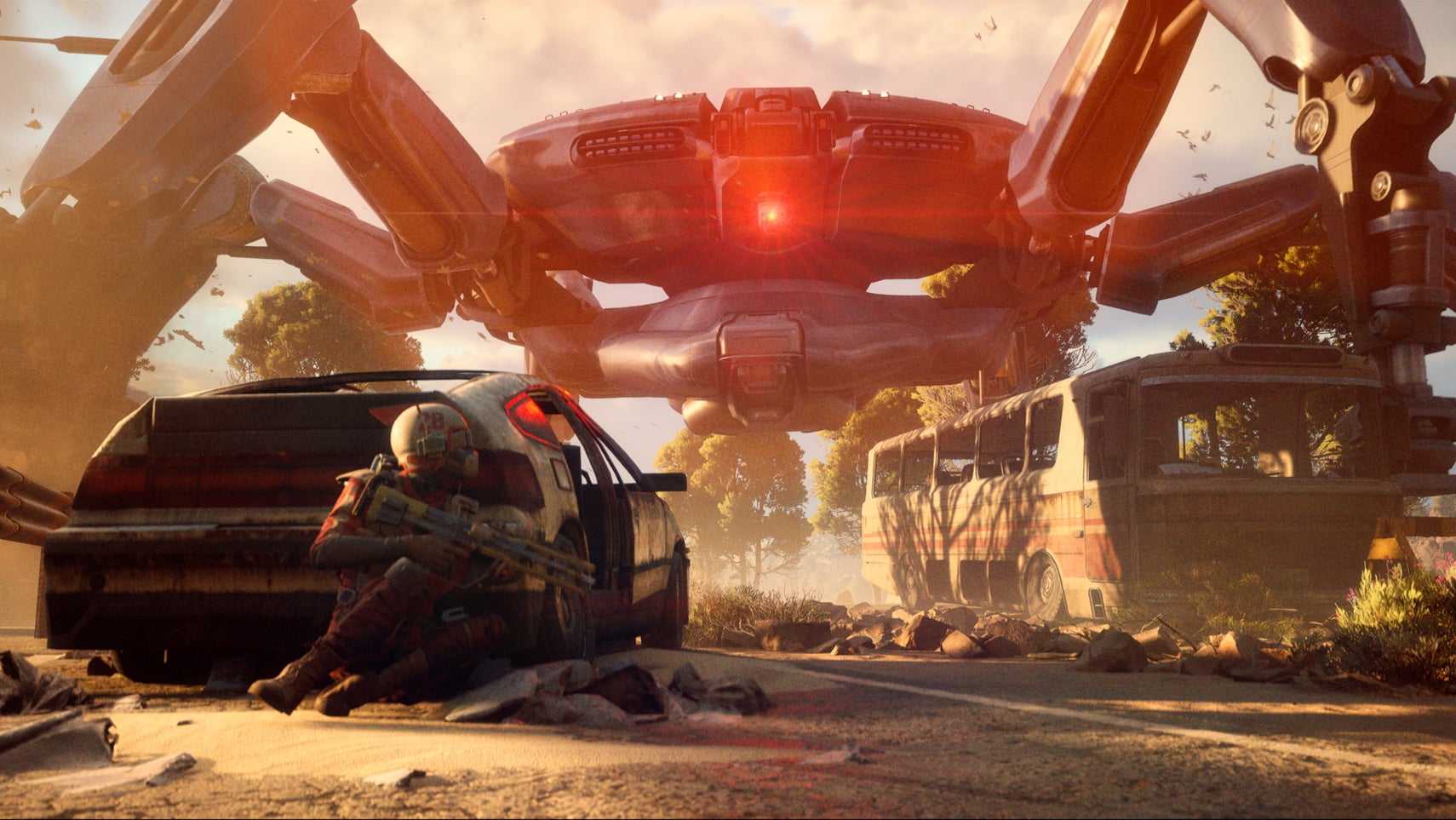
- Expanded Bestiary: The addition of several new Arc enemy units, which significantly diversifies the threats players encounter in the field.
- The Outpost: A new, dedicated player hub area designed to facilitate social interaction and inventory management.
- Systemic Overhauls: A complete restructuring of the skill tree, aimed at offering more meaningful character progression and build variety.
Furthermore, the update introduced a revamped weapon meta. By bifurcating the tuning for PvP and PvE encounters, the developers aim to ensure that tools and weapons previously considered underpowered or ineffective in one mode can now thrive in the other, thereby increasing the utility of the game’s existing arsenal.
The PvE Experimentation
Perhaps the most significant development accompanying the Frozen Trail release is the official testing of a dedicated PvE mode. The test window, spanning from October 13th to October 20th, serves as a high-stakes experiment for Embark Studios.
For months, the player community has vocalized a strong demand for a purely PvE-focused experience, arguing that the intensity of PvP combat often undermines the exploration and survival aspects of the extraction genre. By initiating this test, the developers have acknowledged these community concerns. However, the studio has been careful to manage expectations, with executive producers and lead designers noting that the existence of a temporary test does not guarantee a permanent, standalone PvE mode. The decision will likely hinge on telemetry data gathered during this window, specifically focusing on player retention rates and engagement depth in the PvE environment versus the standard extraction mode.
Broader Market Implications
The current state of Arc Raiders is indicative of a broader trend in the live-service gaming sector, where studios are increasingly forced to balance the demands of competitive PvP players against those who prefer cooperative, narrative-driven PvE content.
The strategy employed by Embark Studios—utilizing a massive, multi-faceted update alongside a time-limited free trial—is a standard but high-risk maneuver in the current market. If the game’s retention metrics remain high after the trial period ends, it could validate the studio’s shift toward a more modular approach to content, potentially allowing them to cater to both audiences without cannibalizing either base.
Conversely, if player counts drop precipitously following the conclusion of the free trial, it may suggest that the core gameplay loop, even with the additions of Pendola Pass and new systems, remains fundamentally misaligned with broader market preferences.
Looking Ahead: The Sustainability Challenge
As the industry moves into the final quarter of the year, Arc Raiders faces the challenge of maintaining momentum without the aid of temporary free-access promotions. The success of the 2.0 update will be judged not by the peak concurrent player count reached during the first week, but by the floor established in the subsequent month.
The developers have demonstrated a willingness to listen to feedback, as evidenced by the introduction of the PvE testing window and the aggressive rebalancing of the weapon meta. If the studio continues this iterative approach, there is a path toward long-term stabilization. However, the game must move beyond "update-driven" player cycles and establish a daily engagement rate that is decoupled from the release of new content.
The coming weeks will be crucial. With the official test for the PvE mode closing, stakeholders will be looking for clear signals from the development team regarding the future of that mode. Should Embark Studios commit to a permanent PvE path, they may succeed in capturing a segment of the market that has felt underserved by the current landscape of extraction shooters. Should they choose to keep the game strictly PvP-focused, they will need to ensure that the current content remains sufficiently rewarding to retain the players who were brought in by the Frozen Trail update.
Ultimately, Arc Raiders remains a study in adaptability. By aggressively updating its infrastructure, expanding its map library, and cautiously testing player-requested features, the development team has bought themselves significant goodwill. Whether that goodwill translates into a sustainable, long-term player base remains the defining question for the title’s future.