


The persistent saga of Los Angeles’s infamous Fairfax District “trash house” has escalated once more, drawing sharp condemnation from city leadership and triggering a fresh wave of inter-agency investigations. Los Angeles Mayor Karen Bass’s office has expressed intense outrage after the residential property once again became engulfed in towering mountains of refuse, debris, and associated health hazards. The recurring crisis has reignited a contentious public debate concerning chronic code violations, the limits of municipal intervention on private property, and the complex legal frameworks required to address severe structural and domestic neglect.
According to municipal authorities, the property—situated in one of the city’s established neighborhoods—has devolved into a critical health and safety emergency, forcing nearby residents to endure severe environmental degradation. The situation has prompted swift calls for permanent legal remedies as city officials and county health inspectors mobilize to assess the latest deterioration of the site.
An Escalating Public Health and Safety Crisis
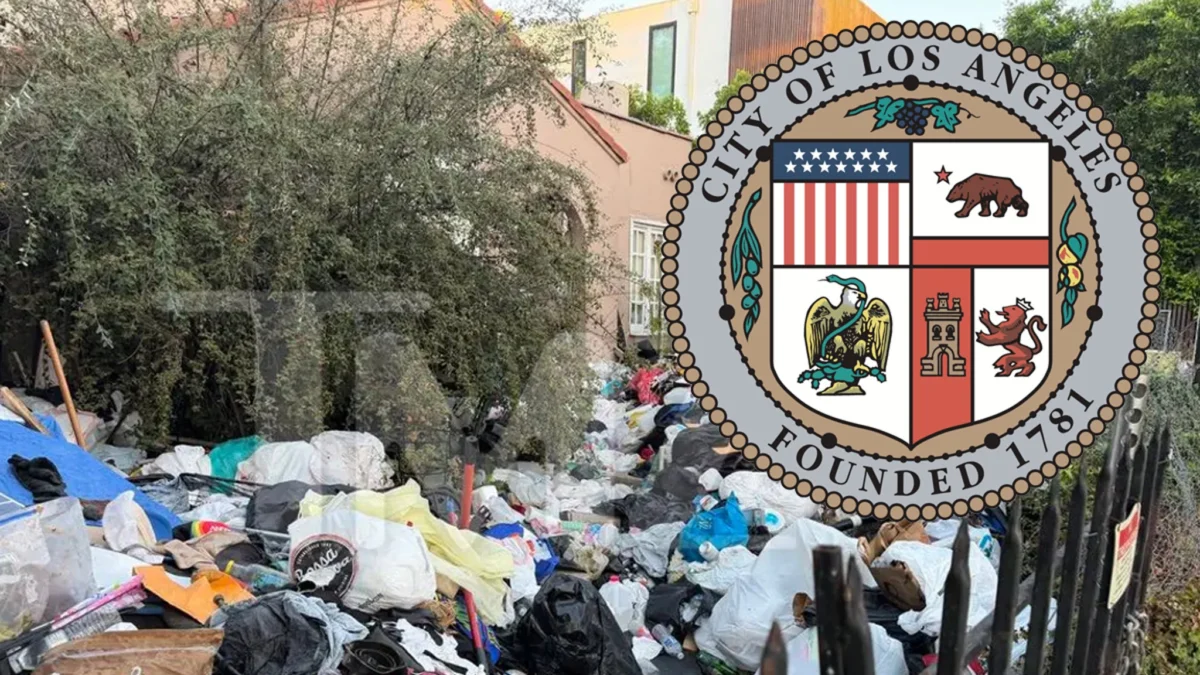
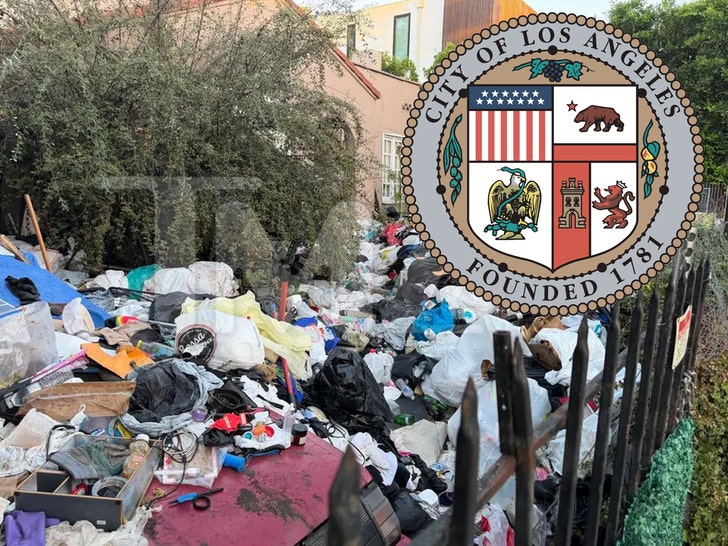
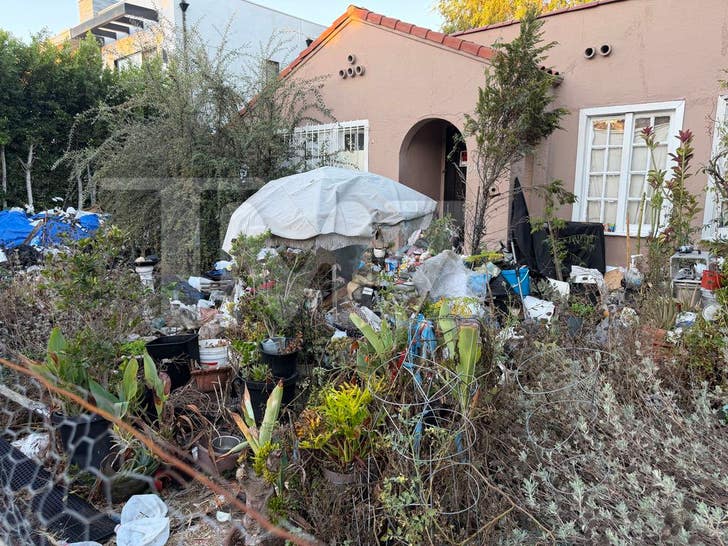
Recent photographs obtained from the location reveal an alarming accumulation of debris that has entirely overtaken the property’s exterior, spilling across yards and creating prime breeding grounds for pests. Local eyewitnesses and neighborhood residents have reported swarms of insects hovering over the premises, alongside growing concerns regarding rodent infestations and foul odors radiating from the accumulated refuse.
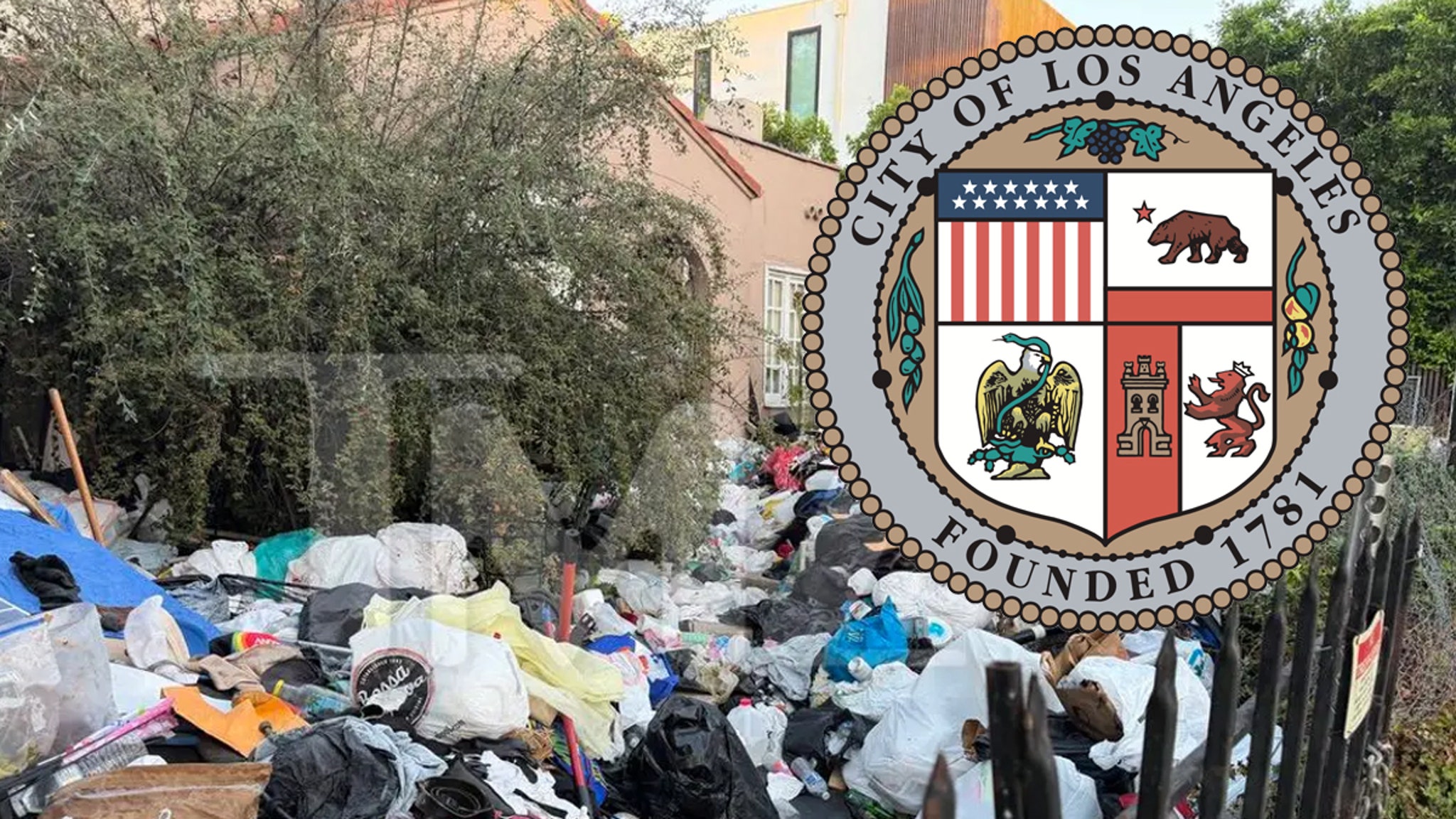
In response to the deteriorating conditions, the Los Angeles County Department of Public Health announced that its Environmental Health division will conduct an exhaustive site investigation. Inspectors are tasked with evaluating the scale of the trash accumulation, documenting sanitation failures, and identifying definitive evidence of vermin activity or biological infestation.
Under county protocols, once environmental health inspectors formally document code violations that demand immediate corrective action, official notices of non-compliance are dispatched to the property owner. However, because this site has a documented history of non-responsiveness and repeated relapse, standard administrative warnings have historically proven insufficient to achieve long-term resolution.
Chronology of Neglect and Municipal Intervention
The tribulations surrounding the Fairfax District property are far from isolated incidents; rather, they represent the latest chapter in a multi-year administrative and legal ordeal.
- Pre-2025: The property first began capturing local headlines and frustrating municipal authorities due to sporadic yet escalating accumulations of garbage that encroached upon public sidewalks and created neighborhood friction.
- 2025: City of Los Angeles agencies, in collaboration with multiple municipal departments, executed a coordinated, large-scale multi-agency cleanup operation. Tons of accumulated waste were forcibly cleared from the premises, and temporary sanitation standards were restored at considerable taxpayer expense.
- Late 2025 to Early 2026: Following the municipal sweep, city oversight transitioned primarily to the judicial system as criminal proceedings against the property owner advanced through the local court network. Despite ongoing legal pressures, monitoring mechanisms failed to prevent the gradual return of waste materials to the site.
- October 2026: New photographic evidence surfaced revealing that the property had entirely regressed to its previous hazardous state. This prompted immediate denunciations from the Mayor’s Office and triggered fresh enforcement protocols from county health officials ahead of a pivotal court appearance scheduled for mid-October.
Official Responses and Legal Strategies
The response from municipal leadership underscores the profound frustration local officials experience when dealing with recalcitrant property owners who repeatedly violate municipal codes.
A representative for Mayor Karen Bass issued a stern condemnation of the situation, characterizing the ongoing neglect as entirely unacceptable. The spokesperson emphasized that the owner of the private property has consistently permitted conditions to disintegrate, unfairly forcing surrounding homeowners and families to live in proximity to a biological hazard. The Mayor’s Office noted that city departments have successfully cleaned up the health and safety hazard on multiple prior occasions, exhausting standard administrative interventions.
With the criminal case against the property owner actively proceeding through the judicial system, the legal focus has shifted toward the potential appointment of a court-mandated conservator. A conservatorship would legally strip the negligent owner of operational control, designating a responsible third party tasked with maintaining the property and preventing future relapses.
To achieve this, Mayor Bass and municipal legal teams are actively urging the L.A. County Department of Mental Health to lend its institutional support to the conservatorship petition. City officials argue that comprehensive intervention is necessary to address the root causes of the property owner’s inability to maintain habitable conditions, ensuring that the neighborhood is granted permanent relief.
The legal battle reaches a critical juncture on October 16, the date slated for the next formal court hearing. Representatives for the Mayor’s Office have signaled that if appropriate and binding legal actions are not swiftly enacted by the court, the city stands prepared to pursue all necessary supplementary actions within the bounds of the law.
Broader Implications for Municipal Code Enforcement
The Fairfax District trash house phenomenon highlights a systemic challenge confronting major metropolitan areas across the United States: the friction between private property rights and public health mandates. Municipalities frequently find their hands tied by protracted legal processes, constitutional protections governing private land, and the evidentiary burdens required to force property remediation or ownership transfers.
When individuals suffer from underlying behavioral health challenges that manifest as compulsive hoarding or severe domestic neglect, standard code enforcement fines and misdemeanor criminal citations routinely fail to produce behavioral or environmental change. Fines go unpaid or accumulate as liens that the owner lacks the resources to satisfy, while cleanups conducted by the city shift financial burdens directly onto local taxpayers without guaranteeing sustained behavioral modification.
The potential appointment of a conservator in this high-profile L.A. case could establish a crucial legal precedent for handling severely blighted properties tied to chronic domestic neglect. By shifting the paradigm from periodic, reactive municipal trash cleanups to proactive, court-supervised management, Los Angeles aims to craft a sustainable blueprint for resolving similar neighborhood blights.
As the October 16 court date approaches, neighborhood residents, municipal leaders, and county health inspectors await a judicial decision that will determine whether the Fairfax District property can finally break free from its repeating cycle of accumulation, cleanup, and neglect. Until a permanent legal and structural solution is enforced, the property remains a stark reminder of the complex administrative hurdles involved in balancing individual autonomy with collective community welfare in urban America.