

The iconic isometric landscapes of Sanctuary are being fundamentally reimagined as an independent developer has successfully ported the classic action role-playing game Diablo 2 into a fully functional virtual reality environment. This ambitious project, spearheaded by a modder known as Sergious, represents a significant departure from the traditional top-down perspective that has defined the Diablo franchise since its inception in 1996. By shifting the camera to a first-person perspective, the modification introduces a level of visceral immersion that challenges the long-standing design conventions of the dungeon-crawler genre.
Technical Implementation and Functionality
The modification, currently available for public access via the developer’s GitHub repository, utilizes a framework designed to bridge the gap between flat-screen gameplay and immersive 3D rendering. Unlike typical VR "injectors" that simply project a 2D image onto a virtual screen, this mod attempts to map the game’s core mechanics—health management, mana pools, and inventory navigation—directly onto the player’s virtual avatar.
In the demonstrated footage, players control the Sorceress class, navigating the starting fields of the Blood Moor. The user interface (UI) has been cleverly integrated into the player’s spatial awareness: the character’s left forearm displays essential combat statistics, while the inventory system and map appear as tangible objects held in the player’s hands. This design choice effectively mimics the "diegetic" UI approach seen in high-budget VR titles like Half-Life: Alyx, where game information is presented as part of the world rather than an overlay.
The mod relies on the FlatVR and BodyWalk frameworks to achieve its spatial tracking. While the initial build is reportedly functional, it serves as a proof-of-concept for how legacy software—built on 2D sprite-based engines—can be repurposed for modern hardware.
The Evolution of the Diablo Franchise
To understand the significance of this mod, one must look at the historical trajectory of the Diablo series. Developed by Blizzard North and released in 2000, Diablo 2 is widely regarded as the gold standard of the ARPG genre. Its success was predicated on a specific "god-view" camera angle, which allowed players to manage large crowds of enemies, calculate spatial positioning, and execute complex skill rotations with precision.
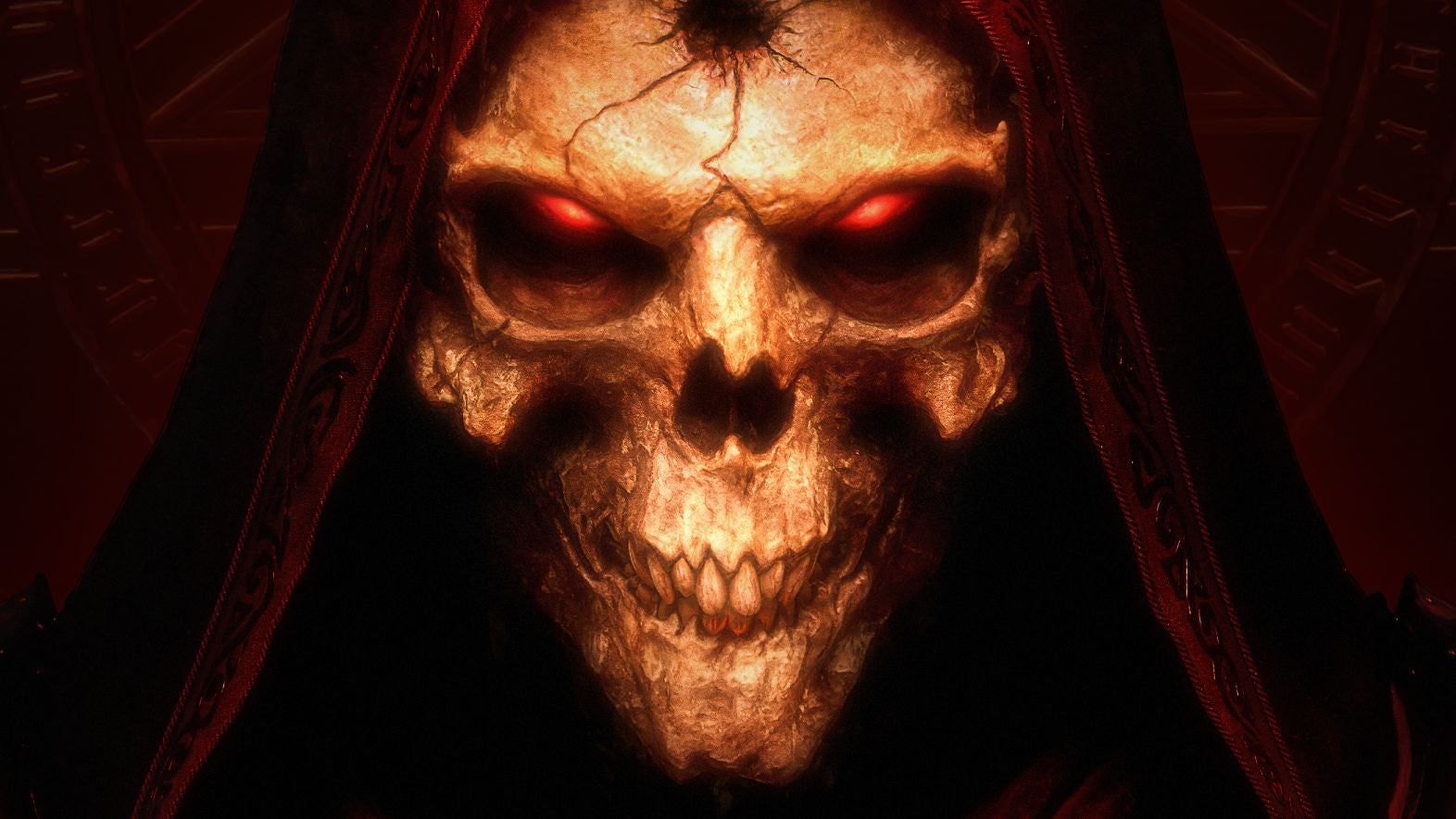
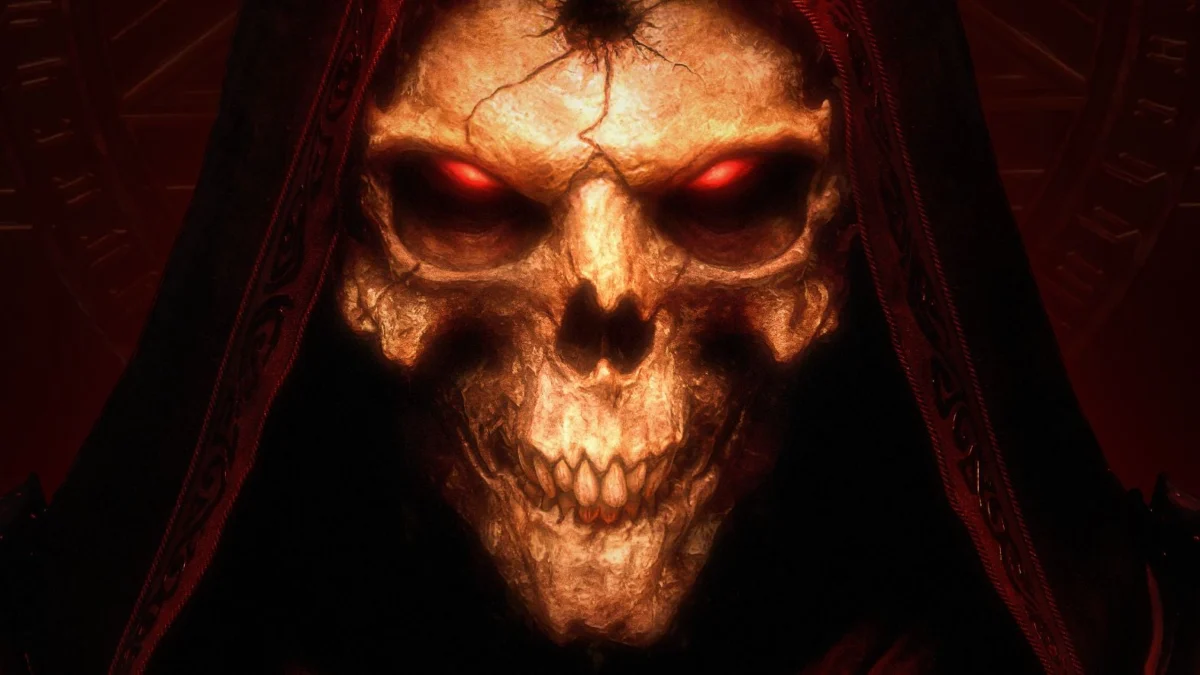
For over two decades, the isometric perspective has been the immutable identity of the franchise. Even with the release of Diablo 3 in 2012 and the more recent Diablo 4, the studio has remained committed to the top-down aesthetic. While fans have frequently speculated about a shift to third-person or first-person viewpoints, Blizzard’s design philosophy has remained anchored in the clarity and tactical overview that only an isometric camera can provide. This mod, therefore, acts as an experimental subversion of that philosophy, offering a "what-if" scenario that fans have debated for years.
A Chronology of Modern Modding
The emergence of this VR port follows a recent trend of community-driven preservation and innovation. Since the release of the remastered Diablo 2: Resurrected in 2021, the modding community has seen a resurgence in interest.
- September 2021: The launch of Diablo 2: Resurrected updates the game’s graphics while maintaining the original underlying engine, providing a more stable base for modders to work with.
- Early 2023: Increased accessibility to VR development tools, such as the FlatVR framework, allows non-professional developers to port legacy titles into 3D environments.
- February 2025: The first public footage of the Diablo 2 VR mod is shared on social media platforms, gaining immediate traction for its seamless integration of inventory management into a first-person view.
The speed with which this project reached a playable state underscores the maturation of VR development tools. What once required a dedicated team of engineers can now be achieved by individuals working with open-source repositories and shared development frameworks.
Broader Industry Implications
The success of this mod raises questions regarding the future of VR integration in established AAA franchises. As hardware becomes more sophisticated—exemplified by the recent release of the Valve Steam Frame headset and similar high-fidelity systems—the demand for "hybrid" experiences is growing.
Industry analysts note that while major studios remain hesitant to pivot core franchises to VR due to motion sickness concerns and the loss of tactical clarity, the modding community continues to fill the gap. By allowing players to experience beloved worlds from a new vantage point, these projects generate renewed interest in legacy titles, potentially influencing the design directions of future installments. While there is no official indication that future Diablo titles will move away from their isometric roots, the existence of this mod demonstrates that there is a tangible market for a more "intimate" version of Sanctuary.
Technical Challenges and Future Outlook
Despite the ingenuity of the project, significant hurdles remain. Transitioning a game designed for mouse-and-keyboard click-to-move navigation into a VR space involves complex "re-mapping." Combat in Diablo 2 is rhythmic and depends on rapid movement; in VR, this can lead to disorienting experiences if the movement speed is too high.

Furthermore, the mod is currently a work-in-progress. Issues regarding frame rates, resolution scaling, and the optimization of legacy 2D sprites in a 3D environment are common in such ports. The developer has indicated that while the mod is playable, it requires hardware that can handle the overhead of running both the legacy game engine and the VR rendering pipeline simultaneously.
The Role of Community Preservation
The Diablo 2 VR mod is emblematic of a broader movement in the gaming industry: the democratization of engine modification. As major publishers shift their focus toward live-service models and cloud-based architecture, the ability for players to "own" their experience—through mods, custom servers, and VR ports—becomes a crucial aspect of game longevity.
By taking a 25-year-old game and making it compatible with the most cutting-edge hardware available, the community ensures that these titles remain relevant in the modern gaming discourse. While Blizzard has not released an official statement regarding the mod, the company has historically maintained a complex relationship with its modding community. Provided that such projects remain non-commercial and do not interfere with online security protocols (such as Battle.net’s anti-cheat systems), they are generally tolerated as a way to extend the shelf life of the intellectual property.
Conclusion: A New Perspective on Sanctuary
As the industry watches the development of this mod, it serves as a reminder that the value of a game is not limited to its initial design. The ability to inhabit the world of Sanctuary, to stand among the shambling dead, and to cast fireballs from one’s own hands, provides a level of engagement that the original developers could only have dreamed of in 2000.
Whether this project serves as a niche curiosity or a precursor to a wider shift in how we play classic RPGs remains to be seen. However, for the legion of fans who grew up in the dungeons of Act 1, the opportunity to see their childhood memories brought to life in three-dimensional space is an achievement of significant cultural and technical merit. For now, the mod stands as a testament to the passion of the gaming community, proving that even the oldest games have new ways to surprise us.