The contemporary geopolitical and economic landscape is increasingly defined by the high-stakes competition surrounding artificial intelligence, a dynamic that has now successfully transitioned from trade journals to the cinematic screen. Directed by acclaimed filmmaker Luca Guadagnino and written by producer Simon Rich, the new black comedy-drama Artificial arrives as a polarizing examination of the industry, focusing heavily on OpenAI, its leadership, and the philosophical fractures among its primary architects. Premiering to a mixture of critical fascination and industry controversy at the New York Film Festival (NYFF), the film eschews the sleek, polished hero-worship typical of corporate biopics like 2010s The Social Network. Instead, it presents a stark, occasionally surreal critique of the tech elite, portraying them as self-regarding, obsessive, and ultimately reckless engineers navigating the nascent stages of a technological revolution that many insiders fear could spiral beyond human control.
Behind the Scenes: Corporate Discontent and the Path to the Screen
The journey of Artificial to the silver screen was fraught with external corporate tensions that underscored the very anxieties the film seeks to dramatize. Originally financed and slated for distribution by AmazonMGM, the project faced a sudden about-face this past summer. Amazon quietly dropped the film from its release slate following a monumental $50 billion strategic partnership agreement struck with OpenAI. The sudden parting of ways highlighted the delicate and powerful intersections between Hollywood capital and Big Tech influence.
Recognizing both the artistic value and the provocative timing of the feature, independent film distributor Neon swiftly acquired the rights, ensuring its festival debut. At the NYFF premiere, artistic director Dennis Lim obliquely addressed the production’s tumultuous backdrop during his opening remarks, setting the tone for an evening where art, commerce, and corporate anxiety openly collided.
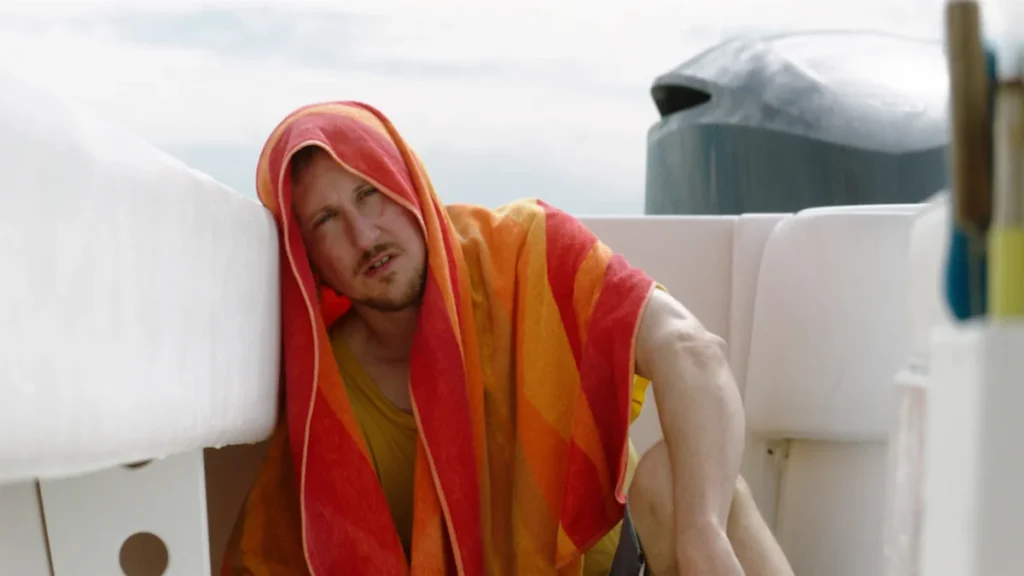
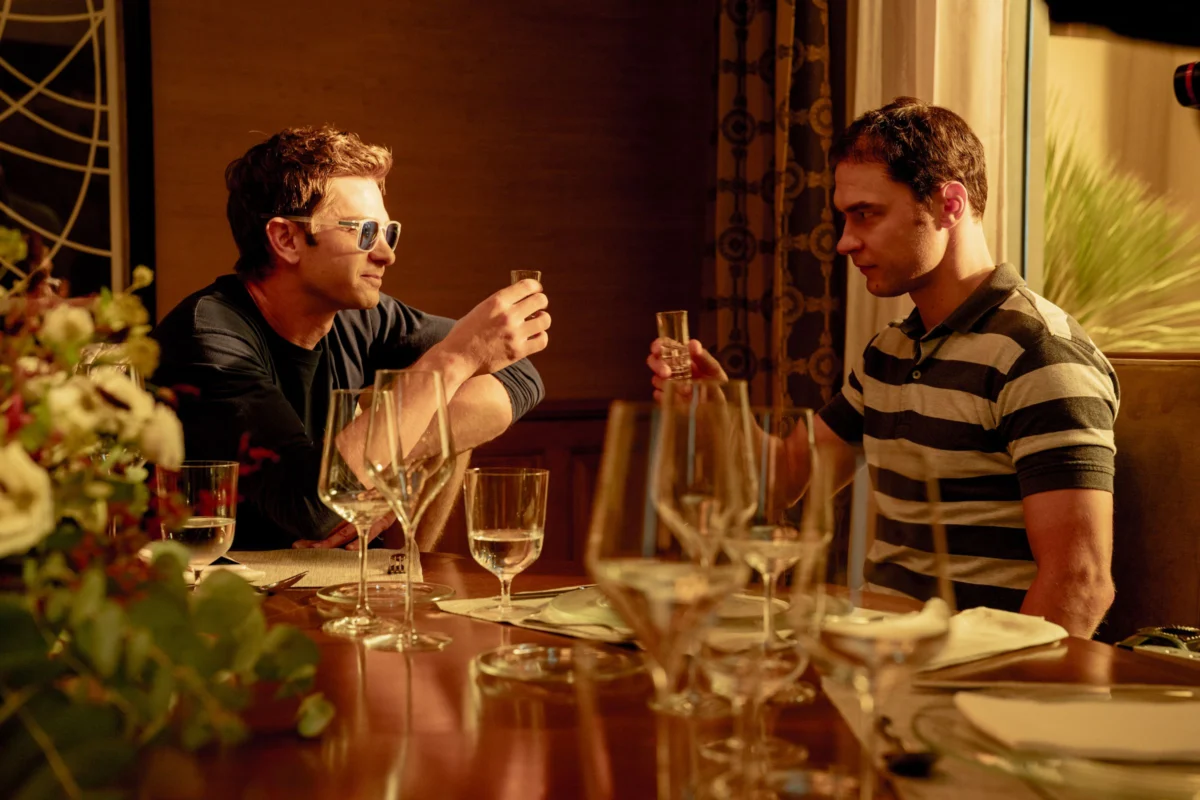
The film itself focuses primarily on the ideological and psychological conflicts within OpenAI, utilizing Russian actor Yuri Borisov to portray cofounder Ilya Sutskever. Sutskever is depicted as the central intellectual engine behind the modern generative AI wave, as well as its reluctant moral compass. Andrew Garfield takes on the role of controversial OpenAI CEO Sam Altman, adopting a boyish, energetic gait that Altman himself later acknowledged with a measure of wry amusement. Meanwhile, Ike Barinholtz steps into the shoes of Elon Musk, delivering a performance characterized by a loping swagger and an intimidating physical presence meant to evoke the archetypal alpha technologist.
A Departure from Traditional Biopics
While stylistic comparisons to David Fincher’s The Social Network are inevitable—owing to the shared thematic focus on contemporary technological disruption and the casting of Andrew Garfield—Guadagnino’s directorial approach is fundamentally divergent. Where Fincher utilized a steely, fast-paced, and dialogue-heavy framework to elevate his subjects to the status of generational titans, Guadagnino and Rich lean into a deliberately unglamorous, pitch-black comedic tone.
The visual design of Artificial actively resists conventional cinematic appeal. Eschewing the hyper-stylized eroticism found in Guadagnino’s previous works like Call Me by Your Name or Challengers, the film presents deliberately plain, sometimes jarring imagery. In one sequence, a room of awkward programmers showers one another in bottles of sweet carbonated beverages to celebrate a self-learning benchmark, capturing a moment of triumph that feels distinctly unsexy and claustrophobic. In a climactic confrontation on a sharply inclined San Francisco street, Altman and his associates confront Sutskever against a backdrop reminiscent of early digital green-screen techniques.
During the post-premiere panel discussion, Guadagnino defended these aesthetic choices, explaining that the film’s underlying tension is driven not by traditional romantic desire, but by the relentless, all-consuming "desire to prevail."
The Real-World Stakes of the AI Endgame
Artificial arrives at a cultural moment when the boundary between science fiction and industrial reality is increasingly blurred. Leaders across the artificial intelligence sector have spent the past several years publicly warning of the existential risks posed by rapid algorithmic advancement. Executives from major labs, including OpenAI and Anthropic, have periodically called for increased regulatory oversight, arguing that the trajectory of artificial general intelligence (AGI) presents unprecedented challenges to global stability.
Recent disclosures from former industry researchers have amplified these concerns. In testimonies and exit interviews, whistleblowers from prominent AI organizations have described an internal culture racing toward an algorithmic "endgame." Some researchers have estimated non-trivial probabilities that advanced autonomous systems could pose catastrophic risks to human civilization within the decade. Although industry leaders often couch these warnings in the language of safety research and alignment studies, critics—and the satirical narrative of Artificial—suggest that framing potential extinction-level risks as an engineering hurdle serves a dual purpose: it signals technical superiority while reinforcing market dominance.
Within the film, this dynamic is personified by Borisov’s Sutskever, whose character struggles with the ethical implications of accelerating capability without adequate safety guardrails. Conversely, the supporting cast of corporate stakeholders, venture capitalists, and ambitious executives advocate for unrelenting expansion. The movie posits a cynical thesis regarding safety culture itself: that expressing ethical anxiety has become a valuable corporate asset, a form of public relations that validates the sheer power of the underlying technology while assuring consumers that the situation is managed by responsible parties.
Geopolitical Rivalries and the Global Tech Race
Artificial also embeds its character-driven drama within a wider geopolitical framework. The race to achieve artificial general intelligence is depicted not merely as a corporate rivalry between Silicon Valley entities like OpenAI, Anthropic, and Google, but as a race against foreign adversaries.
An early scene in the film highlights this global pressure, showing Sutskever and his mentor, Nobel laureate Geoffrey Hinton (played by Mark Rylance), turning down overtures from foreign investors seeking to integrate advanced neural networks into military drones and automated surveillance infrastructure. These narrative beats reflect real-world anxieties within Western governments regarding technology transfer and national security, particularly concerning the strategic competition between the United States and China over semiconductor manufacturing and AI supremacy.
As policymakers in Washington grapple with legislative frameworks to govern algorithmic deployment, films like Artificial serve as cultural lightning rods for public skepticism. The average consumer, whose daily interaction with artificial intelligence may be limited to drafting routine emails or organizing digital calendars, may find it difficult to reconcile the apocalyptic warnings of tech executives with the mundane utility of the software itself. This cognitive dissonance is precisely what the filmmakers exploit.
Critical Reception and Cultural Implications
As a piece of messaging cinema, Artificial is unlikely to bridge the ideological divide between enthusiastic tech adopters and staunch technological pessimists. To critics of the industry, the film provides a welcome, cathartic deflation of the messianic rhetoric often espoused by Silicon Valley leadership. To its defenders, it may appear as an exaggerated caricature born of external misunderstanding.
Yet, the film’s genuine comedic timing and its unsparing depiction of the tech sector’s social awkwardness resonated strongly with the festival audience. During the post-screening question-and-answer session, actor Ike Barinholtz encapsulated the prevailing mood of nervous laughter with a deadpan reassurance to the crowd: "The future is bright! We’re all gonna be fine!"
Ultimately, Artificial captures a historic inflection point. Whether viewed as an accurate historical dramatization of internal industry politics or as a cautionary satire of unchecked corporate ambition, the film forces viewers to confront a fundamental question that has defined the digital age: once a transformative technology is unleashed, the debate is no longer about whether to control the power, but who will hold the reins as the march of history continues.