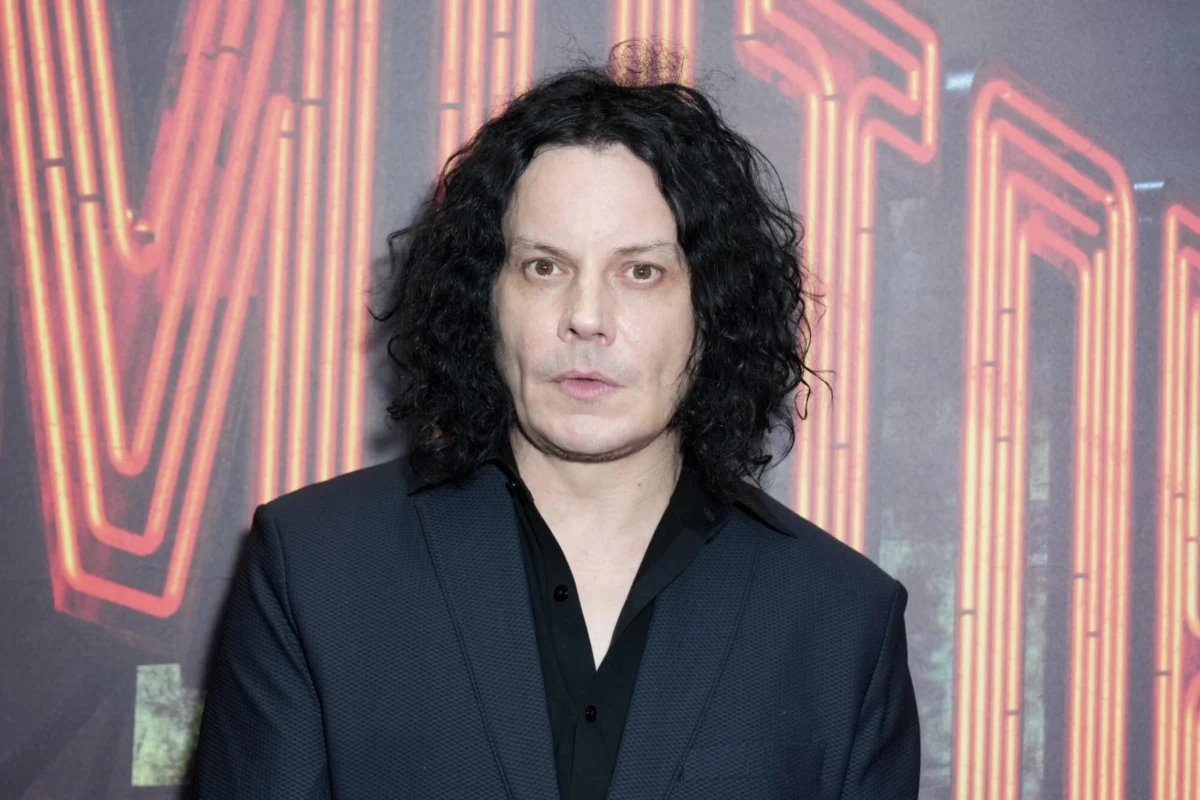
The intersection of American politics and popular culture experienced another sharp collision this week when acclaimed musician Jack White publicly rebuked former President Donald Trump. The confrontation stems from comments made by Trump during a campaign rally in Grand Island, Nebraska, where the former president discussed the economic ramifications of United States foreign policy and military conflict involving Iran. The remarks, which touched upon the potential targeting of major American metropolitan areas, quickly ignited a firestorm of criticism across digital platforms, drawing particular ire from prominent public figures such as the White Stripes co-founder.
The exchange highlights the increasingly polarized discourse surrounding national security rhetoric, political accountability, and the reactions of high-profile artists who utilize their platforms to engage in civic debates. As political analysts, administration officials, and cultural commentators continue to parse the implications of the statements, the episode underscores the profound sensitivity of rhetoric involving domestic safety and foreign adversaries in contemporary American politics.
Chronology of Events and the Nebraska Rally
The sequence of events began on the evening of Monday, October 5, during a high-profile campaign event in Grand Island, Nebraska. Addressing a packed auditorium of supporters, Trump shifted his focus toward international relations, specifically addressing ongoing tensions between Washington and Tehran. During his address, the former president sought to contextualize the economic burden of military expenditures and inflation, characterizing domestic financial strains as a necessary component of broader geopolitical strategy.
According to transcripts and video recordings of the event, Trump asserted that the economic costs associated with maintaining international stability and national defense constituted a minor drawback compared to the overarching goal of security. However, the rhetoric escalated when he addressed hypothetical scenarios involving foreign aggression. In statements captured on broadcast feeds, Trump remarked that allowing an adversary such as Iran to target specific domestic locations could be viewed as an acceptable consequence within a broader strategic framework, explicitly mentioning the Southern California population centers of Los Angeles and San Diego. Audio recordings from the venue indicate that portions of the assembled crowd responded with applause and cheering following the assertion.
By Tuesday, October 6, video clips and transcripts of the speech had circulated widely across social media platforms, drawing intense scrutiny from political opponents, media outlets, and cultural figures. Among the most vocal critics was Jack White, who utilized his official Instagram account to broadcast his condemnation of the remarks to his extensive following.
Jack White’s Public Rebuke and Social Media Statement
Jack White’s response, published on October 6, directly targeted conservative voters residing in the metropolitan areas mentioned during the rally. Employing sharp and unvarnished language, the musician questioned the political loyalty of Republicans and conservatives living in Los Angeles and San Diego in light of the former president’s comments.
"Hey republicans and conservatives that live in L.A. and San Diego; how do you feel about your Fuhrer recommending that the cities you live in get attacked?" White wrote, accompanying the text with a digital capture of the speech’s transcript. He further urged his audience to review the footage independently, drawing attention to the audience reaction captured on tape. "Click the video I reposted and watch for yourself. Listen to the cult members CLAPPING and cheering for this."
Anticipating the predictable defensive arguments from Trump’s supporters, White preemptively critiqued potential counter-narratives. "Let me take a wild guess: it was a joke, owning the libs, insert cult rhetoric here, etc.," he noted.
The musician escalated his critique by questioning the foundational allegiance of the former president’s base, labeling the ongoing support as indicative of misplaced loyalty toward a figure facing significant legal challenges. "The allegiance these people have to this corrupt felon is so laughable and ignorant," White continued. "That’s right, a U.S. ‘President’ that recommended that two major cities in our country be bombed because they don’t give total allegiance to his ego."
Concluding his commentary, White framed the incident within a broader dystopian outlook concerning upcoming electoral cycles and democratic norms. "Imagine any other President or elected official in history saying this," he added, before concluding with the hashtag #TWAAT, an acronym for a derogatory characterization of the former executive.
Official White House and Campaign Responses
In the wake of the widespread backlash, representatives for Donald Trump and allied political organizations moved quickly to reframe the former president’s remarks, pushing back against interpretations that he was advocating for violence against American cities.
Steven Cheung, serving as communications director for the campaign, alongside various rapid-response digital operations aligned with the political apparatus, argued that media outlets and critics were deliberately misconstruing the context of the speech. According to the official clarification, Trump was not expressing a desire for Los Angeles or San Diego to be attacked by foreign adversaries. Instead, administration defenders maintained that the former president was illustrating the catastrophic hypothetical consequences of a nuclear-armed Iran unchecked by decisive U.S. deterrence policies.
In this view, the mention of the two major West Coast cities was intended as a stark, hyperbolic warning regarding the ultimate stakes of international conflict and the failure of current diplomatic and military postures, rather than a literal policy proposal or an endorsement of domestic targeting. Supporters argued that the rhetoric utilized standard campaign trail hyperbole designed to emphasize the gravity of foreign threats, a stylistic approach common in populist political discourse.
Despite these clarifying efforts from the political apparatus, critics remained unimpressed, arguing that the plain text of the remarks—coupled with the approving reaction of the live audience—demanded literal accountability rather than retrospective reframing.
Broader Context and Political Implications
The controversy surrounding the Grand Island rally arrives at a sensitive juncture in the American political calendar. With midterm elections approaching and political polarization near historic highs, statements involving national security, domestic vulnerability, and foreign policy carry immense weight.
For decades, the intersection of partisan politics and urban-rural divides has defined much of the American electoral landscape. Major metropolitan centers such as Los Angeles and San Diego are traditionally viewed as strongholds for the Democratic Party, occasionally drawing rhetorical ire from conservative populist movements that portray large urban areas as symbolic centers of opposing cultural and political values. However, millions of registered Republicans and conservative voters reside within these very municipalities, creating a complex internal dynamic when national political figures direct provocative language toward specific geographic regions.
Furthermore, the involvement of high-profile musicians like Jack White illustrates the enduring role of the entertainment industry in shaping public discourse. Artists frequently leverage their visibility to amplify political messaging, a phenomenon that has intensified significantly over successive election cycles. While supporters of political figures often dismiss celebrity commentary as out-of-touch posturing, cultural critics argue that such interventions play a critical role in mobilizing voter attention and shifting media narratives outside of traditional journalistic channels.
As the political fallout from the Nebraska rally continues to reverberate, the incident serves as a case study in the velocity of modern political communication. A single remark, delivered during a regional campaign event, can be instantly digitized, analyzed, and weaponized across national platforms within hours, prompting immediate defensive maneuvers from campaign strategists and impassioned reactions from cultural icons. Whether the controversy will produce lasting electoral consequences or fade into the background noise of an increasingly saturated news cycle remains to be seen, but the event underscores the fragile and volatile nature of contemporary American political rhetoric.